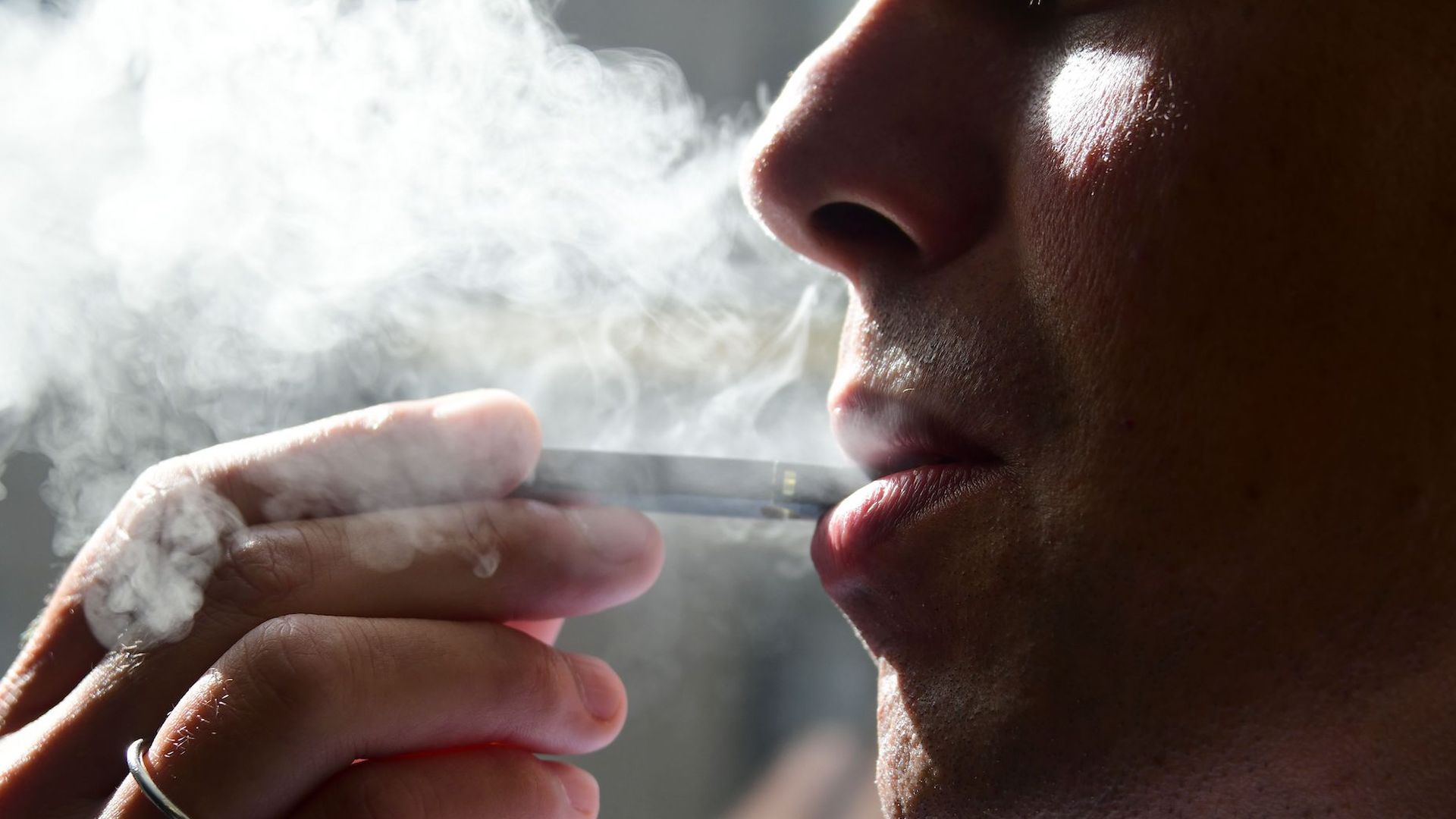
The Food and Drug Administration yesterday cleared Philip Morris' iQOS, a new tobacco device designed as an alternative to traditional cigarettes — an announcement that falls smack-dab in the middle of a swelling push to control the fallout from Juul, another cigarette alternative.
Driving the news: The iQOS — which heats up sticks of tobacco instead of burning them — is in existence largely for the same reason as e-cigarettes. The FDA said it was cleared because "the products produce fewer or lower levels of some toxins than combustible cigarettes" and "IQOS users may be able to completely transition away from combustible cigarettes."
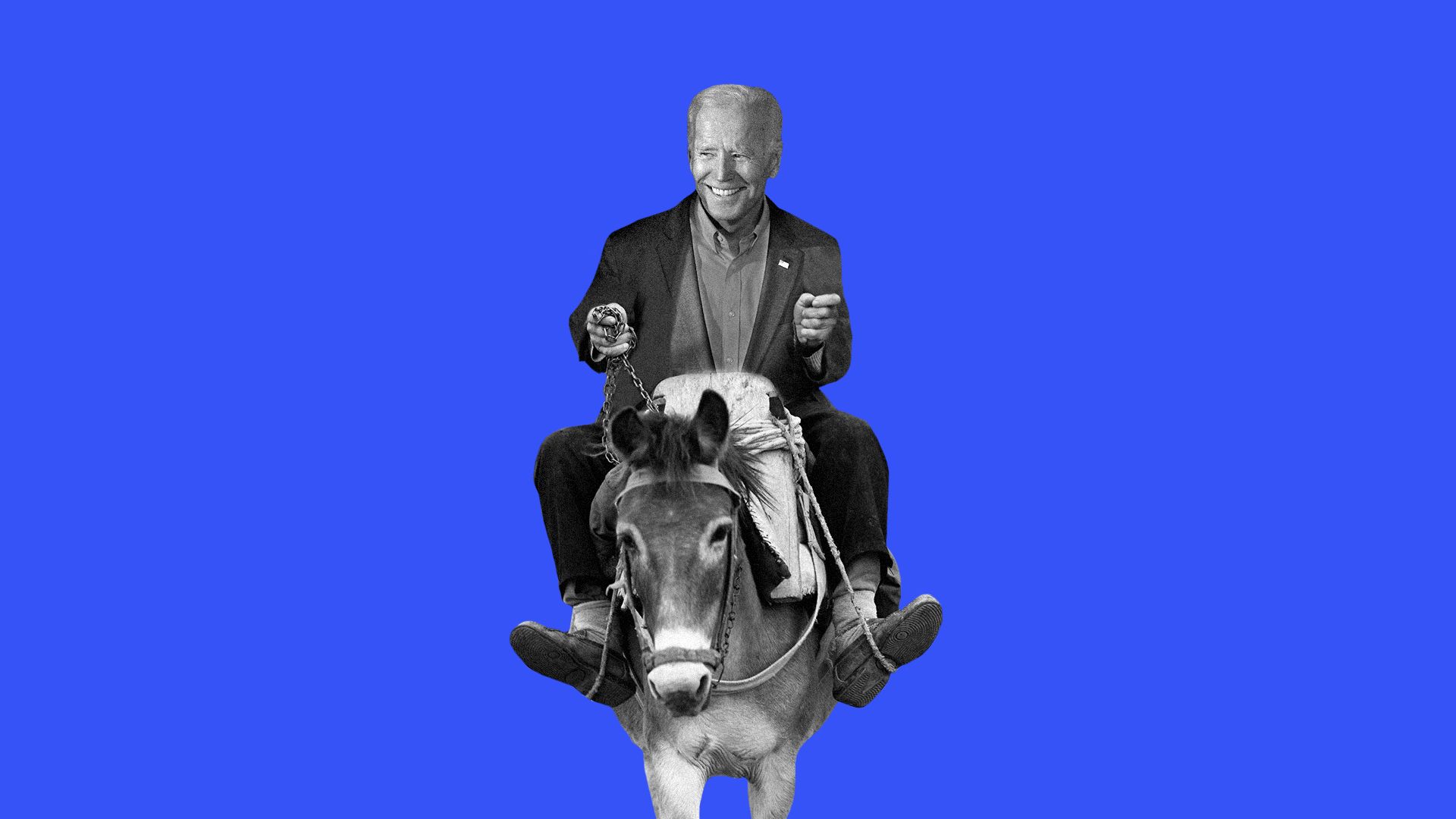
In the opening days of his 2020 campaign, former Vice President Joe Biden has gone all-in on the general election, positioning himself as the eventual Democratic nominee rather than scrapping with the 19 other wannabes.
Why it matters: This isn't an accident. Biden strategists believe the former V.P. has the luxury of thinking long term rather than scrambling for liberal street credibility.
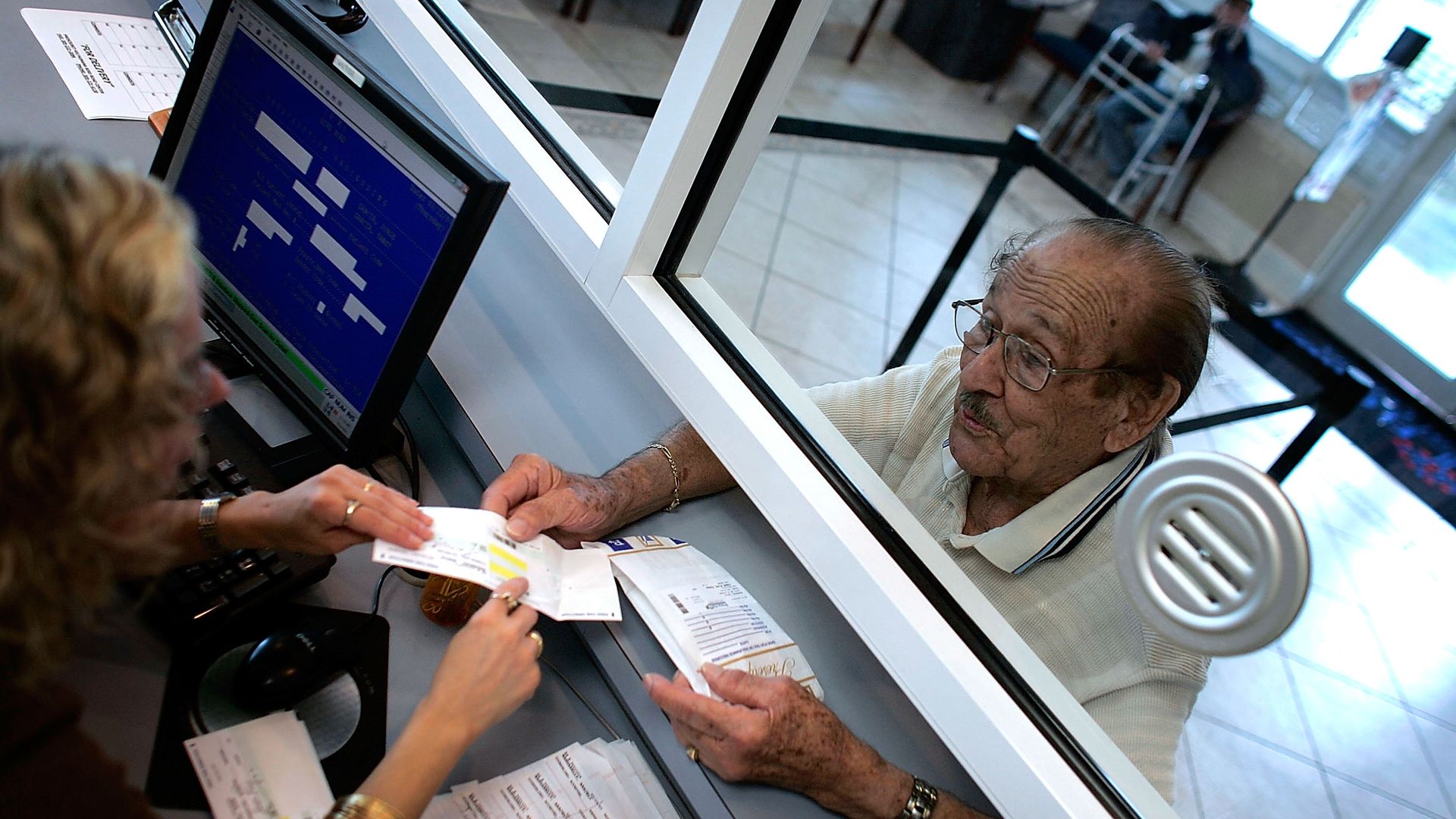
There's been an explosion in spending on specialty drugs within Medicare's prescription drug benefit over the past decade, and it may be warping insurers' incentives to keep overall costs down.
The bottom line: A single expensive prescription now sends hundreds of thousands of beneficiaries straight into the benefit's "catastrophic phase," where the government picks up most of the tab and insurers have little incentive to manage costs.
Some health officials and anti-tobacco groups worry that kids don't know that Juul is a type of e-cigarette, meaning the problem of youth vaping may be underreported, Bloomberg reports.
Why it matters: Teen vaping is already being treated as an epidemic, and both lawmakers and public health officials are considering drastic measures to crack down on it.
The Medicare for All debate is burning red-hot this week, while more incremental health care reforms inch forward out of the spotlight.
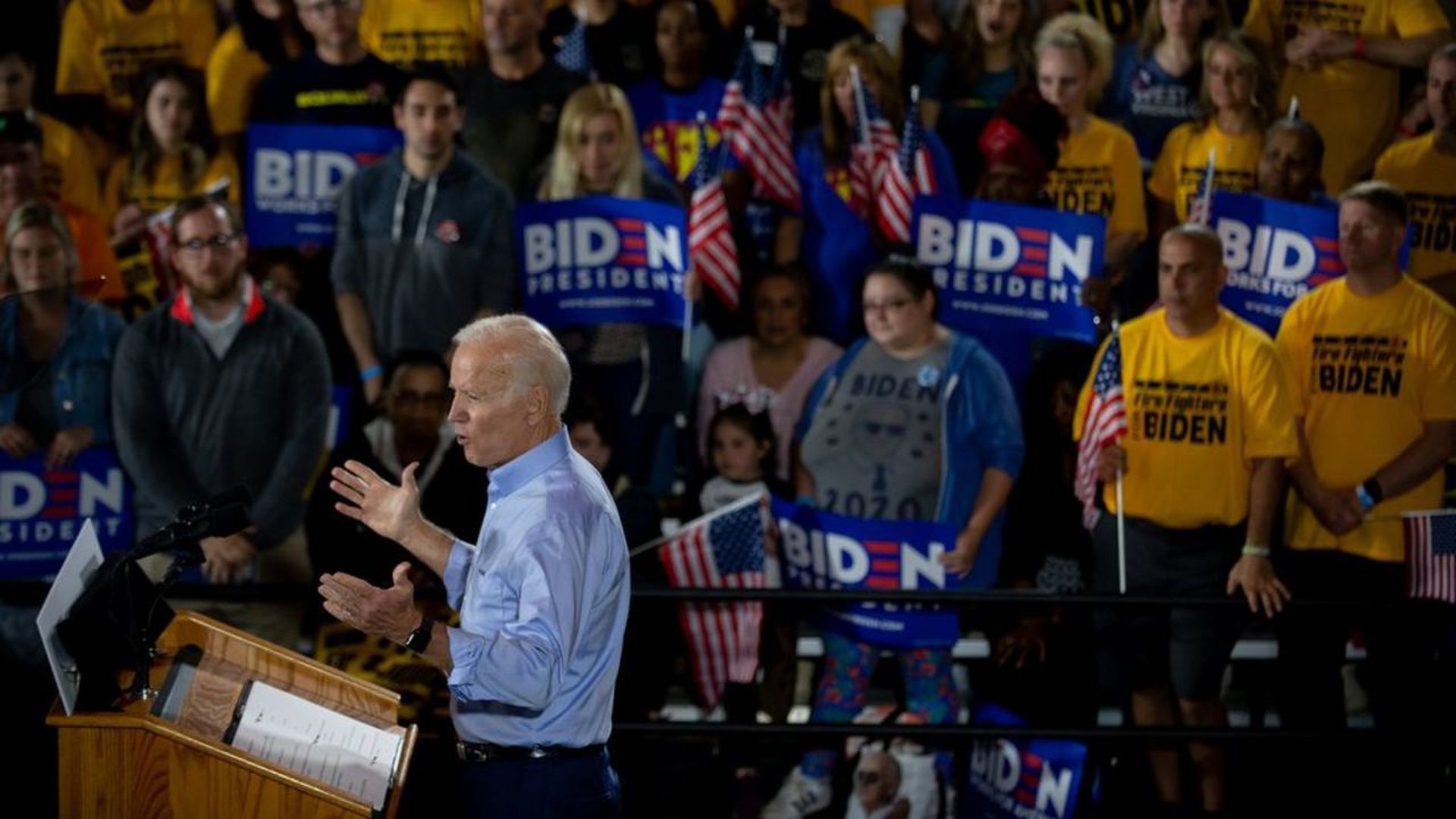
Driving the news: Former Vice President Joe Biden said in his first official campaign speech yesterday that he supports an optional Medicare buy-in, putting him at odds with the other Democratic front-runner, Sen. Bernie Sanders, on a key 2020 issue.
The 3 big health insurers that control a majority of Medicare's prescription drug coverage — CVS Health, Humana and UnitedHealth Group — are arguably the most at risk from the Trump administration's plan to eliminate rebates within Medicare.
The big picture: These companies rely heavily on rebates to offset the costs of covering seniors' prescriptions. Losing those rebates would shift billions of dollars away from them, and they could lose customers if they raise premiums to make up the difference.