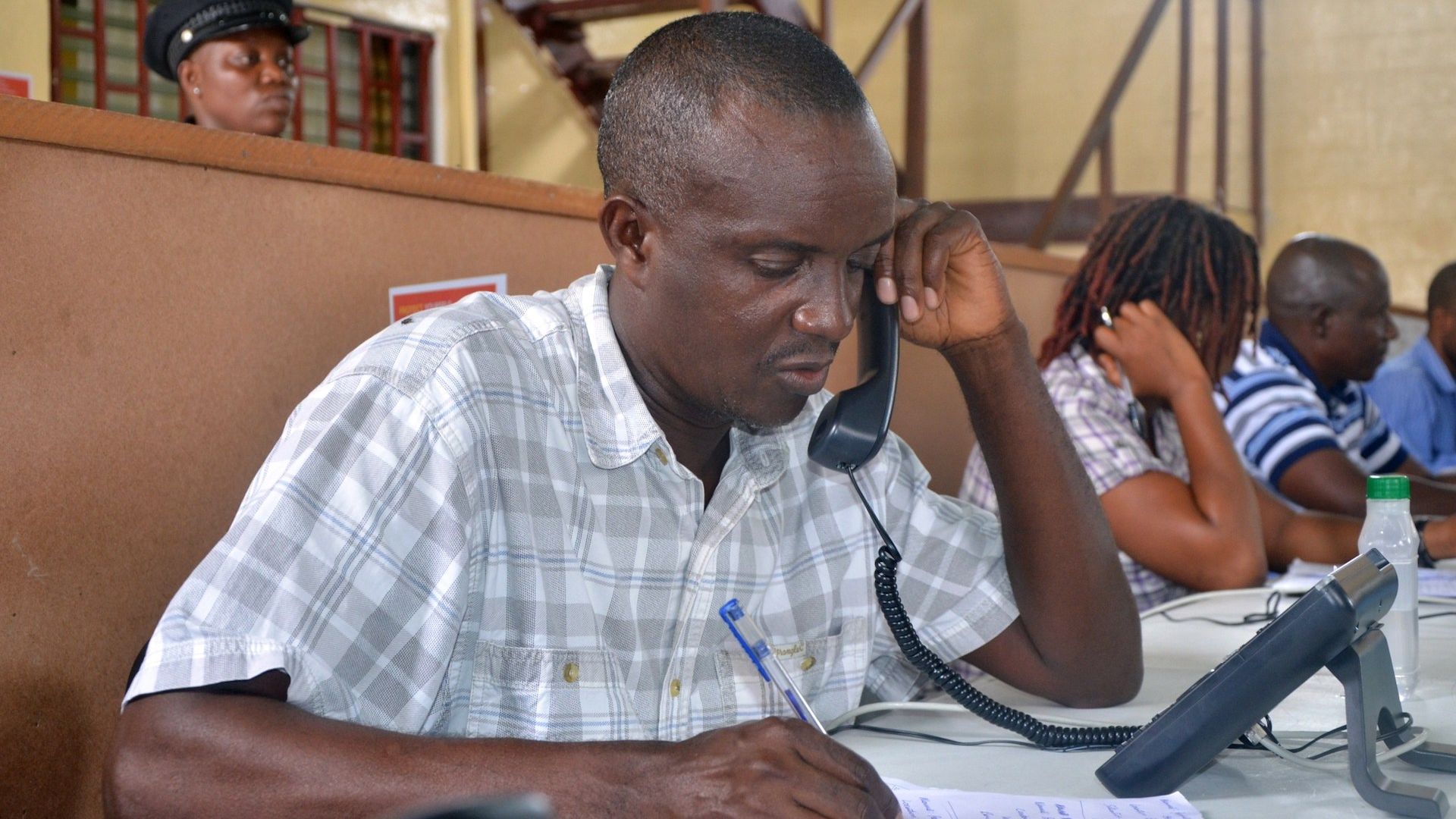
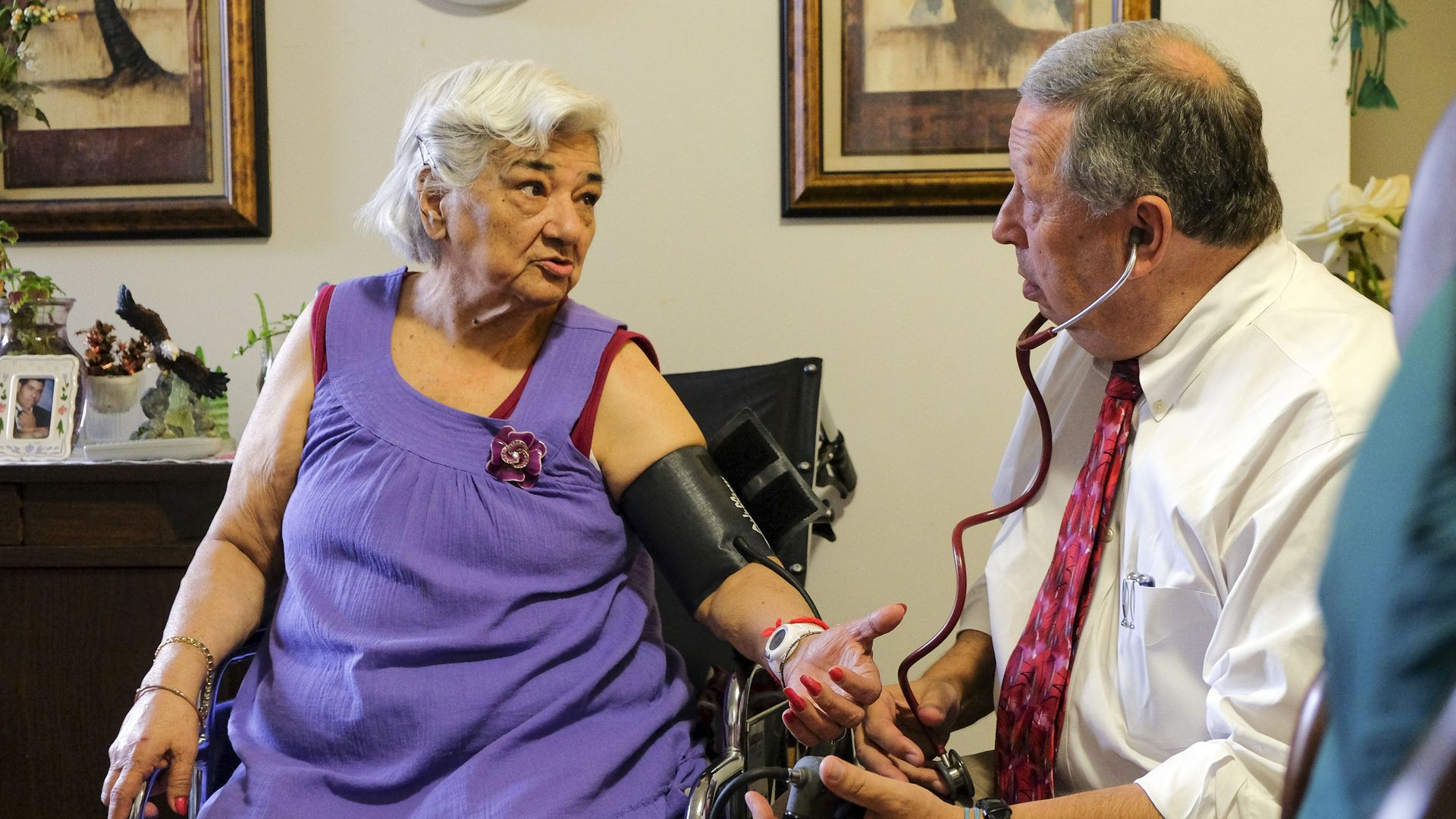
Public health officials say that polling using text messages, social media platforms and other digital tools can be key in both tracking the health care behavior of people and disseminating lifesaving information during emergency situations.
Why it matters: During public health emergencies — such as the current Ebola outbreak in the Democratic Republic of the Congo — it's difficult for public health officials to monitor people's health care behavior. Digital polls and social media monitoring can complement physical tracking in a way that could save time, money and offer more safety to health care workers, according to New York University's Rumi Chunara.
Why it matters: Raffel is known to have high-level relationships at major print publications and the TV networks, and was the go-to communications official in the White House in moments of crisis, per Axios' Jonathan Swan. He joins Juul as the company attempts to navigate a federal investigation into youth vaping.
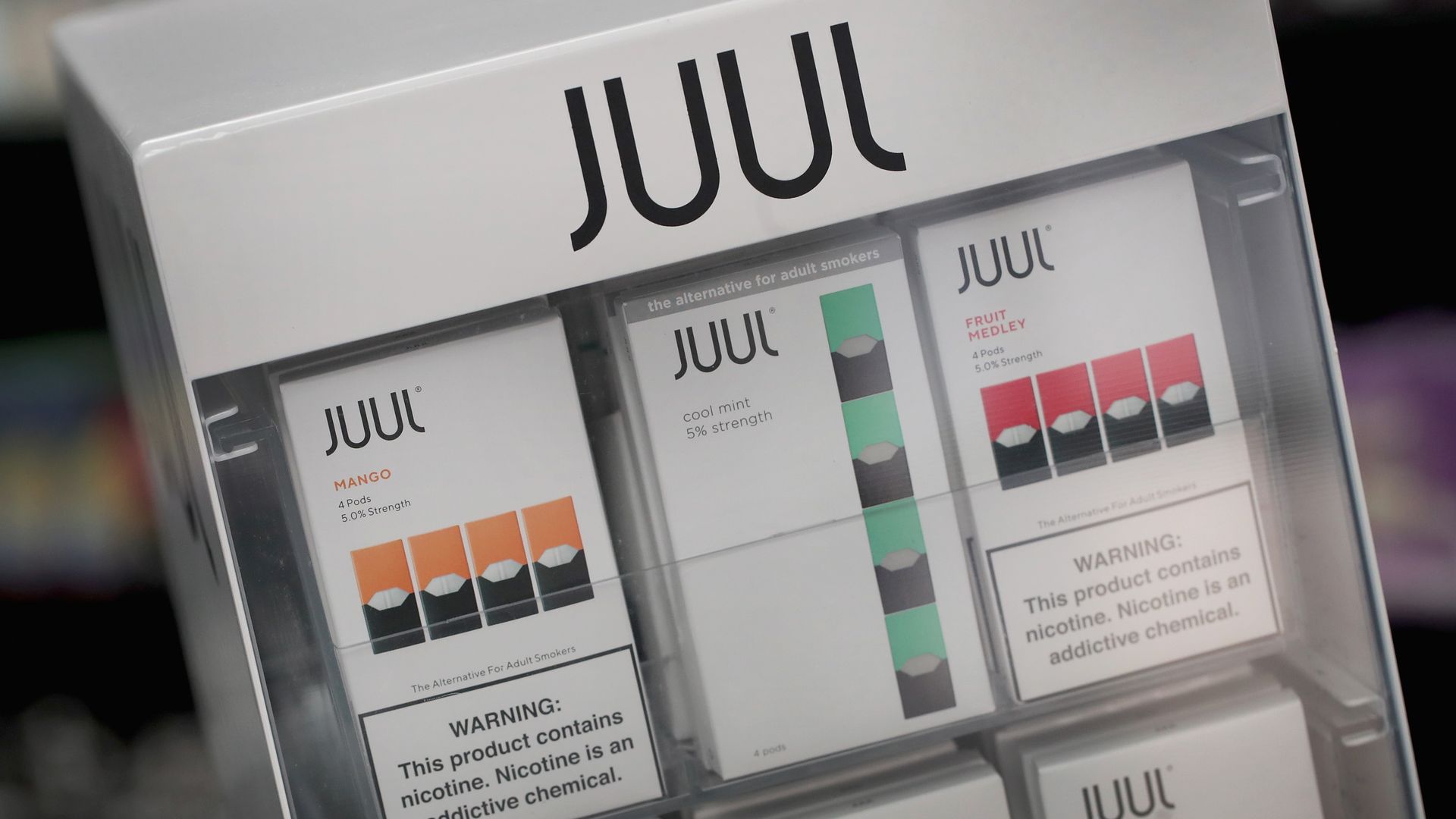
Juul Labs named 18 electronic cigarette manufacturers and organizations in a new International Trade Commission complaint filed Thursday, saying they are infringing on its patents, TechCrunch reports.
The big picture: The organizations named in Juul's complaint are mostly operating from China and the U.S. and sell copycat products with "little or no real age-verification processes." The suit comes as Juul, which has defended its efforts to keep its products out of the hands of teens, is under the federal government's microscope for its impact on minors.
Every year, health care takes a little bigger bite out of workers' bottom lines. Slowly but surely, it has eaten up all of the average workers' wage increases — and then some.
The big picture: Overall, the cost of employer-based health benefits is growing pretty modestly from year to year, according to the Kaiser Family Foundation's annual review of those plans. But over the past 10 years, employees have ended up covering more of their own health care bills out of pocket— especially through deductibles. Those costs are rising faster than inflation and faster than wages.
Recent violence in the areas where the deadly Ebola virus is centered in the Democratic Republic of the Congo has triggered stronger moves by the U.S. and international organizations to prevent the virusfrom spreading to other countries.
Why it matters: Violence has pushed public health measures against Ebola into sporadic stoppages — effectively allowing the infectious disease to take foothold again. Fighting against Ebola requires constant tracking of every person who's been in contact with an infected person, as well as a vaccination and treatment regime and education on hygiene.
Envision Healthcare, a physician staffing firm that has been at the center of controversial emergency room bills, launched its own campaign Wednesday that blames health insurance companies for the rise of out-of-network surprise billing.
The bottom line: This has turned into a contentious, public battle between Envision and UnitedHealthcare, which is threatening to eliminate all Envision doctors from its networks next year. Experts say Envision's stances deflect from the underlying issues, and its proposals to end surprise billing would give doctors the upper hand to charge higher prices.
More than a third of Americans eat fast food on any given day, according to new CDC findings.
Adapted from NCHS; Note: Lower family income is less than 130% of the federal poverty level, middle is between 130–350%, and higher is greater than 350%; Chart: Andrew Witherspoon/Axios
The big picture: The vast majority of fast food is bad for you. Eating too much unhealthy food can contribute to obesity and associated conditions like diabetes and heart disease. Although conventional wisdom holds that fast food is especially popular in low-income areas where grocery stores are sparse, the CDC found that fast food consumption goes up as income goes up.
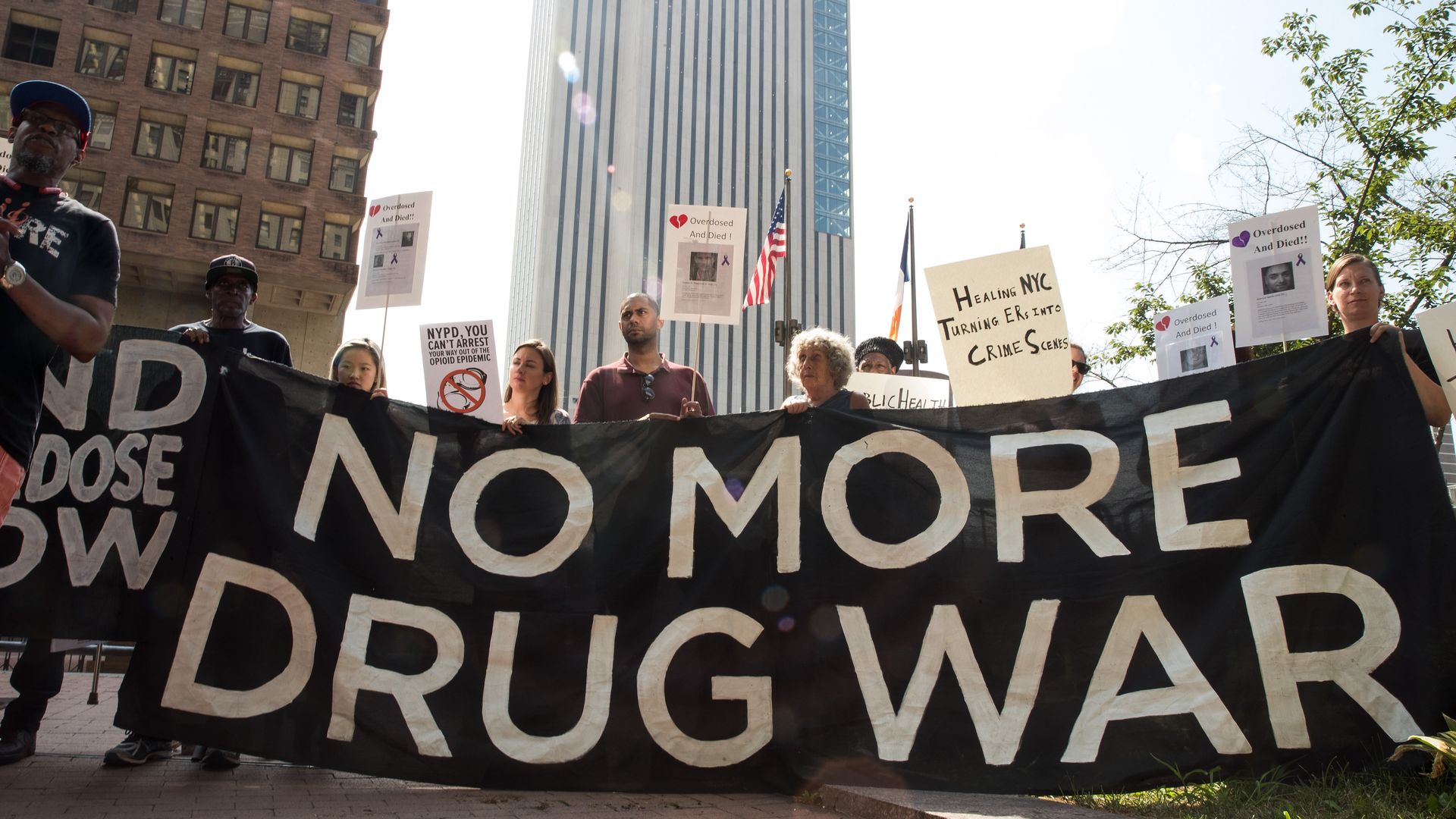
States can do a lot to improve treatment for opioid addiction, especially through their Medicaid programs, former HHS official Emma Sandoe writes in Health Affairs.
The big picture: Medicaid pays for more addiction treatment than private insurance, making it an important part of any solution to the opioid crisis.
Dialysis chain DaVita this week agreed to pay $270 million to settle allegations that physicians in its medical group fudged how sick their patients were so they could get paid more from Medicare Advantage plans — which in turn got higher payments from the federal government.
Why it matters: DaVita's settlement eliminates a three-year-old probe. But the entire Medicare Advantage industry — estimated to cost the federal government $250 billion in 2019 — remains under the microscope for gaming the payment system.