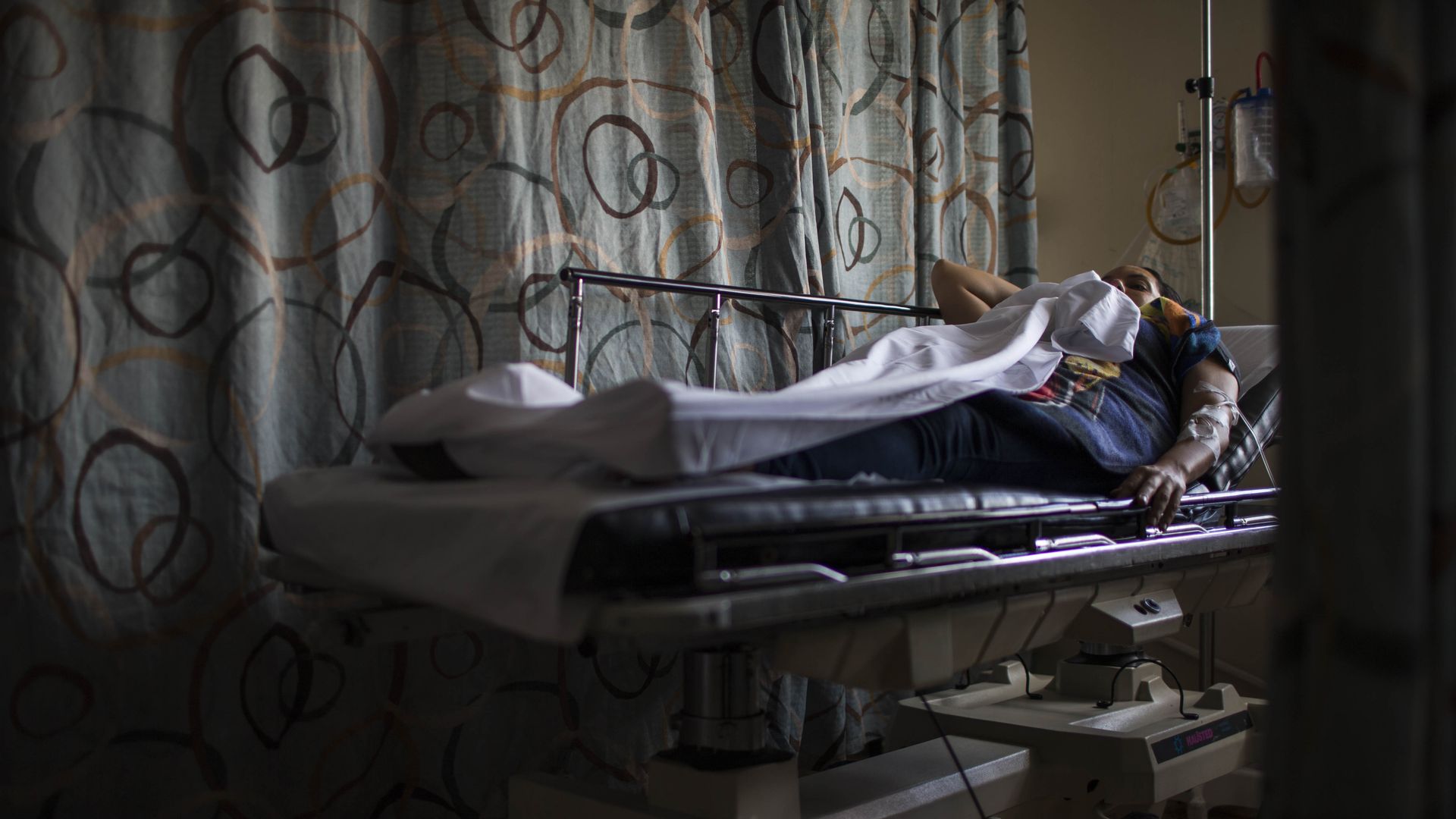
Envision Healthcare, a physician staffing firm that has been at the center of controversial emergency room bills, launched its own campaign Wednesday that blames health insurance companies for the rise of out-of-network surprise billing.
The bottom line: This has turned into a contentious, public battle between Envision and UnitedHealthcare, which is threatening to eliminate all Envision doctors from its networks next year. Experts say Envision's stances deflect from the underlying issues, and its proposals to end surprise billing would give doctors the upper hand to charge higher prices.
More than a third of Americans eat fast food on any given day, according to new CDC findings.
Adapted from NCHS; Note: Lower family income is less than 130% of the federal poverty level, middle is between 130–350%, and higher is greater than 350%; Chart: Andrew Witherspoon/Axios
The big picture: The vast majority of fast food is bad for you. Eating too much unhealthy food can contribute to obesity and associated conditions like diabetes and heart disease. Although conventional wisdom holds that fast food is especially popular in low-income areas where grocery stores are sparse, the CDC found that fast food consumption goes up as income goes up.
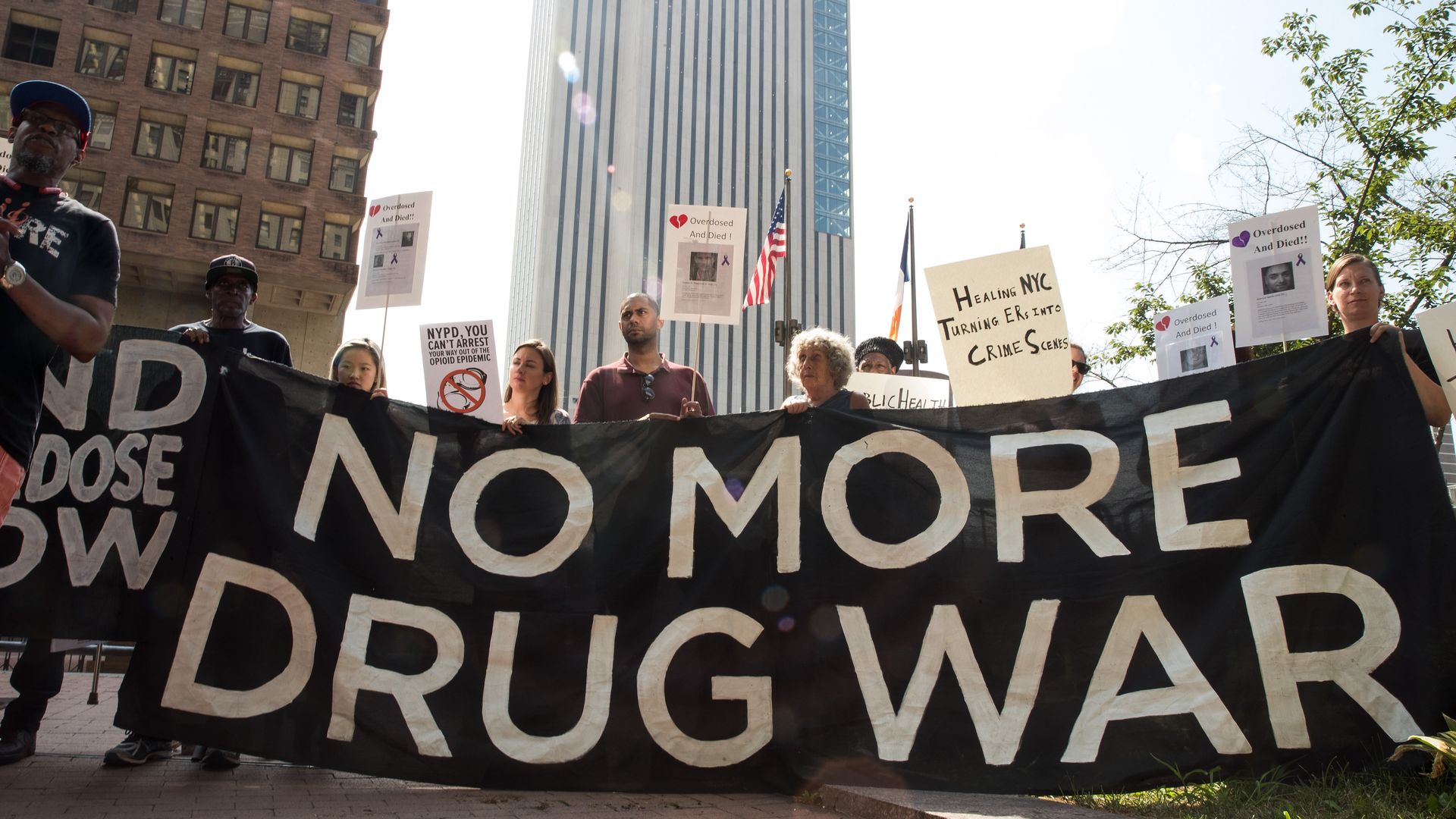
States can do a lot to improve treatment for opioid addiction, especially through their Medicaid programs, former HHS official Emma Sandoe writes in Health Affairs.
The big picture: Medicaid pays for more addiction treatment than private insurance, making it an important part of any solution to the opioid crisis.
Dialysis chain DaVita this week agreed to pay $270 million to settle allegations that physicians in its medical group fudged how sick their patients were so they could get paid more from Medicare Advantage plans — which in turn got higher payments from the federal government.
Why it matters: DaVita's settlement eliminates a three-year-old probe. But the entire Medicare Advantage industry — estimated to cost the federal government $250 billion in 2019 — remains under the microscope for gaming the payment system.
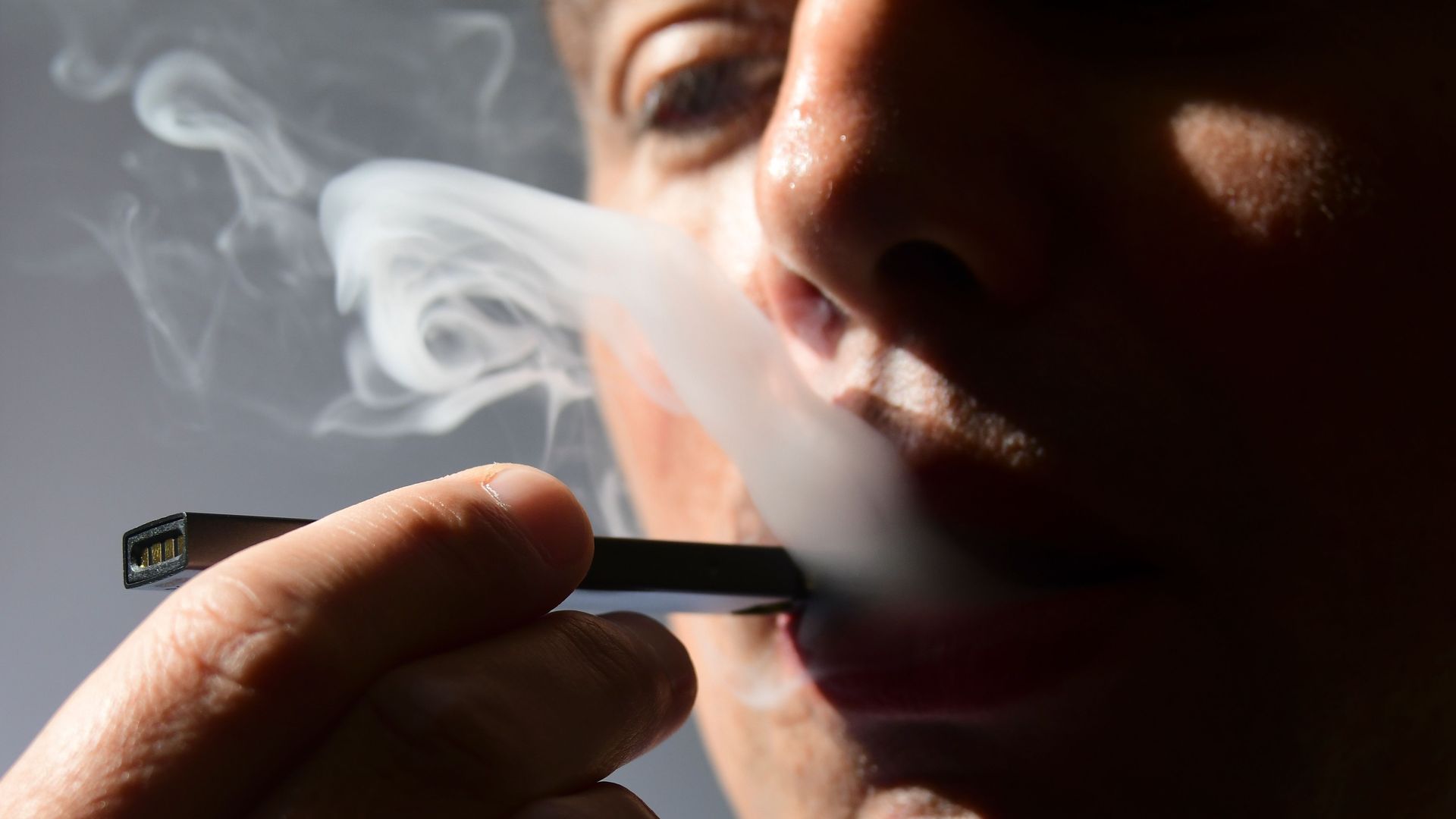
The Food and Drug Administration seized thousands of pages of documents last week during an inspection of the San Fransisco headquarters of e-cigarette maker Juul, the agency said Tuesday.
The big picture: The FDA is taking a look at the marketing practices of the company, as it is concerned about the uptick in vaping among younger generations. Last month, the agency specifically called on Juul and four other e-cigarette makers to present plans that prove their products can be kept away from teenagers. The companies were given 60 days before the FDA said it would take further action, including the possible ban of flavored products.
The Trump administration has been touting the fact that Affordable Care Act coverage is on track for relatively modest premium increases next year in much of the country. But a new paper published in Health Affairs offers a reminder that Trump has not been a friend to the ACA’s exchanges.
By the numbers: In 2016, 93% of the country lived in a county where they'd have at least three insurers to choose from, if they wanted to buy coverage through the exchanges. This year, that's down to 60% of the population.