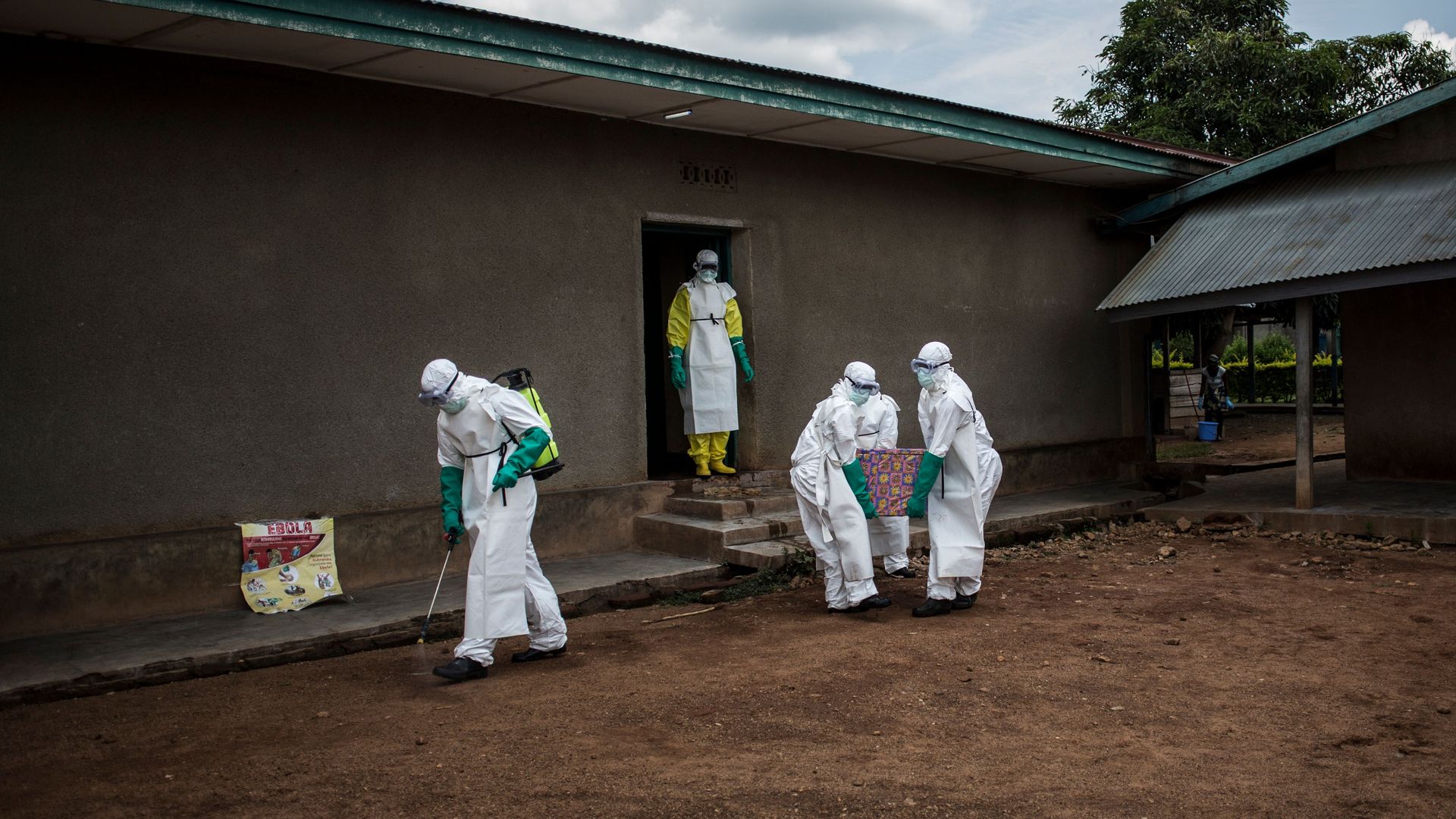
The U.S. Agency for International Development announced Monday that it has sent a disaster assistance response team (DART) to the Democratic Republic of the Congo to help contain the outbreak of the deadly Ebola virus.
Why it matters: While USAID and the Health and Human Services Department initially sent staff to the area during the Ebola outbreak in early August, this is the first deployment of an elite DART team, which indicates increased concern from U.S. officials.
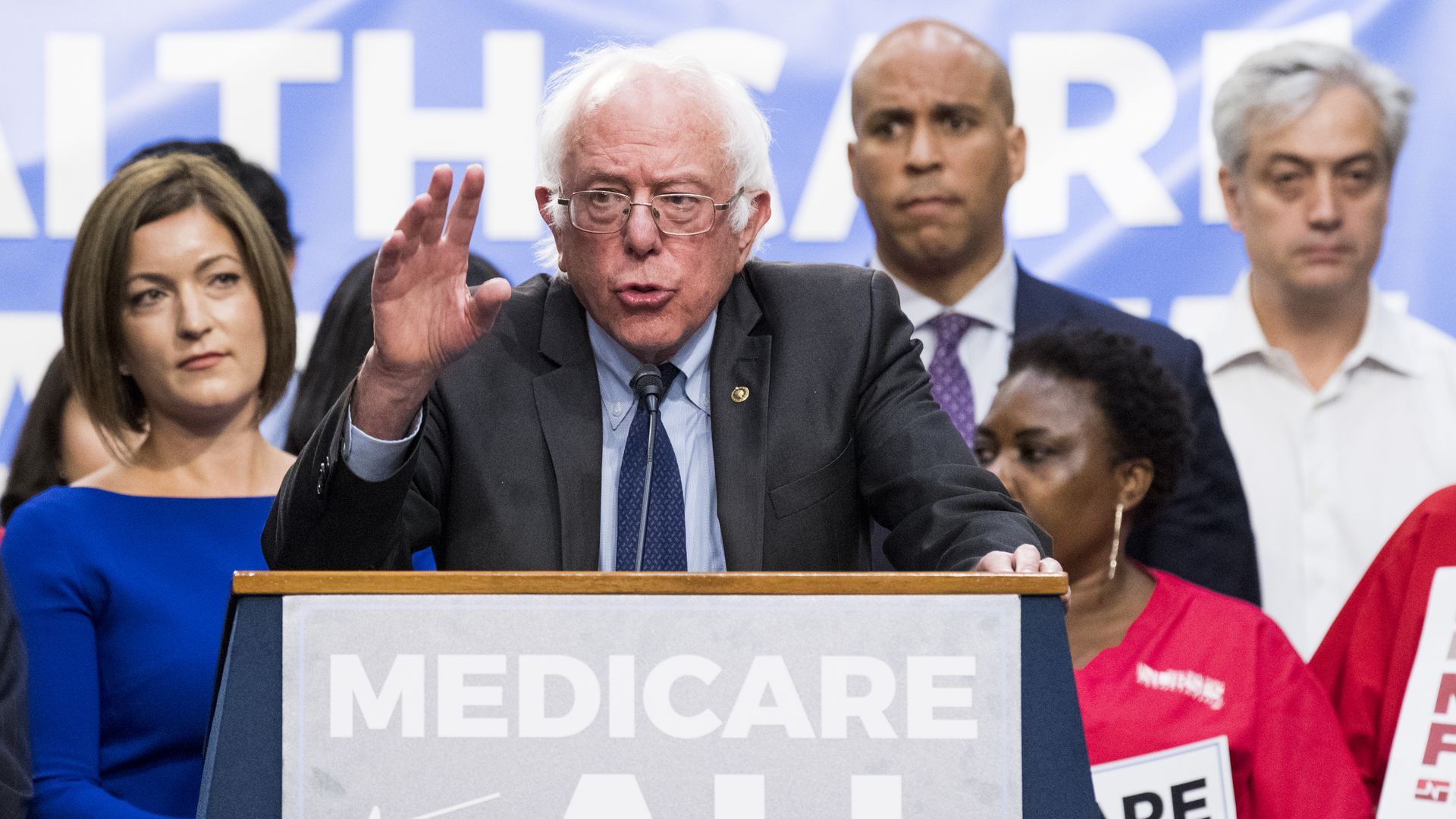
Democrats are increasingly embracing "Medicare for All." Thing is, though, they don't necessarily agree about what that means.
Why it matters: Democrats haven't had to reconcile these competing visions ahead of the midterm elections, when the sheer number of candidates running for different offices has allowed everyone to stick to their own definition of a broadly popular term.
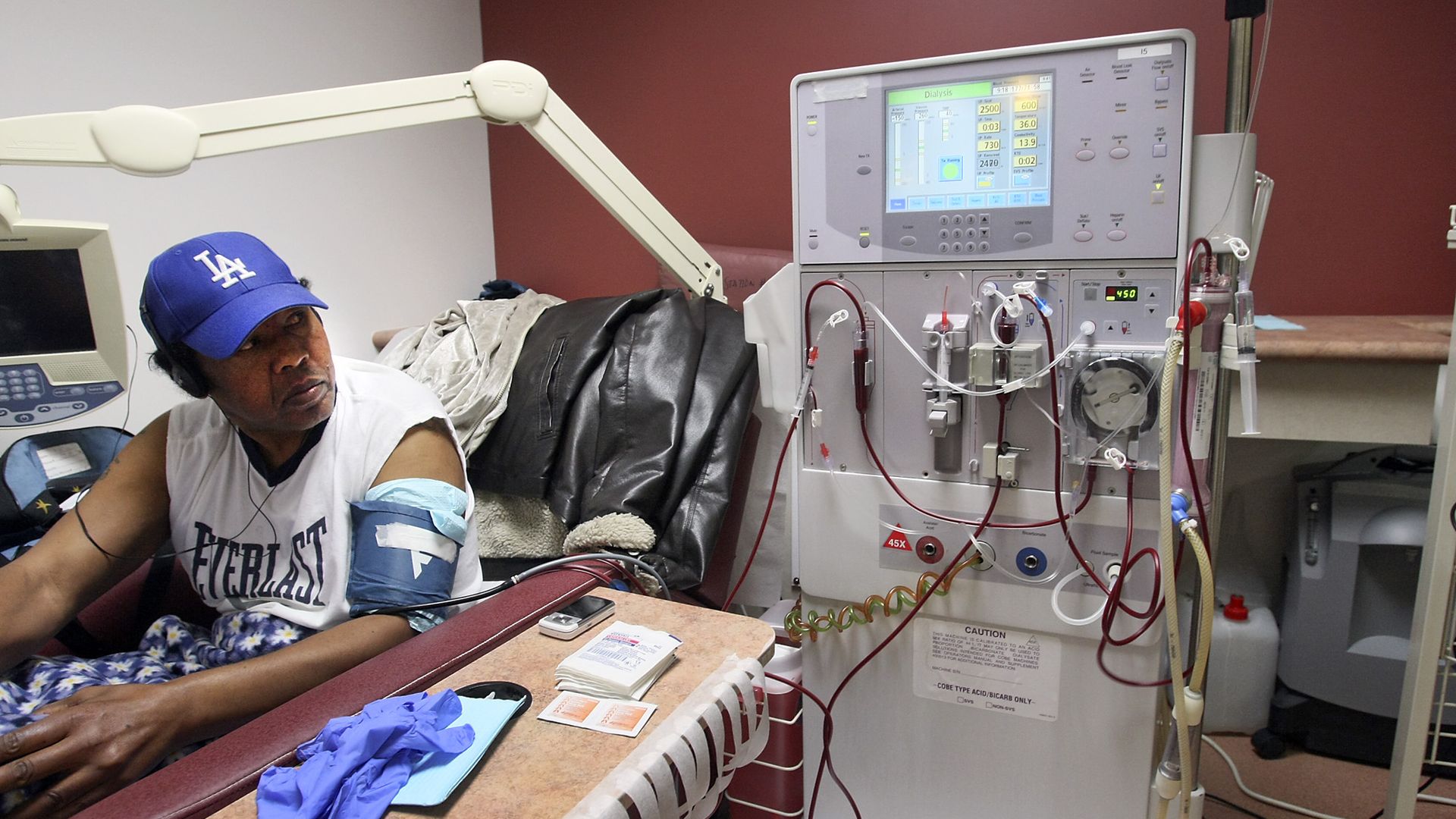
California Gov. Jerry Brown vetoed a bill late Sunday that would have, among other things, capped payments at lower Medicare rates for dialysis facilities that have financial ties to charities that subsidize patients' commercial insurance.
Why it matters: It's a huge win for dialysis companies like DaVita, and for and charities linked to the dialysis industry — like the American Kidney Fund, which lobbied heavily against the bill. Now the industry will look to defeat a midterm ballot measure that would place a much more restrictive cap on dialysis clinics' profits.
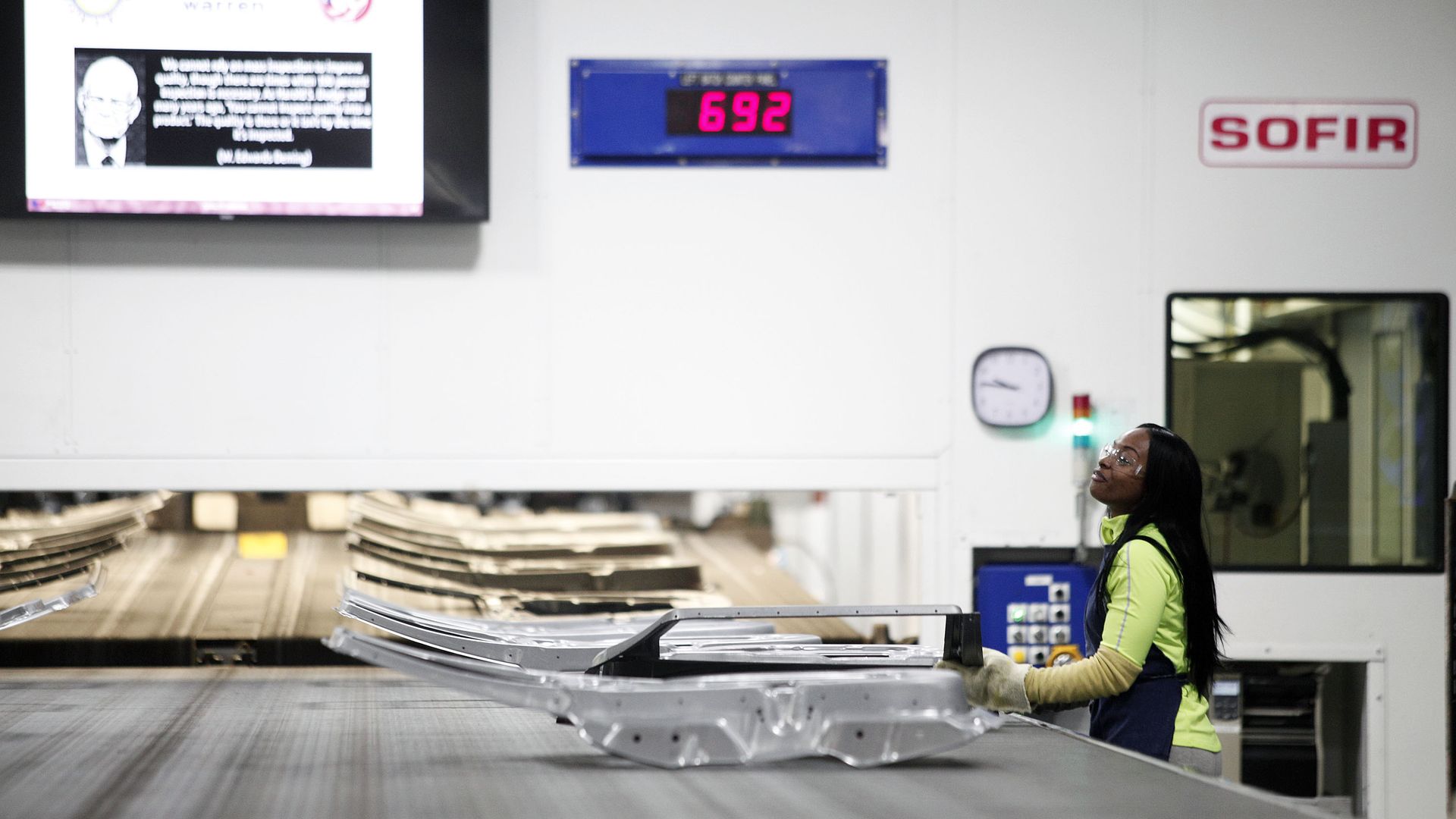
The conventional wisdom is that corporate America has a renewed, almost crisis-level concern about rising health costs. But, in a puzzle I am struggling to solve, the data don’t suggest a basis for a new level of urgency about health costs in corporate America.
Why it matters: In fact, just the opposite is true. There's just not that much change — so any solution that's designed for a crisis will probably miss the mark or could unnecessarily harm workers.
Some companies are starting to get more hands-on with their employees' primary care by footing the bill — or most of it — for their doctors' visits, the Associated Press reports.
The big picture: From their point of view, ensuring quality care for their employees "can improve employee health and cut even bigger bills in the future that stem from unmanaged chronic conditions," per the AP. Fiat Chrysler, for example, opened its own clinic in Indiana near one of its factories. Spokeswoman Val Oehmke said that they expect to make back what it cost to build the cliic in around two years "by improving employee health and cutting medical costs."