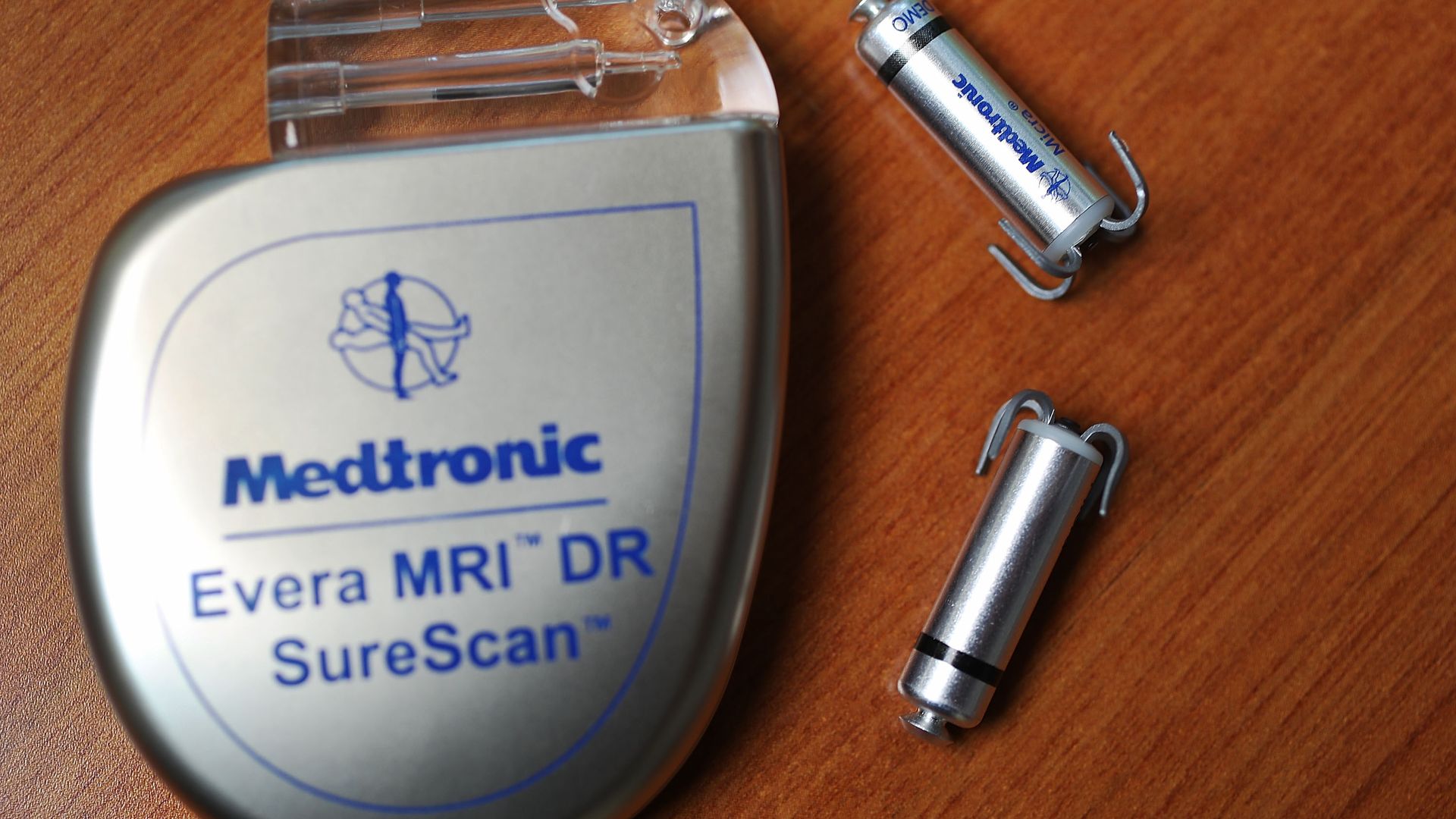
The prices of hospital procedures, doctor visits and prescriptions are a lot higher in the U.S. than other high-income countries, and a new Health Affairs study shows that holds true for medical devices, too.
By the numbers: Roughly 6% of U.S. health care spending goes toward medical devices, or about $200 billion annually.
One reason surprise medical bills are going up: Coverage for out-of-network care is going down, according to the Robert Wood Johnson Foundation.
Why it matters: The burgeoning controversy over surprise hospital bills stems partly (though not exclusively) from the bills patients receive when they’re treated by an out-of-network provider — even without their knowledge, often within an in-network facility.
Public health officials say that polling using text messages, social media platforms and other digital tools can be key in both tracking the health care behavior of people and disseminating lifesaving information during emergency situations.
Why it matters: During public health emergencies — such as the current Ebola outbreak in the Democratic Republic of the Congo — it's difficult for public health officials to monitor people's health care behavior. Digital polls and social media monitoring can complement physical tracking in a way that could save time, money and offer more safety to health care workers, according to New York University's Rumi Chunara.
Why it matters: Raffel is known to have high-level relationships at major print publications and the TV networks, and was the go-to communications official in the White House in moments of crisis, per Axios' Jonathan Swan. He joins Juul as the company attempts to navigate a federal investigation into youth vaping.
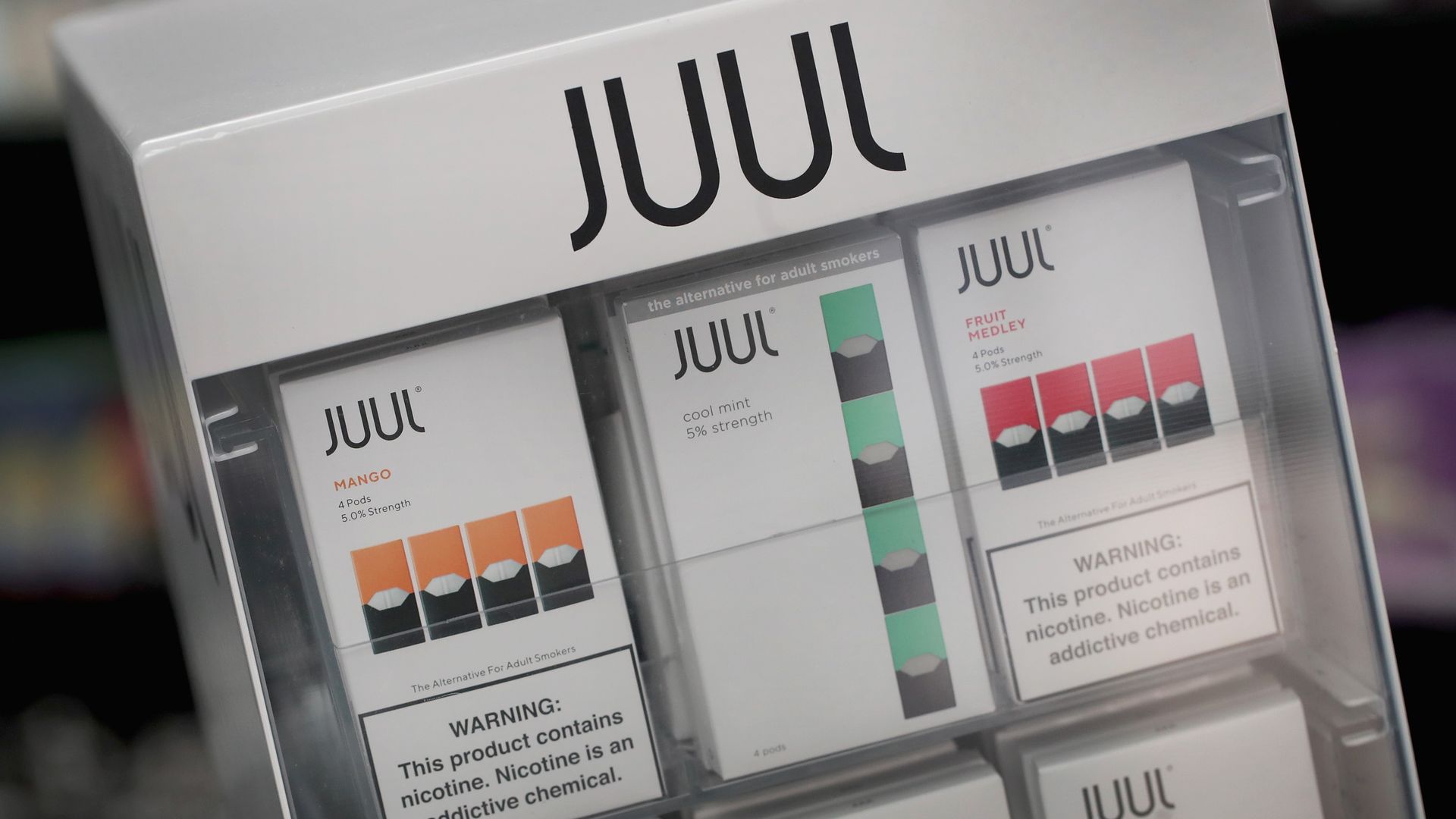
Juul Labs named 18 electronic cigarette manufacturers and organizations in a new International Trade Commission complaint filed Thursday, saying they are infringing on its patents, TechCrunch reports.
The big picture: The organizations named in Juul's complaint are mostly operating from China and the U.S. and sell copycat products with "little or no real age-verification processes." The suit comes as Juul, which has defended its efforts to keep its products out of the hands of teens, is under the federal government's microscope for its impact on minors.
Every year, health care takes a little bigger bite out of workers' bottom lines. Slowly but surely, it has eaten up all of the average workers' wage increases — and then some.
The big picture: Overall, the cost of employer-based health benefits is growing pretty modestly from year to year, according to the Kaiser Family Foundation's annual review of those plans. But over the past 10 years, employees have ended up covering more of their own health care bills out of pocket— especially through deductibles. Those costs are rising faster than inflation and faster than wages.
Recent violence in the areas where the deadly Ebola virus is centered in the Democratic Republic of the Congo has triggered stronger moves by the U.S. and international organizations to prevent the virusfrom spreading to other countries.
Why it matters: Violence has pushed public health measures against Ebola into sporadic stoppages — effectively allowing the infectious disease to take foothold again. Fighting against Ebola requires constant tracking of every person who's been in contact with an infected person, as well as a vaccination and treatment regime and education on hygiene.