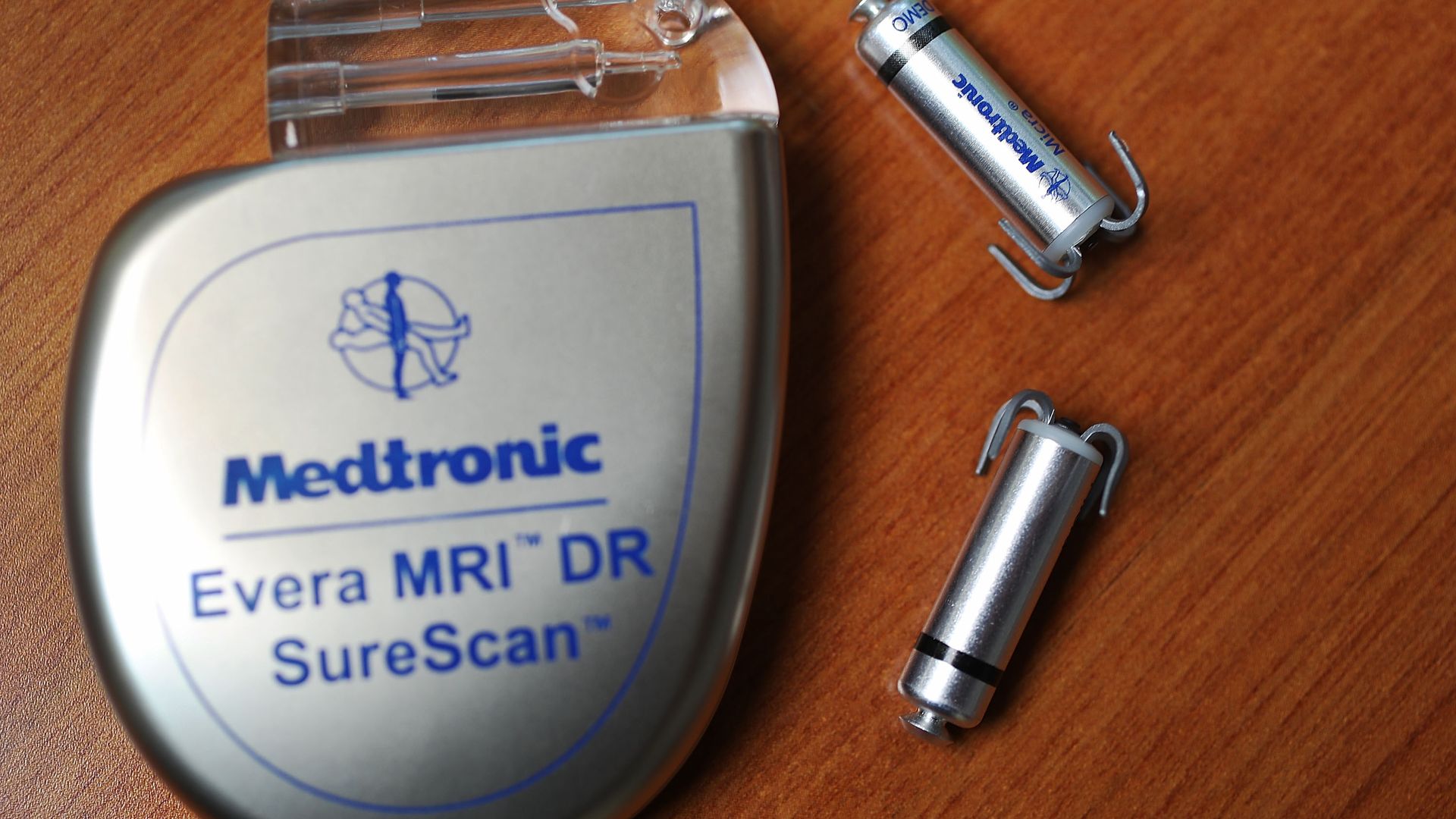
The prices of hospital procedures, doctor visits and prescriptions are a lot higher in the U.S. than other high-income countries, and a new Health Affairs study shows that holds true for medical devices, too.
By the numbers: Roughly 6% of U.S. health care spending goes toward medical devices, or about $200 billion annually.
One reason surprise medical bills are going up: Coverage for out-of-network care is going down, according to the Robert Wood Johnson Foundation.
Why it matters: The burgeoning controversy over surprise hospital bills stems partly (though not exclusively) from the bills patients receive when they’re treated by an out-of-network provider — even without their knowledge, often within an in-network facility.