NICE, the governmental group in the United Kingdom that evaluates the value of drugs and treatments, has recommended against the use of a new $371,000 cancer therapy made by Novartis. It said the drug is "too expensive" for the population it would treat and that Novartis' "confidential discount" was not steep enough.
Why it matters: NICE's recommendation comes about a month after it said a similar treatment, known as CAR-T and made by Gilead Sciences, also is too pricey. An independent U.S. body said this year the two therapies were mostly cost-effective, but their high price tags still worry clinicians and policymakers.
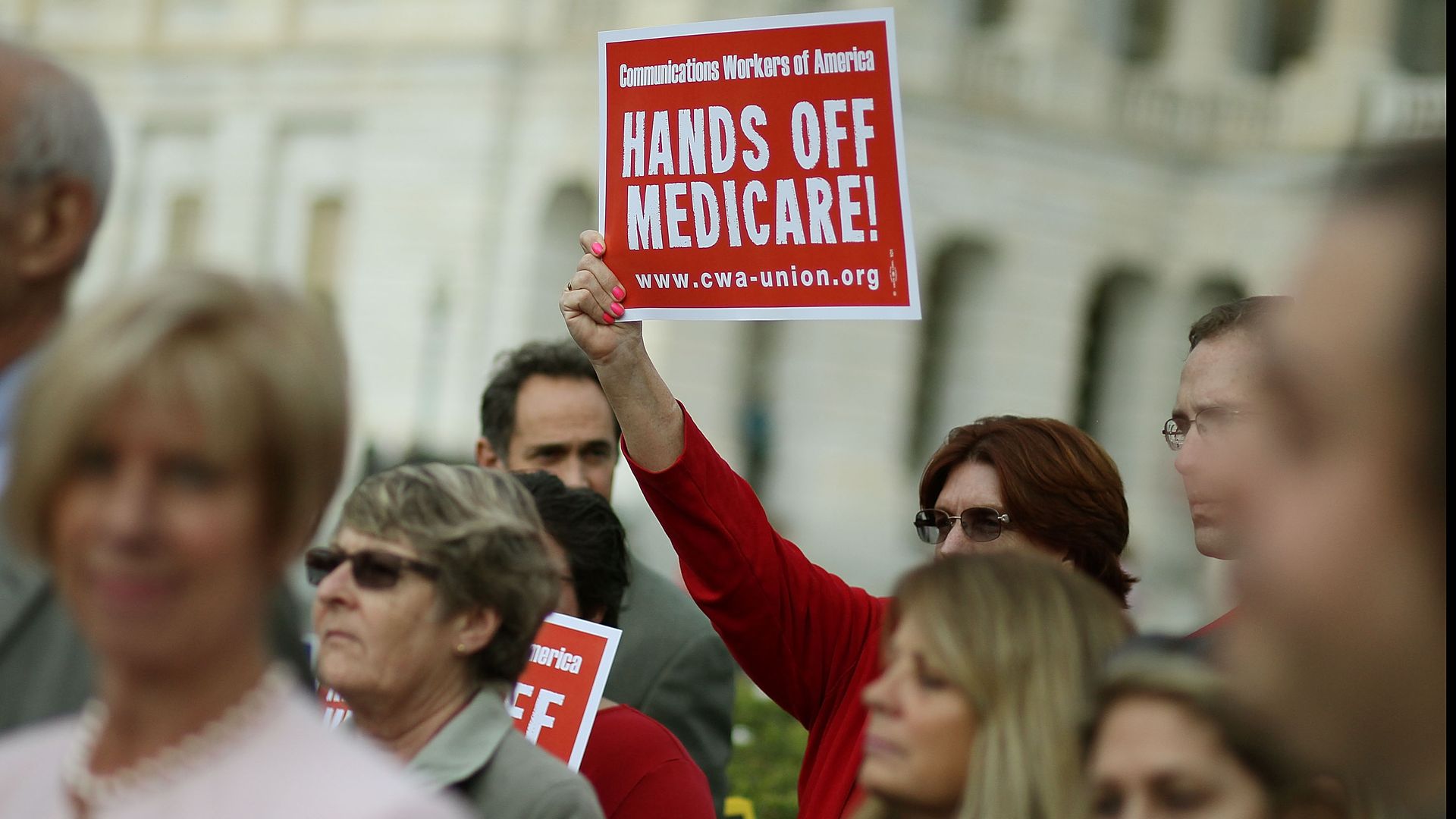
Republicans are escalating attacks on Democrats' "Medicare for All plans" — even against Democrats who don't actually support it, WaPo's Dave Weigel reports. The most ambitious forms of "Medicare for All" would be expensive, but there's not much hard evidence for Republicans' claims that they would erode the existing program.
The other side: Democrats have been trying to make this election about health care, namely Republicans' approach to pre-existing conditions protections, and are happy to keep the focus on health care despite their internal divisions over "Medicare for All."
New payment startup Ooda Health has raised $40.5 million on the premise that its technology will make sure patients never get another bill from a hospital or doctor.
Why it matters: Ooda Health not only has big-name venture capitalists on board (Oak HC/FT and DFJ led the funding round), but also has large health insurers and providers as investors. However, while the company attempts to cut administrative waste, it won't address the health care system's underlying pricing and spending habits.
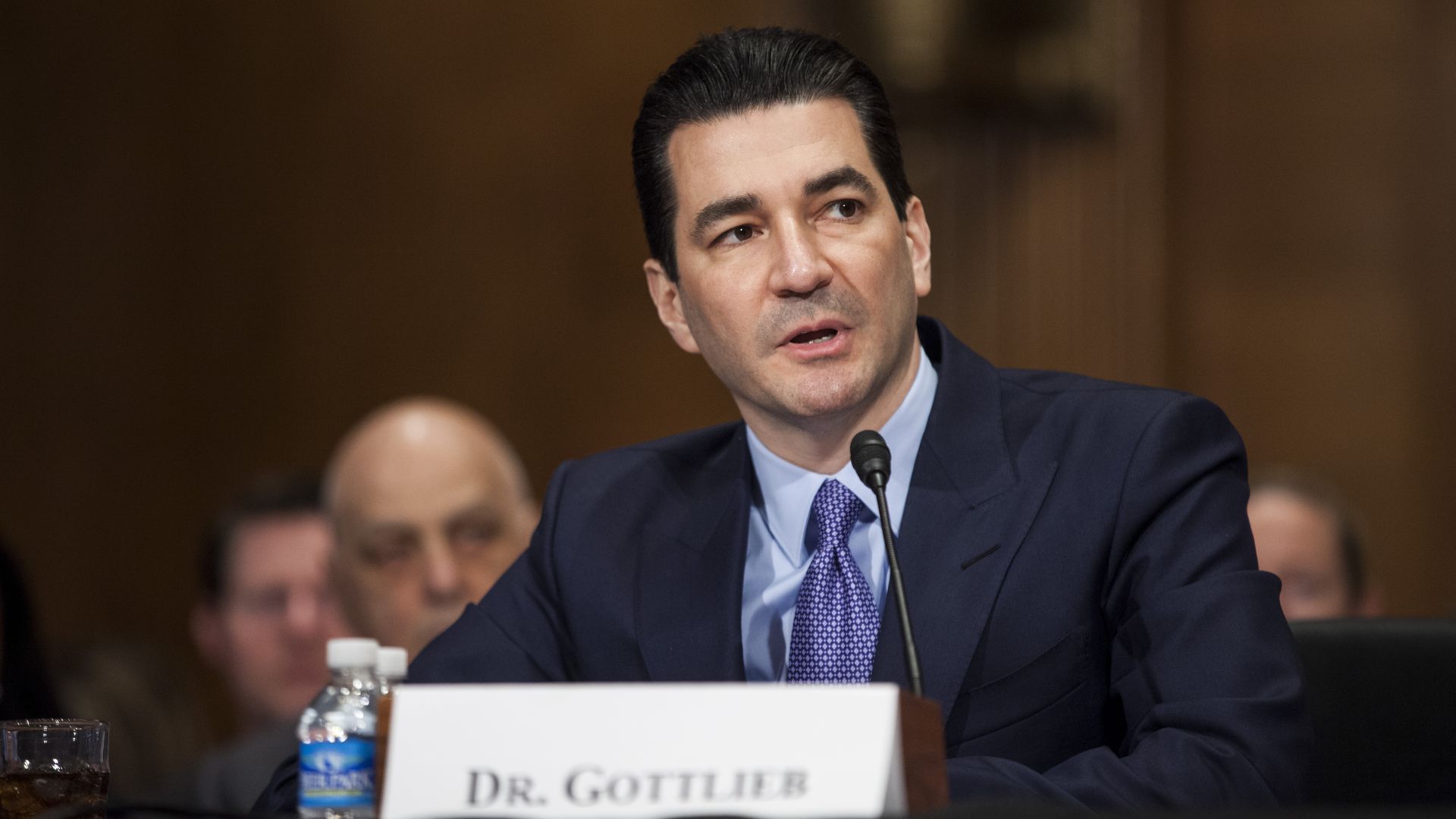
The Food and Drug Administration announced Tuesday the launch of a nationwide e-cigarette education campaign to combat the "evidence of sharply rising use among kids."
The big picture: "The Real Cost" Youth E-Cigarette Prevention Campaign is a continuation of the agency's Youth Tobacco Prevention Plan as it aims to educate teens about the dangers of e-cigarettes. The FDA is still in the process of investigating whether certain e-cigarette products from Juul and other companies are being unlawfully marketed.
A group of U.S. senators, led by Republican Bill Cassidy of Louisiana, is working on a draft bill that would prohibit out-of-network hospitals and doctors from "balance billing" patients and would force health insurers to pay providers a negotiated amount, The Hill reports.
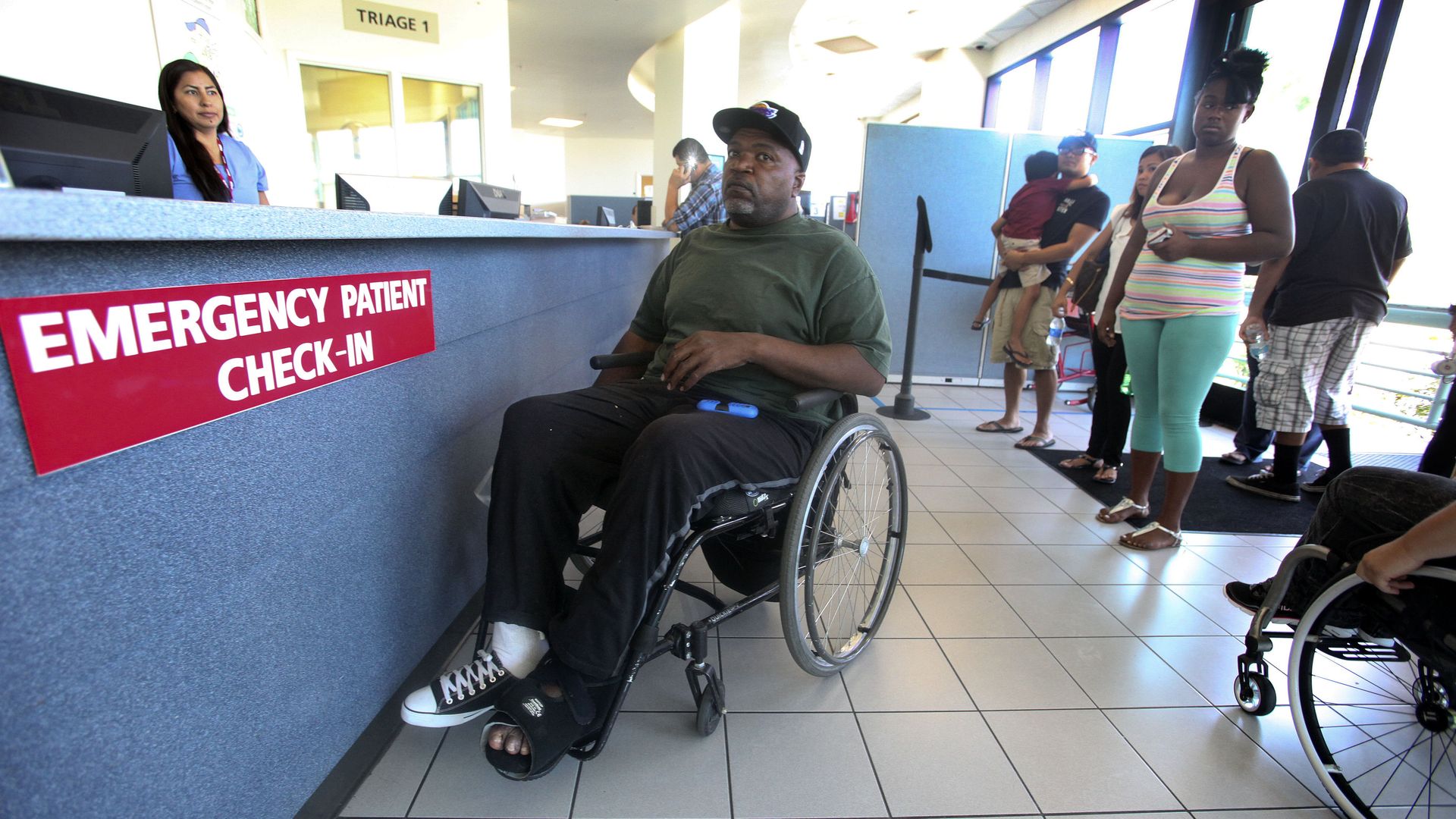
The big picture: The bill wouldn't be introduced until next year, but it shows legislators are getting an earful from constituents who are getting slammed by unexpected medical bills.
Democrats are serious about making health care the centerpiece of their midterm election strategy. Every day brings new ads, press statements and other election-season positioning — from moderates and progressives alike — that slams Republicans over threats to the Affordable Care Act.
Why it matters: Democrats’ health care strategy is well-established, so every new example of it isn’t newsworthy. But it’s still worth stepping back to appreciate just how quickly Democrats have gone back on offense on health care, after so many years of seeing mainly Republican ads about the issue.
The Senate's opioids bill, which passed last night 99-1, will now have to be reconciled with the House's bill.
What to watch: The House and Senate will need to hammer out a couple of potentially contentious policy issues. The House version also came with a higher price tag than the Senate's, and was paid for with controversial policies that would cost insurers.