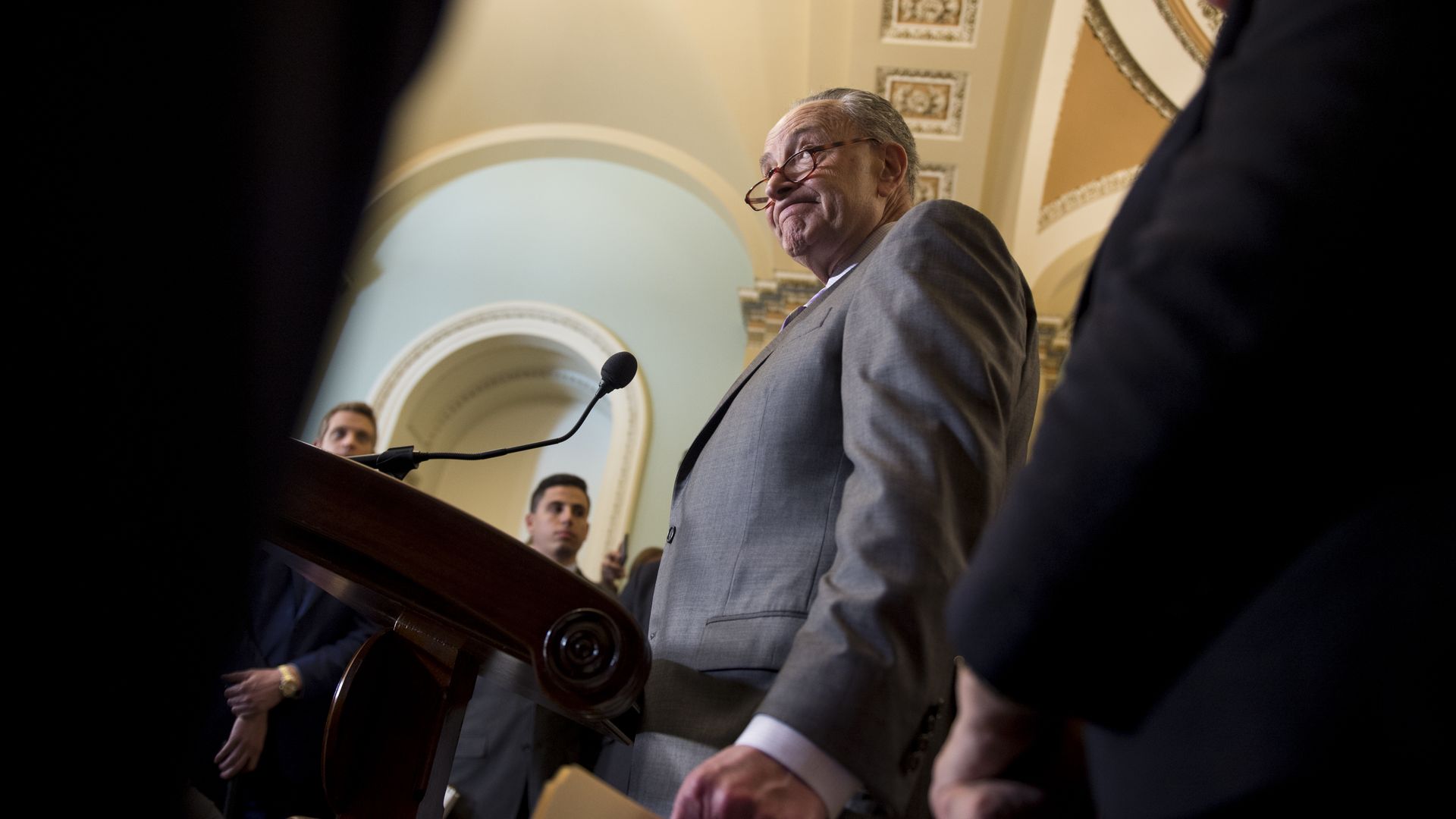
A group of U.S. senators, led by Republican Bill Cassidy of Louisiana, is working on a draft bill that would prohibit out-of-network hospitals and doctors from "balance billing" patients and would force health insurers to pay providers a negotiated amount, The Hill reports.
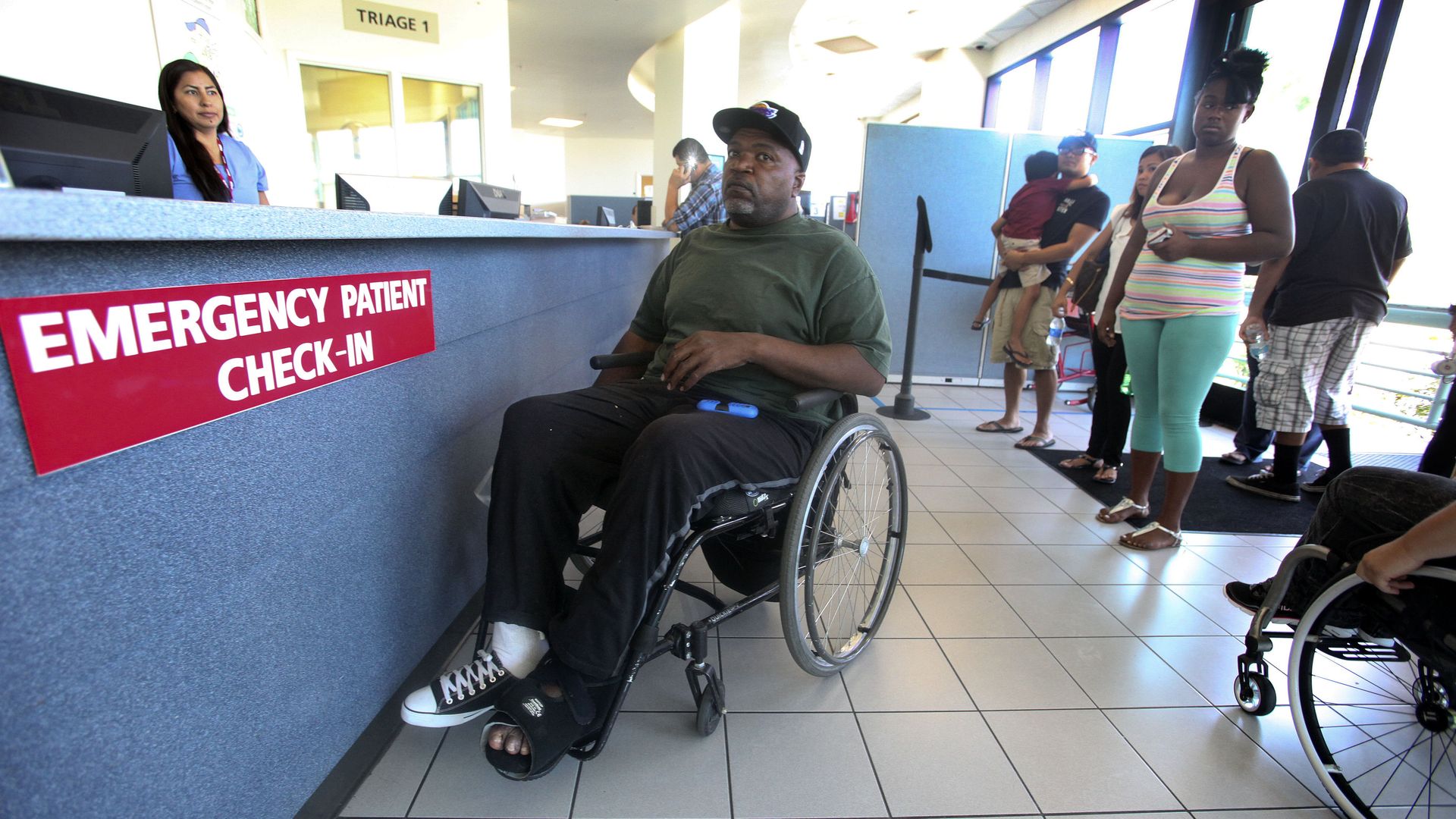
The big picture: The bill wouldn't be introduced until next year, but it shows legislators are getting an earful from constituents who are getting slammed by unexpected medical bills.
Democrats are serious about making health care the centerpiece of their midterm election strategy. Every day brings new ads, press statements and other election-season positioning — from moderates and progressives alike — that slams Republicans over threats to the Affordable Care Act.
Why it matters: Democrats’ health care strategy is well-established, so every new example of it isn’t newsworthy. But it’s still worth stepping back to appreciate just how quickly Democrats have gone back on offense on health care, after so many years of seeing mainly Republican ads about the issue.
The Senate's opioids bill, which passed last night 99-1, will now have to be reconciled with the House's bill.
What to watch: The House and Senate will need to hammer out a couple of potentially contentious policy issues. The House version also came with a higher price tag than the Senate's, and was paid for with controversial policies that would cost insurers.
In a survey of 600 executives from hospitals and doctors’ practices, 60% said single-payer would have a “positive” effect on the industry’s efforts to lower costs and provide better care, according to NEJM Catalyst, an offshoot of the New England Journal of Medicine.
The big picture: Price regulation would lower health care costs. But providers historically haven't considered that a good thing. And, in the same survey, 3 out of 4 respondents said the entities paying for care (health insurers and employers) and the entities providing that care (hospitals, doctors and others) are not on the same page when it comes to improving the system overall.
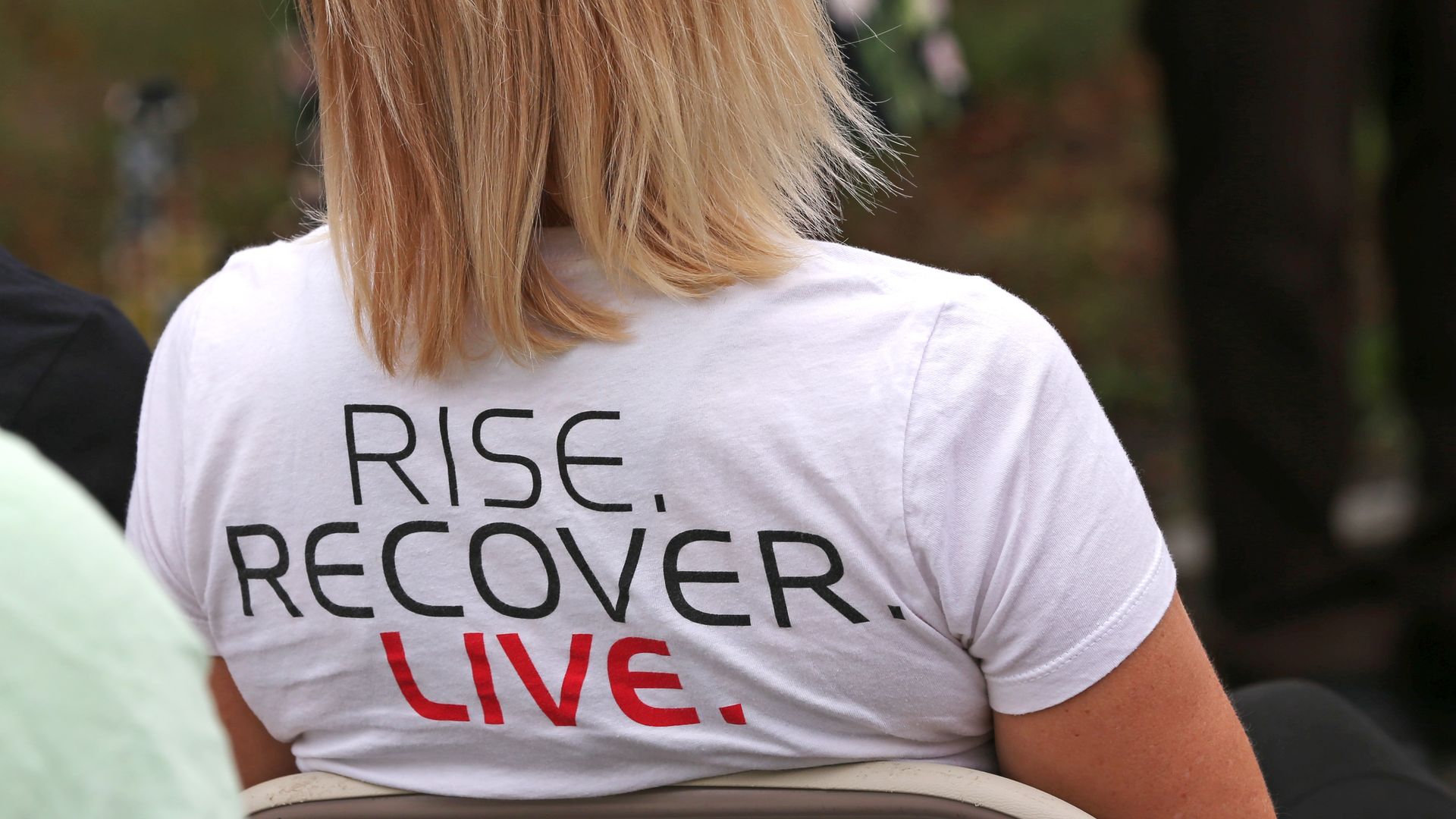
Public health experts agree that if the U.S. is going to get the mounting opioid crisis under control, it will need to do a much better job providing addiction treatment. And they have three over-arching ideas for how to do that — some of which Congress and the Trump administration are working on, but some of which still need more attention.
Why it matters: Overdose deaths continue to climb, yet the number of people suffering from opioid use disorder who receive treatment is still low — it was less than 30% in 2016, according to the Kaiser Family Foundation.
A source who has seen recent polling, conducted by the Republican National Committee, told me the data show that a majority of Trump voters don't believe the mountain of evidence that Democrats will win back the House in November.
By the numbers: 57% of strong Trump supporters believe it's unlikely Democrats win the House, according to the source, who wasn't authorized to share findings from the RNC poll with the media. (The survey of 800 registered voters — 480 via landline calls and 320 via cellphone calls — was conducted from Aug. 29 to Sept. 2 and has a margin of error of 3.5%.)