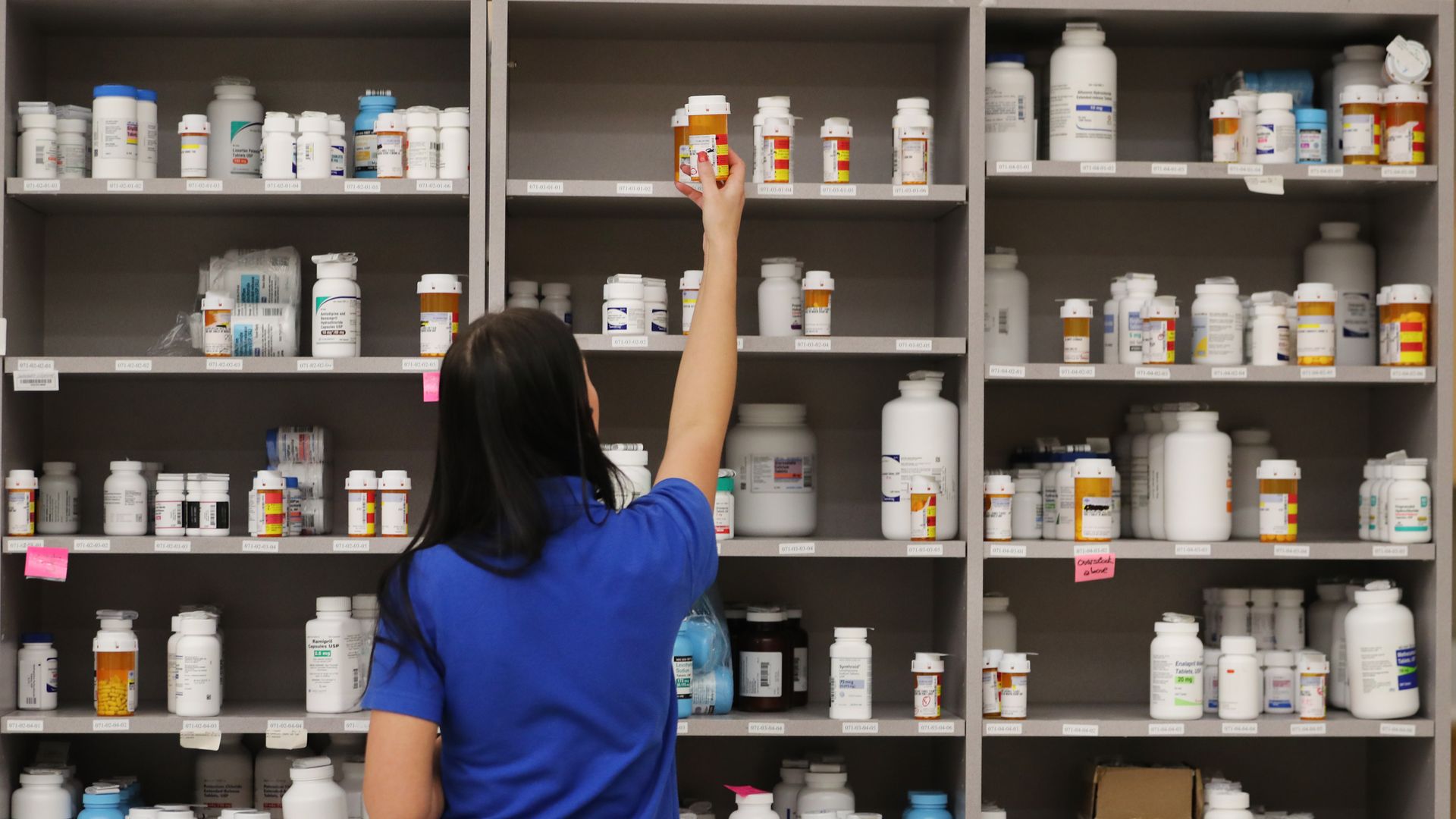
Deaths in America from drug overdoses have been growing exponentially for years — with an almost eerily consistent growth rate of about 9% per year for the past 38 years, despite the different types of drug epidemics and user demographics, scientists report in a new study published Thursday in Science.
The details: An investigation concluded that 17 illnesses and one death between July 5 and July 25 were linked to the raw ground beef that was made from the chuck portion of the carcass. According to the USDA, most people who are infected experience diarrhea and vomiting but recover within a week.
The Pharmaceutical Care Management Association, the top trade group representing pharmacy benefit managers, has tapped medical device industry lobbyist JC Scott as its new CEO. He will take over for outgoing CEO Mark Merritt next month.
Why it matters: Scott, who has close ties to Republican leaders, will be leading PCMA at a time when the largest PBMs are fusing together with health insurers and are enduring heavy criticism for their role in the nation's problem of high drug prices.
A lot has changed in the past decade — a recession, a recovery, the passage and implementation of a landmark health care law. But some things you can always count on — like health care spending continuing to climb steadily higher every year.
The big picture: Per-person health care spending rose by 44%, or about 4% per year, from 2007 to 2016, according to new research published in Health Affairs.
NICE, the governmental group in the United Kingdom that evaluates the value of drugs and treatments, has recommended against the use of a new $371,000 cancer therapy made by Novartis. It said the drug is "too expensive" for the population it would treat and that Novartis' "confidential discount" was not steep enough.
Why it matters: NICE's recommendation comes about a month after it said a similar treatment, known as CAR-T and made by Gilead Sciences, also is too pricey. An independent U.S. body said this year the two therapies were mostly cost-effective, but their high price tags still worry clinicians and policymakers.
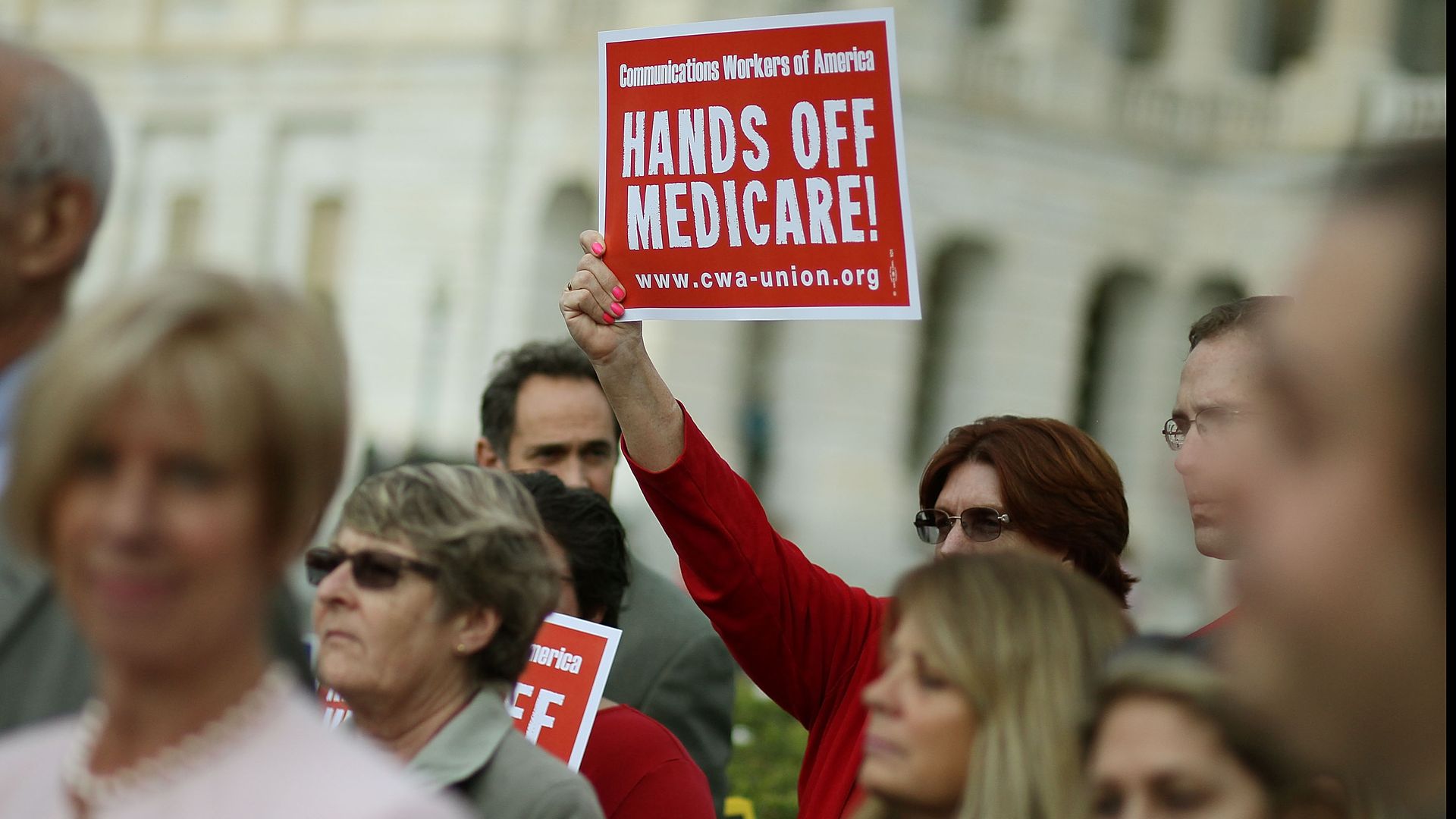
Republicans are escalating attacks on Democrats' "Medicare for All plans" — even against Democrats who don't actually support it, WaPo's Dave Weigel reports. The most ambitious forms of "Medicare for All" would be expensive, but there's not much hard evidence for Republicans' claims that they would erode the existing program.
The other side: Democrats have been trying to make this election about health care, namely Republicans' approach to pre-existing conditions protections, and are happy to keep the focus on health care despite their internal divisions over "Medicare for All."
New payment startup Ooda Health has raised $40.5 million on the premise that its technology will make sure patients never get another bill from a hospital or doctor.
Why it matters: Ooda Health not only has big-name venture capitalists on board (Oak HC/FT and DFJ led the funding round), but also has large health insurers and providers as investors. However, while the company attempts to cut administrative waste, it won't address the health care system's underlying pricing and spending habits.
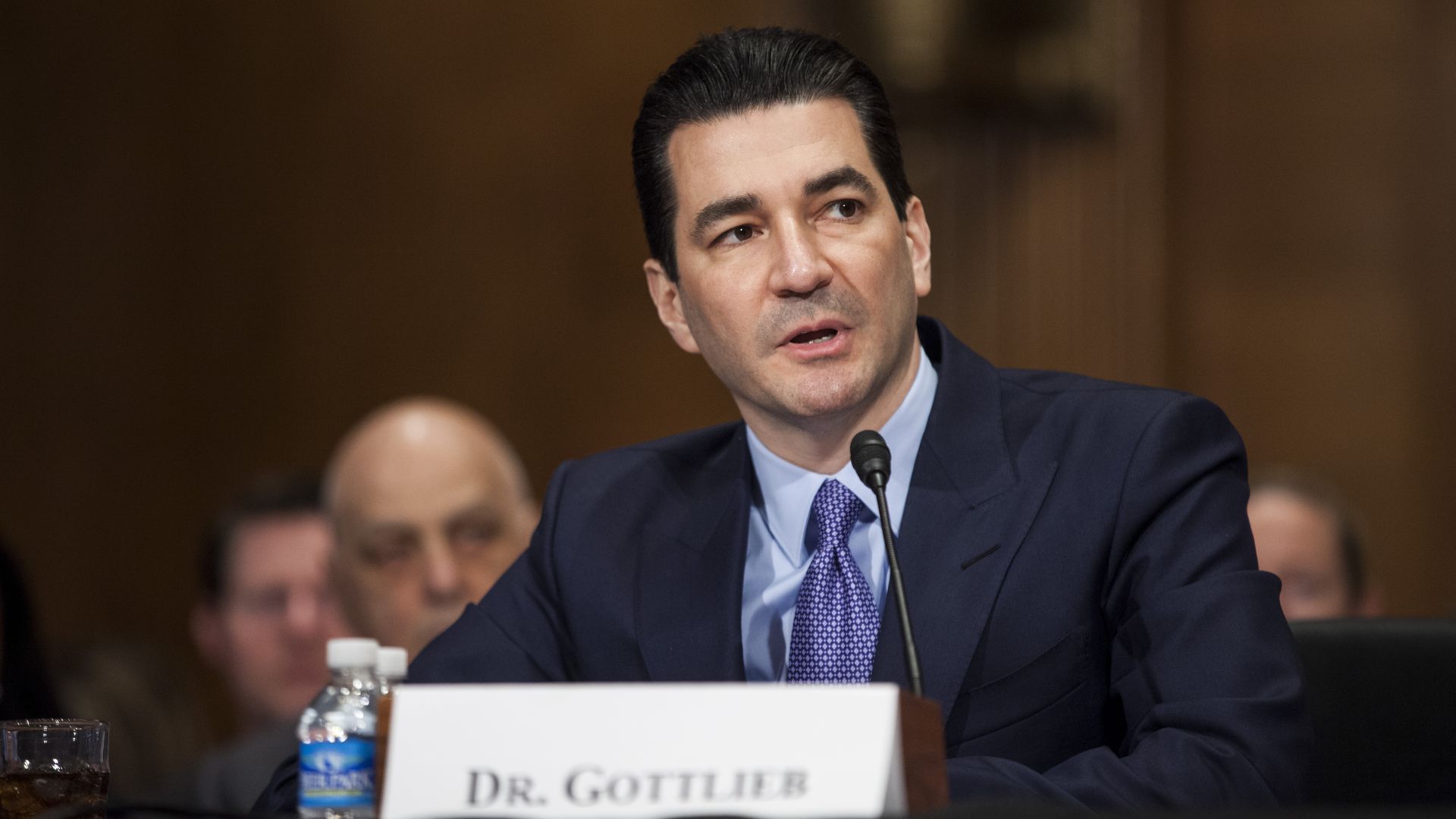
The Food and Drug Administration announced Tuesday the launch of a nationwide e-cigarette education campaign to combat the "evidence of sharply rising use among kids."
The big picture: "The Real Cost" Youth E-Cigarette Prevention Campaign is a continuation of the agency's Youth Tobacco Prevention Plan as it aims to educate teens about the dangers of e-cigarettes. The FDA is still in the process of investigating whether certain e-cigarette products from Juul and other companies are being unlawfully marketed.