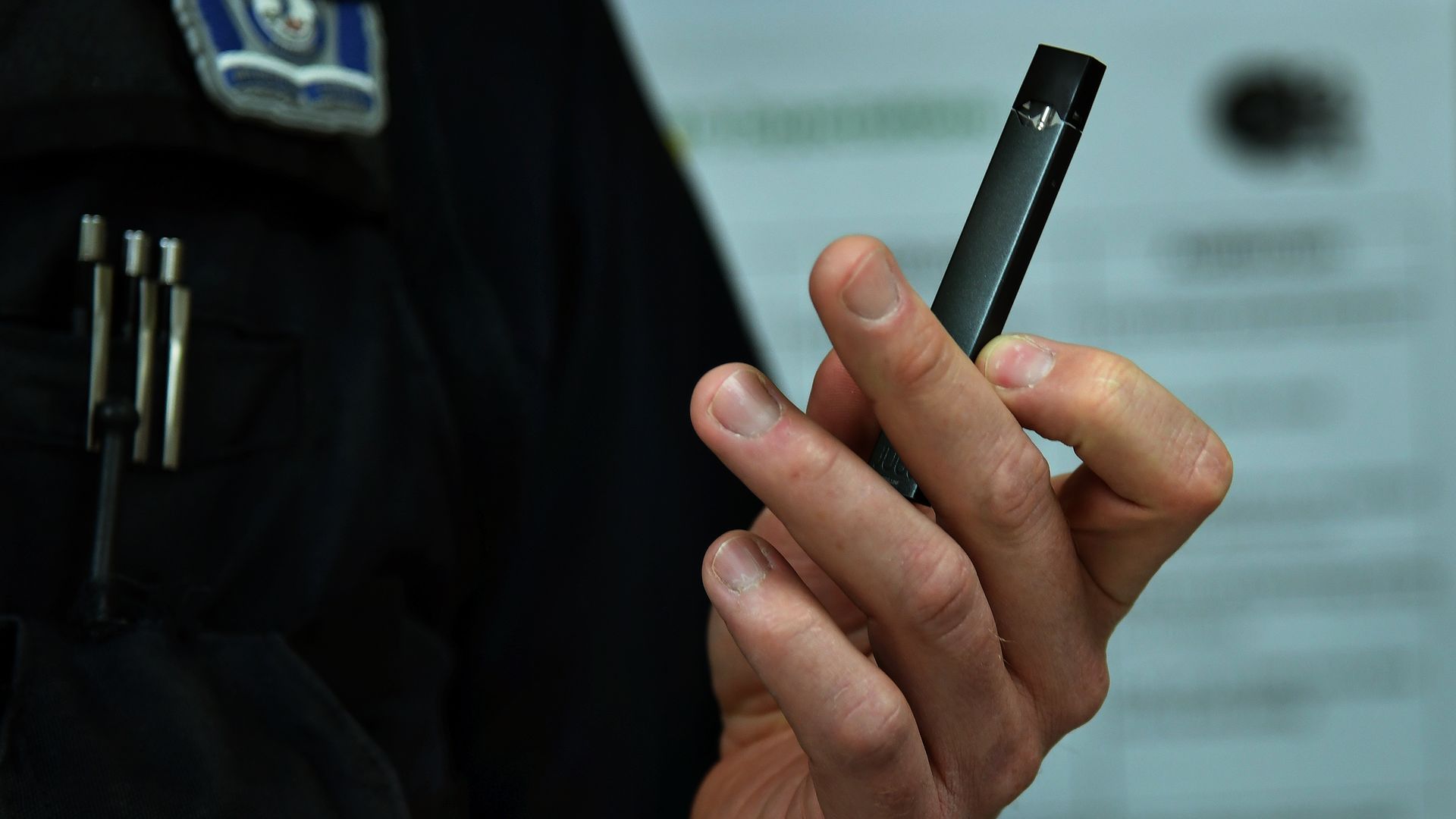
The Food and Drug Administration on Wednesday called for Juul Labs and four other makers of vaping devices to come up with plans that prove their products can be kept away from teenagers. The companies have 60 days, or the FDA may take further action including the possible ban of flavored products.
Why it matters: The agency said the use of electronic cigarettes by teenagers has reached “an epidemic proportion.” The threat has been a long time coming as the FDA, health-related studies and lawsuits have been investigating e-cigarettes and how those products may relate to the upsurge in youth nicotine addiction.
Bill Chase, chief financial officer of AbbVie, on Wednesday explained the company's long-term strategy for Humira, the top-selling drug in the world, to Wall Street investors at an industry conference:
"You've seen us execute very nicely with our legal strategy and the settlements around the U.S. events to delay the onset of [loss of Humira's exclusivity] into the 2022-2023 time period."
Between the lines: This is a pretty candid moment. Cheaper versions of Humira are hitting European markets next month, and a top AbbVie executive is celebrating two separatedeals that would prevent that from happening in the U.S. — where Humira's annual costs are as much as a high-end car — for five years.
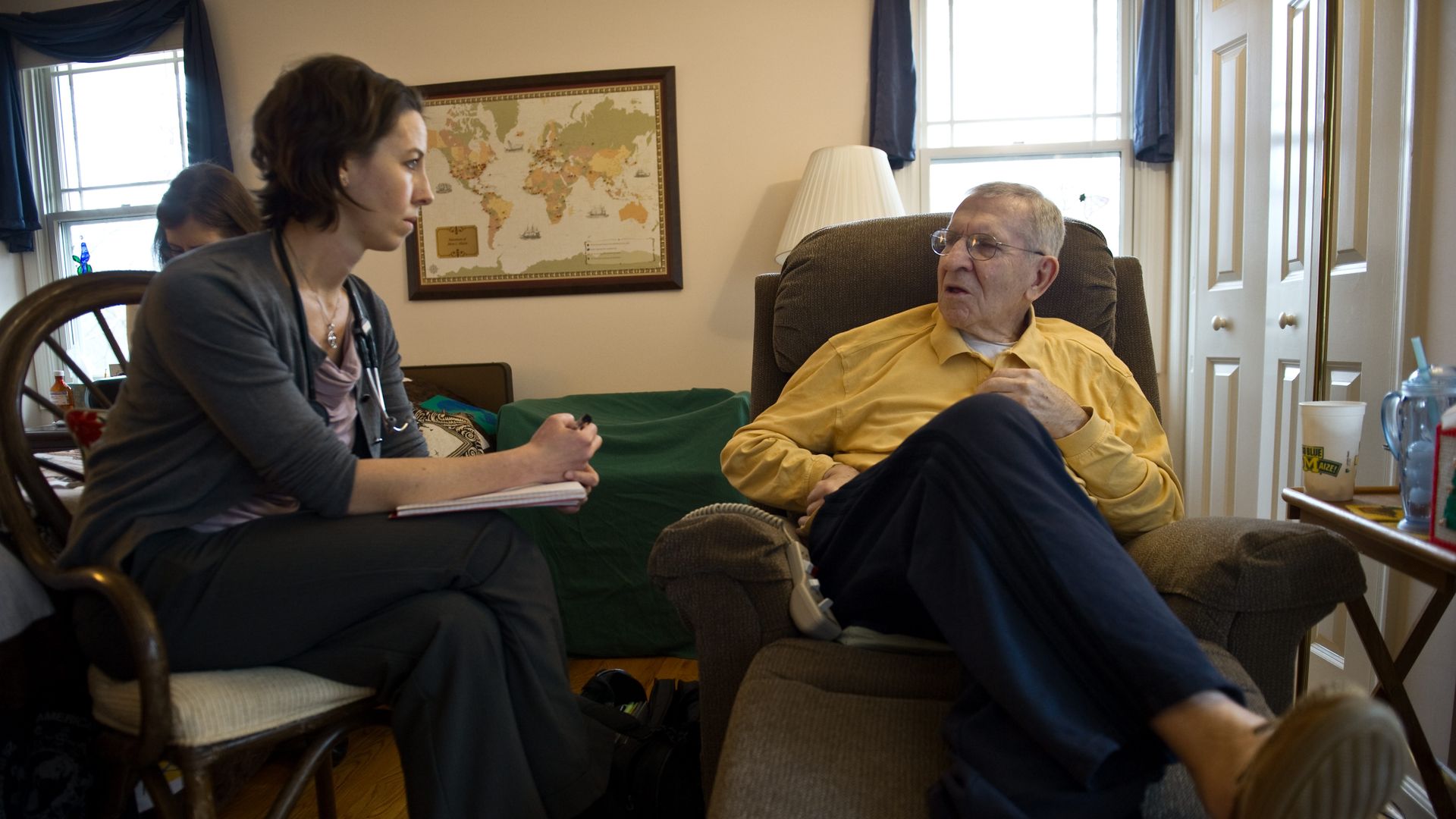
Physicians have inundated the Centers for Medicare & Medicaid Services with comments in a bid to kill a major change to how they would get paid for routine patient visits.
Where it stands: Medicare wants to create a new, fixed payment rate next year for all office visits, regardless of how much time physicians spend with the patient or how sick the patient is.
The number of Americans without health insurance hasn't changed under the Trump administration, according to new Census Bureau figures released today. Almost 29 million people, or about 9% of the population, were uninsured last year, roughly the same as in 2016.
Between the lines: The Trump administration has made several moves to chip away at the Affordable Care Act. But many of those policies weren't in place last year and are more likely to muddy the ACA's coverage expansion than to blow it up entirely. The biggest threat to overall coverage levels may come from Medicaid work requirements, a push that's still in its early stages.
The head of the Food and Drug Administration is considering pulling all flavored e-cigarettes from the U.S. market in response to an “epidemic” of teen use.
The details: The FDA sent out letters to e-cigarette companies giving them 60 days to prove they can keep the products away from minors. The vast majority of the violations were for the illegal sale of five e-cigarette products — Vuse, Blu, JUUL Labs, MarkTen XL, and Logic. These five brands currently comprise over 97% of the U.S. market for e-cigarettes.
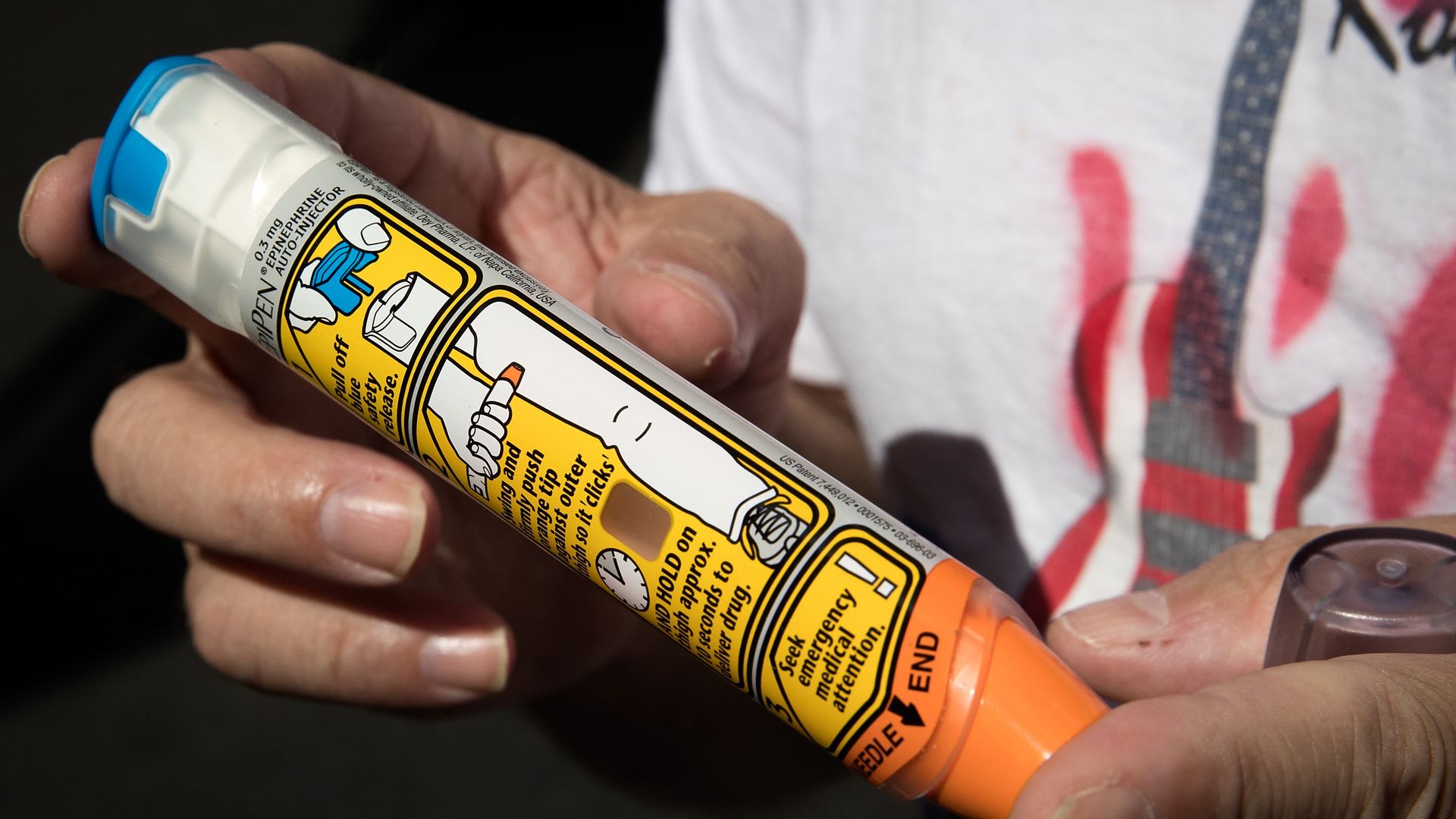
Nirmal Mulye, the chief executive of a small drug company called Nostrum Laboratories, defended his decision to the Financial Times to quadruple the price of a 65-year-old antibiotic.
What he's saying: “I think it is a moral requirement to make money when you can . . . to sell the product for the highest price... I agree with Martin Shkreli that when he raised the price of his drug he was within his rights because he had to reward his shareholders... This is a capitalist economy and if you can’t make money you can’t stay in business.”
A newly-uncovered batch of 600 Twitter accounts linked to the Internet Research Agency — the Russian troll farm indicted by special counsel Robert Mueller for interfering in the 2016 election — tweeted nearly 10,000 times about the Affordable Care Act and health policy between 2014 and May 2018, reports the WSJ.
Why it matters: The majority of the tweets were aimed at pitting partisan sides against each other, peaking during the GOP effort to repeal the ACA last summer. It’s more evidence that Russian trolls are more interested in encouraging fights between Americans than taking sides.
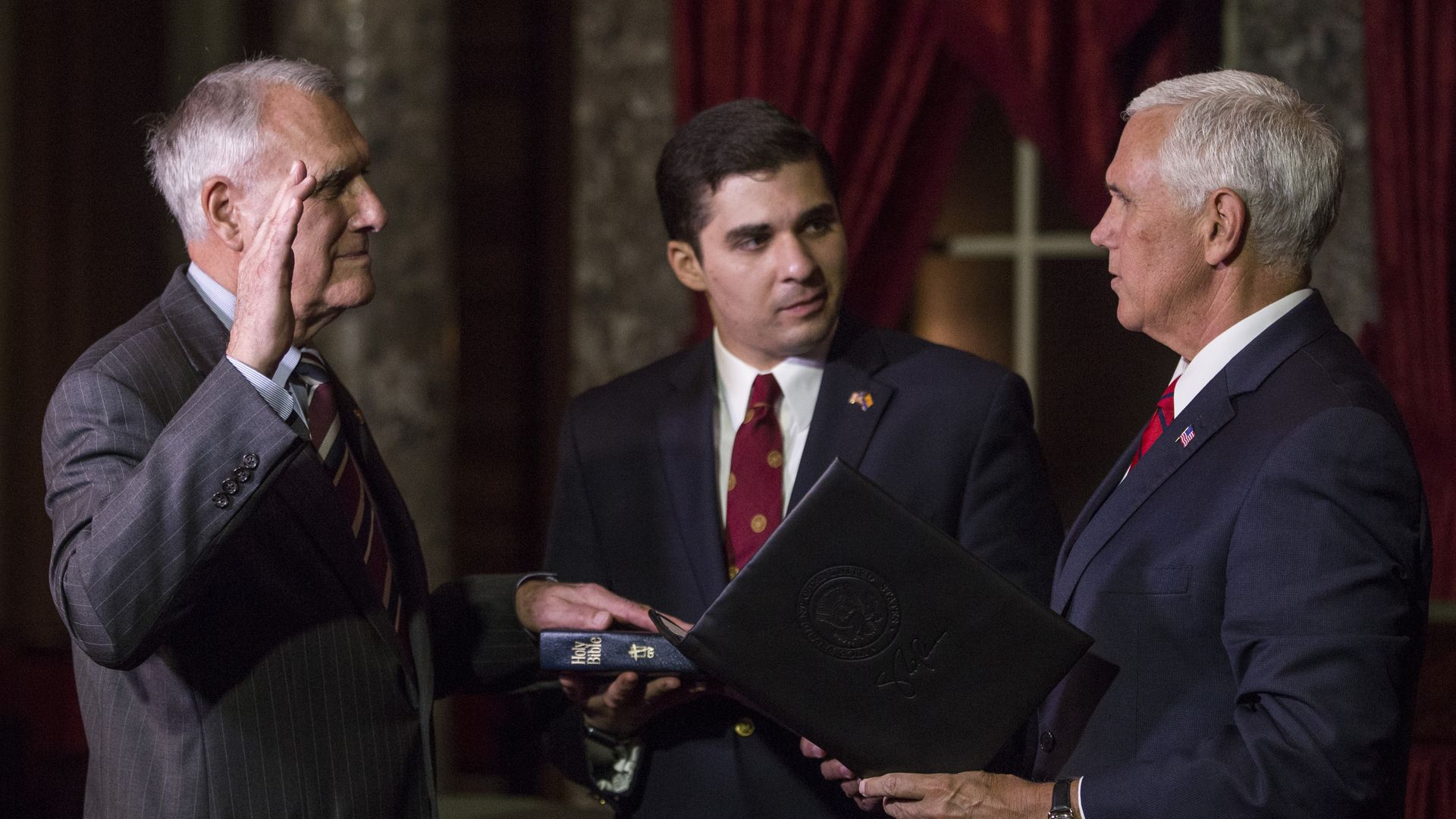
Congressional Republicans won’t try again to repeal the Affordable Care Act before midterm elections, even though the late Sen. John McCain — who voted against the last effort — has since been replaced by Sen. Jon Kyl, who says he would support repeal, AP reports.
The big picture: This should not surprise you. Senate Republicans still don’t have the votes even with Kyl, and it would be political malpractice to take such an unpopular vote so close to the elections. But now it’s on the record. So we can talk about something else for a while.
Medical schools don’t spend much time teaching students how to recognize and respond to patients suffering from addiction — and that shortcoming is becoming more glaring in light of the opioid crisis.
The big picture: Only about 15 medical schools in the U.S. cover addiction in a comprehensive way that goes beyond opioid-specific education, and there are only 52 fellowships in addiction medicine, according to a New York Times feature on Boston University’s more thorough, integrated program.