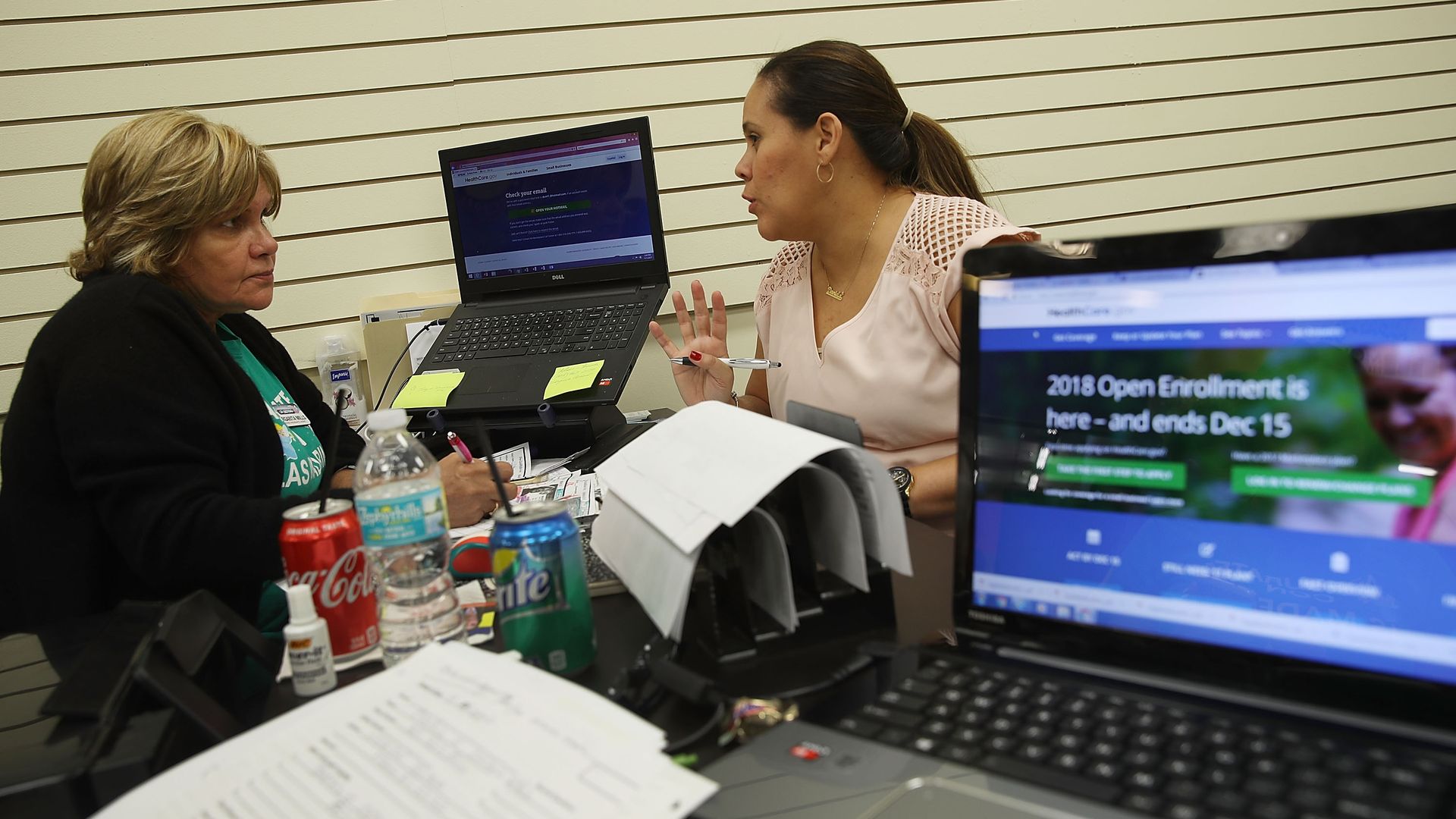
Molina Healthcare said Monday that President Trump's decision to end the Affordable Care Act's cost-sharing subsidies for low-income people cost the company $73 million in the final three months of 2017. Molina has since curtailed its participation in the ACA marketplaces for 2018.
Between the lines: The $73 million loss shows the magnitude of Trump's move to stop paying the subsidies to insurers, and indicates Molina had to pay out a lot of medical claims for that subset of enrollees. Centene, another large ACA insurer, recently said it lost $22 million from the nonpayment of cost-sharing subsidies.
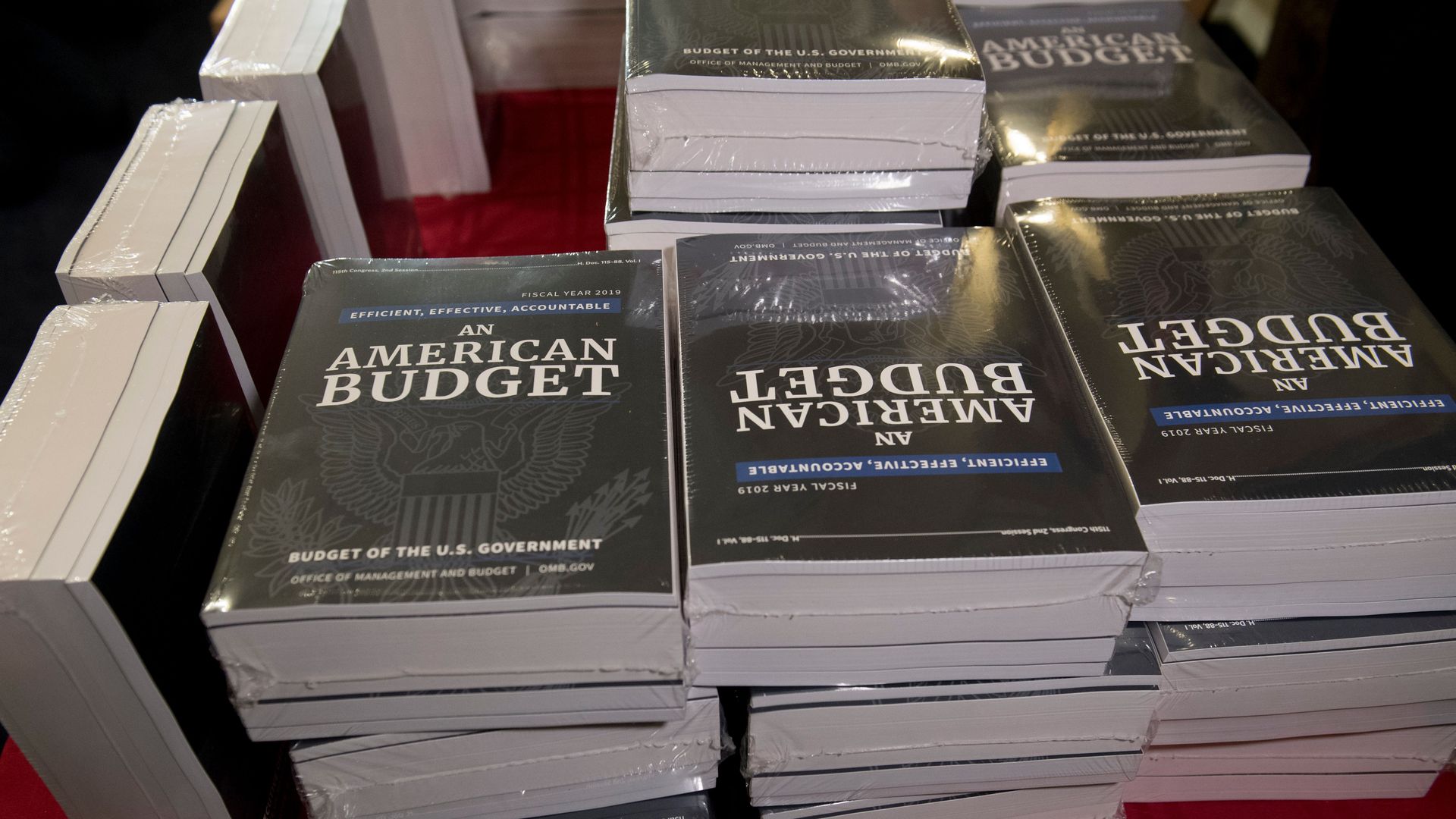
President Trump’s budget proposal would cut the Department of Health and Human Services’ funding by more than 20% next year, on top of nearly $300 billion in long-term savings from Medicare, Medicaid and other health programs.
Yes, but: No matter who the president is, presidential budgets are wish lists. These aren’t real cuts unless and until Congress makes them. And a lot of these cuts — like repealing the Affordable Care Act — are not going to happen any time soon.
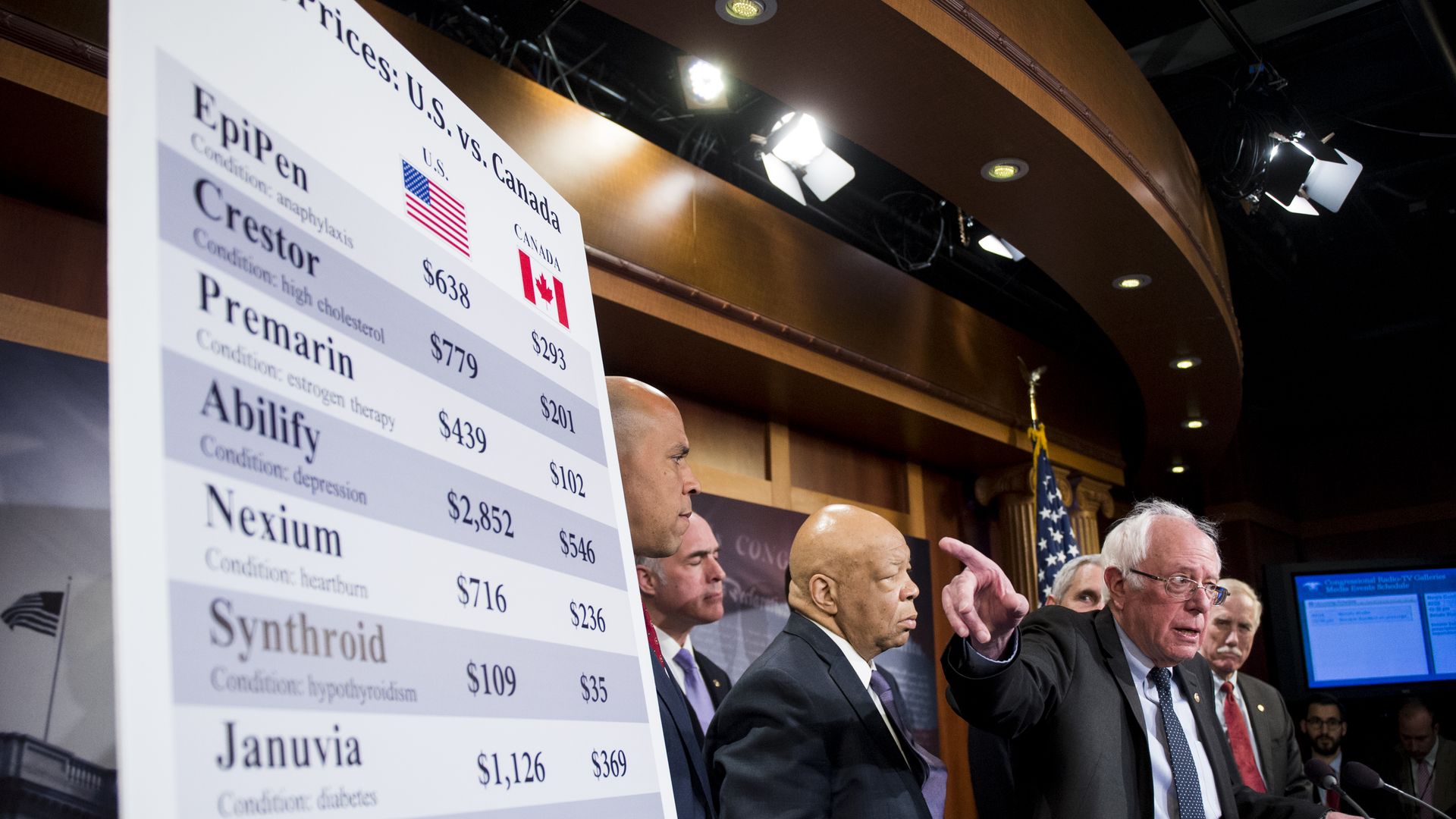
The pharmaceutical industry was busy last week, winning a key exclusion in the budget bill while getting handed a separate loss. And now as the White House releases its budget promoting drug pricing reforms — and as Alex Azar heads to the Hill to discuss them — pharma is still going to find itself on defense.
Why this matters: Pharma is one of the most powerful industries in the country, and generally gets what it wants. But drug prices are an extremely political topic pitting the vast majority of the public against the drug industry, and this week may reveal how that's going to play out in an election year.
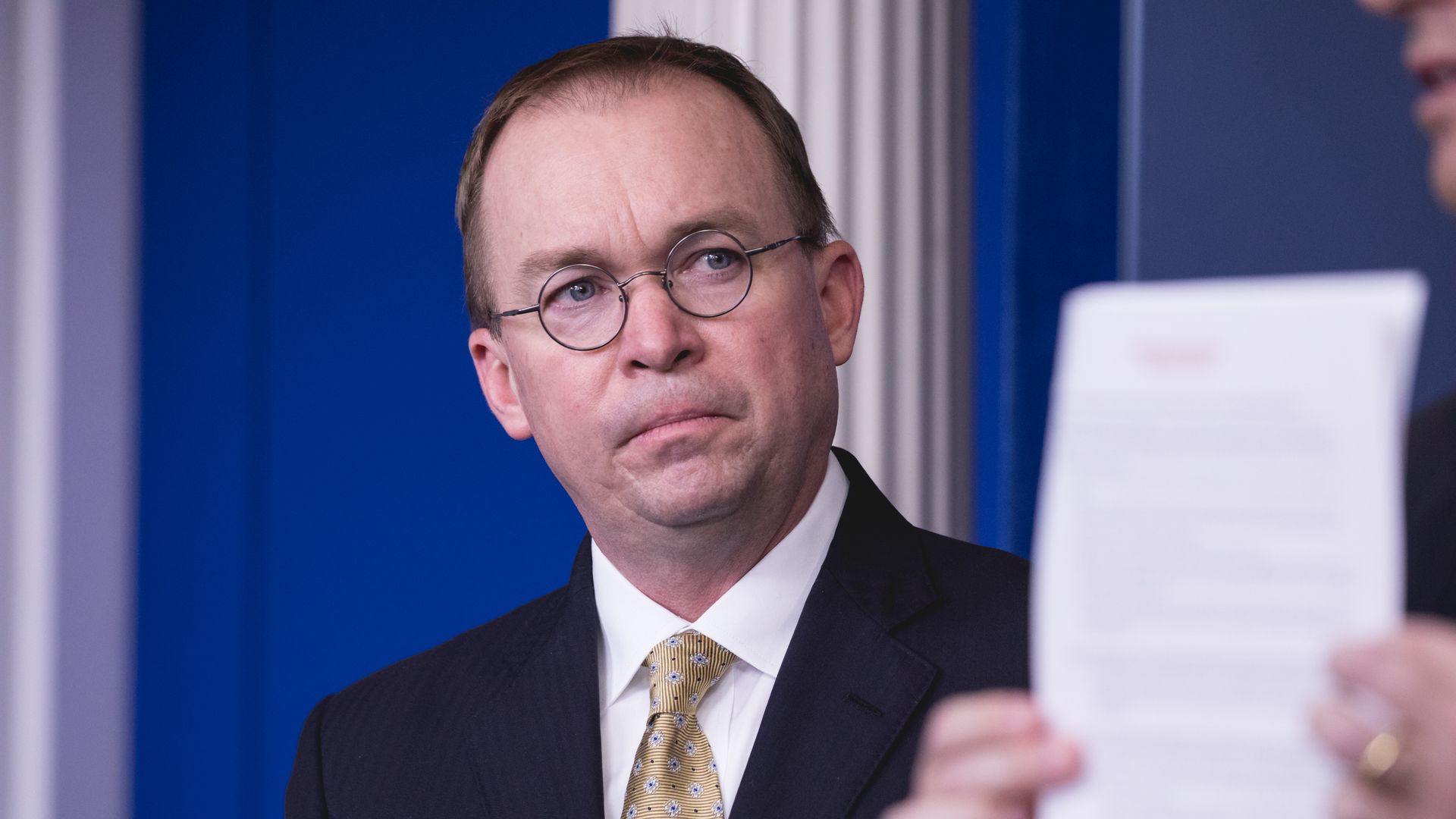
Reality check: It’s unlikely that Congress will adopt the proposal as written, but it shows the priorities of the Trump White House. As Axios' Jonathan Swan reports, the budget reads like "science fiction." The proposal undercuts and does not reflect last week's bipartisan agreement as it adds to the growing deficit and seeks to impose major cuts for domestic programs, including Medicare.
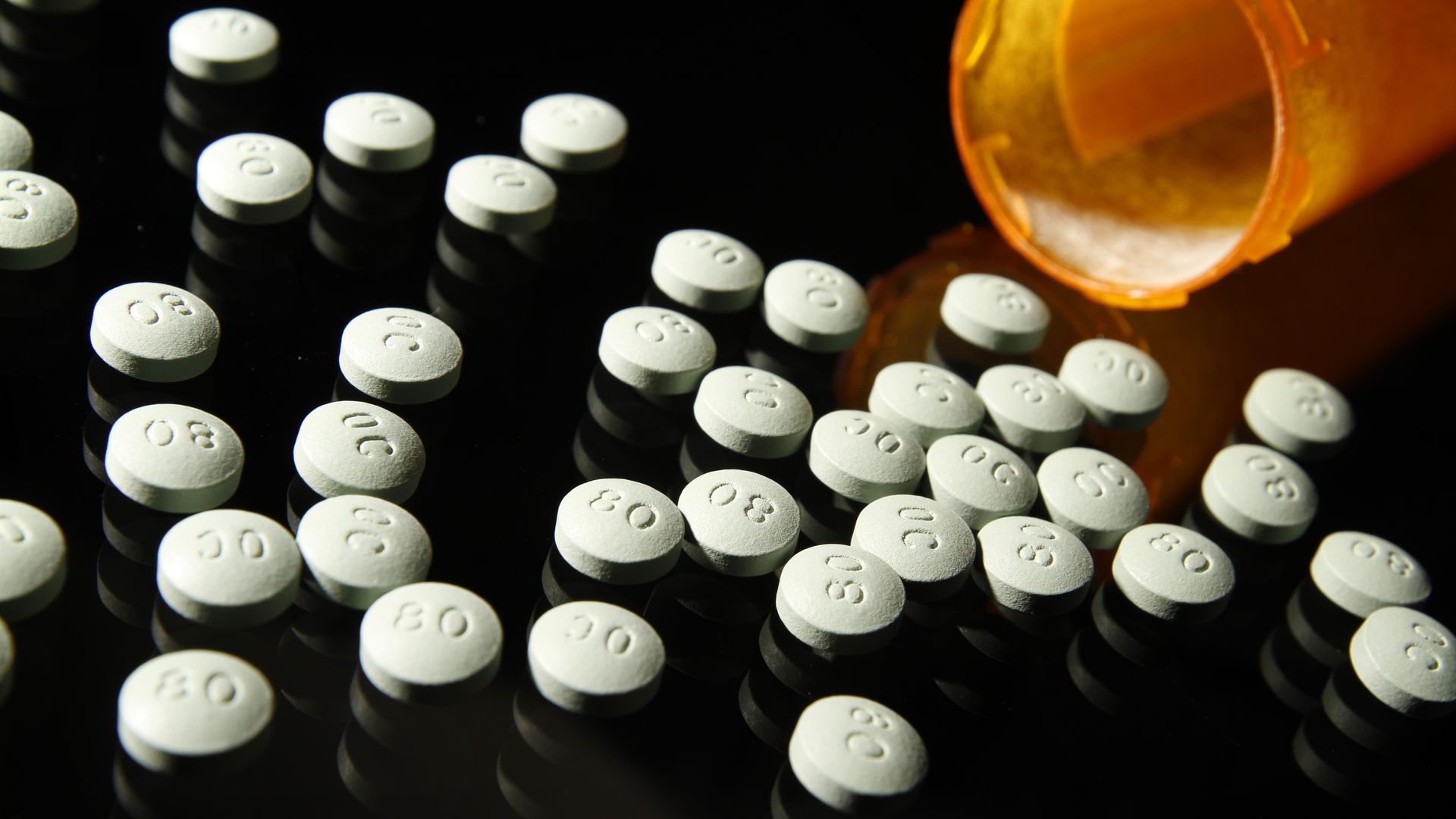
Purdue Pharma will stop marketing opioids to doctors, Bloomberg reports. Oxycontin is one of the pharmaceutical giant's top-selling drugs, generating $1.8 billion in 2017. The company is also cutting 50% of its sales force to about 200 employees.
Why it matters: Oxycontin has been on the market for 22 years, and Purdue Pharma has been credited with aggressively promoting the drug and contributing to America's opioid epidemic.