The opioid crisis has cost the U.S. $1 trillion since 2001, according to Altarum, a nonprofit health research firm. Those costs have been increasing more rapidly over the past few years, and Altarum projects they’ll grow by another $500 billion just by 2020.
By the numbers:
Most of that $1 trillion comes from lost wages, productivity and tax revenue, Altarum said.
The health care system directly bore about a quarter of the total financial burden — $215 billion — largely from emergency treatment of overdoses.
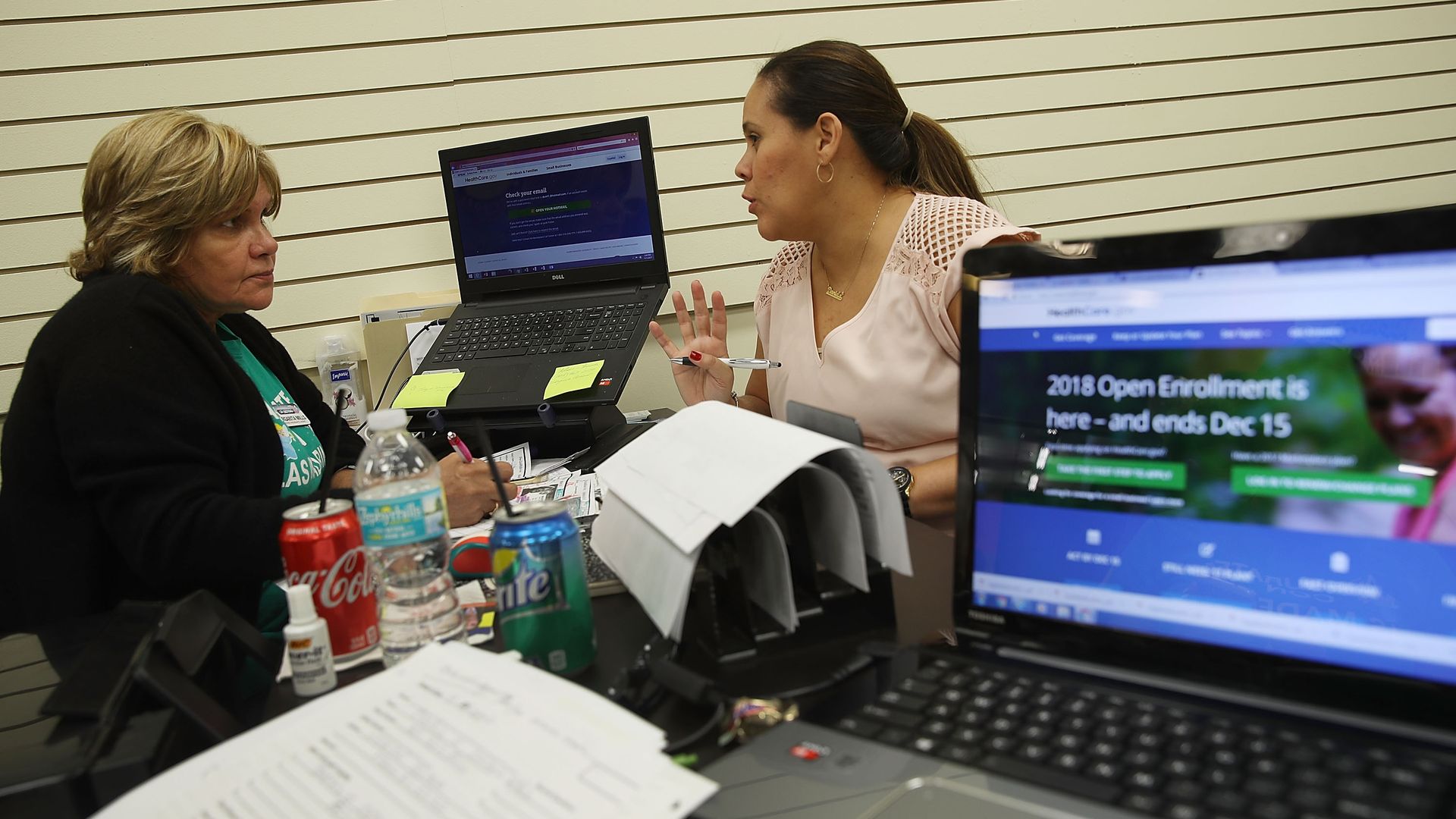
Axios' Bob Herman reports that consumers could soon face surprising increases in how much they have to pay for their prescription drugs, thanks to changes in how drug co-pay coupons are processed.
Pharmacy chain Walgreens Boots Alliance is in early talks to buy out AmerisourceBergen, one of the big three drug distributors, the Wall Street Journal reports. Walgreens already owns a 26% stake in the company.
Why it matters: The combined company would be gigantic, with about $276 billion in annual revenue. Only Walmart would be bigger among U.S. companies. The deal would also house pharmacies and drug distribution under one roof — yet another instance of the health care industry's merger frenzy as companies rush to build scale and fend off any Amazon entrance.
Molina Healthcare said Monday that President Trump's decision to end the Affordable Care Act's cost-sharing subsidies for low-income people cost the company $73 million in the final three months of 2017. Molina has since curtailed its participation in the ACA marketplaces for 2018.
Between the lines: The $73 million loss shows the magnitude of Trump's move to stop paying the subsidies to insurers, and indicates Molina had to pay out a lot of medical claims for that subset of enrollees. Centene, another large ACA insurer, recently said it lost $22 million from the nonpayment of cost-sharing subsidies.
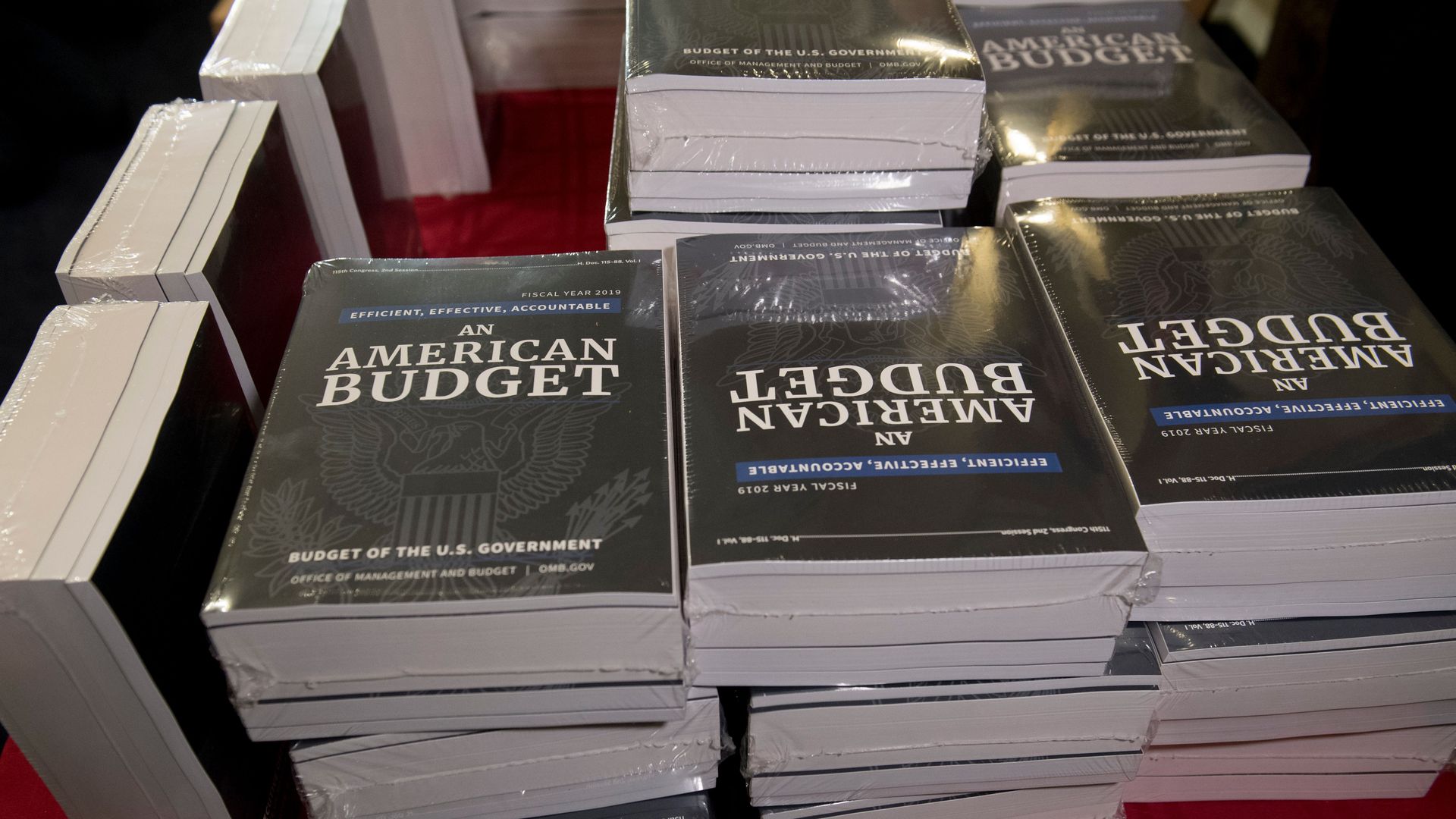
President Trump’s budget proposal would cut the Department of Health and Human Services’ funding by more than 20% next year, on top of nearly $300 billion in long-term savings from Medicare, Medicaid and other health programs.
Yes, but: No matter who the president is, presidential budgets are wish lists. These aren’t real cuts unless and until Congress makes them. And a lot of these cuts — like repealing the Affordable Care Act — are not going to happen any time soon.
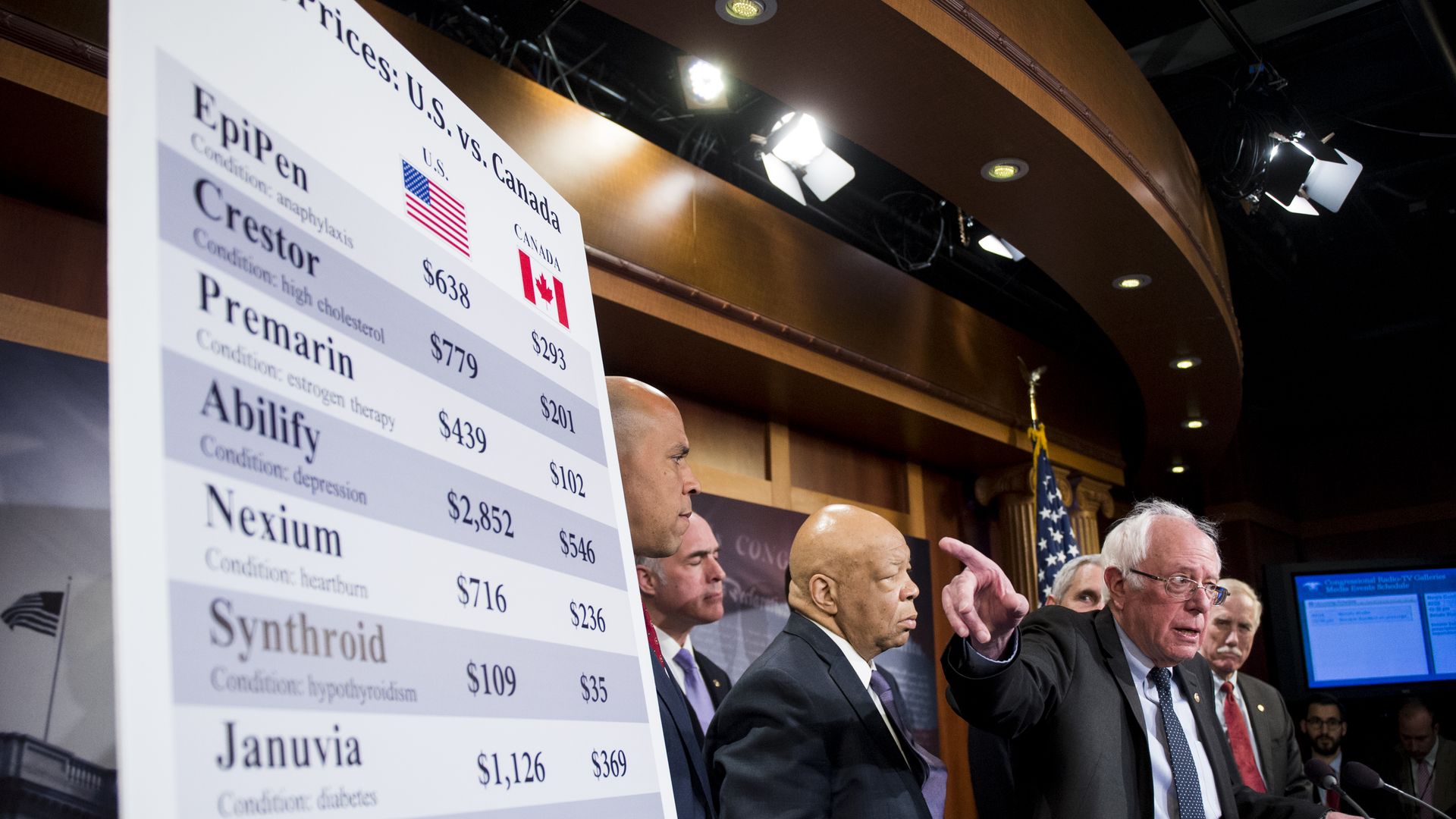
The pharmaceutical industry was busy last week, winning a key exclusion in the budget bill while getting handed a separate loss. And now as the White House releases its budget promoting drug pricing reforms — and as Alex Azar heads to the Hill to discuss them — pharma is still going to find itself on defense.
Why this matters: Pharma is one of the most powerful industries in the country, and generally gets what it wants. But drug prices are an extremely political topic pitting the vast majority of the public against the drug industry, and this week may reveal how that's going to play out in an election year.
Reality check: It’s unlikely that Congress will adopt the proposal as written, but it shows the priorities of the Trump White House. As Axios' Jonathan Swan reports, the budget reads like "science fiction." The proposal undercuts and does not reflect last week's bipartisan agreement as it adds to the growing deficit and seeks to impose major cuts for domestic programs, including Medicare.