Americans continue to spend a lot of money on health care. Don't expect that to change. New preliminary federal data show annual health care spending climbed 4.6% to $3.5 trillion in 2017 — higher than the 4.3% growth rate in 2016 and still a lot higher than the broader inflation rate.
The bottom line: The new data reinforce the point that hospital visits, doctor appointments, surgeries, prescriptions and other health care services are gobbling up more of the U.S. economy right now and in the future at the expense of other societal priorities.
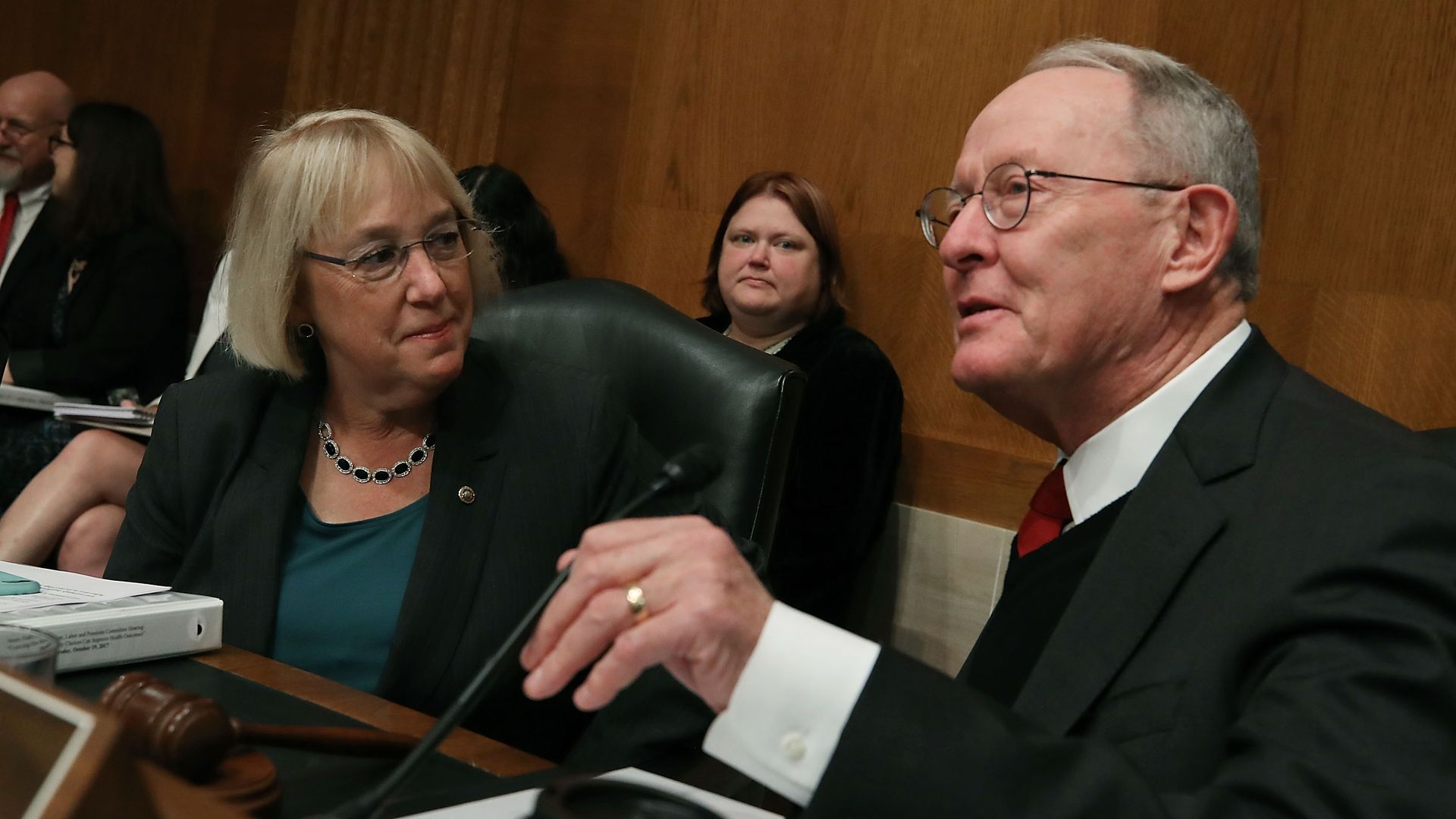
Sens. Lamar Alexander and Patty Murray will meet tomorrow with senators and insurance executives to discuss the opioid crisis. "It’s similar to the health care round tables that Sen. Murray and I had, which were so successful in the fall [and] helped us come to a consensus on Alexander-Murray," Alexander told reporters.
Between the lines: Congress has already agreed to spend $6 billion on the opioid crisis and related mental-health issues, but this meeting suggests lawmakers are still interested understanding more about the industry's ability to help and control the epidemic.
Blue Cross of Idaho is taking up the state’s controversial offer to sell insurance plans that don’t comply with the Affordable Care Act — a move many legal experts believe is illegal, and which policy experts say will undermine the ACA.
What’s next: It’s not clear whether the Trump administration will step in to enforce the ACA’s requirements. If it doesn’t, more conservative states will likely follow Idaho’s lead, effectively rolling back some of the ACA’s most substantial consumer protections and coverage mandates.
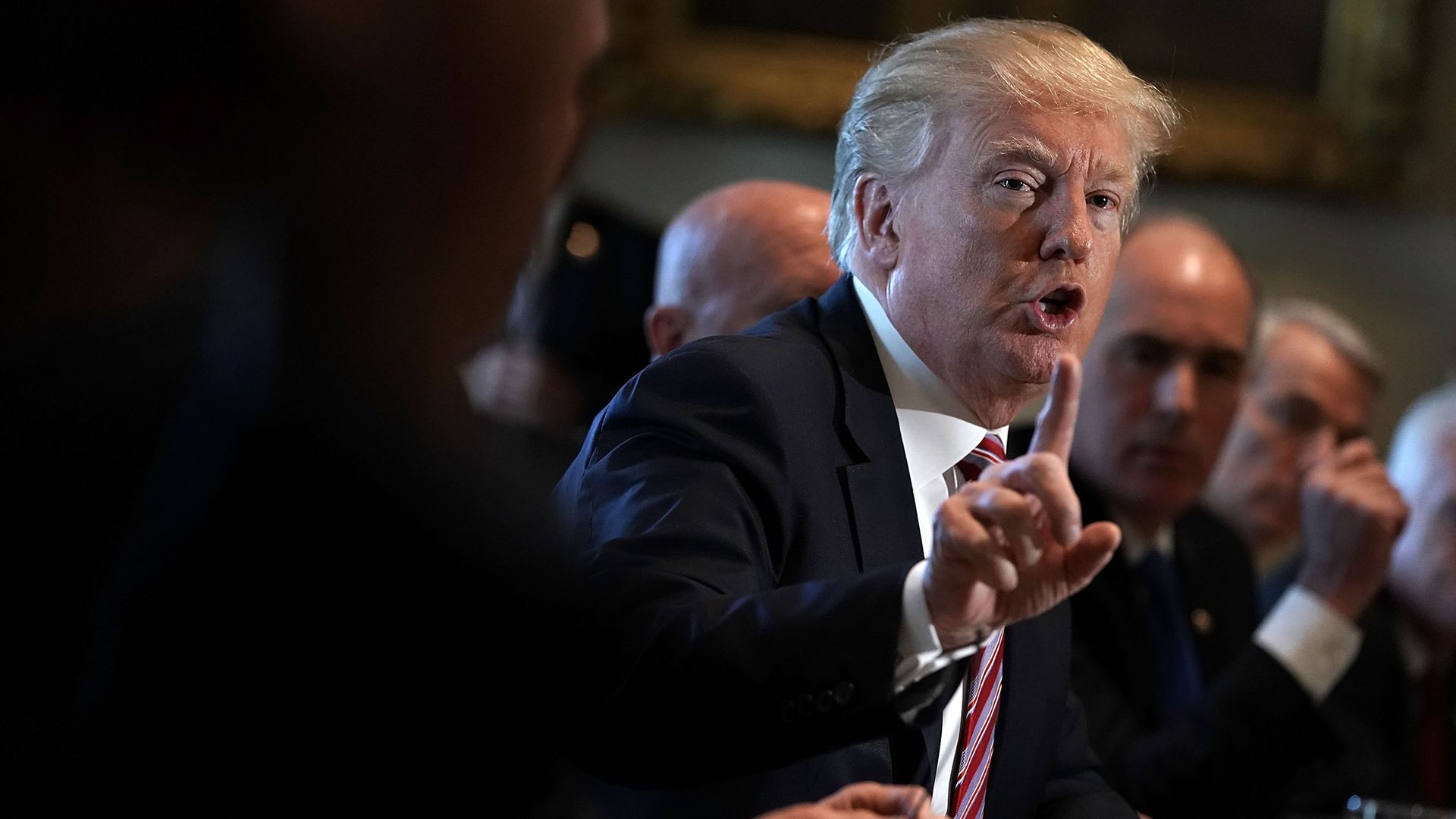
President Trump’s budget proposal embraced two measures to help stabilize the Affordable Care Act. And Americans for Prosperity, the conservative advocacy network funded by the Koch brothers, is not happy about it.
The intrigue: Trump’s budget called for repealing the ACA, but also for funding two stabilization programs — cost-sharing reductions and risk corridors — that aren't popular with conservatives.
The opioid crisis has cost the U.S. $1 trillion since 2001, according to Altarum, a nonprofit health research firm. Those costs have been increasing more rapidly over the past few years, and Altarum projects they’ll grow by another $500 billion just by 2020.
By the numbers:
Most of that $1 trillion comes from lost wages, productivity and tax revenue, Altarum said.
The health care system directly bore about a quarter of the total financial burden — $215 billion — largely from emergency treatment of overdoses.
Axios' Bob Herman reports that consumers could soon face surprising increases in how much they have to pay for their prescription drugs, thanks to changes in how drug co-pay coupons are processed.
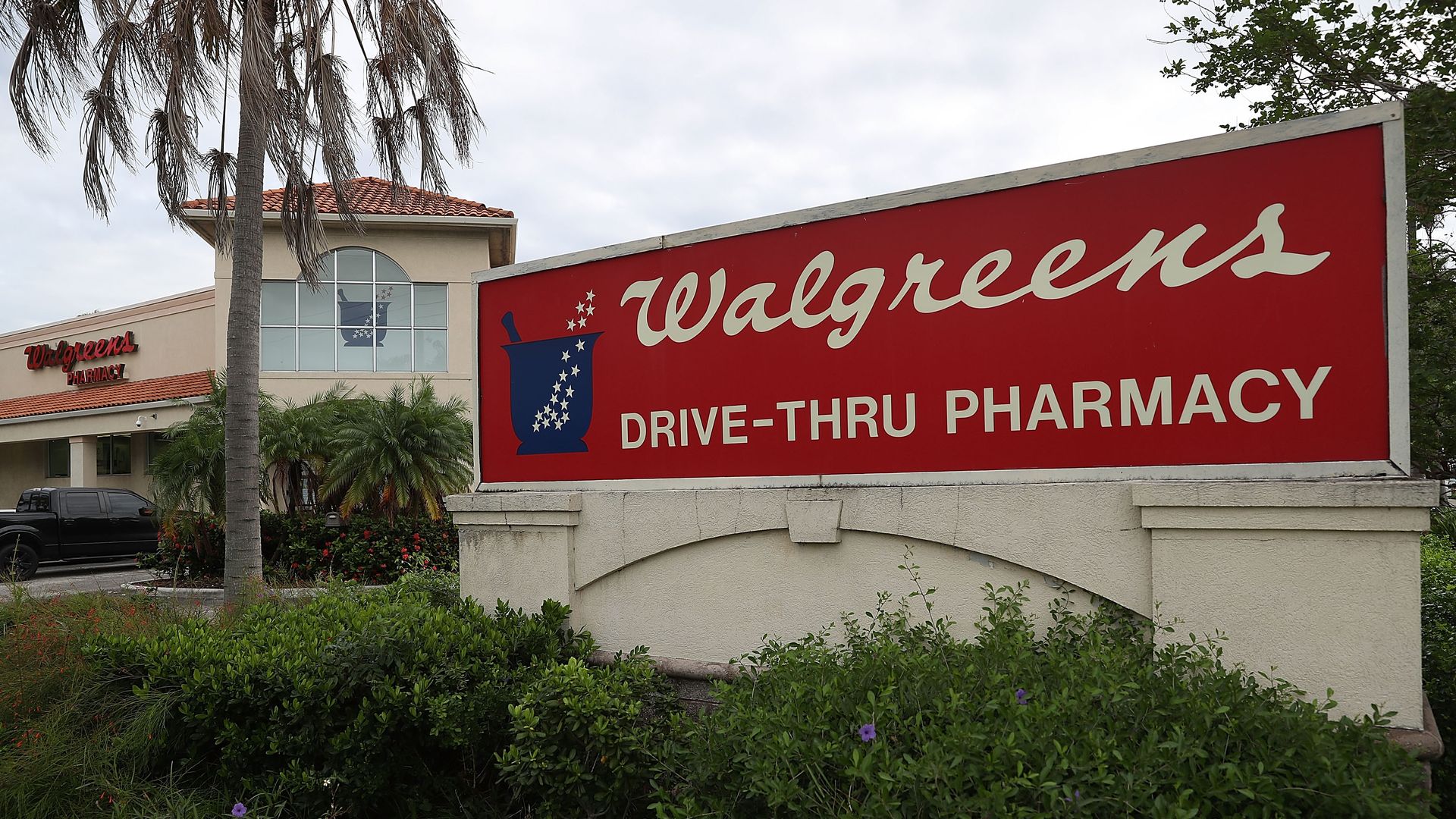
Pharmacy chain Walgreens Boots Alliance is in early talks to buy out AmerisourceBergen, one of the big three drug distributors, the Wall Street Journal reports. Walgreens already owns a 26% stake in the company.
Why it matters: The combined company would be gigantic, with about $276 billion in annual revenue. Only Walmart would be bigger among U.S. companies. The deal would also house pharmacies and drug distribution under one roof — yet another instance of the health care industry's merger frenzy as companies rush to build scale and fend off any Amazon entrance.