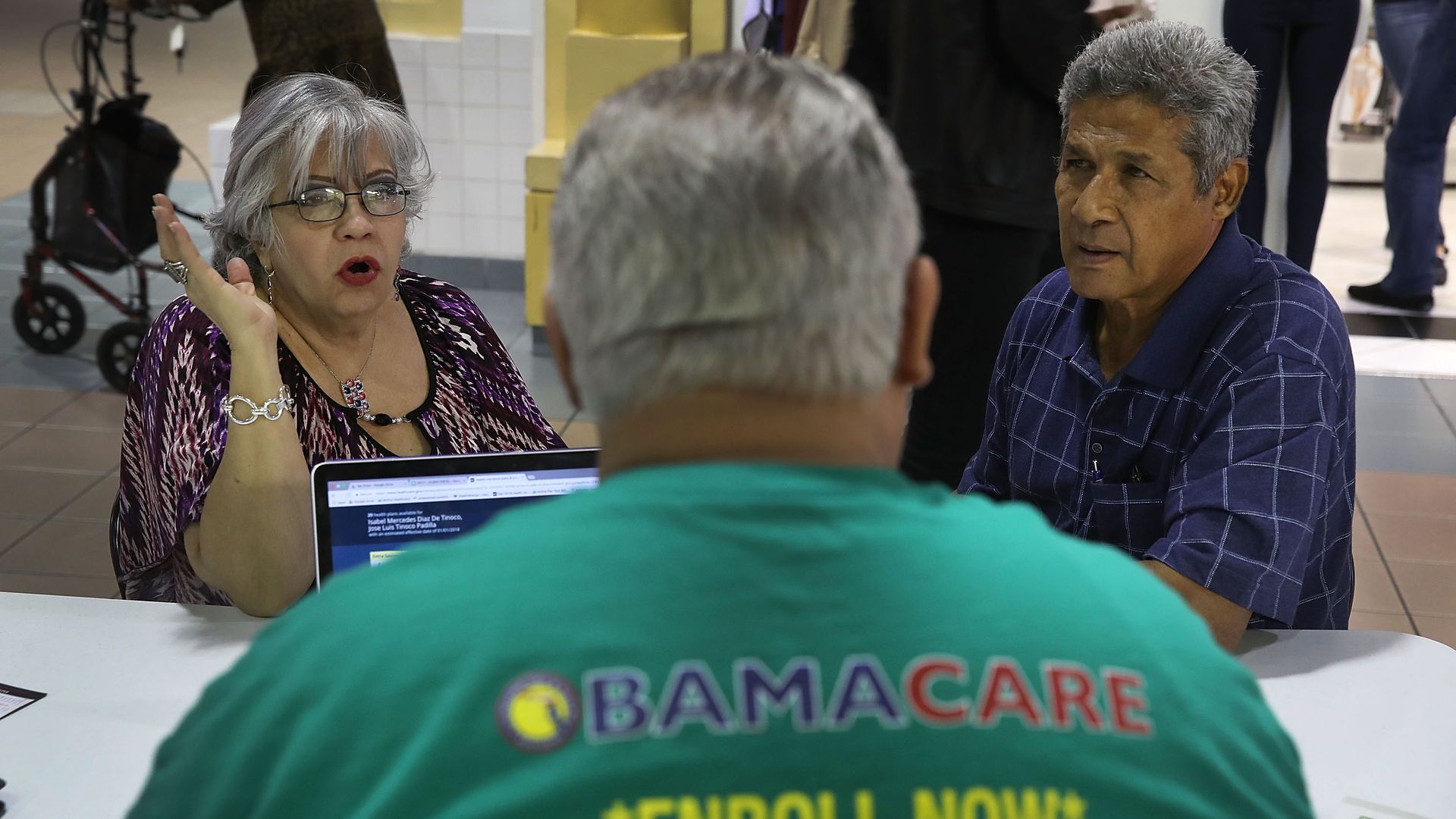
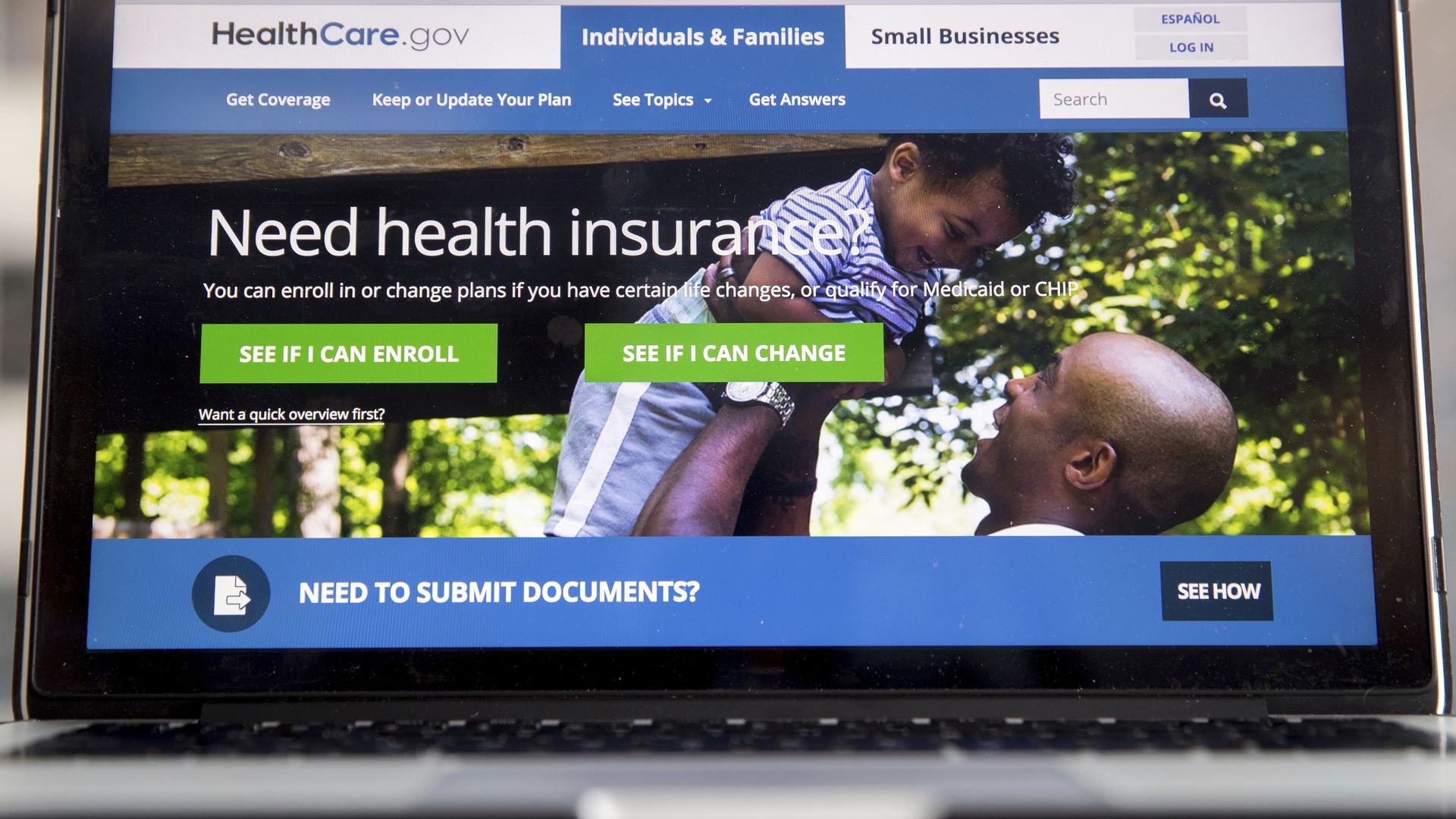
The Trump administration cut the Affordable Care Act federal insurance enrollment period in half (to 45 days), which has people scrambling to get insurance before time's up. But the administration's cutbacks to the program overall could have a disproportionate effect on minority communities, per NYT.
Why it matters: The Affordable Care Act has reduced the disparities in coverage across minority groups, even as African Americans and Hispanics throughout the country remain more likely than whites to be uninsured.
Policy analysts at the Centers for Disease Control and Prevention were told by the Trump administration on Thursday that they are not allowed to use the words like "science-based," "evidence-based" and "transgender," in their budget documents, according to a CDC analyst who spoke to The Washington Post.
Why it matters: The administration wants to control what it considers controversial wording from agencies as they submit documents for the president's budget for 2019, expected to be released in February. However, the analyst told the WashPost they "could not recall a previous time when words were banned from budget documents" due to ideology.
The Trump administration, House Republicans and Democratic attorneys general have settled a lawsuit over the Affordable Care Act's cost-sharing reduction payments to insurers, Bloomberg reports. The court filing doesn't give any details of the settlement, per Bloomberg, except to say that it's "conditional."
What to watch: It's hard to know the true significance of the settlement when zero details are available. But for California Attorney General Xavier Becerra, one of the Democratic attorneys general involved in the lawsuit, it represents a chance to move forward and try to preserve the subsidies on their merits.
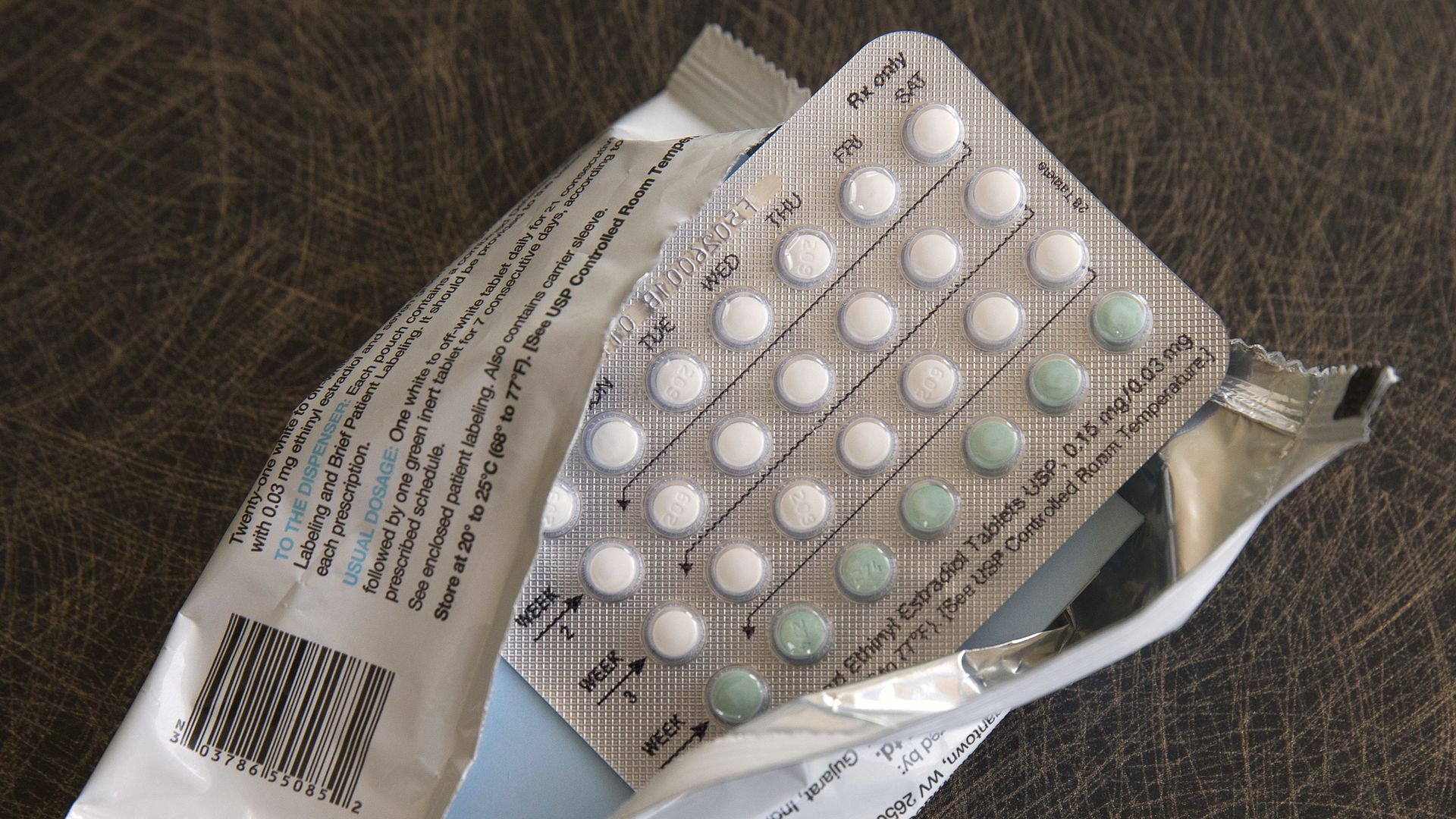
The Trump administration's decision to roll back access to birth control under the Affordable Care Act has been blocked temporarily by a federal judge in Pennsylvania, Buzzfeed reports. The new rules went into effect in October and allowed employers and universities to decline providing birth control coverage for "religious or moral" reasons.
Why it matters: The ruling is one of several recent court orders blocking a Trump administration law. Trump's series of travel bans as well as his order preventing transgender troops from serving in the military have also been halted in court.
It's busy at our call center today! If you call and are asked to leave your name and phone number, please do so. A call center rep will call you back after Dec 15 to make sure you have Marketplace coverage that starts Jan 1. You may also visit https://t.co/eTfU7hBbyh to enroll.— HealthCare.gov (@HealthCareGov) December 15, 2017
People who are “in line” to sign up for insurance through HealthCare.gov by the end of the day today will be allowed to finish the process later, the Health and Human Services Department says.
Why it matters: The last day of open enrollment tends to be especially busy, and in the past, some consumers haven’t been able to make it all the way through the process before the end of the day. HHS’ standard practice has been to let those consumers to finish up later, but but the department hadn’t said definitively until today whether that practice would continue this year.
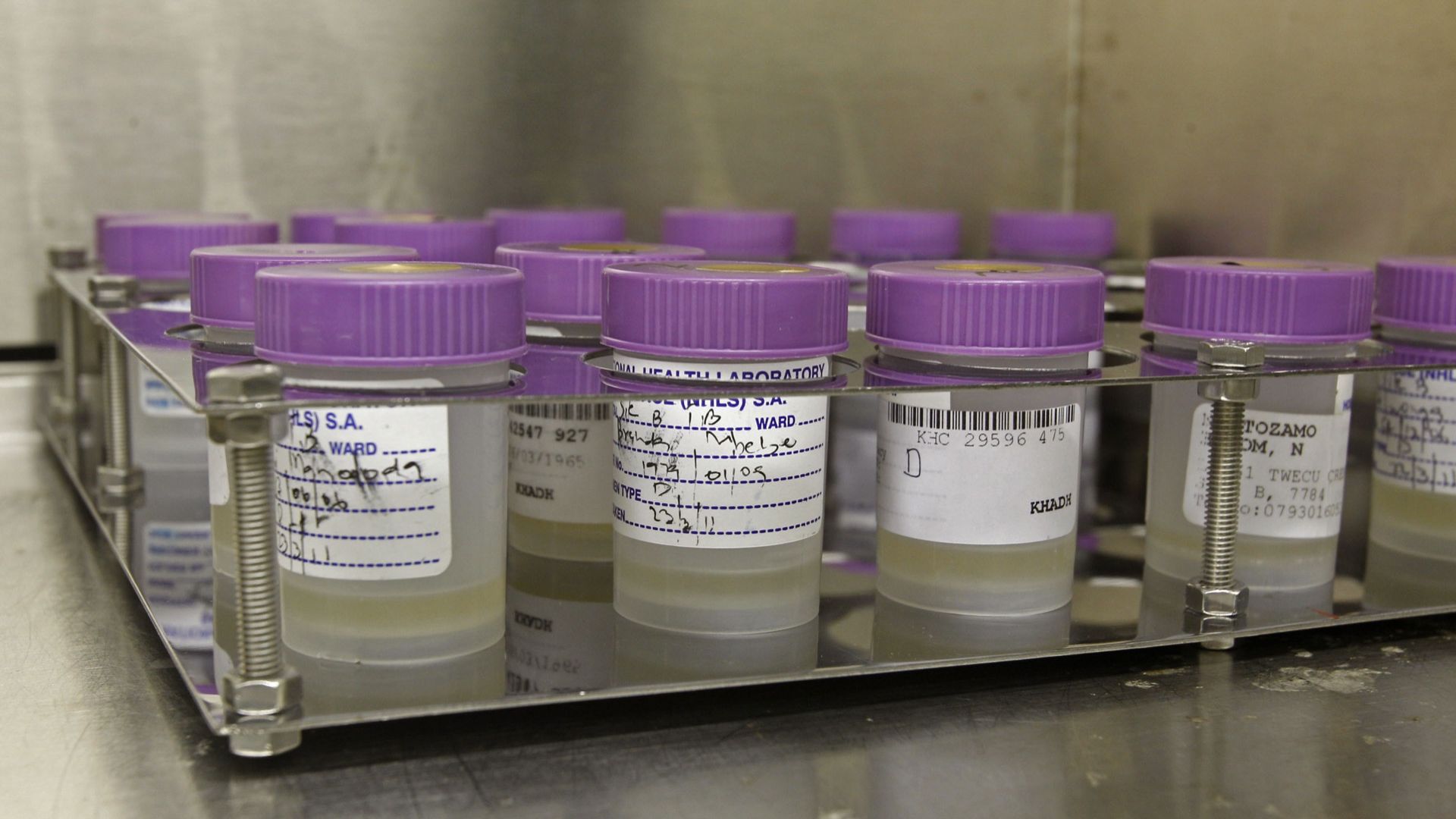
Researchers at George Mason University have developed a urine test to identify tuberculosis cases, per New Scientist. The method — which worked successfully on 48 people with TB —provides a diagnosis within just 12 hours, compared to days for existing skin and sputum culture tests.
How it works: The test can detect a sugar on the surface of TB bacteria that is present in low concentrations in the urine of those infected.
Why it matters: TB killed about 1.7 million people last year. "In around 40 per cent of cases, the infection isn’t identified until symptoms become obvious," writes Andy Coghlan in the New Scientist. The urine test, which the researchers hope to have publicly available within three years, could allow for the rapid identification of the disease.
A new law backed by opioid distributors and manufacturers is making it harder for the Drug Enforcement Administration to hold companies accountable for violating drug laws, according to retired DEA investigators.
The officials' accounts are the latest component of a deep-rooted investigation by the Washington Post and "60 Minutes," which initially exposed how the drug legislation was derailing the DEA's efforts to crack down on the opioid epidemic. That investigation ultimately led to the withdrawal of Rep. Tom Marino's drug czar nomination.