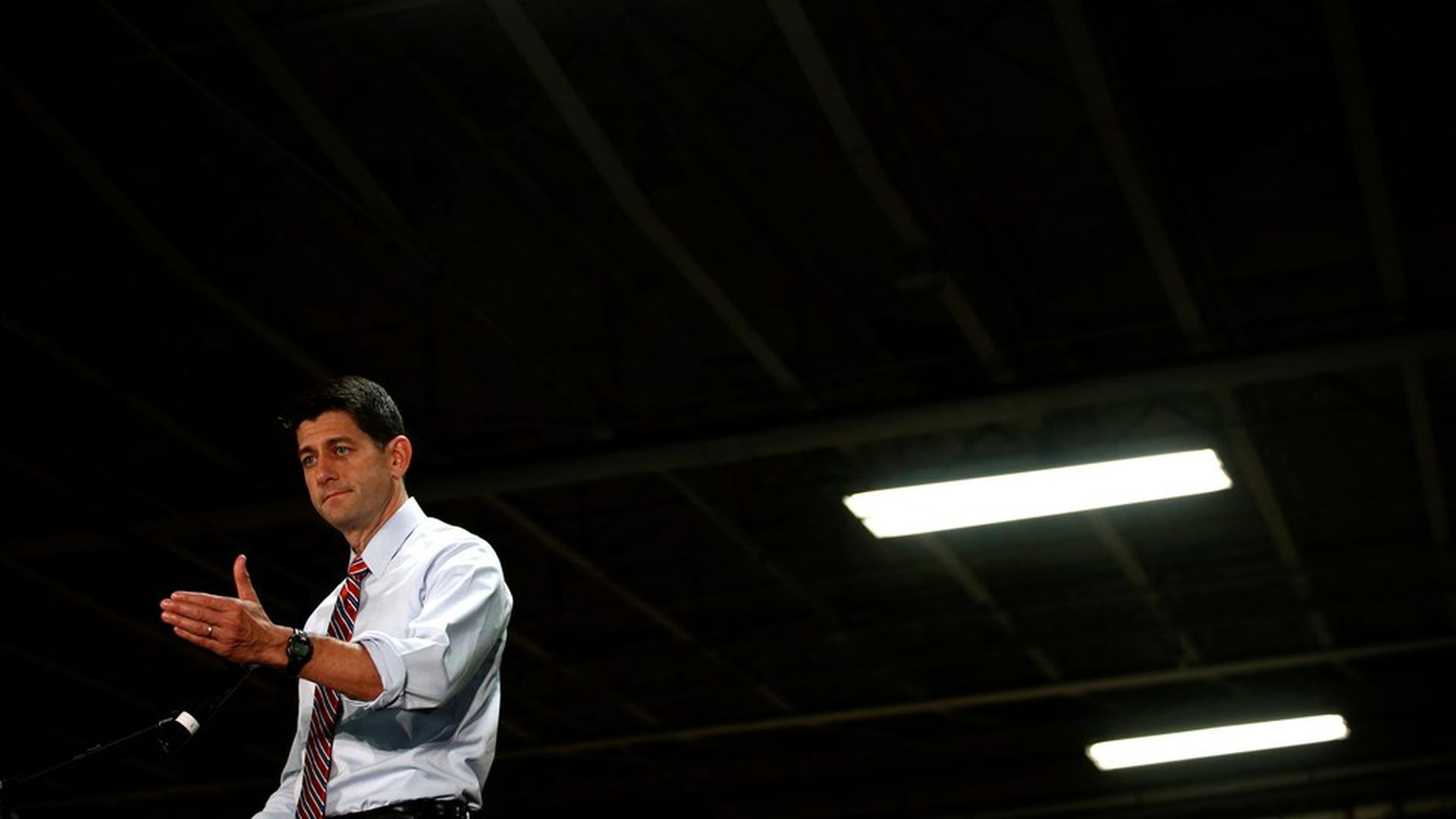
House Speaker Paul Ryan's press secretary, Doug Andres, told Axios Wednesday that despite the bipartisan push behind the Alexander-Murray health bill, "The speaker does not see anything that changes his view that the Senate should keep its focus on repeal and replace of Obamacare."
Why it matters: This is a huge setback for the bill. Even if the measure can get 60 votes in the Senate, it still needs to pass the House. With Ryan against it, the odds of it passing aren't looking good.
Go deeper: Sen. Alexander told Mike Allen Trump "engineered" his health bill. Minutes later, Trump said he'd never support bailing out insurance companies.
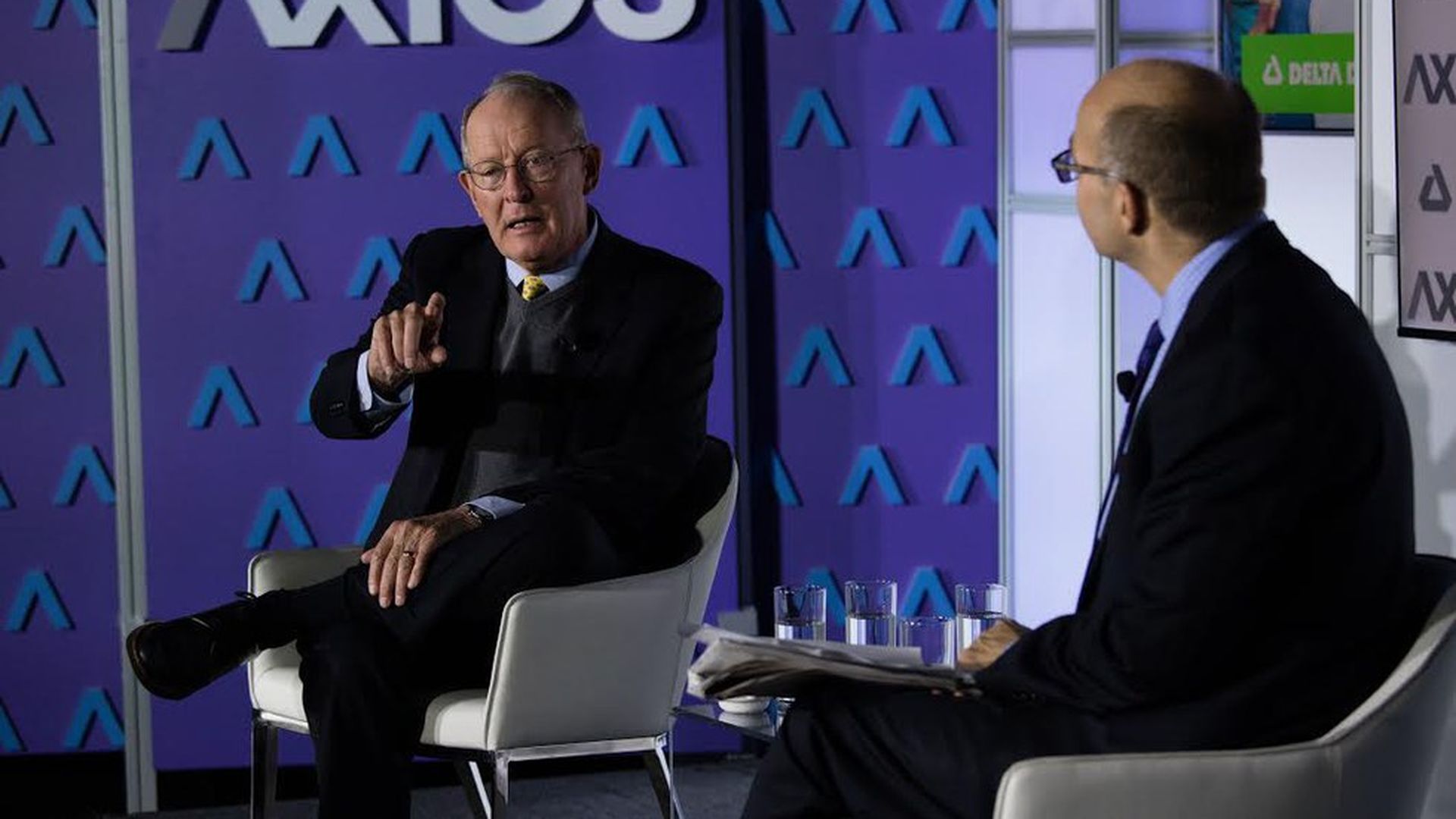
Sen. Lamar Alexander (R-Tenn.) sat down with Mike Allen immediately after getting off the phone with President Trump, who called to encourage him about the bipartisan health care bill he announced yesterday with Sen. Patty Murray (D-Wash.). Trump told Alexander that he supports the effort, is glad they're trying, but still needs to review the deal to "reserve his options."
Alexander's bottom line: "Trump completely engineered the plan that we announced yesterday," by calling me repeatedly and asking Sen. Murray to be a part of it. "He wanted a bipartisan bill for the short term."
Yes, but: Minutes later, Trump tweeted: "I am supportive of Lamar as a person & also of the process, but I can never support bailing out ins co's who have made a fortune w/ O'Care."
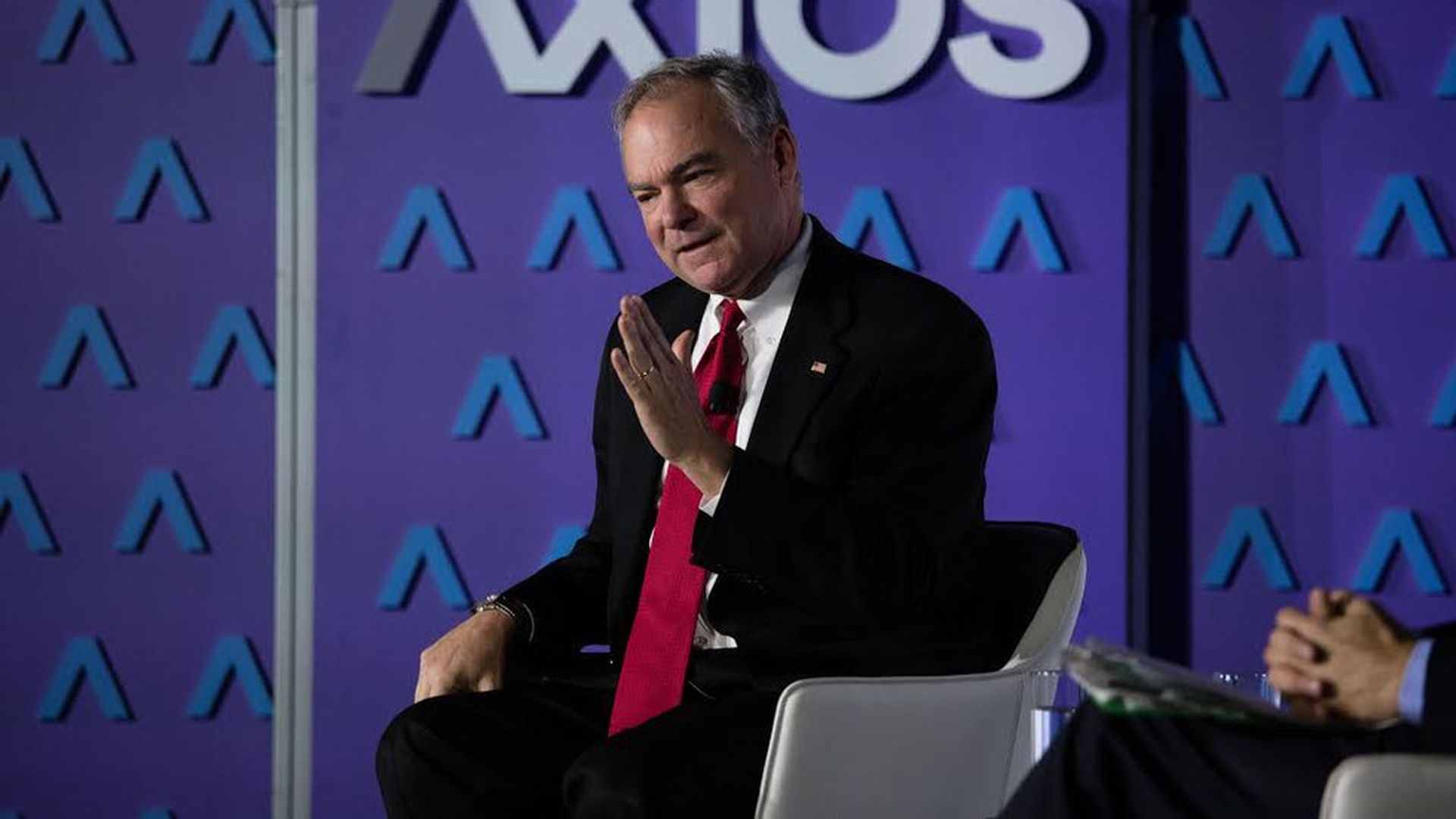
Sen. Tim Kaine (D-Va.) told Axios' Mike Allen Wednesday that he predicts the bipartisan Alexander-Murray health care bill "will pass as some part of a must-pass piece of legislation," but not as a stand-alone bill. Kaine said he expects it will move forward with the federal spending bill in December.
His bottom line: Kaine admitted that anything modest that's bipartisan on health care "will be a good sign" to the American people.
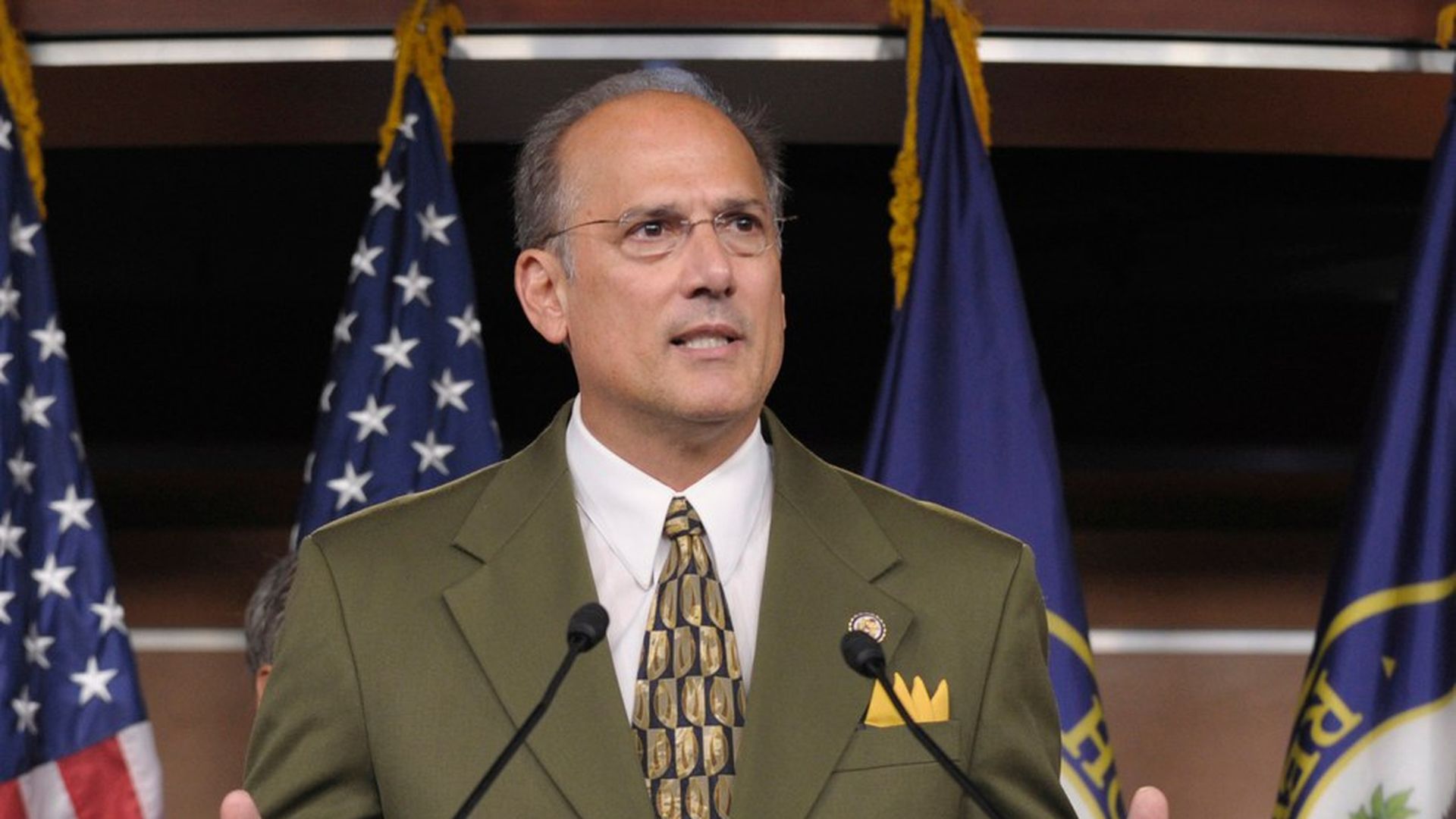
President Trump announced via Twitter this morning that Rep. Tom Marino removed his name from consideration to head the Office of National Drug Control Policy. This follows reports emerged that Marino steered a bill through Congress that significantly weakened the government's ability to crack down against the opioid epidemic.
Trump said "that he will declare a national emergency next week to address the opioid epidemic and declined to express confidence in Rep. Tom Marino (R-Pa.), his nominee for drug czar, in the wake of revelations [joint WashPost/'60 Minutes'] that the lawmaker helped steer legislation making it harder to act against giant drug companies," reports the Post lead story.
Why it matters: The report "detailed how a targeted lobbying effort helped weaken the Drug Enforcement Administration's ability to go after drug distributors, even as opioid-related deaths continue to rise."
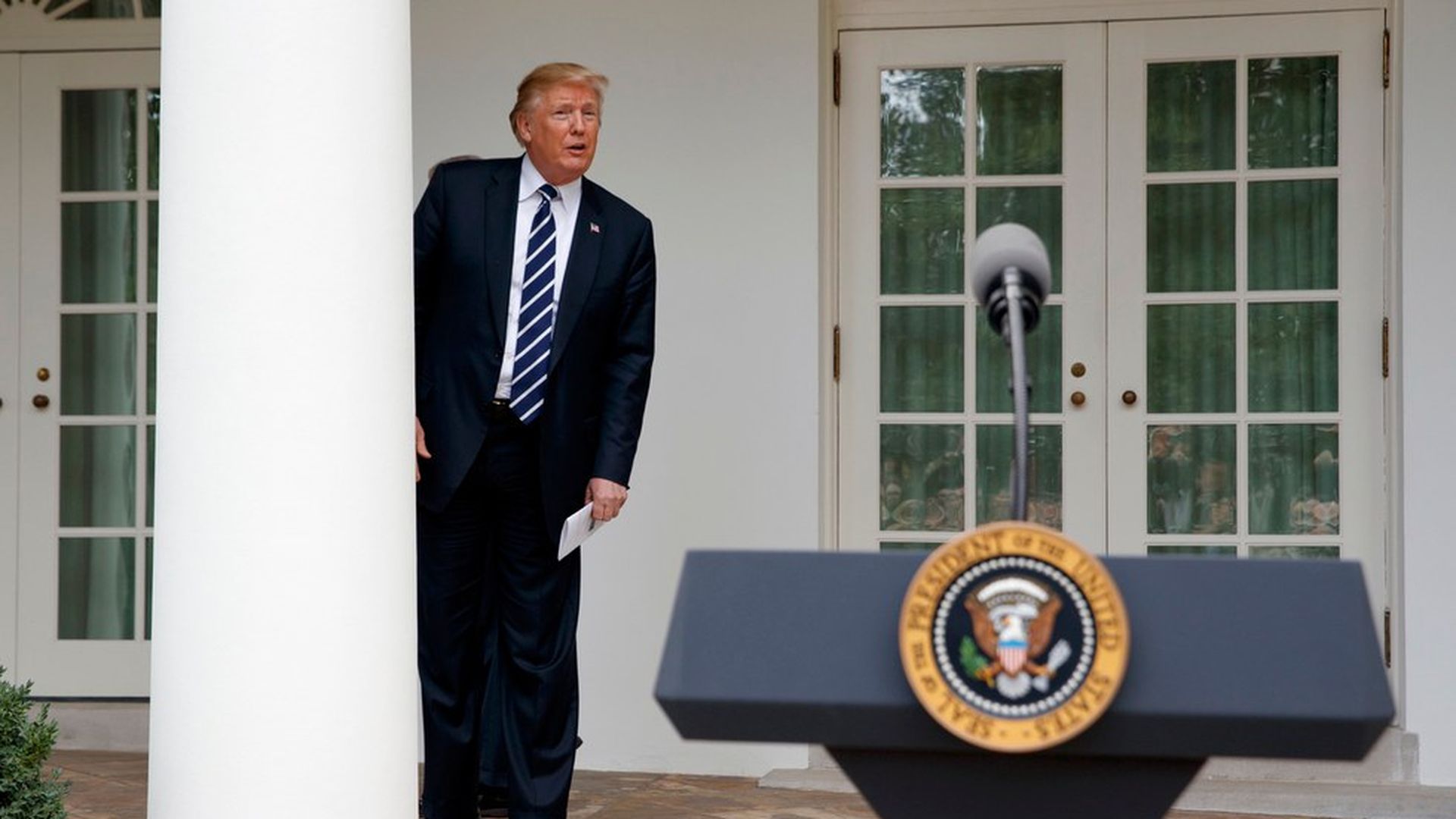
President Trump "goes there, on just about every topic imaginable," as NBC's Brian Williams put it, during a pair of Q&As, two hours apart yesterday — one in the Cabinet Room and one with Senate Majority Leader Mitch McConnell in the Rose Garden.
Why it matters: It's almost impossible for the media to cover these press conferences — or for Republicans to discern what he wants and how he plans to get it — because Trump spreads fake news while calling real news fake. This isn't new. And, yes, 35% of voters don't seem to care. But that doesn't make it any less dangerous.