Wednesday's health stories

Manchin a no on Tom Price, setting up likely party-line vote
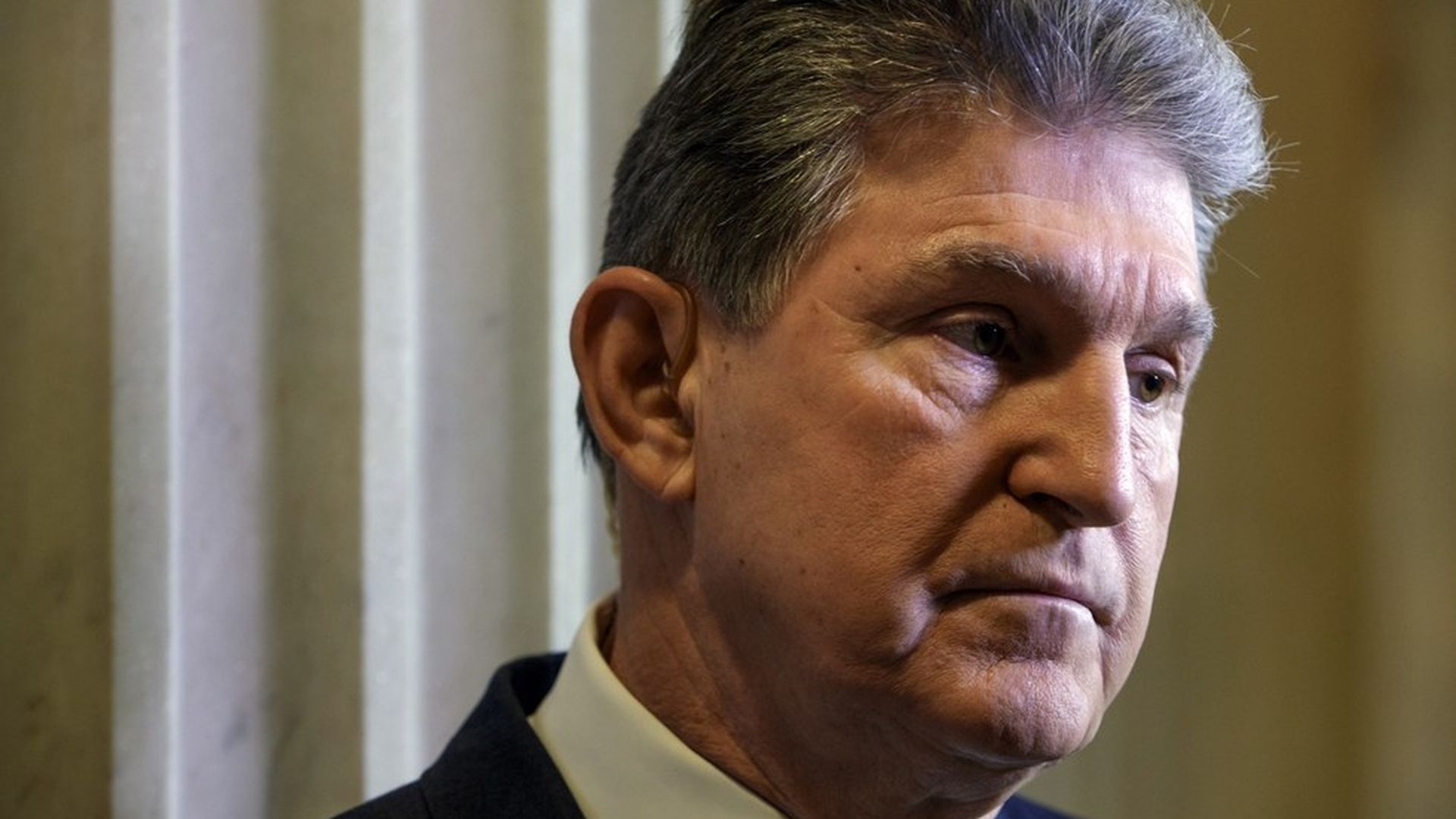
Democratic Sen. Joe Manchin will oppose Rep. Tom Price's nomination as secretary of the Department of Health and Human Services, meaning Price is likely to be confirmed with only Republican votes. The Senate has a procedural vote on Price's confirmation tonight, setting up a final vote that's likely to come sometime Friday morning.
In an interview with Axios on Wednesday, Manchin said he's opposing Price because of ethical questions raised about his stock trading. Democrats have said Price lied during his confirmation hearing about receiving a privileged, discounted offer to buy stock in a small biomedical company, as the Wall Street Journal reported. There have also been allegations that Price introduced and supported health care legislation benefitting companies he owned stock in.
"I'm really surprised he hasn't maybe pulled himself out, you know, for that reason," Manchin told me. He also said he disagrees with Price's previous support of privatizing Medicare, saying that "would put a lot of people in jeopardy."
Why it matters: Price will almost surely still be confirmed, so Manchin's vote isn't likely to change the outcome. But party-line votes on nominees — the first ones in history, thanks to the dismantling of the filibuster under Democratic leadership — is not a good look for the new administration.

Sales plunge for the biggest hepatitis C drugs
Gilead Sciences reported yesterday that its earnings fell 33% in 4Q of 2016 compared to the year before, per the Washington Examiner, and the company expects sales to fall another 22% in 2017. This sharp plunge in sales is largely a result of the company's two leading hepatitis C drugs, Sovaldi and Harvoni, which have dropped 65% and 51% respectively.
The drugs have received a lot of flak, both by the public and Congress, for their high prices. Sovaldi cost approx. $84k for a full 12-week regiment when it first came to market, and Harvoni cost nearly $100k. Now competing drugs, like the lower-priced Epclusa, are becoming more powerful rivals.
Why this isn't surprising: A 2015 report from Senators Ron Wyden and Chuck Grassley found that Gilead had ignored concerns about cost and accessibility when setting the prices. ""Gilead knew these prices would put treatment out of the reach of millions and cause extraordinary problems for Medicare and Medicaid, but still the company went ahead," said Wyden.
Freedom Caucus chairman: I'd be OK with payments to Obamacare insurers
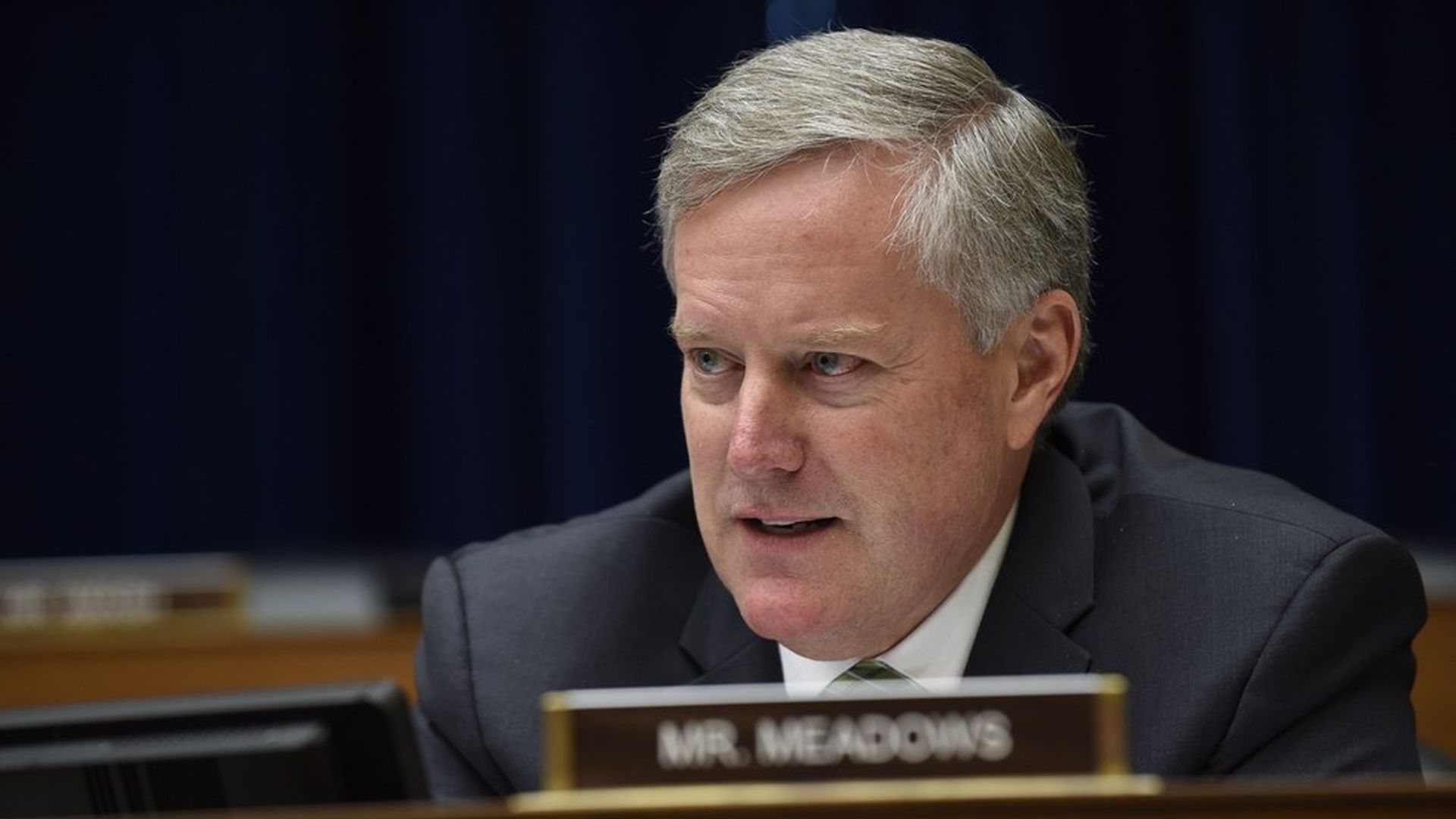
The leader of one of the most conservative House Republican groups says he could support paying health insurers back for their Obamacare subsidies, one of the main things the industry wants to stay in the markets after the law is repealed. ""I would be more flexible and could swallow some short term heartburn for some longer term fiscal responsibility" and lower health care costs, Rep. Mark Meadows, the chairman of the Freedom Caucus, told reporters at a breakfast sponsored by the Heritage Foundation. He added, however, that there has to be a longer-term plan to repeal and replace Obamacare.
Why it matters: Meadows' comments could make it a lot easier for Congress to pay health insurers for their cost-sharing reduction subsidies — which they pay to low-income Obamacare customers — so the markets don't collapse if Obamacare is repealed. House Republican leaders would have a harder time getting Congress to approve the payments if they can't win over the fiscal hardliners in the Freedom Caucus. Insurers say they'd suffer big losses if they don't get the payments, which are currently being held up by a lawsuit.
The GOP's growing problem of how to pay for Obamacare replacement

Republicans may quickly learn there's no such thing as an easy way to pay for health reform. After years of attacking Obamacare's industry taxes and other funding sources, the GOP is running out of ways to pay for their replacement plan without using the options they've criticized so heavily in the past.

The Republican who wants to regulate the drug industry's middlemen
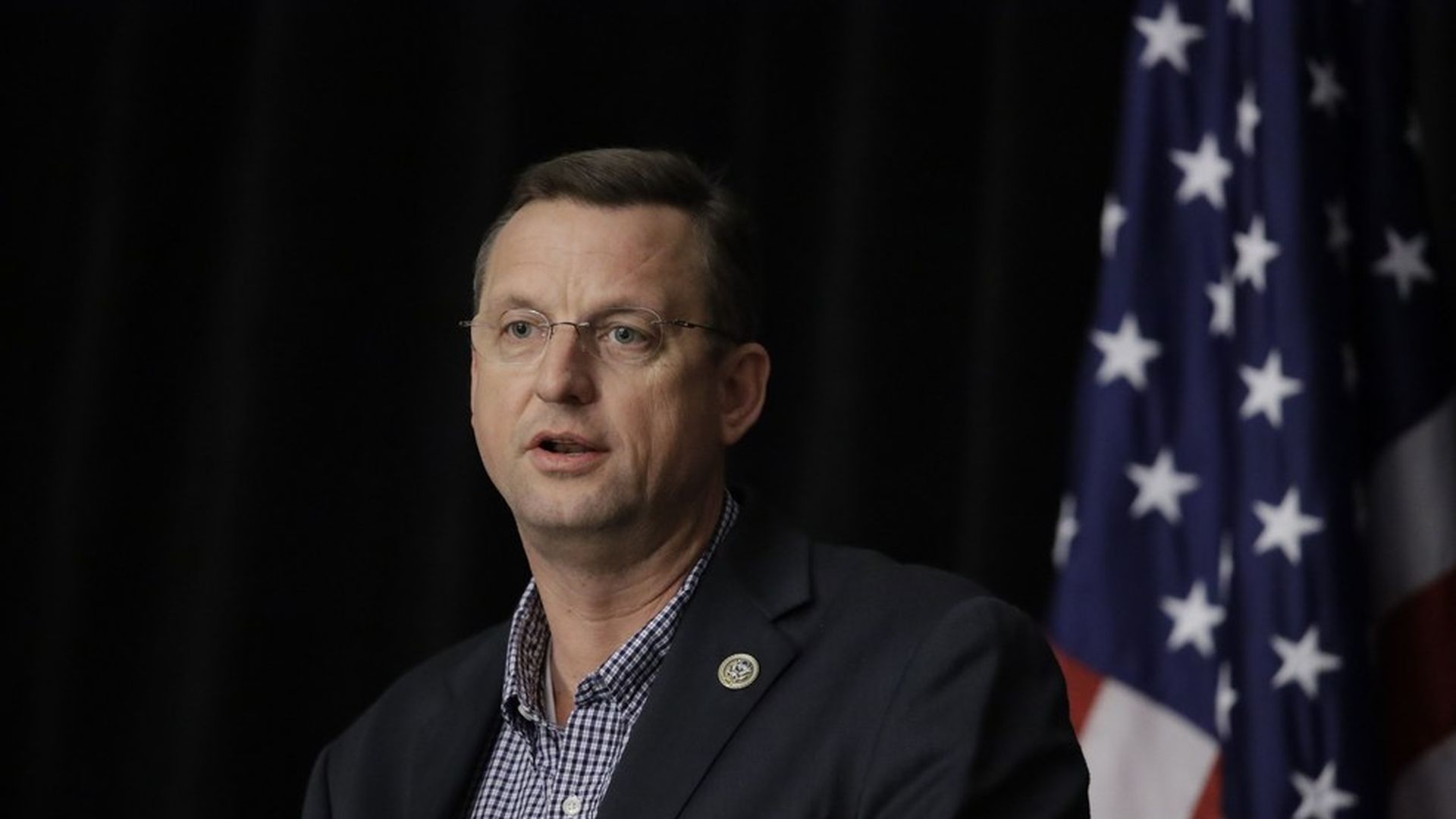
Republican Rep. Doug Collins of Georgia does not like the pharmacy benefit management industry, and he and others in Congress are ready and willing to regulate those companies, which serve as middlemen in the drug supply chain. "There's several things that are going to be coming up," Collins told Axios Tuesday.
I truly believe the PBM industry is one of the most detrimental pieces of health care.
AARP report warns about dangers of hiking premiums for older people
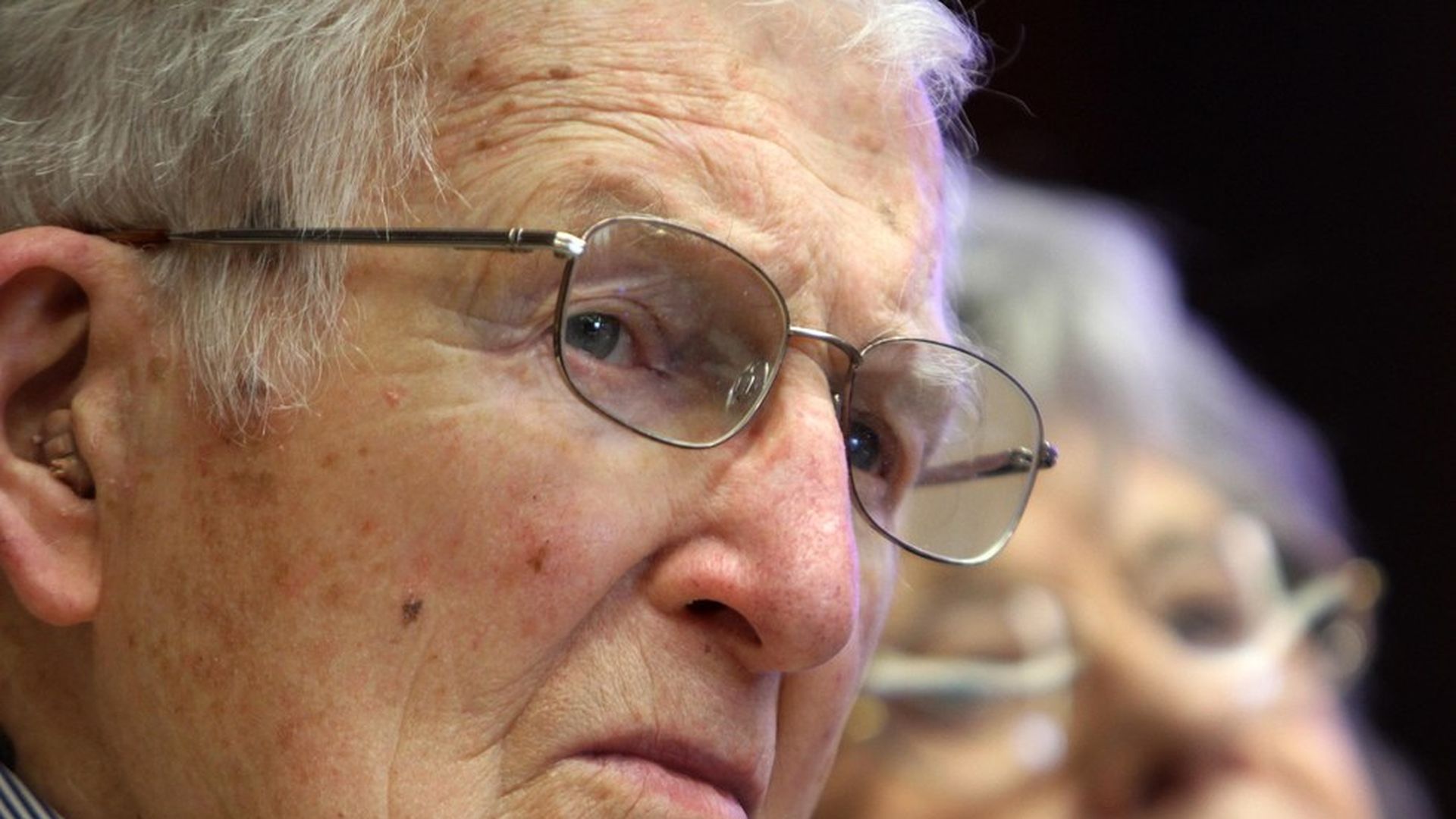
A popular GOP idea — allowing insurers to charge older people more compared to Obamacare — would increase federal spending and lead to double-digit premium increases for older adults on the individual market, a new AARP-sponsored report finds. It'd also cause 18,000 to lose coverage.
Insurers have criticized Obamacare's rule that only allows plans to charge older people three times the amount they charge young people. They've recently been pushing to change the ratio from 3:1 to 5:1, and the House Energy and Commerce Committee held a hearing on a bill doing so last week.
Why this matters: The AARP is a powerful lobbying force. If it campaigns against raising the ratio, that could easily kill one of the main Obamacare replacement policies the GOP is currently putting forward.
Key findings:
- Premiums for adults 60 and older would increase by 22 percent.
- Premiums for adults 50-59 would increase by 13 percent.
- Young adults 20-29 would see a 15 percent reduction in their premiums.
- Enrollment would increase by only 2 percent.

Checking in on Trump's 100 day agenda
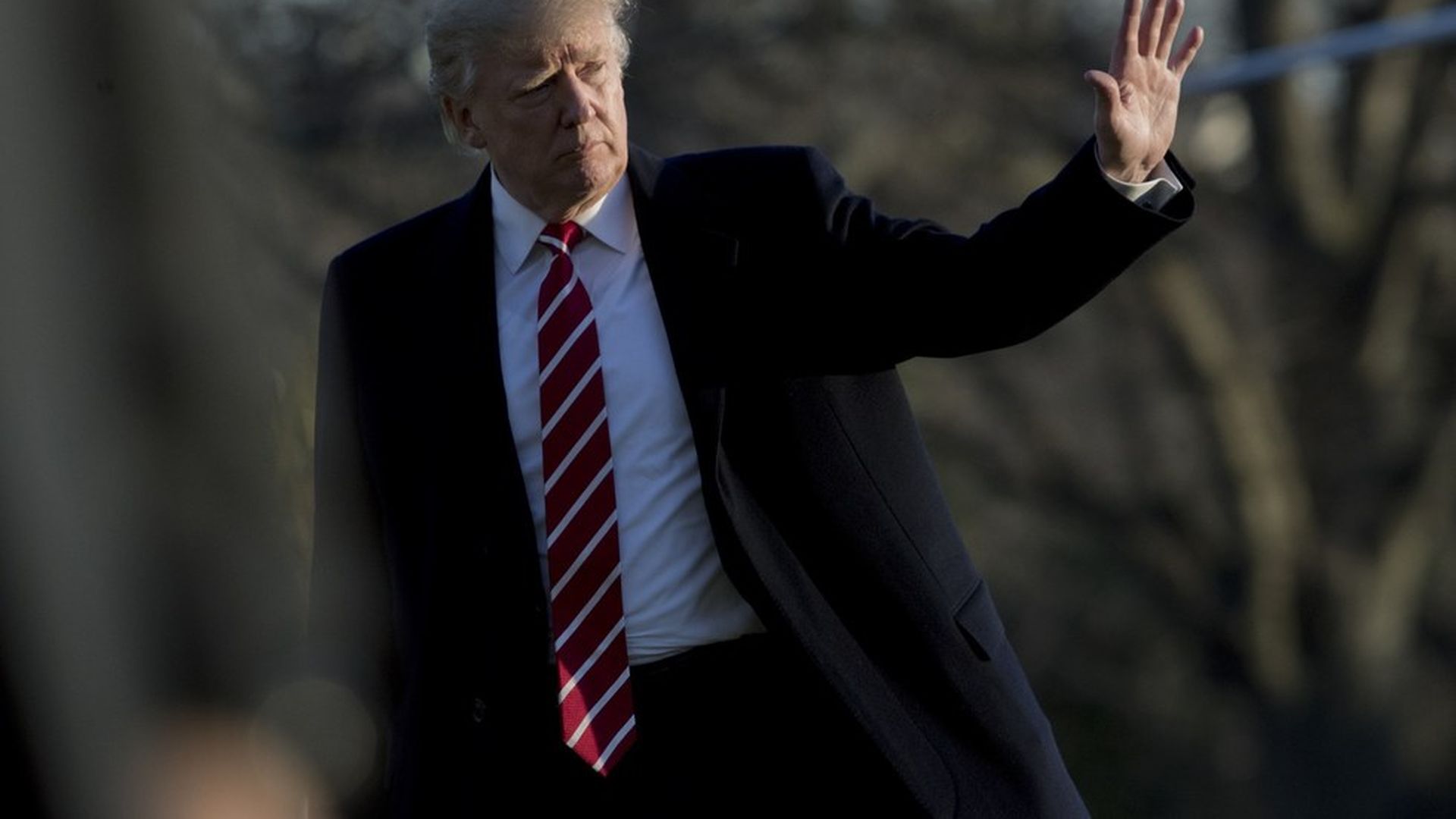
More and more it's looking like the Trump administration might not be able to get everything done in its first 100 days.
- Healthcare: GOP Hill sources told Axios that putting all the "replace" parts of health reform in place could take years. In his interview with Bill O'Reilly, which Fox News is spacing out over three nights, Trump hinted that a new healthcare law might not be rolled out within the year. As the NYTimes points out, the president's admission of replacing Obamacare is sure to be a serious disappointment to Trump's most fervent supporters.
- Tax Reform: When asked whether Americans can expect tax cuts by the end of 2017, Trump told O'Reilly, "I think so, yes. And I think that before the end of the year I would like to say yes."
- Infrastructure wish lists: In a process that began during the transition, governors from at least 44 states this week will send the administration a wish list of 300 infrastructure projects, ranging from dredging to light rail to safe water to Interstate widening. McClatchy has 20 examples.
- Risks of Trump infrastructure bank: AP's Joan Lowy and David Lieb describe how economists and transportation experts are concerned that the government may end up rewarding investors in projects that would have been built without credits.

Is it repeal o'clock yet?

So far, most of the conservative groups that have been pushing Obamacare repeal the hardest — like Americans for Prosperity and Heritage Action — have pulled some punches as the effort has slowed. Even as Republicans' internal disagreements have become more obvious, they haven't hit hard against statements like Sen. Lamar Alexander's talk of "repair" rather than repeal. Now, they're going to start pushing Congress to get on with it.
"It's time for Congress to put out language — actual, specific language" for repeal and replacement bills, Americans for Prosperity president Tim Phillips told me. He didn't sound worried about President Trump's comments to Bill O'Reilly Sunday about the repeal work possibly continuing into next year: "We're more focused on getting language."
Top Republicans insist they're still on the case, and that they're still united in their goal of repealing and replacing the law, as Senate Finance Committee chairman Orrin Hatch said in a floor speech yesterday. But the lack of movement in the committees has become pretty obvious. Here's the evidence House Speaker Paul Ryan's office cited yesterday to prove that Congress is doing things on repeal:
- The House Energy and Commerce health subcommittee is working on two Medicaid bills this morning: one to make it harder for wealthy couples to get Medicaid, the other to make sure it's not spending money on lottery winners.
- The House Small Business Committee is holding a hearing.
- Tom Price may be confirmed later this week.