Thursday's health stories

The heat on pharmacy benefit managers is building

Pharmacy benefit managers — the middlemen in drug price negotiations — have been under siege since Donald Trump was elected last fall and vowed to go after rising drug costs. We reported on this in January, but the swell of criticism has accelerated further. One prominent financial analyst compared one of the largest such companies, Express Scripts, to gangster John Gotti — a comparison a top company official calls "crazy."
The pharmacy benefit management industry is prepared to fight back against the criticism and any possible regulations. But here's the political challenge: It's going to have a tough time explaining the value of its companies to the public, especially since their business model relies on secrecy and that consumers have little knowledge of what pharmacy benefit managers are.
The financial impact of UnitedHealth's Obamacare exit
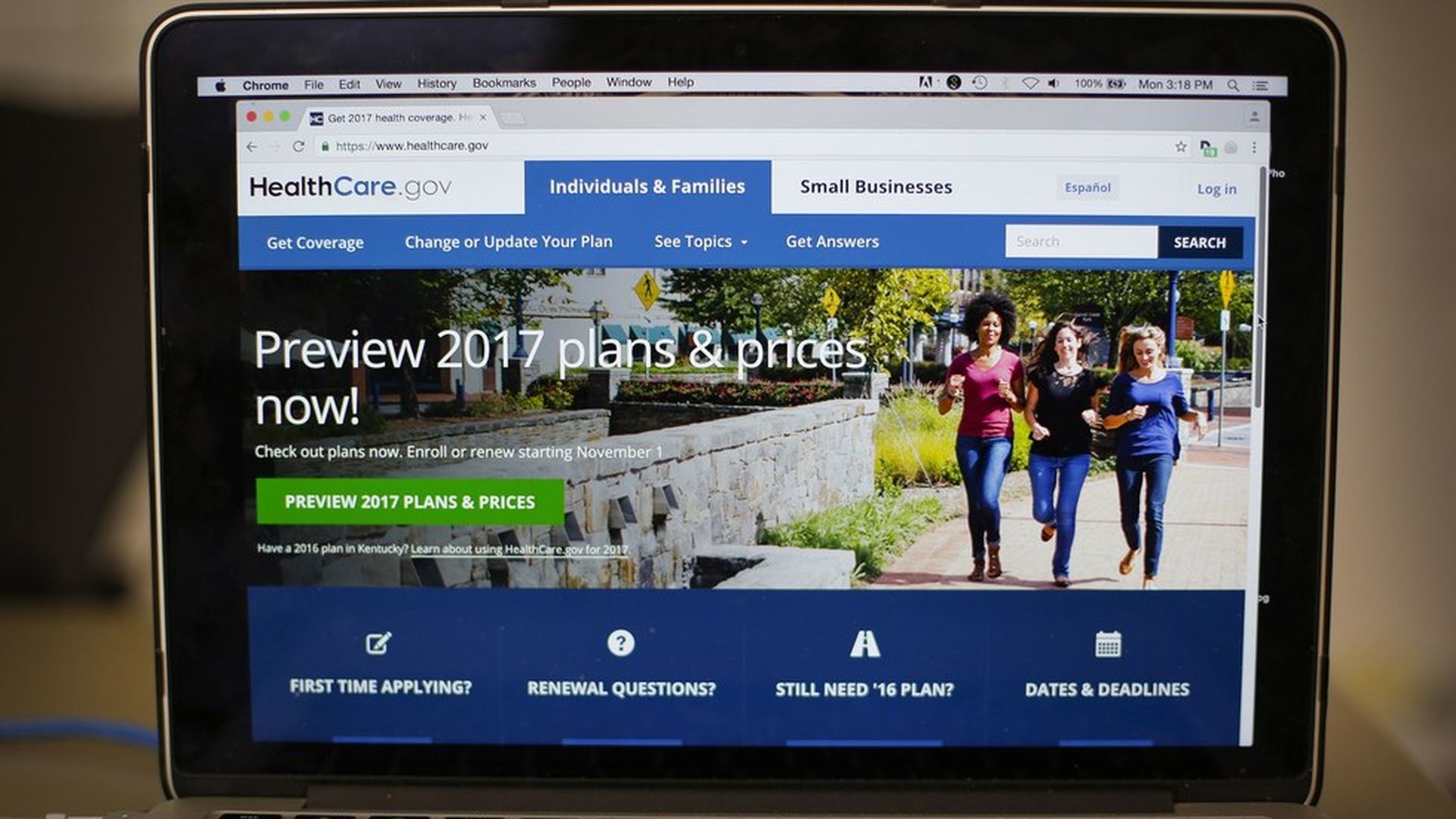
UnitedHealth Group's retreat from the Obamacare exchanges will reduce its premium revenue by $4 billion this year, the health insurance conglomerate said in an annual securities filing Wednesday.
- UnitedHealth will lose 1 million individual-market members.
- But the $4 billion reduction in premium dollars only represents about 3% of UnitedHealth's premium revenue.
- The company bailed on nearly all of its Obamacare plans, going from 34 states in 2016 to just three for 2017, after it lost more than $1 billion.
The exits were surprising when they were first announced in November 2015, considering UnitedHealth executives previously called the exchanges a "strong, viable growth market." But UnitedHealth made costly errors, such as miscalculating premium prices and not understanding the health needs of people in the individual market.
But wait, there's more: UnitedHealth also acknowledged in the filing that the Trump administration and Republicans want to repeal and replace the Affordable Care Act, and "any changes to this law could materially impact our operating results, require us to revise the ways in which we conduct business or put us at risk for loss of business." That's a subtle reminder that UnitedHealth has an army of its own lobbyists in Washington.

Manchin a no on Tom Price, setting up likely party-line vote
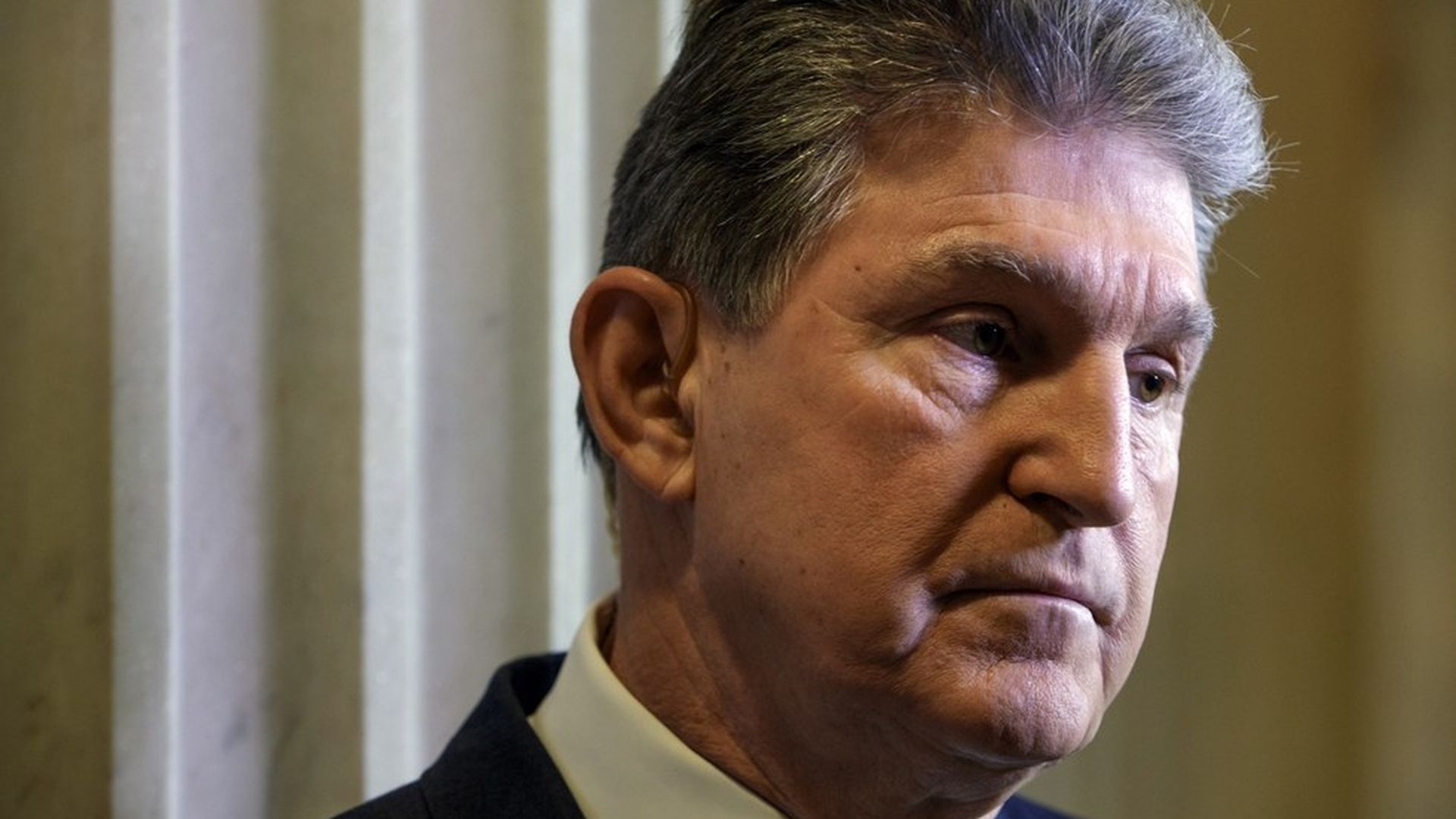
Democratic Sen. Joe Manchin will oppose Rep. Tom Price's nomination as secretary of the Department of Health and Human Services, meaning Price is likely to be confirmed with only Republican votes. The Senate has a procedural vote on Price's confirmation tonight, setting up a final vote that's likely to come sometime Friday morning.
In an interview with Axios on Wednesday, Manchin said he's opposing Price because of ethical questions raised about his stock trading. Democrats have said Price lied during his confirmation hearing about receiving a privileged, discounted offer to buy stock in a small biomedical company, as the Wall Street Journal reported. There have also been allegations that Price introduced and supported health care legislation benefitting companies he owned stock in.
"I'm really surprised he hasn't maybe pulled himself out, you know, for that reason," Manchin told me. He also said he disagrees with Price's previous support of privatizing Medicare, saying that "would put a lot of people in jeopardy."
Why it matters: Price will almost surely still be confirmed, so Manchin's vote isn't likely to change the outcome. But party-line votes on nominees — the first ones in history, thanks to the dismantling of the filibuster under Democratic leadership — is not a good look for the new administration.

Sales plunge for the biggest hepatitis C drugs
Gilead Sciences reported yesterday that its earnings fell 33% in 4Q of 2016 compared to the year before, per the Washington Examiner, and the company expects sales to fall another 22% in 2017. This sharp plunge in sales is largely a result of the company's two leading hepatitis C drugs, Sovaldi and Harvoni, which have dropped 65% and 51% respectively.
The drugs have received a lot of flak, both by the public and Congress, for their high prices. Sovaldi cost approx. $84k for a full 12-week regiment when it first came to market, and Harvoni cost nearly $100k. Now competing drugs, like the lower-priced Epclusa, are becoming more powerful rivals.
Why this isn't surprising: A 2015 report from Senators Ron Wyden and Chuck Grassley found that Gilead had ignored concerns about cost and accessibility when setting the prices. ""Gilead knew these prices would put treatment out of the reach of millions and cause extraordinary problems for Medicare and Medicaid, but still the company went ahead," said Wyden.
Freedom Caucus chairman: I'd be OK with payments to Obamacare insurers
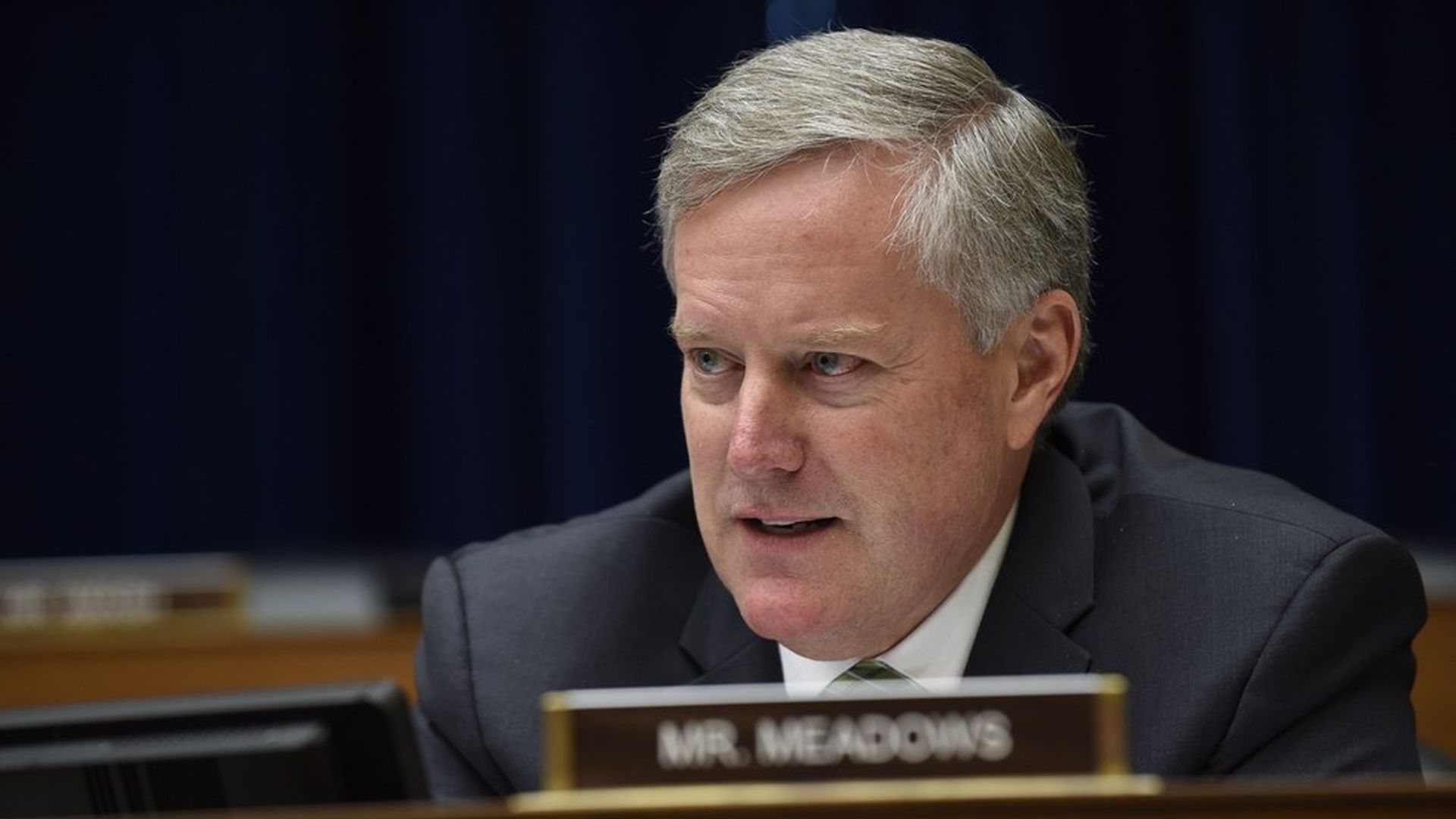
The leader of one of the most conservative House Republican groups says he could support paying health insurers back for their Obamacare subsidies, one of the main things the industry wants to stay in the markets after the law is repealed. ""I would be more flexible and could swallow some short term heartburn for some longer term fiscal responsibility" and lower health care costs, Rep. Mark Meadows, the chairman of the Freedom Caucus, told reporters at a breakfast sponsored by the Heritage Foundation. He added, however, that there has to be a longer-term plan to repeal and replace Obamacare.
Why it matters: Meadows' comments could make it a lot easier for Congress to pay health insurers for their cost-sharing reduction subsidies — which they pay to low-income Obamacare customers — so the markets don't collapse if Obamacare is repealed. House Republican leaders would have a harder time getting Congress to approve the payments if they can't win over the fiscal hardliners in the Freedom Caucus. Insurers say they'd suffer big losses if they don't get the payments, which are currently being held up by a lawsuit.
The GOP's growing problem of how to pay for Obamacare replacement

Republicans may quickly learn there's no such thing as an easy way to pay for health reform. After years of attacking Obamacare's industry taxes and other funding sources, the GOP is running out of ways to pay for their replacement plan without using the options they've criticized so heavily in the past.