A Middle Eastern sovereign wealth fund last month sued to stop a Houston-based private equity firm from selling a portfolio company to a continuation vehicle, with both sides yesterday agreeing to enter arbitration.
Why it matters: This dispute gets at the fundamental conflict between LPs and GPs when it comes to CVs, which may have just peaked, if you boil away all goodwill and assumption of positive intent.
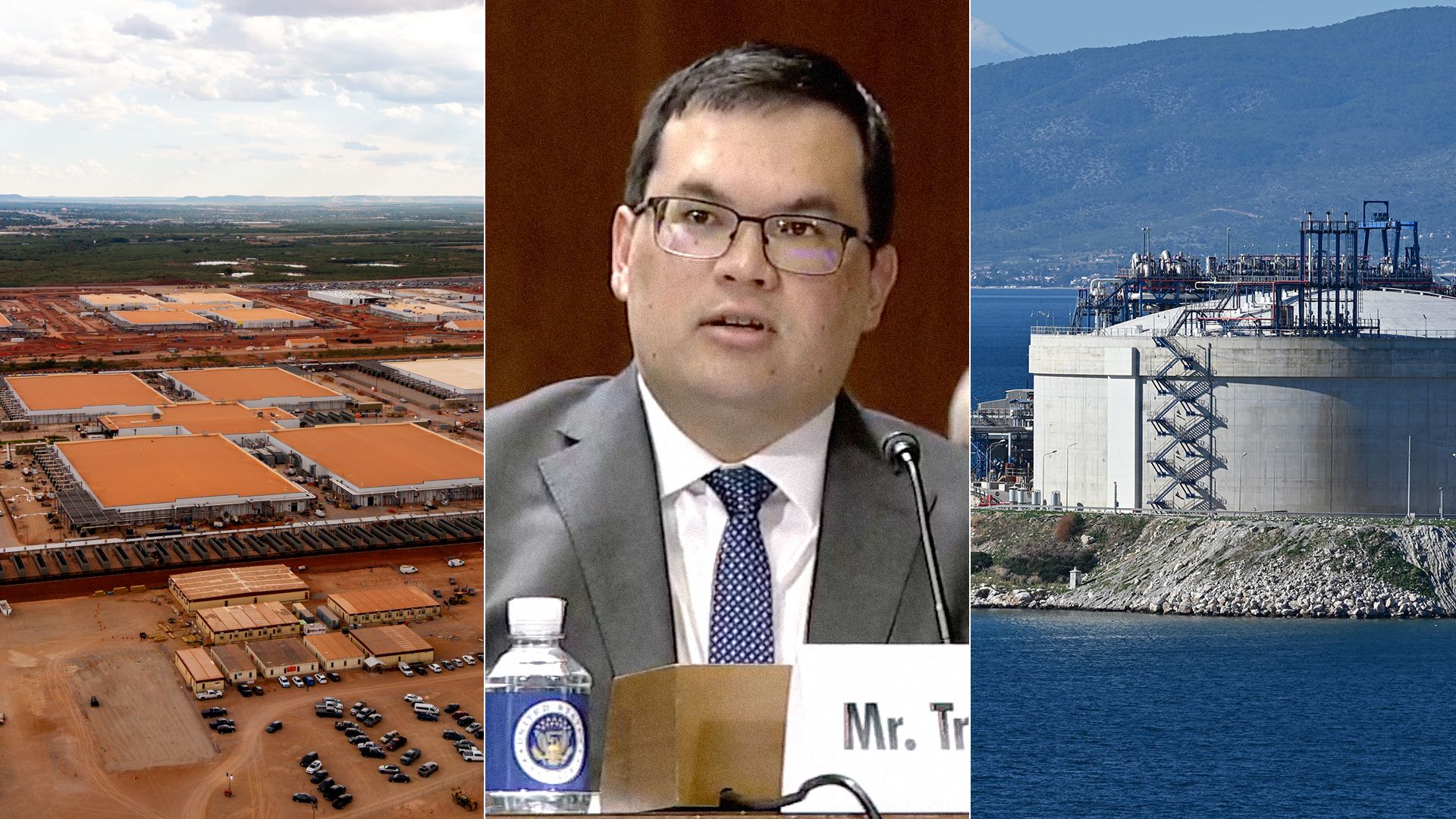
The new head of the U.S. government's market-moving energy stats and analysis arm has revealed plans to formally track data centers as the AI boom deepens.
Why it matters: Policymakers, investors, activists and everyone in between are struggling to understand what, exactly, is happening with this growing source of energy demand.
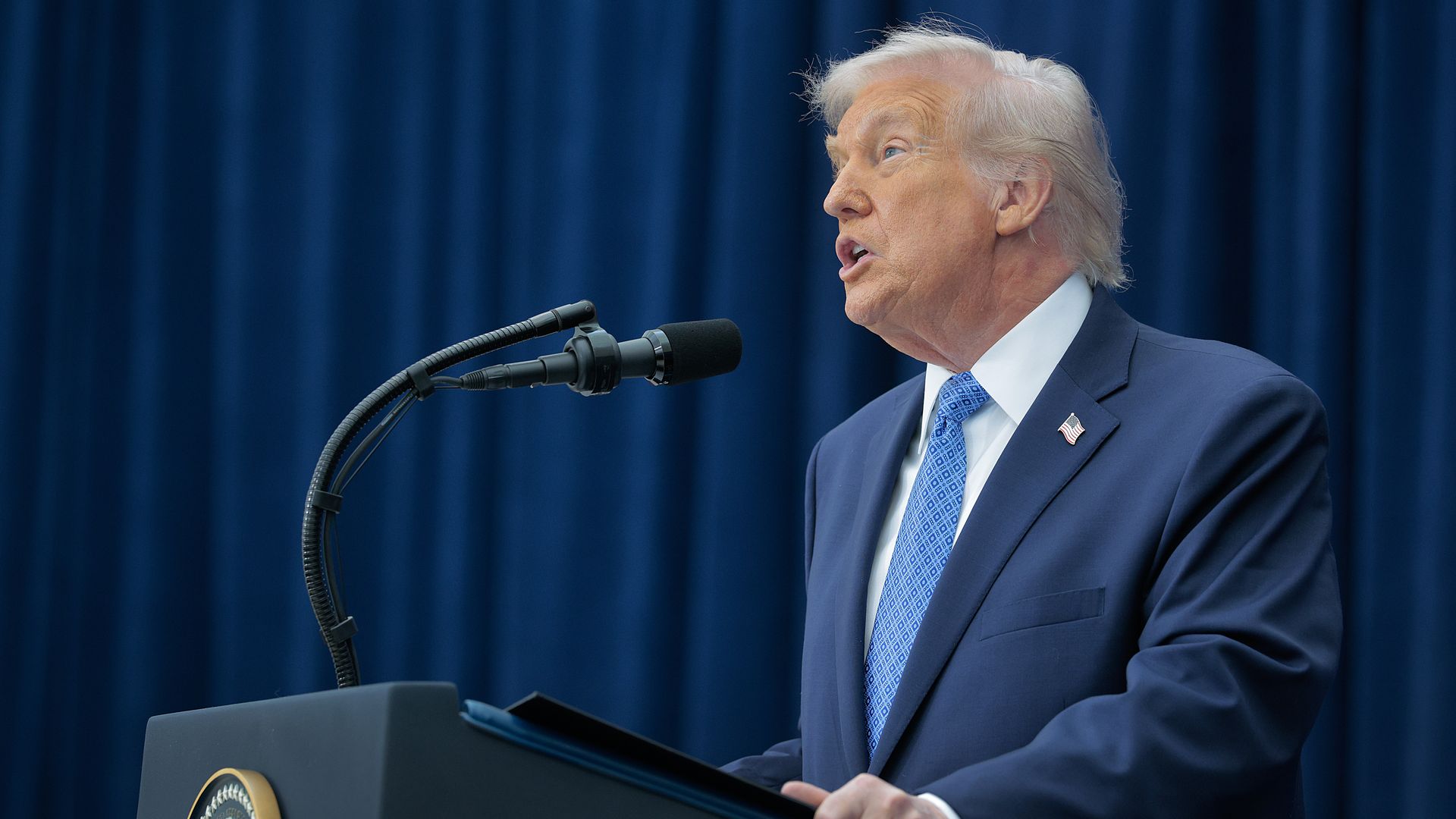
President Trump on Thursday signed a peace deal to end the war in eastern Congo and used the moment to advance another priority: securing U.S. access to critical minerals.
The big picture: The Trump administration has aggressively pursued rare earth minerals and magnets overseas — vital for everything from the production of vehicles to nuclear weapons — after China threatened U.S. access.
Copper prices have been on a tear, rising to record highs, spurred by supply disruptions and worries over Trump's tariffs.
Why it matters: When it comes to the digital economy, copper is a precious metal, vital for computer chips, EVs, data centers and just about everything that is electrified.
Auto standards are the latest energy policy fight to get subsumed into the politics of affordability that look slated to dominate the midterms.
Why it matters: Contra the late Kris Kristofferson, freedom's just another word for ... cheaper vehicles. That's what Trump officials claim by naming their rollback of auto mileage rules the "Freedom Means Affordable Cars" plan.
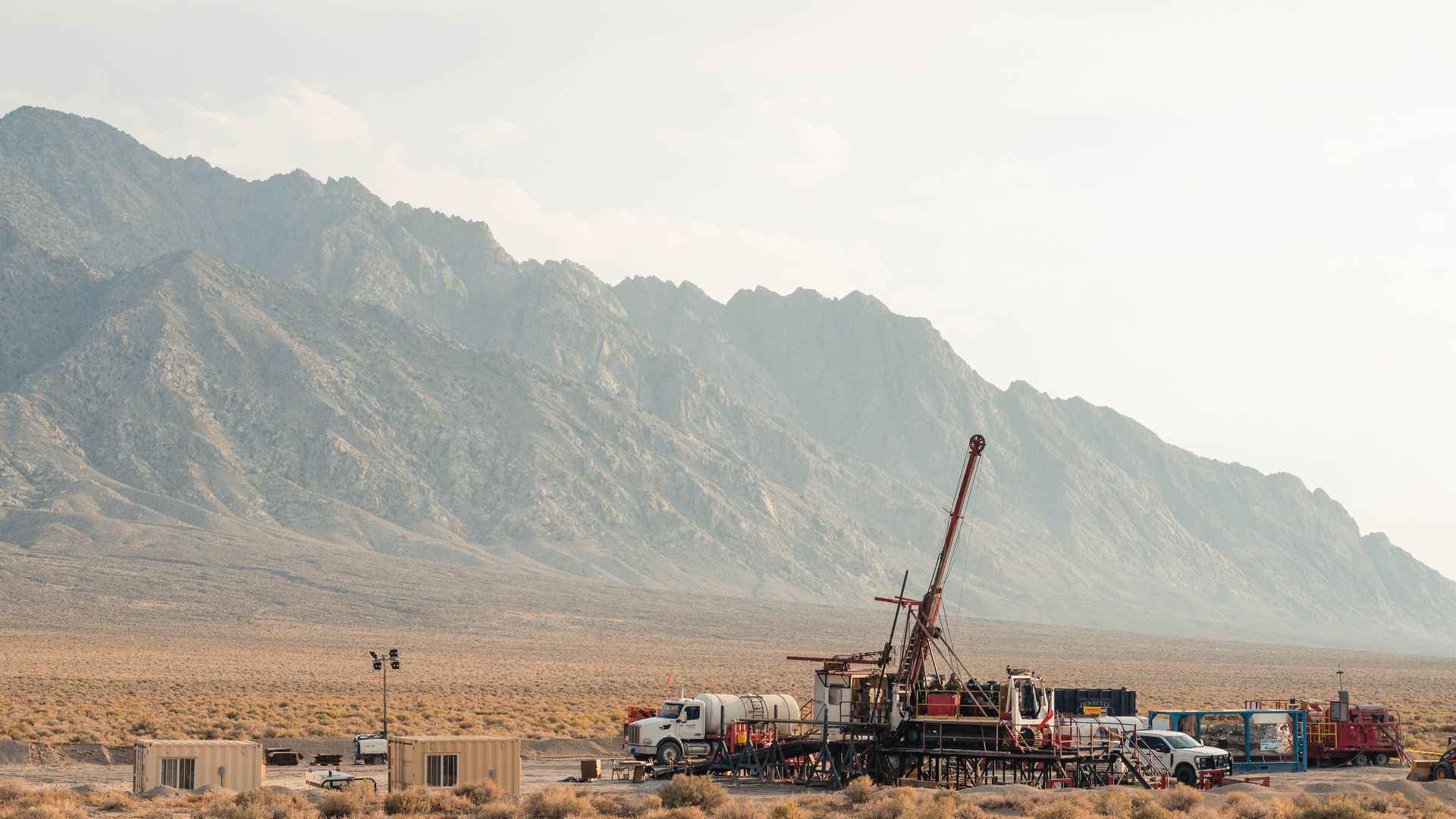
A geothermal energy company announced Thursday that it has discovered — with AI's help — the first commercially viable system of its kind in over 30 years.
Why it matters: Zanskar Geothermal and Minerals officials said the underground find, in a remote area of western Nevada, offers fresh evidence that geothermal can become an attractive option to meet soaring U.S. energy demand.
Editor's note: This Axios story was removed after the Nature study it was based on, "'The economic commitment of climate change," was retracted by the publication due to inaccuracies in some of the underlying economic data and discrepancies in some of the estimates for climate damages. The study authors intend to submit a revised version of the paper for peer review.