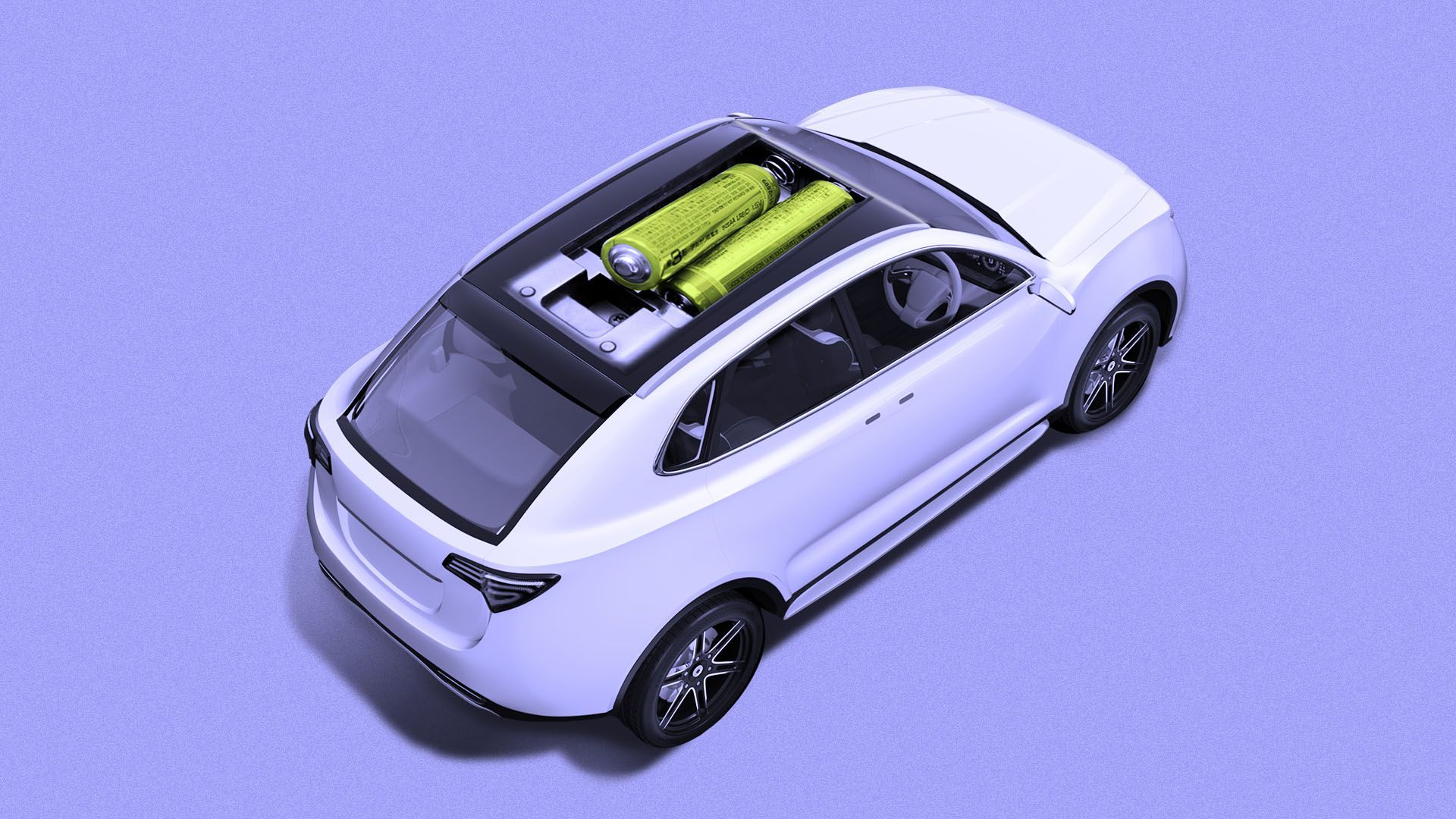
Car batteries are like wine fridges: They're never big enough. That's a real problem for anybody who hopes that electric vehicles will help decarbonize the planet and reduce pollution.
Why it matters: EVs are extraordinarily heavy, and the larger their batteries, the heavier they become. That makes them more dangerous, increases pollution, minimizes decarbonization, and locks in a geopolitically fraught reliance on China.
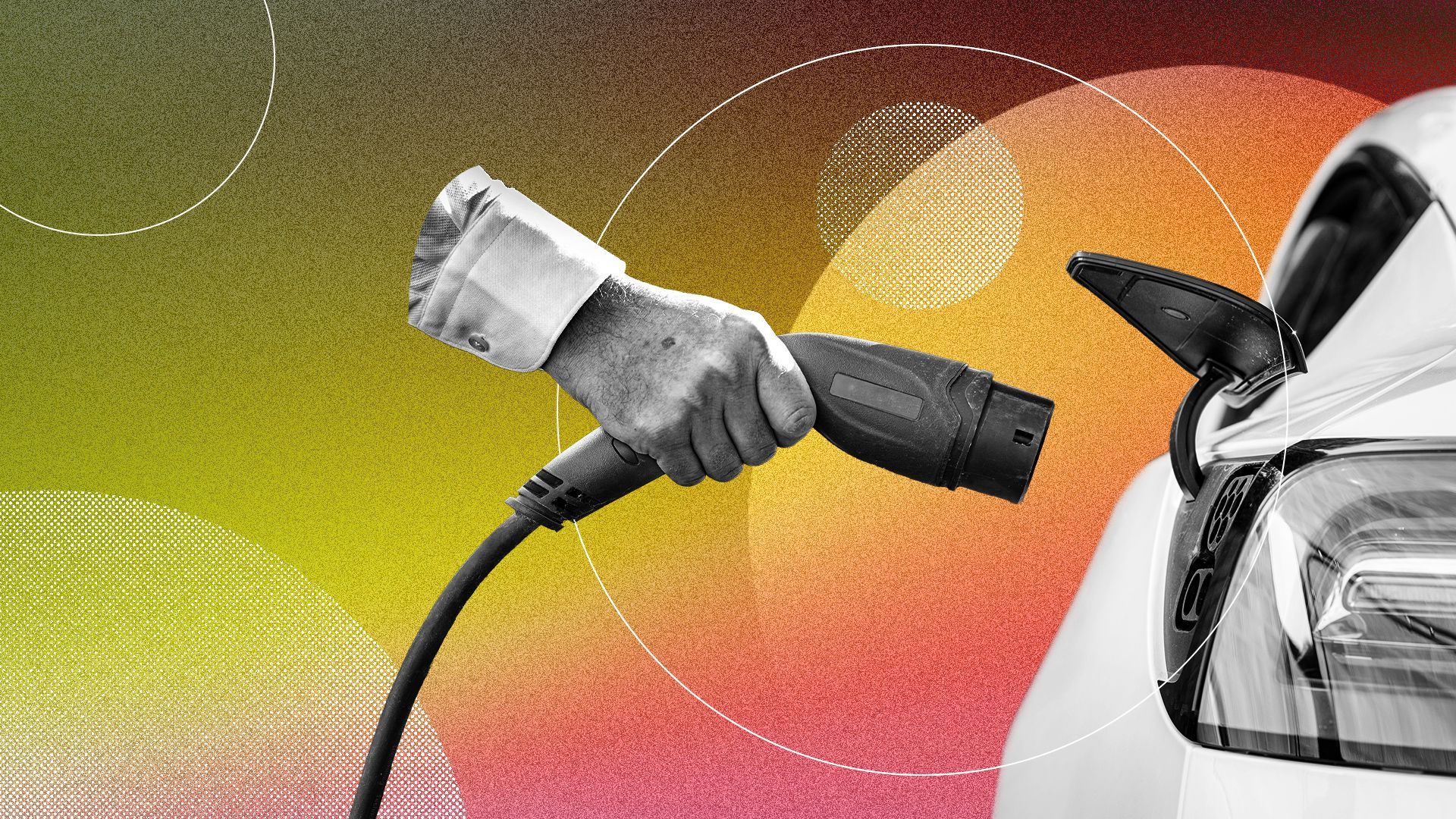
Ford's unexpected embrace of Tesla's charging technology dramatically escalates the battle for the future of electric vehicle (EV) charging — the next great Lightning vs. USB-C or VHS vs. Betamax-style standardization war.
Why it matters: EVs won't go mainstream until refueling them is as simple as filling up a gas-powered car.
California's state senate on Thursday overwhelmingly approved a ban on fossil fuel investments by the pension funds representing state employees and state teachers.
Why it matters: CalPERS and CalSTRS are the country's two largest state pension systems, with around $768 billion in combined assets under management.
The outlookfor the 2023 Atlantic hurricane season is more notable for its unusual level of uncertainty than for what it actually projects, Andrew writes.
The big picture: The National Oceanic and Atmospheric Administration's latest forecast, which aims to help governments and coastal residents prepare for the season, predicts a rare battle between two powerful climate forces — one of which has its roots in human activities.
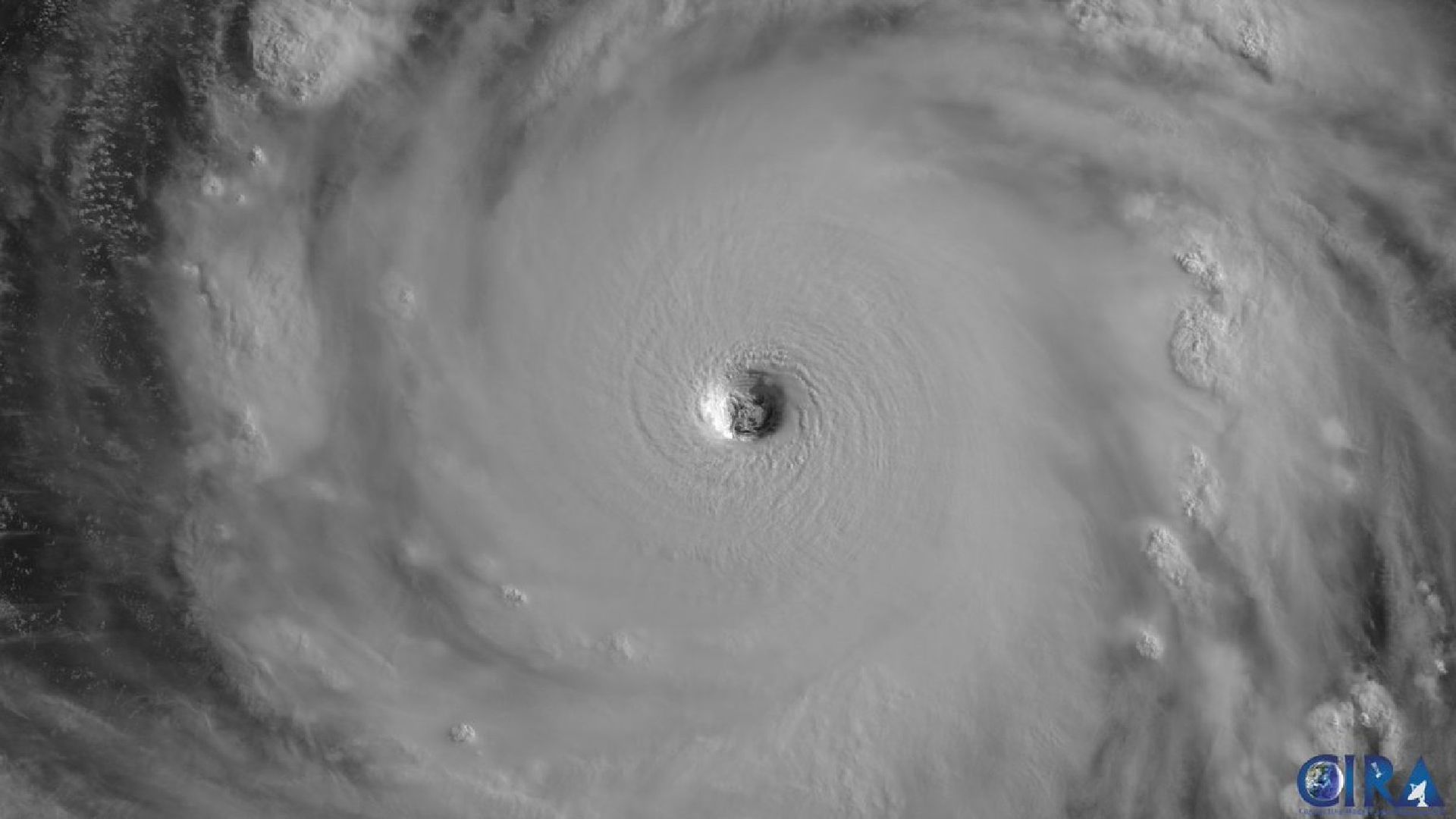
Super typhoon Mawar strengthened into the equivalent of a powerful Category 5 hurricane as it pulled away from the Mariana Islands after pummeling Guam earlier this week.
State of play: That's according to the Joint Typhoon Warning Center, which recorded Mawar's maximum sustained winds at 185 mph on Friday morning local Guam time. President Biden approved a disaster declaration late Thursday for Guam — which Mawar slammed with heavy rains and powerful winds, knocking out power and downing trees across the U.S. territory.