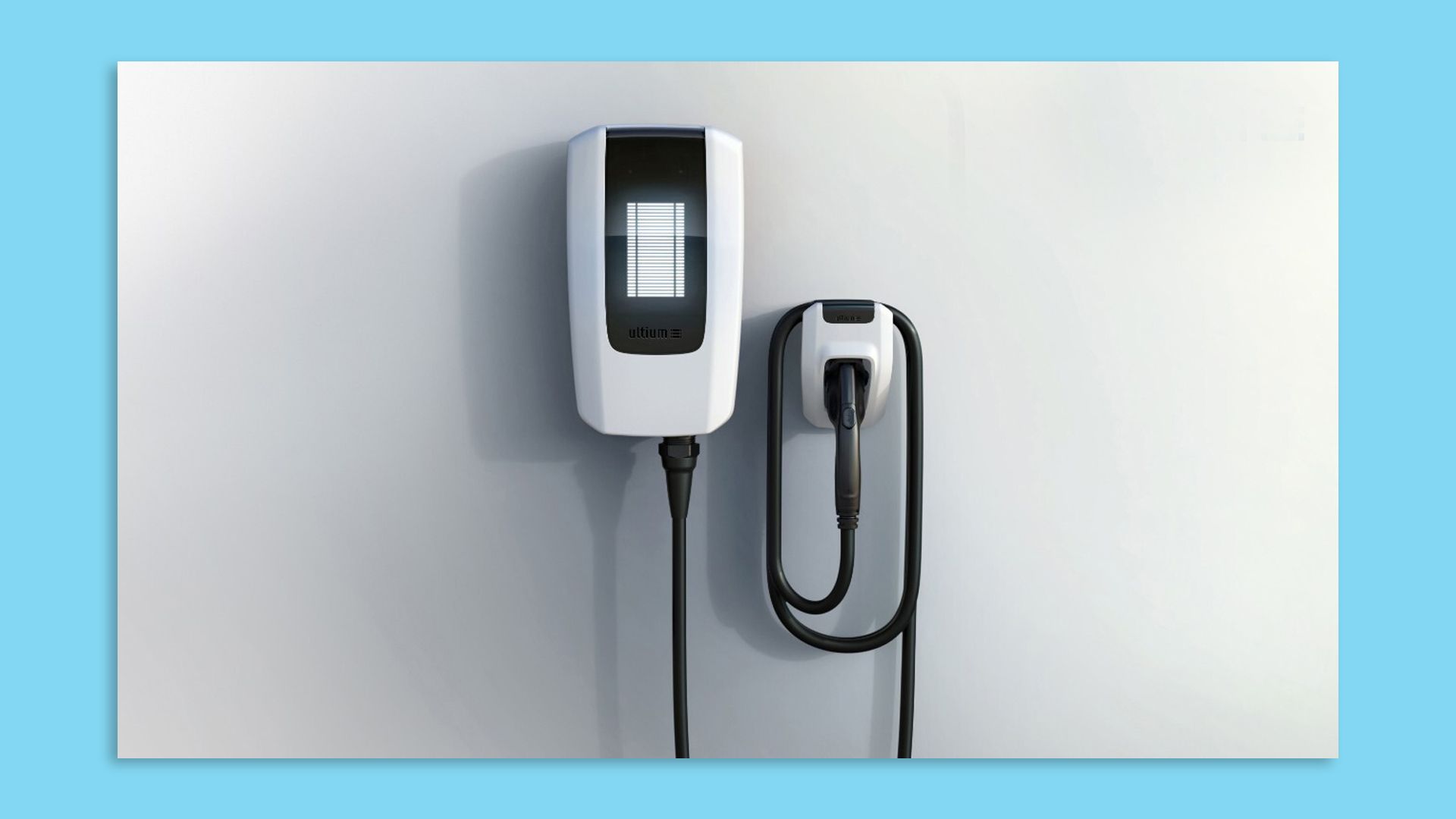
General Motors will work with its dealers to fill gaps in America's electric vehicle charging infrastructure, including installing new charging stations in underserved urban and rural areas.
Why it matters: People aren't likely to buy electric vehicles unless it is convenient to charge them at home, at work or on road trips. That's why the Biden administration wants Congress to allocate funding for as many as 500,000 new EV chargers across the U.S., for example.
The Fish and Wildlife Service and National Marine Fisheries Service announced Tuesday they will rescind two Trump administration regulations that changed the definition of a habitat and limited protections of certain plants and animals.
Why it matters: It's part of the Biden administration's broad rollback of many Trump-era rule changes to the Endangered Species Act and conservation efforts in general.
The sprint to secure more stringent emissions reduction commitments ahead of the COP26 summit has petered out well short of the finish line, a new United Nations report out this morning concludes.
Driving the news: The "Emissions Gap" report offers a clear comparison between where emissions need to be to reach the Paris Agreement's goals, and where they actually are. It takes new and preexisting emissions pledges, called Nationally Determined Contributions (NDCs), into consideration.
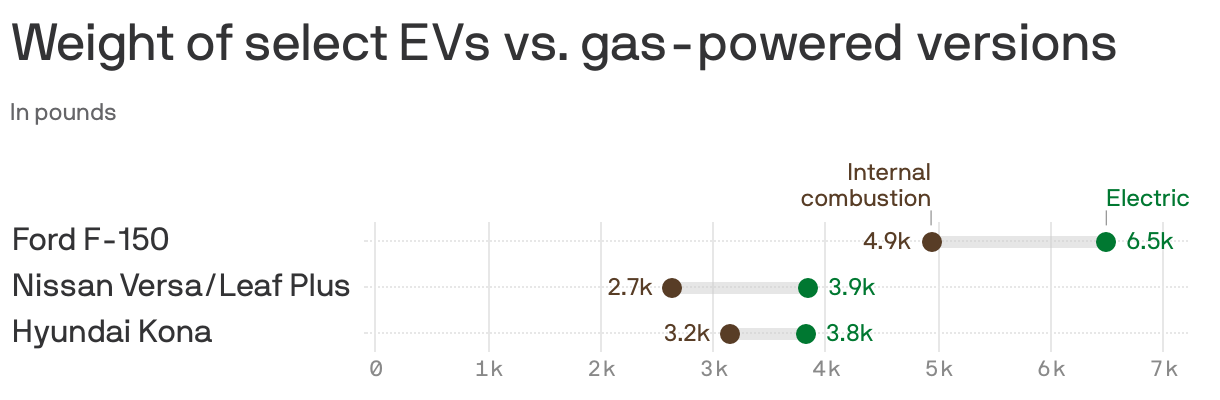
Analysis in the journal Nature finds electric vehicles' high weight relative to gas-powered models creates safety risks that can be addressed through design and policy changes.
The big picture: EVs are heavy due to battery weights and heavier equipment to provide "necessary structural support." That's a problem because heavier vehicles mean more deaths in accidents.
Eco-conscious salad chain Sweetgreen's new filing with regulators to go public offers a window onto how companies must grapple with climate risks to the food system.
Driving the news: Sweetgreen's paperwork, like other pre-IPO filings, lists potential headwinds. Climate change is among them.
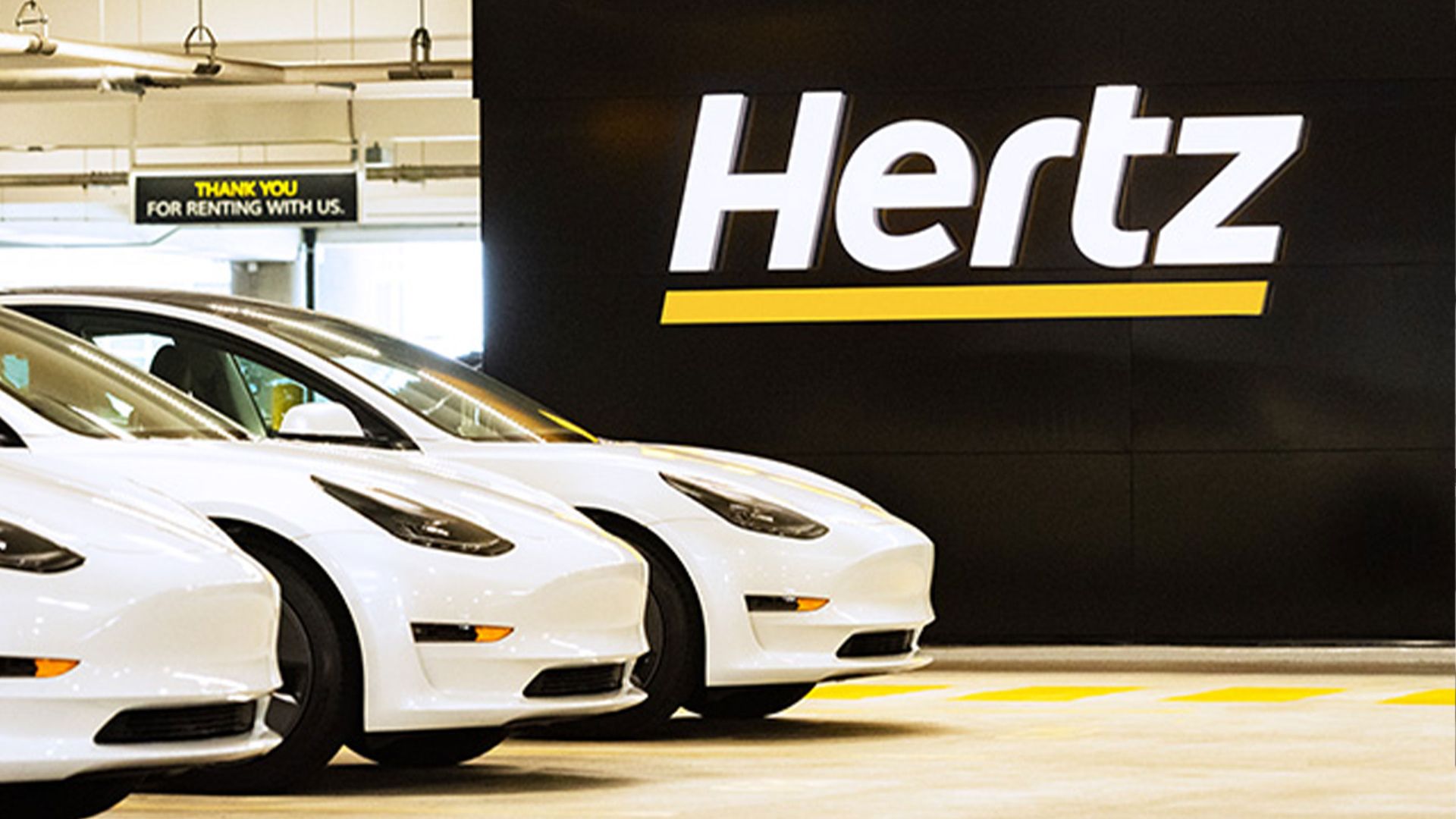
People who are on the fence about buying an electric vehicle — or who can't afford one — can now rent one from Hertz.
Driving the news: The giant rental car company said Monday it is adding 100,000 Teslas to its fleet as the first step in a major shift toward electrification.
The order represents $4.2 billion in revenue for Tesla and is the carmaker's biggest-ever order, Bloomberg reported. Tesla's market cap reached $1 trillion following the deal.
The vehicles will account for more than 20% of Hertz's global fleet. And Hertz is also adding thousands of charging stations to its rental locations and hiring seven-time Super Bowl champ Tom Brady to pitch EVs to consumers.
Why it matters: Broader availability of electric cars on rental lots could give the EV movement a needed boost by allowing cautious consumers a no-risk way to try before they buy.
The big picture: President Biden wants half of all new cars sold to be electric by 2030, and many carmakers are making the pledge to switch away from gasoline-powered vehicles by the middle of the next decade.
But consumer demand remains low, with battery-electric vehicles accounting for less than 5% of auto sales.
Yes, but: Consumers are getting more curious about plug-in models.
"Consumer confidence and acceptance of EVs is growing gradually," says Michelle Krebs, executive analyst for Cox Automotive, adding that the opportunity to try one for a few days could snag more interest.
Surveys show that when people gain experience with new technologies, they become more accepting, she said.
For example, luxury car owners with driver-assist systems like adaptive cruise control are much more accepting of autonomous vehicles than those who've never experienced the technology.
What they're saying: "Electric vehicles are now mainstream, and we've only just begun to see rising global demand and interest," Hertz interim CEO Mark Fields said in a statement.
What's next: Consumers will be able to rent a Tesla Model 3 at Hertz airport and neighborhood locations in U.S. major markets and select cities in Europe starting in early November, with availability growing through 2022.
They'll have access to 3,000 Tesla Supercharger stations, besides the Hertz-installed chargers.
But EVs take some getting used to and features like regenerative braking could be confusing to drivers getting acclimated to their rental car late at night in an airport garage.
Hertz said it will offer help to educate customers about their EV through the Hertz mobile app.
Of note: Teslas are already popular on the peer-to-peer car rental site, Turo, CEO Andre Haddad tells Axios.
Some are booked by travelers and others by potential buyers looking for an extended test drive.
Many Turo hosts maintain small fleets of Teslas and EVs to keep up with demand.
Car rental company Hertz announced Monday it will purchase 100,000 Tesla Model 3s by the end of 2o22 and install thousands of chargers across the United States as part of the company's turn toward electric vehicles.
Nations' formal emissions targets submitted under the Paris climate agreement, even if implemented, would fall well short of the deal's benchmarks for holding global warming in check, a new United Nations analysis concludes.
After 12 years of fits and starts, industrialized nations on Monday put forward a detailed plan to provide at least $100 billion annually in climate aid to developing countries starting by 2023.
Why it matters: The plan, presented by representatives of Canada and Germany, is aimed at defusing one of the biggest sources of tension at COP26, which is the failure of industrialized nations to follow through on their financial commitments.
The economic downturn had no clear effect on either the atmospheric levels of greenhouse gases in 2020 and 2021 or how quickly they climbed, a new UN report finds.
Why it matters: The findings of the World Meteorological Organization's (WMO) Greenhouse Gas Bulletin are another alarm bell ringing louder ahead of the COP26 summit.
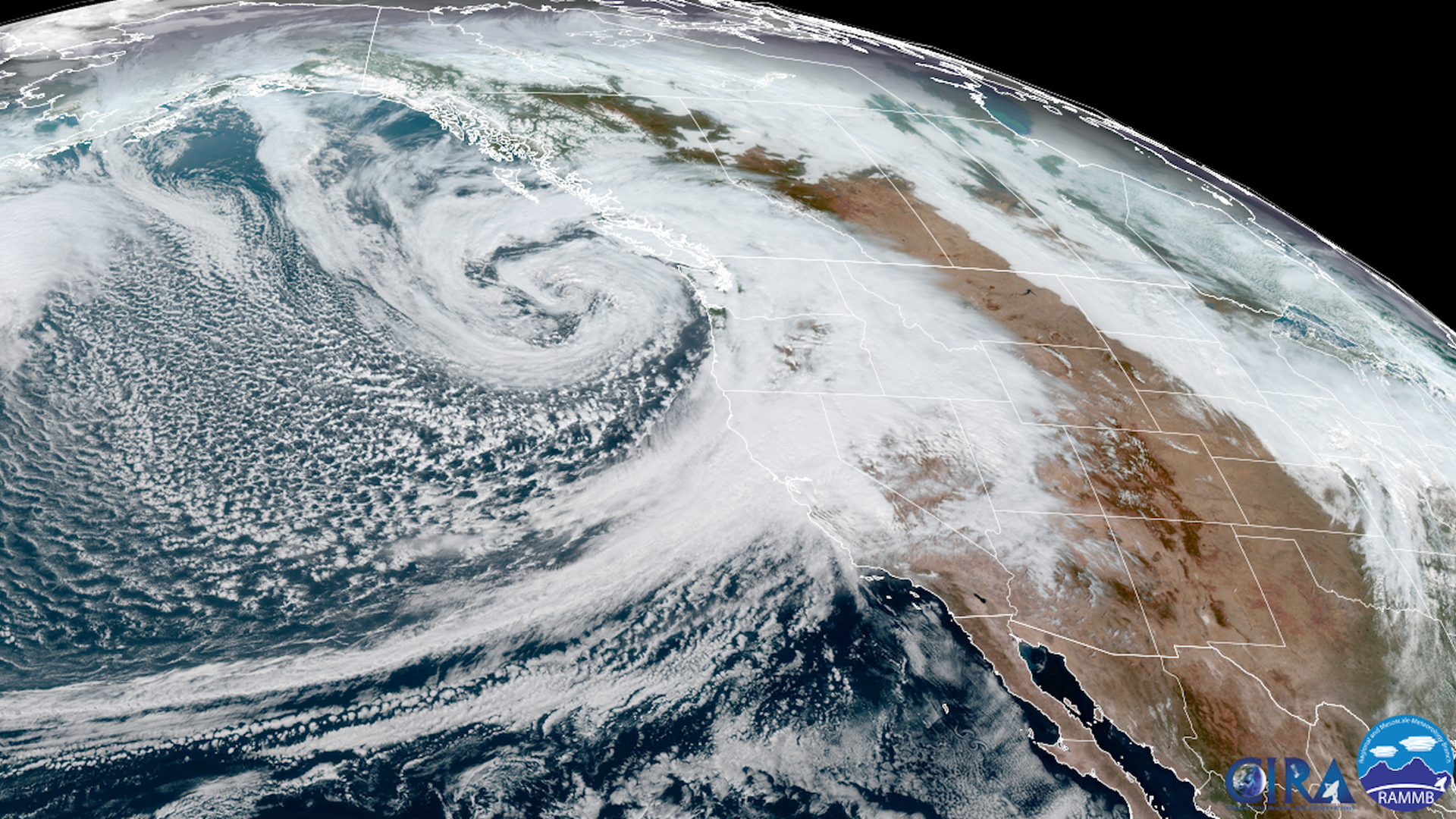
The extreme atmospheric river pummeling parts of Northern California — attached to a record strong bomb cyclone, no less — may be a poor indicator of how this winter will treat the West.
Why it matters: With much of the West locked in the first climate change-related megadrought, with an especially pronounced dry period since 2020, hopes are pinned on the rain and mountain snow that could fall during the wet season.
This is shaping up as a critical week for climate policy in the U.S. and worldwide.
Driving the news: Democrats are in the final stages of trying to craft the big social spending and climate package they're trying to move on a thread-the-needle party-line vote.
A new poll and analysis finds "surprising evidence" of bipartisan support for corporate environmental, social and governance (ESG) efforts, including climate initiatives.
Why it matters: Penn State business professor Tessa Recendes and the public affairs firm ROKK Solutions find "public opinion on ESG is not nearly as polarized as popular narratives suggest."
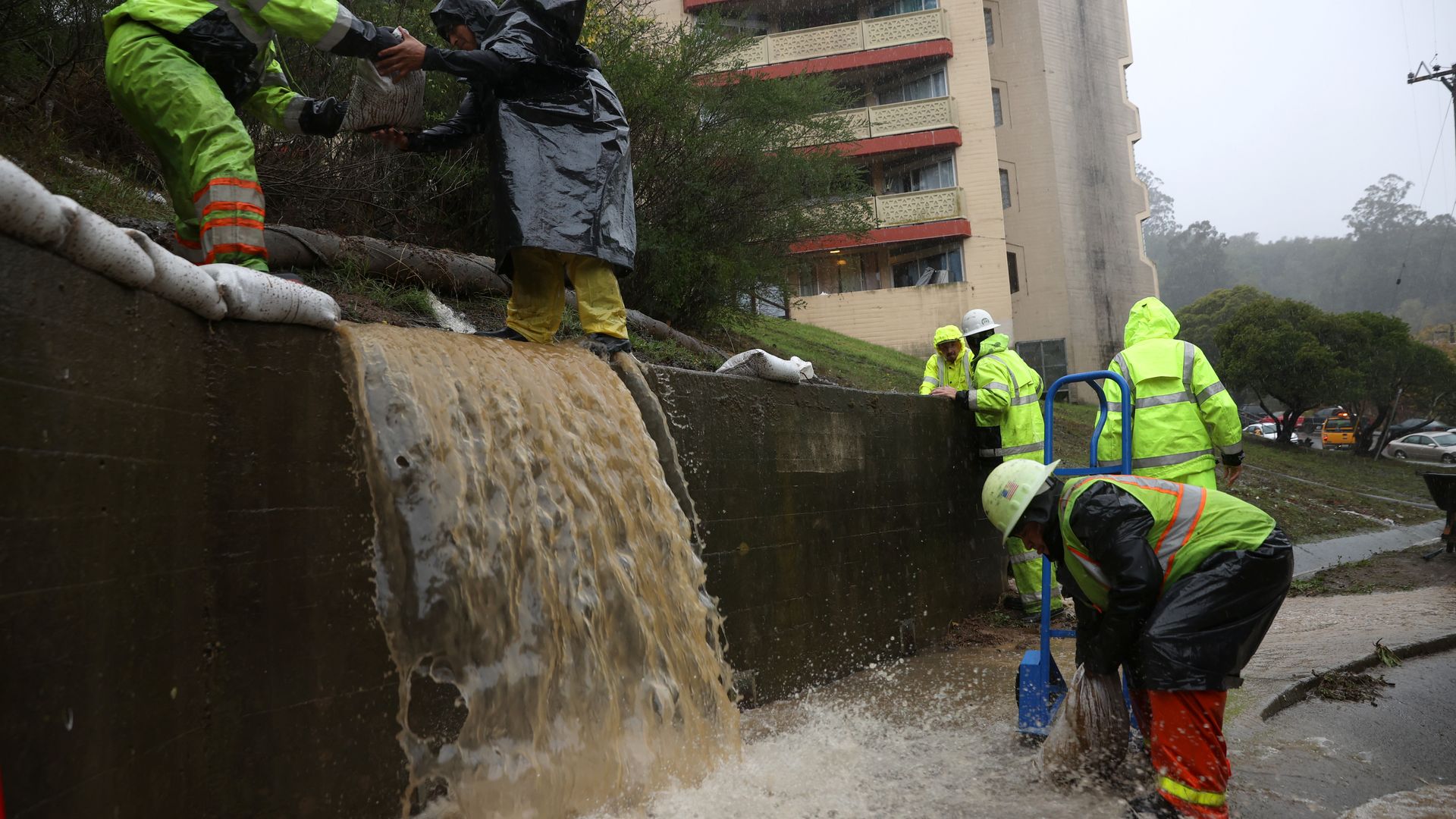
Why it matters: The atmospheric river, packing large amounts of moisture, was causing Northern California to whiplash from drought to flood, as it slowly moved south overnight. It's triggered widespread power outages, flooding and mudslides.
3D-printed cement houses are about to take off, offering a cheaper, more efficient way to provide homes for those who need them — as long as they can be built in ways that don't worsen climate change.
Why it matters: Developers of 3D-printed homes think they can take on multiple challenges: the affordable housing crisis, the shortage of skilled labor and rising material costs.
The big picture: The "atmospheric river" storms, associated with a record-strong "bomb cyclone" offshore from the Pacific Northwest, have brought flooding and mudslides to parts of California that were razed by recent wildfires and in severe drought. It's also caused widespread power outages in California and Washington state.











/2021/10/25/1635165879163.gif?w=3840)