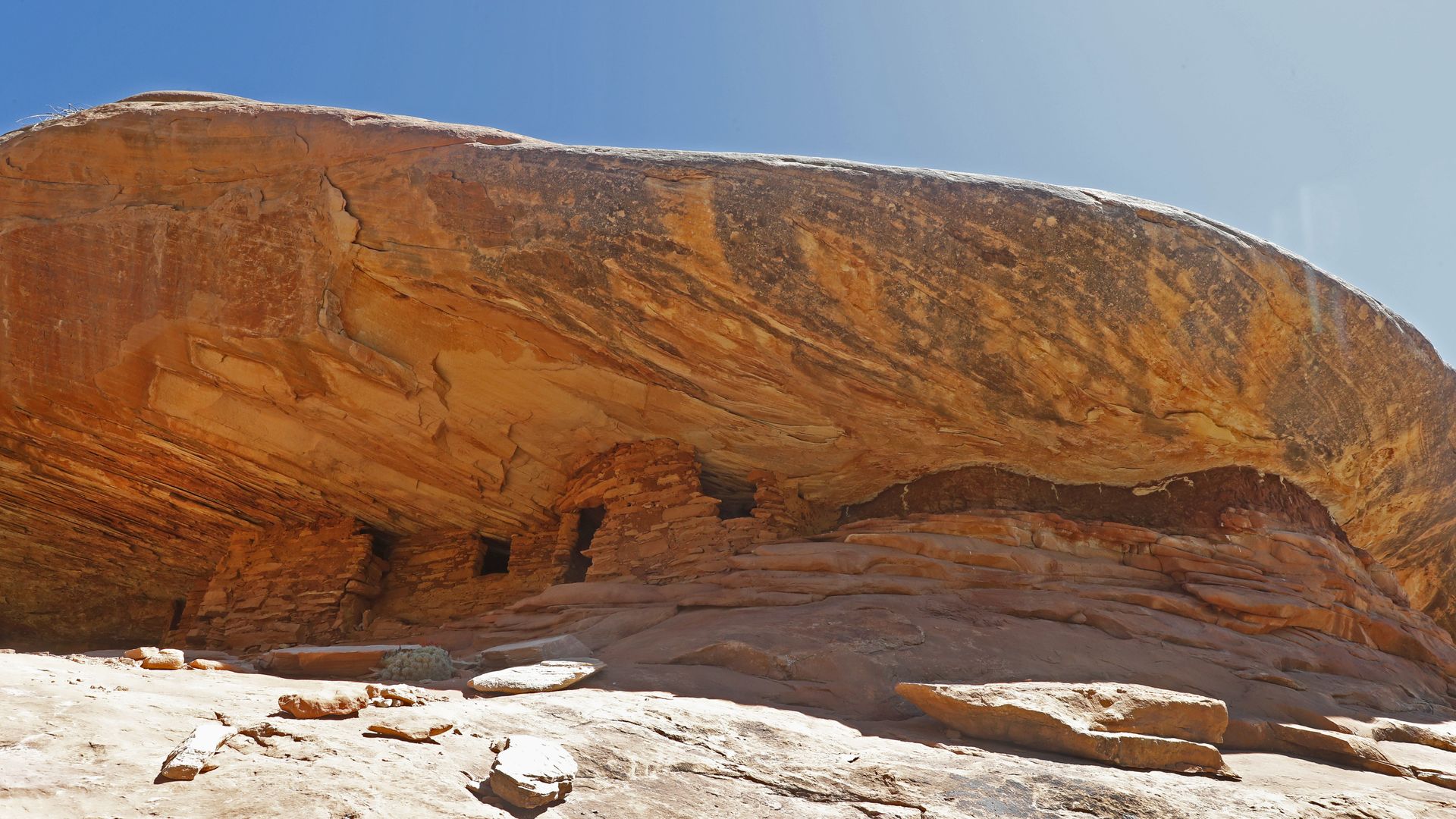
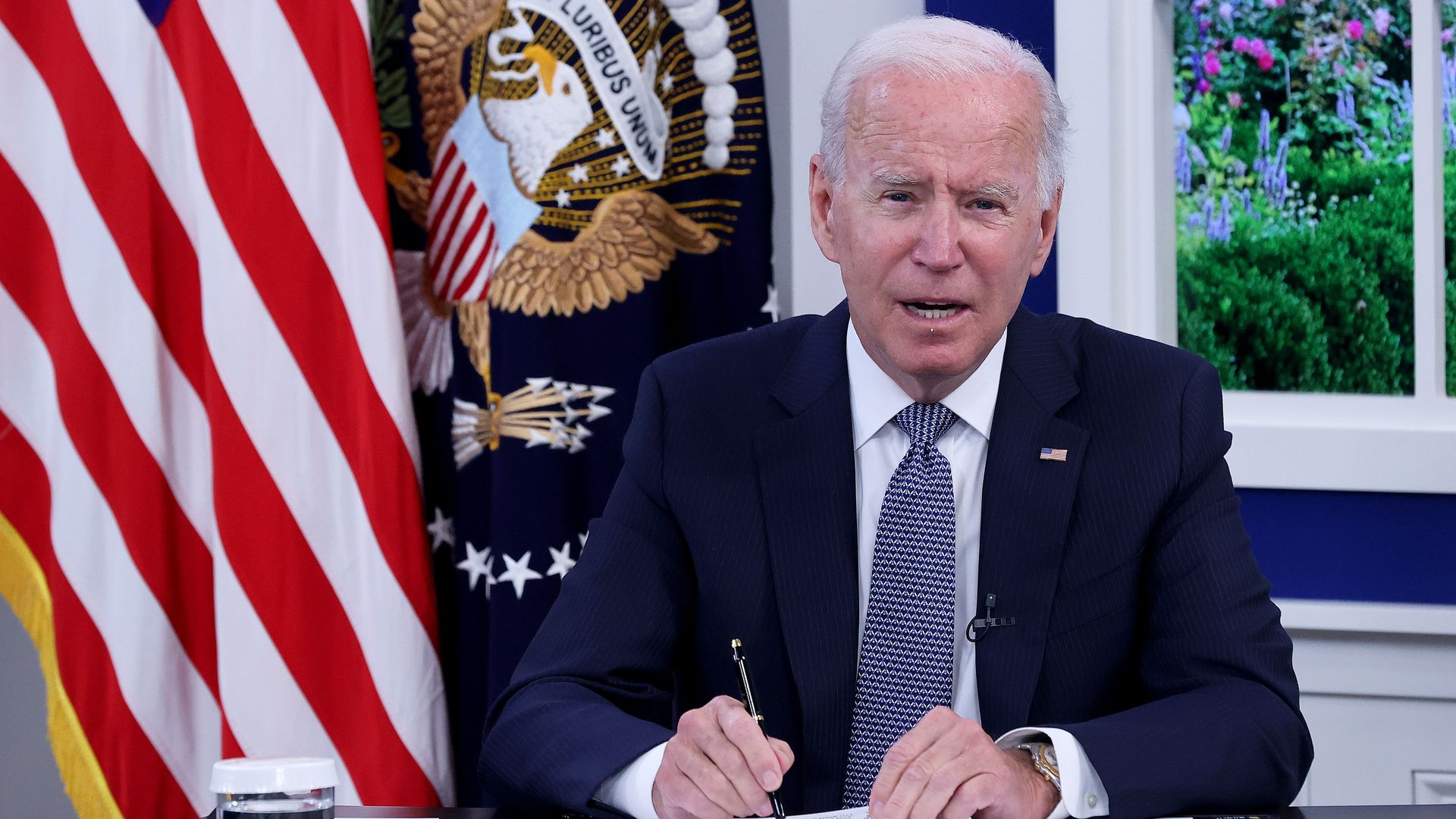
President Biden announced Friday the protection of the expansion of the Bears Ears and Grand Staircase-Escalante national monuments in Utah and the Northeast Canyons and Seamounts off the New England coast.
Why it matters: The decision reverses a Trump-era policy that reduced the Bears Ears Monument's size by 85% in 2017. It also comes after a coalition of Native American tribes urged Biden to restore the monument.
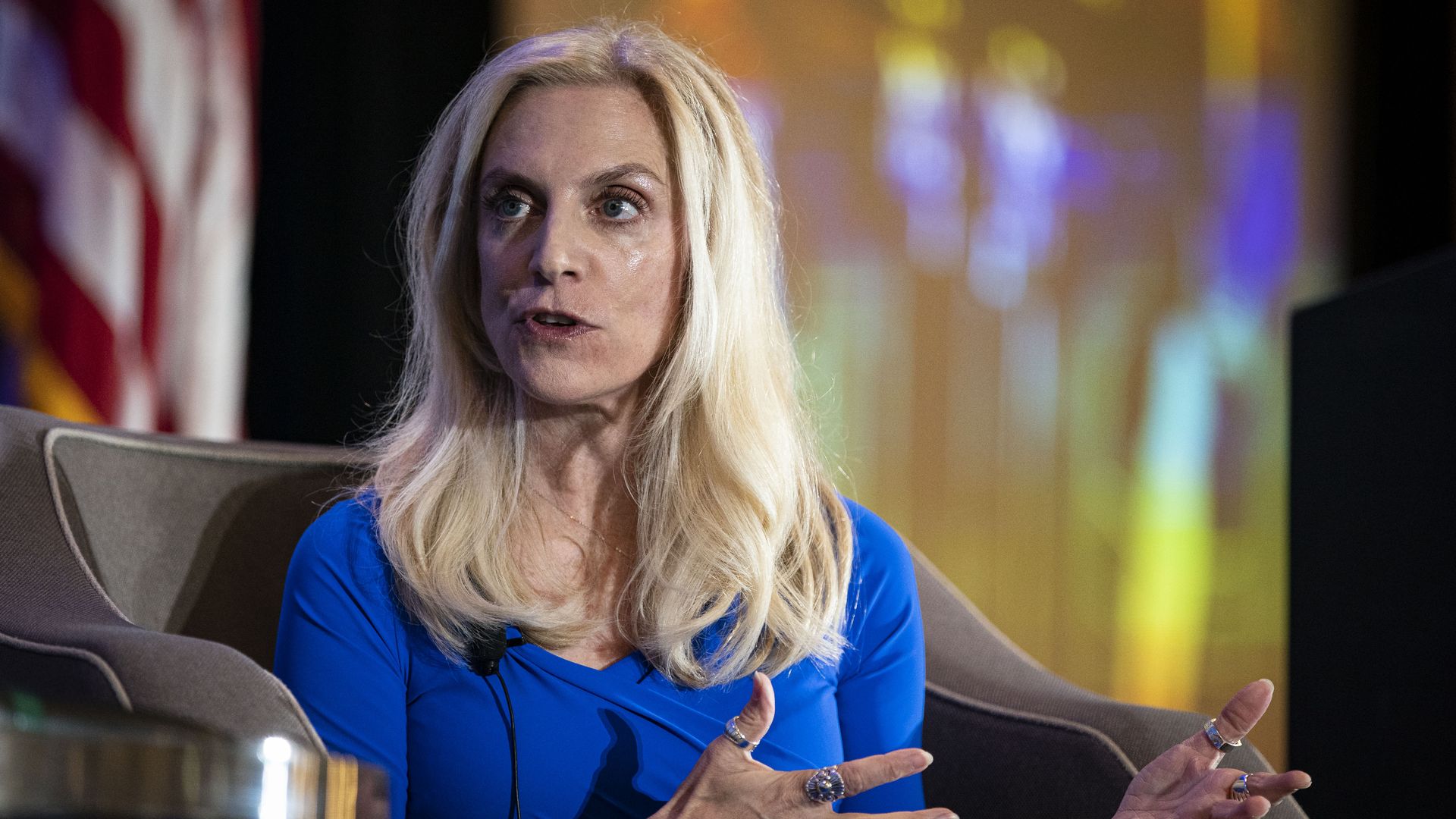
Fed governor Lael Brainard is filling in more blanks about how the central bank could weigh and limit financial institutions' exposure to climate risk.
Driving the news: "I anticipate it will be helpful to provide supervisory guidance for large banking institutions in their efforts to appropriately measure, monitor, and manage material climate-related risks," she said in a speech Thursday.
Sky-high European natural gas prices are volatile this morning after yesterday's retreat (see chart above) that followed Russian President Vladimir Putin's comments that seemingly signaled more supply in the offing.
What we're watching: What follows the statements about supply from Putin and other Russian officials, in terms of gas via existing infrastructure and the timing of final approval of the Nord Stream 2 pipeline.
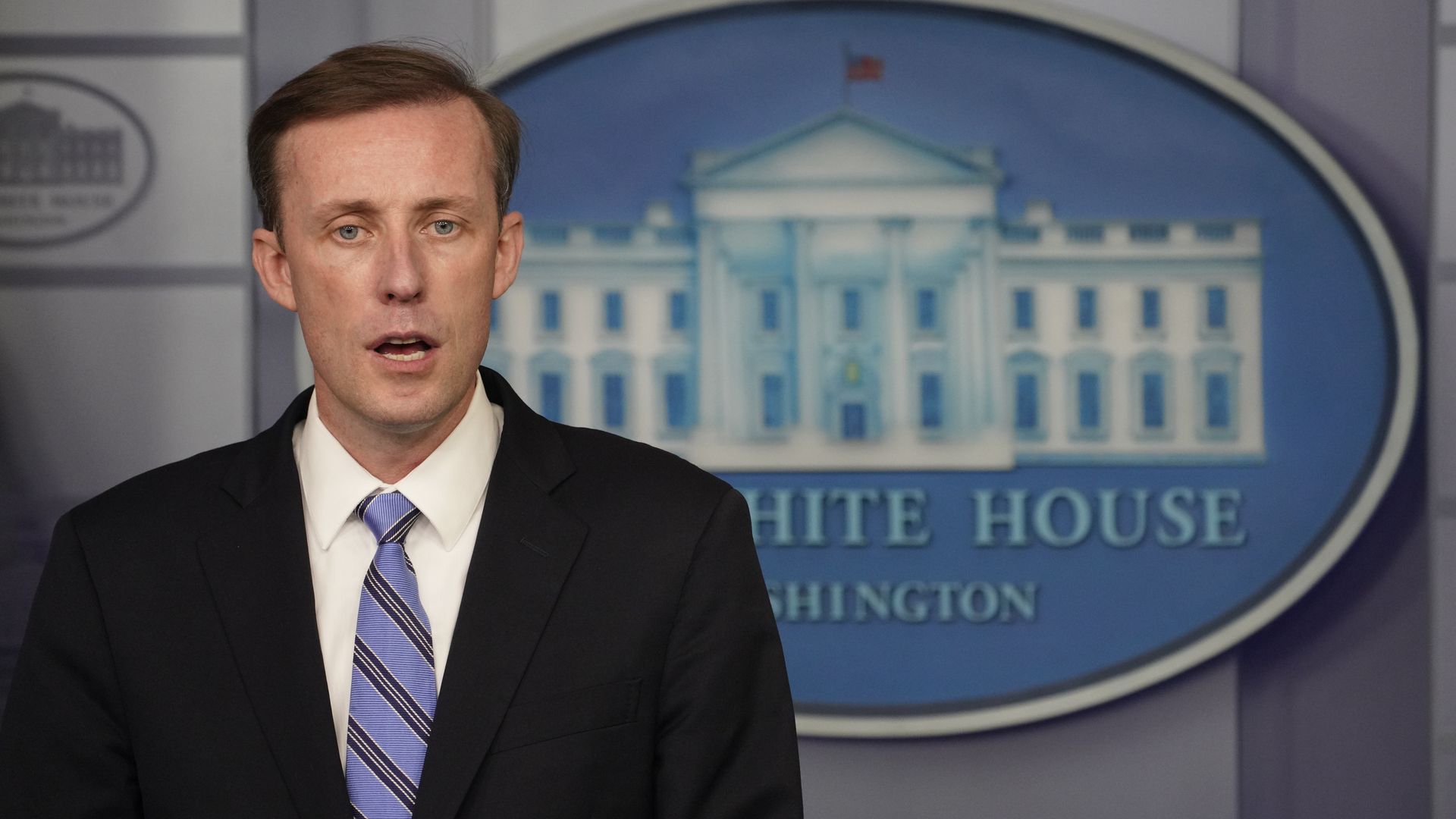
National security adviser Jake Sullivan said Thursday that the U.S. will work with Europe to ensure that energy supply keeps up with rising demand, according to Politico.
Why it matters: Energy prices have climbed around the world due to extreme weather, rising demand and supply constraints. The costs have impacted the economic recovery from COVID-19.
Google and YouTube on Thursday announced a new policy that prohibits climate deniers from being able to monetize their content on its platforms via ads or creator payments.
Why it matters: It's one of the most aggressive measures any major tech platform has taken to combat climate change misinformation.
BP said Thursday that it acquired New York City-based Blueprint Power, a startup that helps turn buildings into "flexible power assets" that lower the carbon footprint of commercial real estate.
Why it matters: Big buildings are a major source of energy demand that's ripe for the application of cleaner tech.
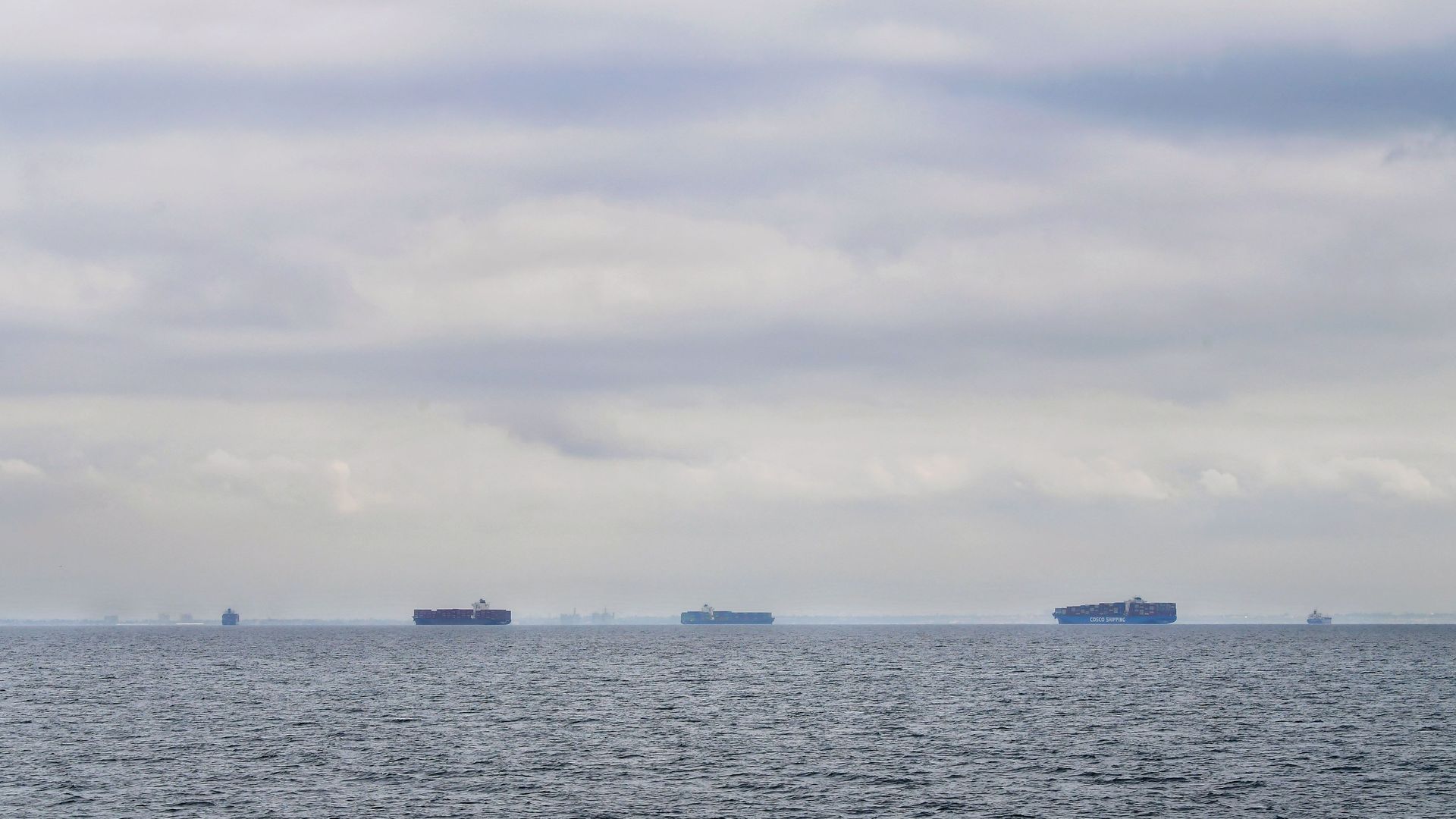
The U.S. Coast Guard is investigating whether the Rotterdam Express, a massive German-flagged cargo ship, could have played a role in causing the 126,000-gallon oil spill in Southern California waters, AP reports.
Driving the news: U.S. Coast Guard investigators boarded the cargo ship on Wednesday as part of the investigation into the cause of the oil spill, which is among the largest in recent California history.
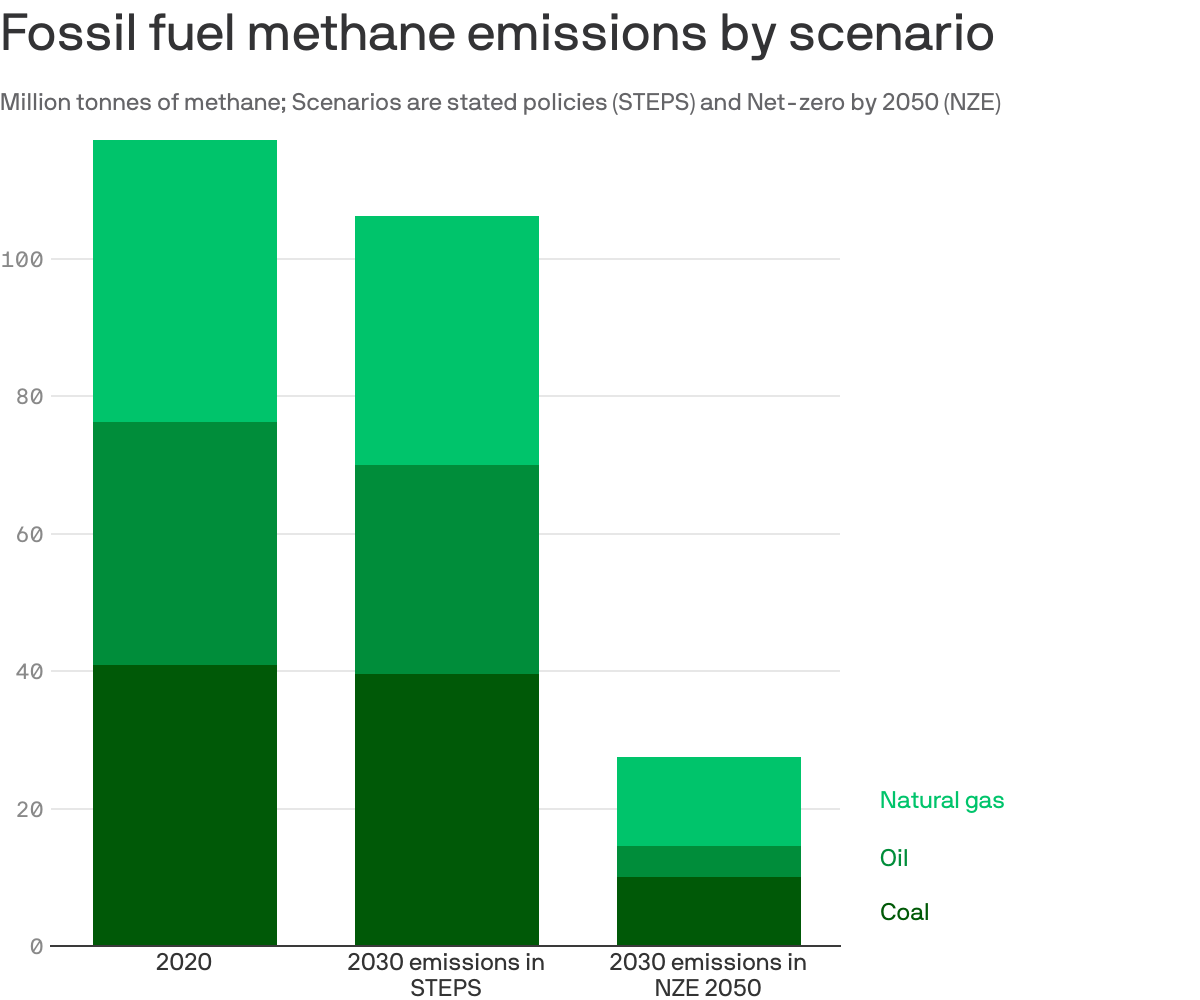
Data: International Energy Agency; Chart: Thomas Oide/Axios
New International Energy Agency analysis sees cost-effective pathways to steeply cut oil-and-gas sector emissions of the potent greenhouse gas methane far more than what's projected under existing policies.
Driving the news: The report looks at methane from the fossil fuel sector and how to achieve a 75% cut by 2030 that's consistent with IEA's wider roadmap for net-zero global greenhouse gas emissions by 2050.
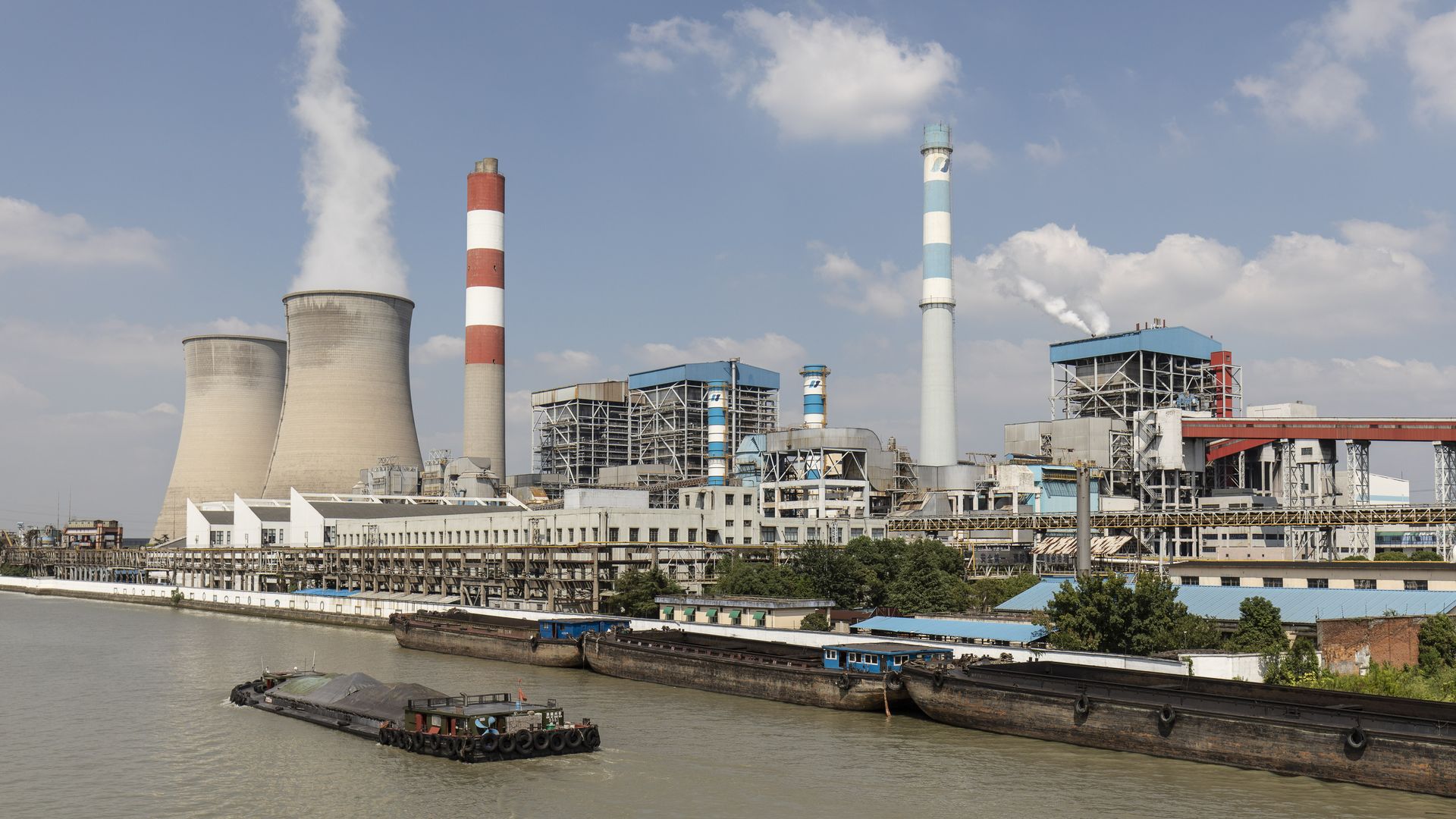
China’s energy crisis shows no signs of slowing, and it’s poised to impact the flow of goods that the nation sends stateside.
Why it matters: Supply chain disruptions are a huge part of what’s holding back the world’s economic growth as it recovers from the pandemic lockdown era. Electricity blackouts in China spawned by a power shortage could make that worse.
The UN Climate Summit set to begin Oct. 31 in Glasgow will bring an unprecedented combination of leaders for such an event (even Pope Francis!), and the likely absence of vital players — notably Chinese President Xi Jinping.
Why it matters: The speeches and backroom meetings at COP26 between leaders on the summit's first two days will set the tone for the rest of the gathering. These will be moments when countries showcase any new pledges to cut greenhouse gas emissions in order to meet the Paris Agreement's targets.
The Biden administration announced plans Wednesday to restore climate change protections to the National Environmental Policy Act (NEPA) that were dismantled when former President Trump was in office.
Why it matters: The White House Council on Environmental Quality plans to bring back a requirement for federal agencies to "evaluate all the relevant environmental impacts of the decisions they are making" for projects such as highways, mines, gas pipelines and water infrastructure, per a CEQ statement.