After a year-long pilot program, San Francisco has granted operating permits to 4 scooter companies: Lime, JUMP (owned by Uber), Scoot (owned by Bird), and Spin (owned by Ford). Existing permit holder Skip did not make the cut.
Why it matters: As the home of a number of these scooter companies — and a frequent battleground between the local tech industry and its government — San Francisco's permits have been among the most coveted. And despite an early backlash to the 2-wheeled vehicles from residents and city officials, scooters are here to stay in San Francisco.
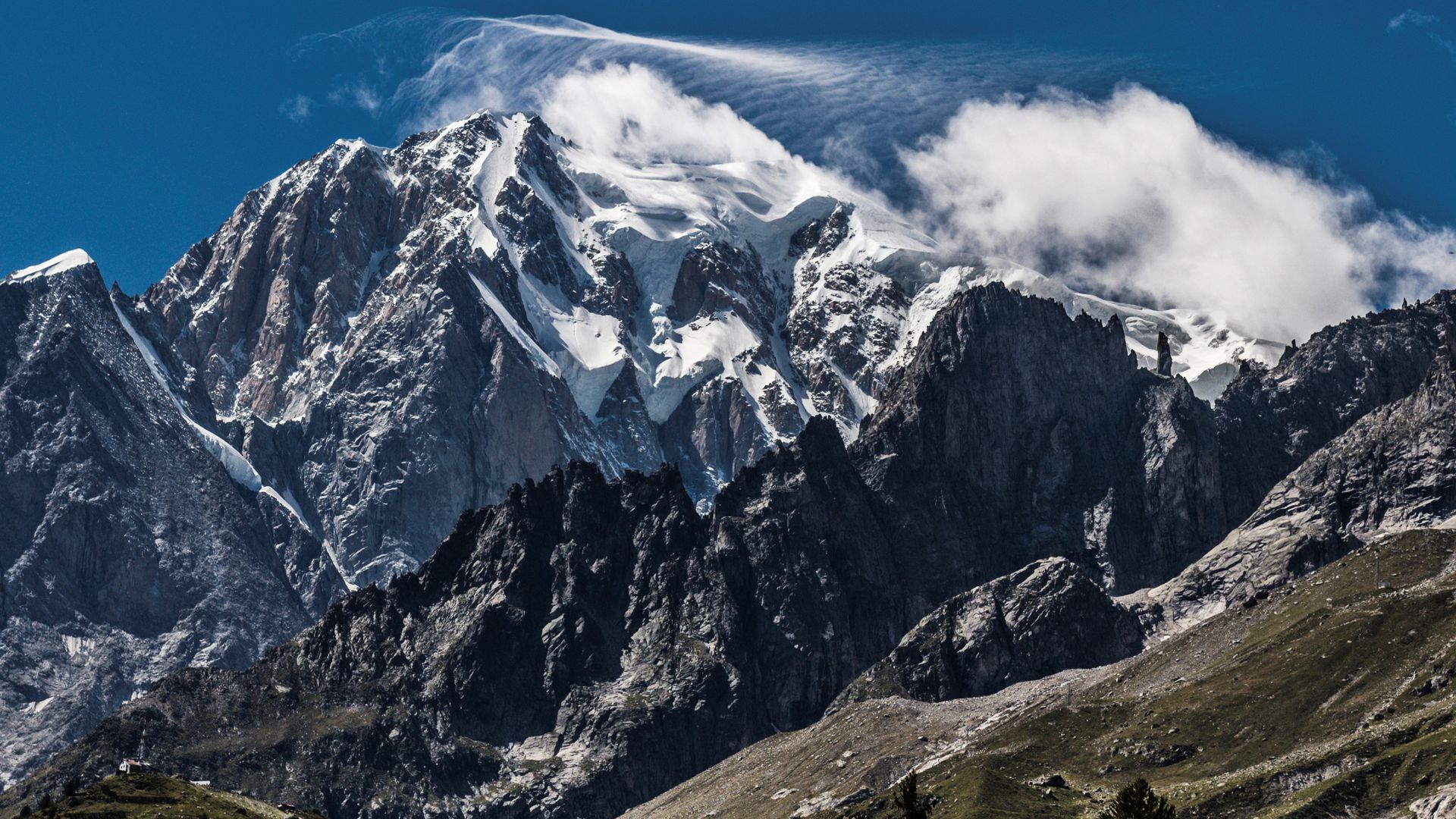
Italian authorities closed roads and evacuated mountain homes in northwestern Italy on Wednesday after experts warned that 250,000 cubic meters of ice could break away from a glacier on the Mont Blanc massif in the Alps at any moment, according to The Guardian.
Why it matters: A geologist who has monitored the glacier since 2013 told the New York Times that, although climate change was not directly connected to the creation of the crevasse, its melting rate has significantly increased as a result of rising temperatures.
Even cops get range anxiety sometimes: a Fremont, Calif., police officer radioed his dispatcher that he might have to give up a high-speed chase because his Tesla Model S patrol car was about to run out of juice.
Details: "I am down to 6 miles of battery," officer Jesse Hartman radioed, asking if another patrol car could take over the chase, which hit speeds of 120 miles per hour on Interstate 680, according to the Mercury News.
Electric vehicles, which don't have an engine, transmission or other space-eating components, allow automotive designers the freedom to rethink what a car should be. One example: Canoo, which debuted Tuesday night in Los Angeles.
Why it matters: Canoo reimagines everything about the automobile, including the business model. Instead of buying a Canoo, consumers will only be able to get one via monthly subscription.
A new Emerson College poll suggests that the wording around carbon pricing — whether voters support a carbon "tax" versus a carbon "fine on corporations" — could matter a lot.
Why it matters: Several 2020 White House hopefuls — including Joe Biden and Elizabeth Warren — have endorsed some kind of pricing, though details are scarce.
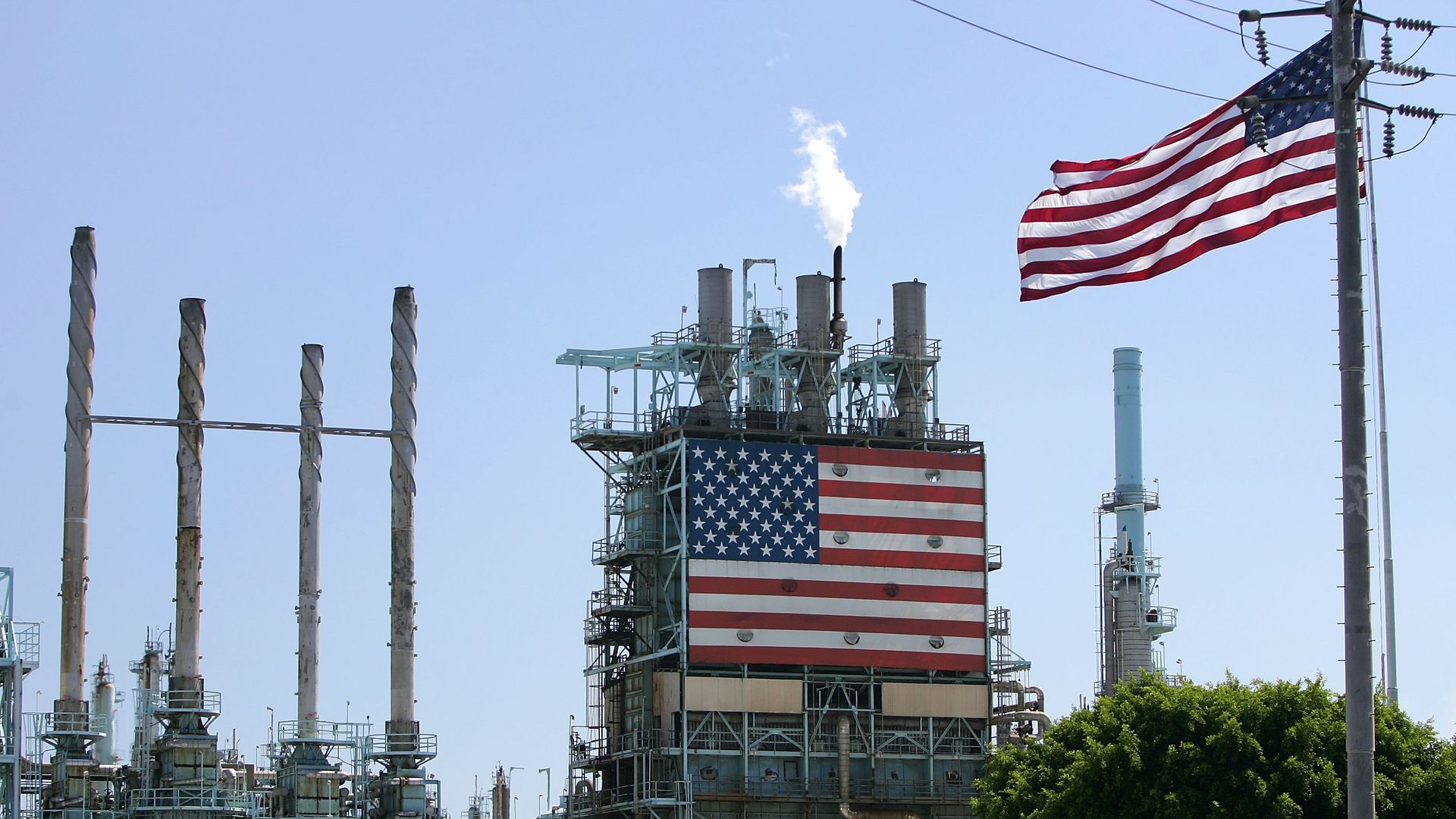
A new Dallas Fed note explores a metric of what the shale-driven U.S. production surge has meant for the wider economy.
What they found: "The share of the upstream oil and gas sector in the level of U.S. nonresidential fixed investment doubled from 3.4 percent in the decade before the shale oil boom to an average of 6.4 percent since 2008."
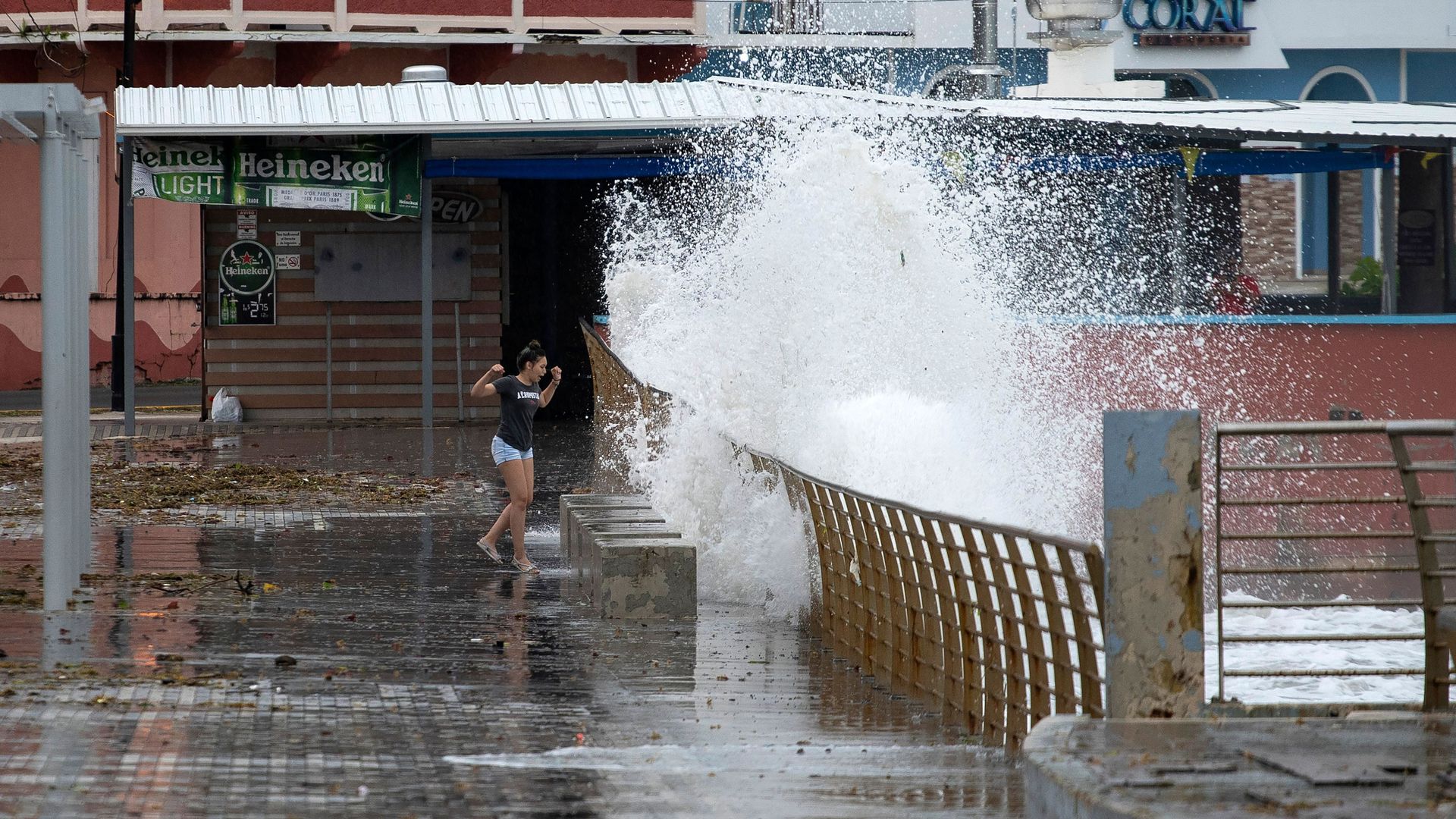
Tropical Storm Karen triggered limited power outages, flooding and landslides to Puerto Rico and the U.S. Virgin Islands as it barreled across the region early Wednesday, AP reports.
Why it matters: The islands are still recovering from the devastation caused by Hurricane Maria 2 years ago.
Global warming is greatly transforming the planet's oceans and frozen regions, and future emissions levels will dictate how much additional harm unfolds this century and beyond, a major United Nations-led scientific analysis shows.
Why it matters: "The ocean is warmer, more acidic and less productive. Melting glaciers and ice sheets are causing sea level rise, and coastal extreme events are becoming more severe," the UN's Intergovernmental Panel on Climate Change (IPCC) said in a statement alongside Wednesday's report.
The nonprofit Energy Futures Initiative — led by former Energy Secretary Ernest Moniz — released a proposed 10-year, $10.7 billion plan for how federal agencies can spur large-scale use of tech that pulls CO2 from the atmosphere.
Why it matters: Carbon removal, or negative emissions, is getting more attention as the window is quickly closing for CO2 cuts steep enough to avoid high warming levels.
Dueling plotlines dominated the UN climate summit: Newly revealed ambition from countries and companies, and palpable anguish — distilled in teen activist Greta Thunberg's speech — that it's not nearly enough.
The big picture: The summit brought a burst of new commitments and initiatives. These include dozens of nations pledging to strengthen their plans under the Paris deal, new commitments to the multilateral Green Climate Fund, and asset managers committing to carbon neutral portfolios by 2050.
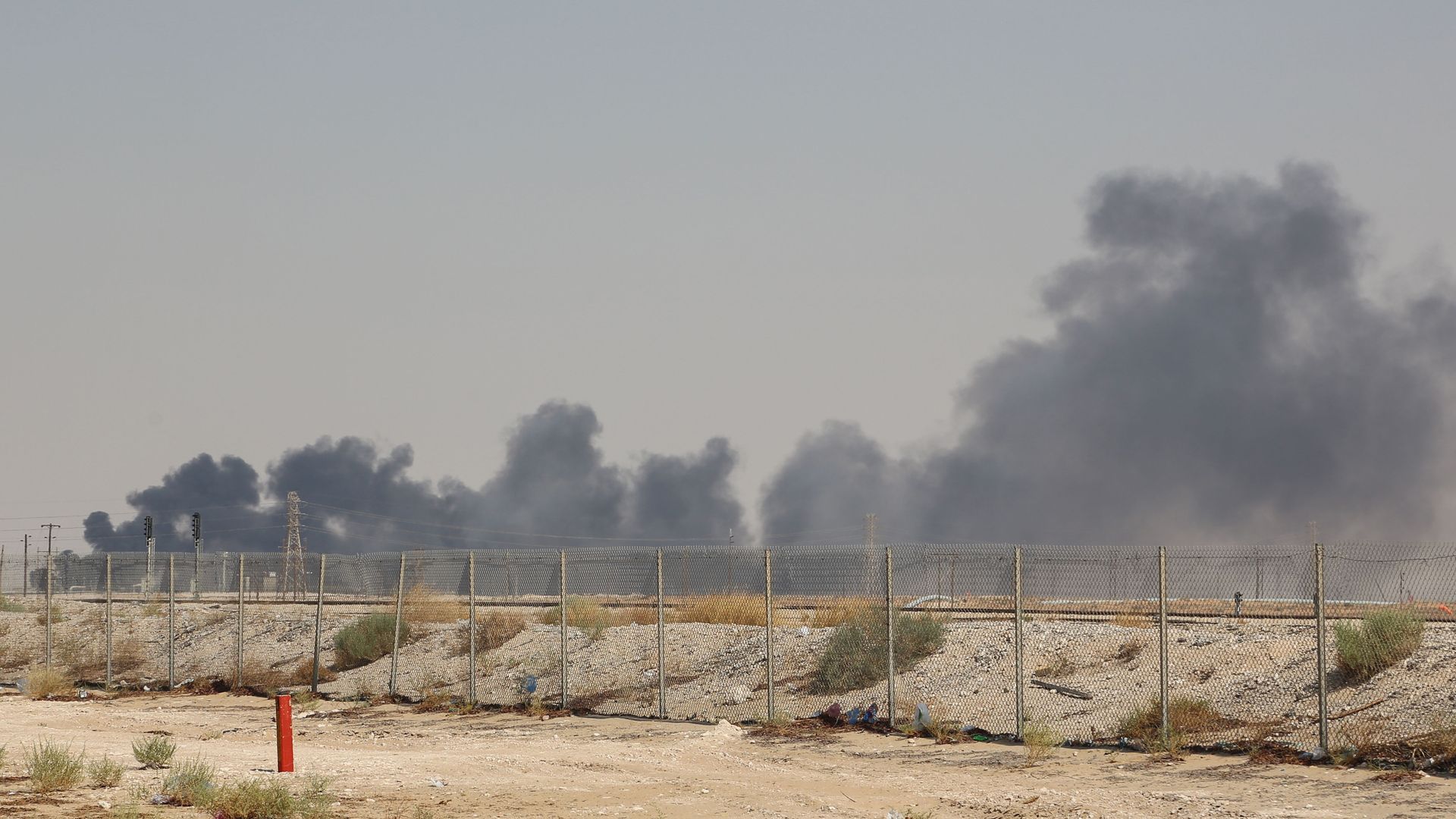
Following the Sept. 14 attacks on Saudi Arabia's oil facilities, BP CEO Bob Dudley said he found it a "remarkable thing that the oil market settled down so quickly."
Why it matters: His comments, made to Axios in an interview Monday in New York, are the latest sign of how much has changed in the global oil industry over the last few years partly as a result of America's booming oil production.
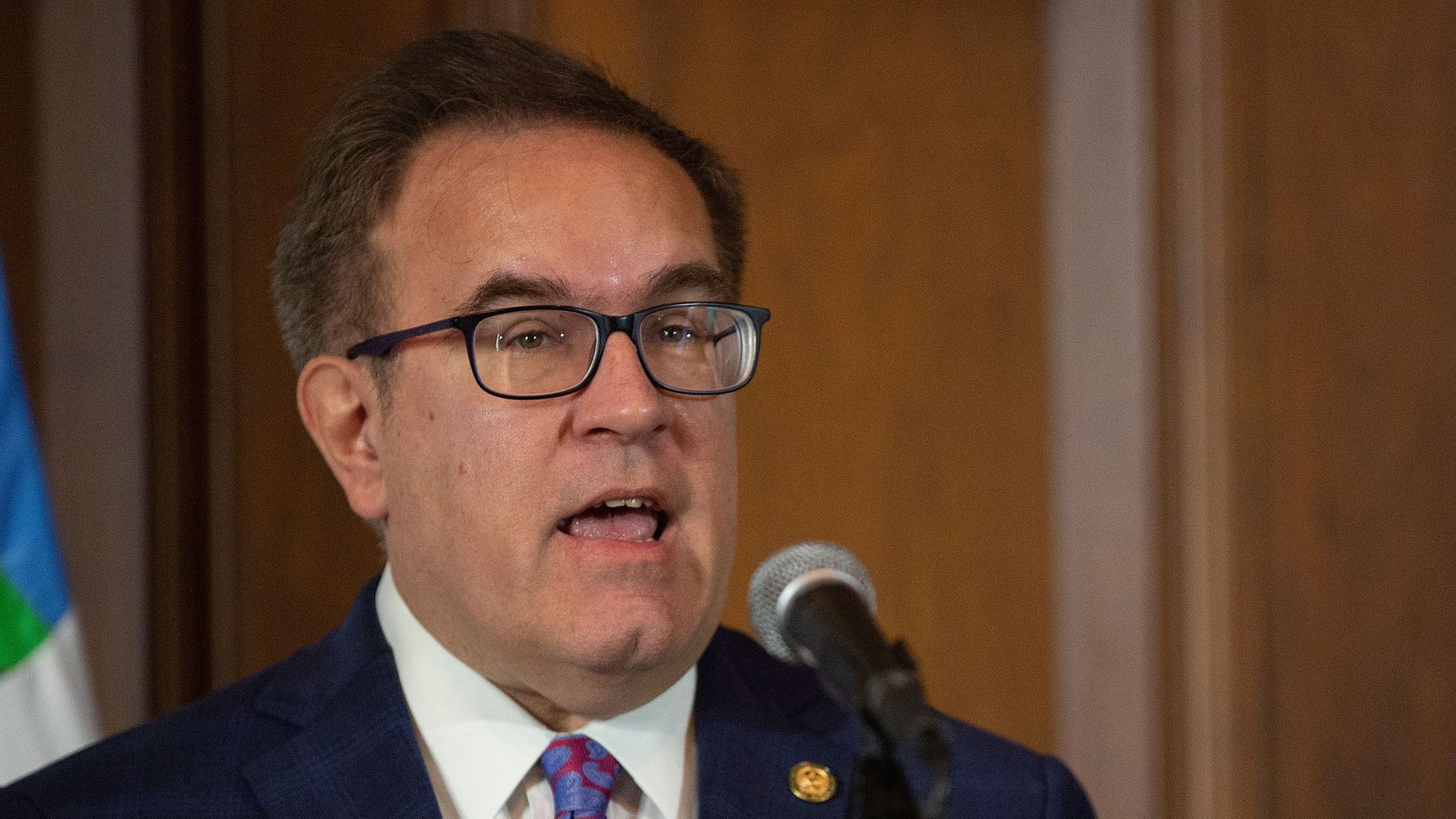
The Environmental Protection Agency has sent the California Air Resources Board a letter threatening to cut federal highway funding because of air pollution issues — claiming that the state has the "worst air quality" in the U.S.
Why it matters: The letter, first reported by the Sacramento Bee, from EPA administrator Andrew Wheeler declaring that California has failed to "carry out its most basic tasks under the Clean Air Act" marks the latest in a series of battles between the Trump administration and the liberal state.
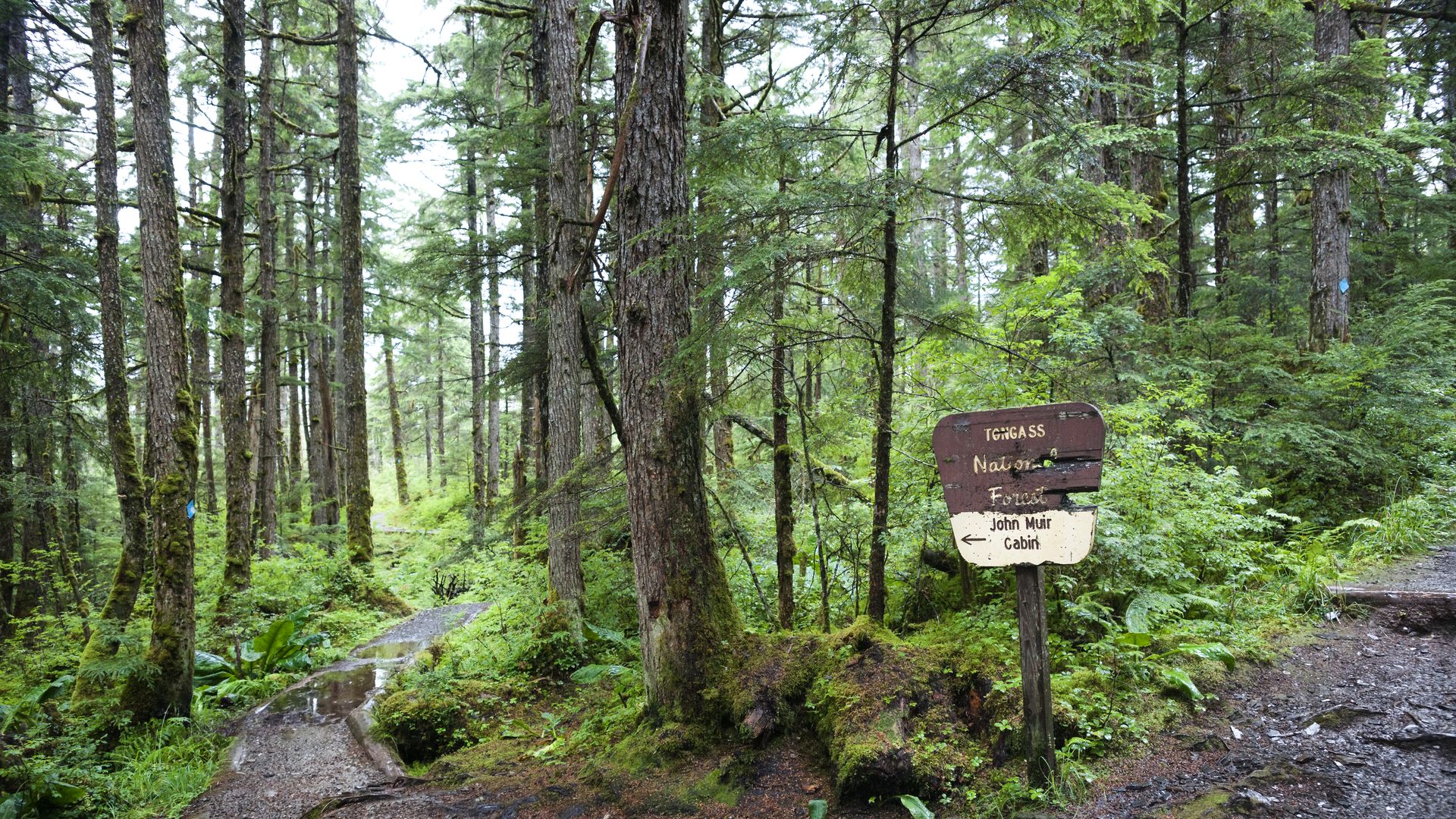
A federal judge temporarily blocked the Trump administration's plans Monday allowing the U.S. Forest Service (USFS) to permit logging 42,500 acres in the United States' largest national forest.
Where it stands: The proposed logging is part of a larger plan by the USFS to open up 2.2 million acres to sales, with the more than 42,000 acres available for logging and the remaining land available for road construction.