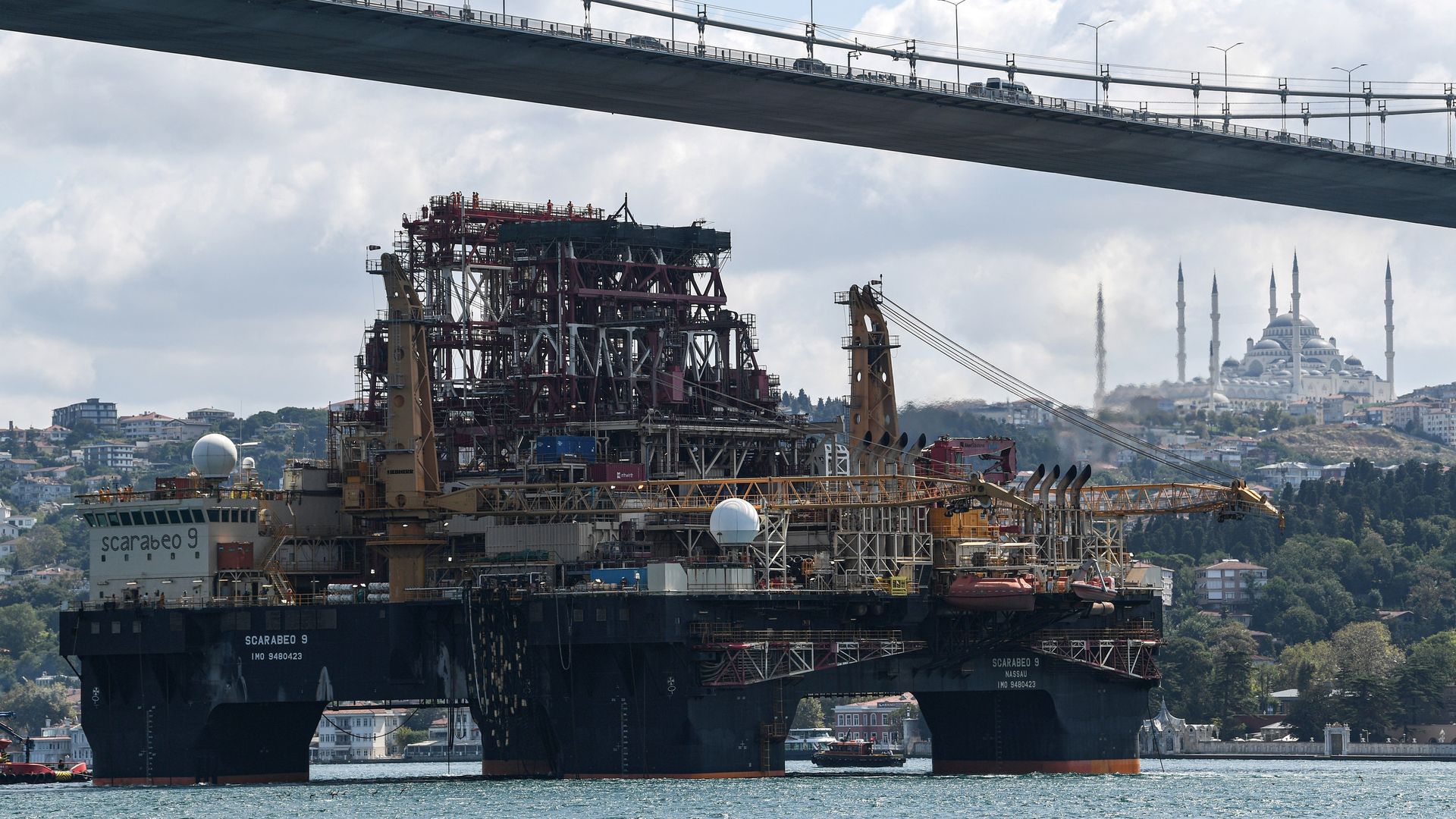
One spillover from the aerial attacks against Saudi facilities: It could help propel U.S. crude exports to fresh highs and maybe even lift them to the 4 million barrels per day mark, S&P Global Platts reports.
Why it matters: U.S. crude exports have gone well over 3 mbd at times over the last year, but hitting 4 mbd — while just a number — would reinforce how the U.S. has become a major player in export markets.
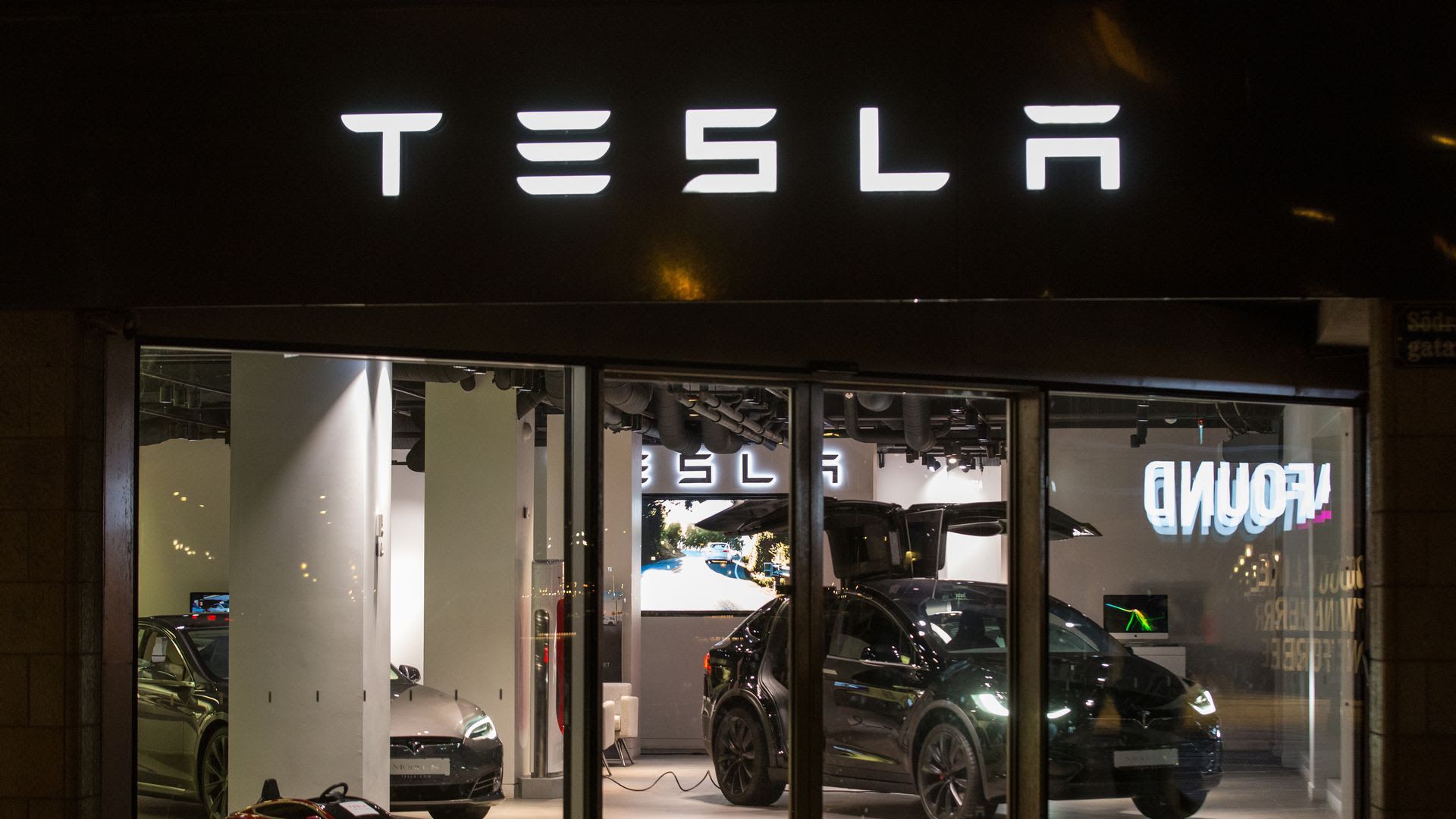
Tesla's stock jumped 6% yesterday after publication of an email from CEO Elon Musk to staff stating that the electric automaker could hit 100,000 deliveries this quarter.
Why it matters: That would be the highest for any 3-month period, surpassing Q2's 95,200 tally.
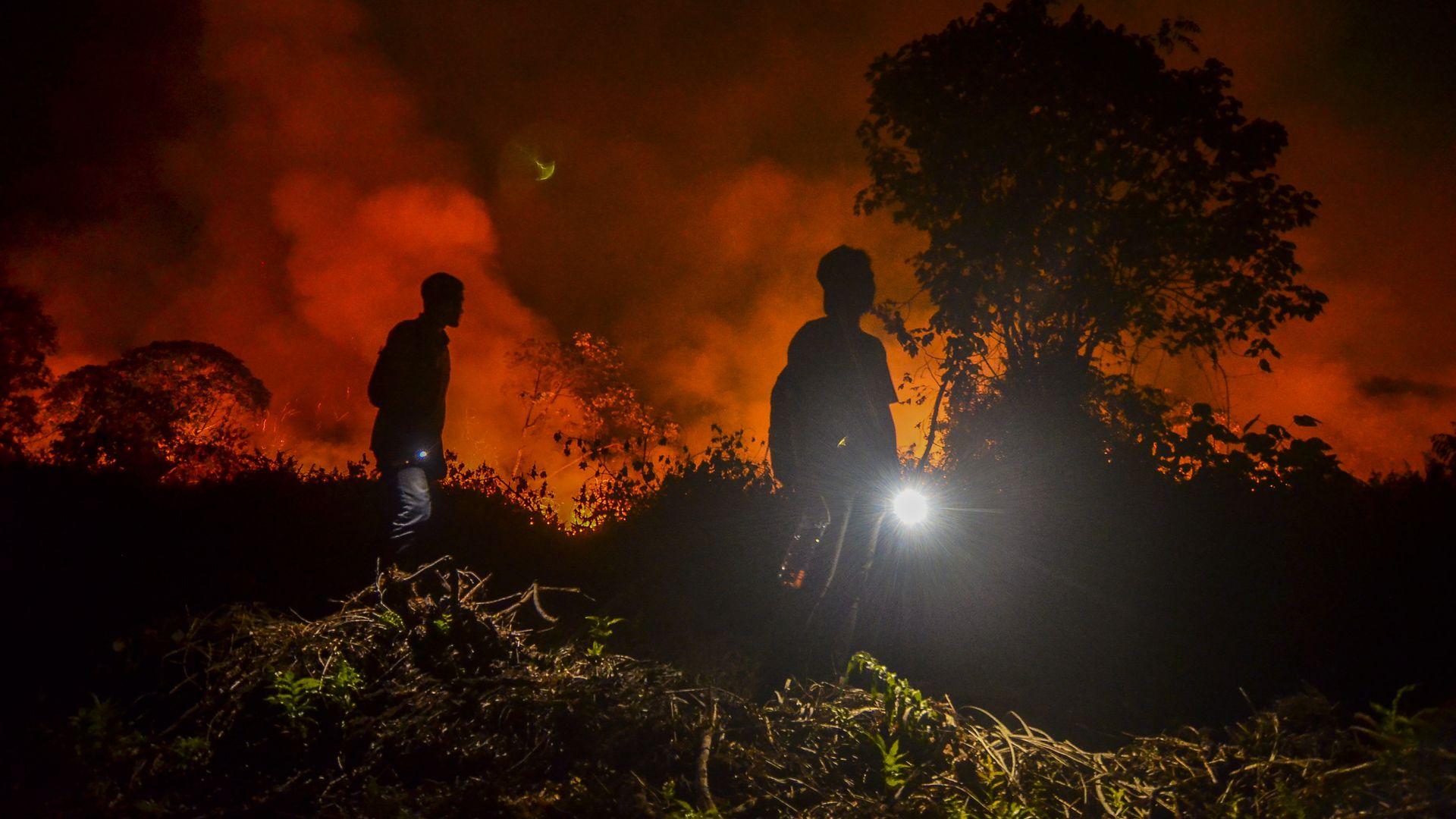
Slash-and-burn farming is to blame for many of the nearly 2,000 wildfires that have spread smoke over swathes of Indonesia and caused respiratory problems for at least 920,000 people, the New York Times reports.
Context: The government tends to ignore violations from palm oil and wood pulp producers who intentionally start the fires, but pressure is mounting on President Joko Widodo (Jokowi) to take action.
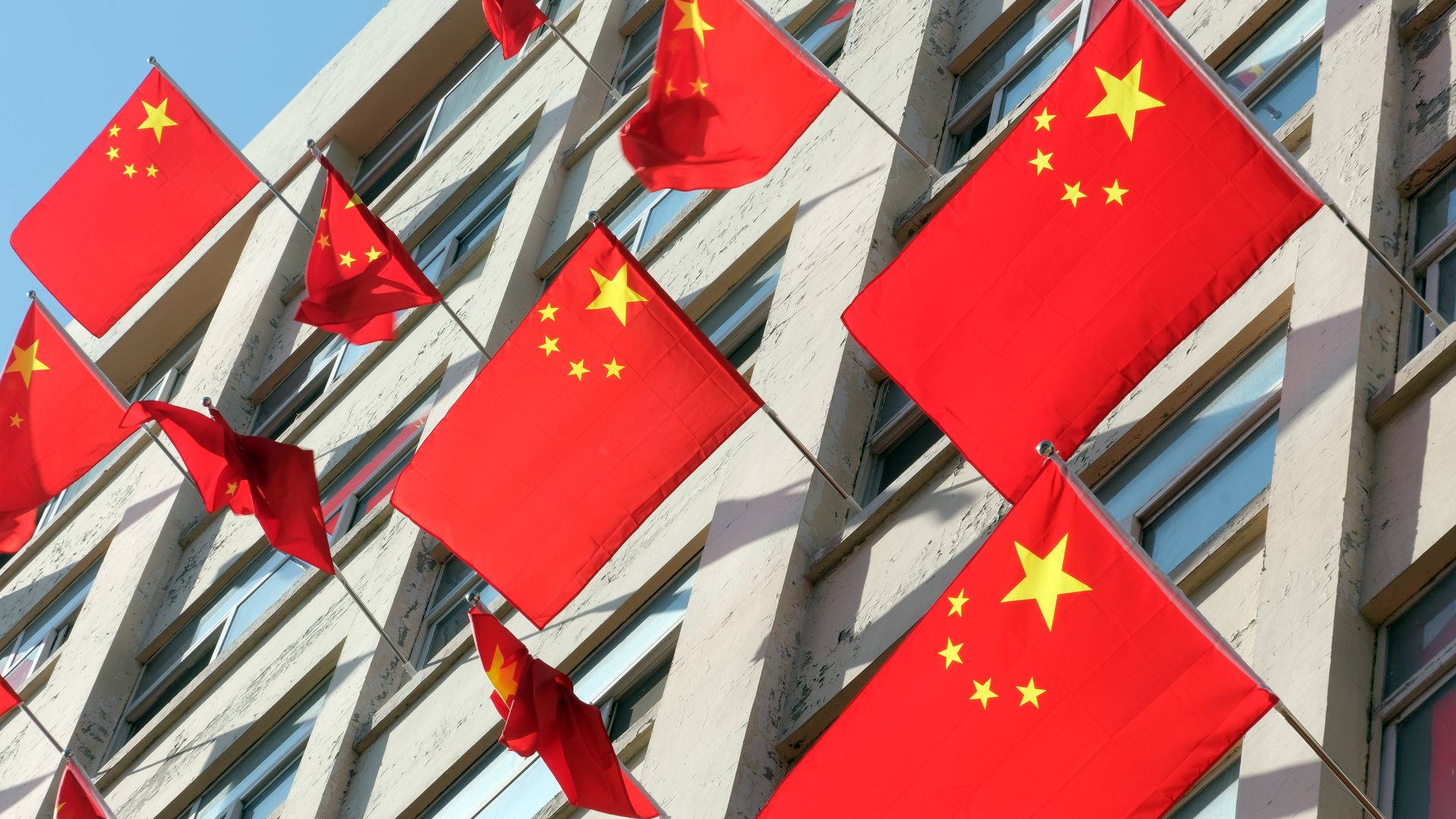
Mining behemoth Rio Tinto announced a new partnership with China Baowu Steel Group, which is China's largest steel producer, and Tsinghua University on making production more climate-friendly.
Driving the news: Rio Tinto said Wednesday that the parties will work together on "identifying a pathway to support the goal of reducing carbon emissions across the entire steel value chain."
New research from the Rhodium Group consultancy finds that extension and broadening of federal tax incentives for climate-friendly energy and transportation could yield substantial carbon emissions cuts.
Why it matters: As Rhodium points out, big climate legislation isn't on the menu right now. But they argue that there's at least some political opening in this Congress for agreement on legislation around federal tax credits for renewable power, storage, nuclear energy, EVs and more.
Remember the Jurassic era of oil markets in, uh, mid-September, when aerial attacks left the Saudis reeling and talk of big geopolitical risk premium was all the rage? Things look rather different now.
Driving the news: Both Brent and WTI prices have come down a lot since soaring after the attacks that initially knocked 5.7 million barrels per day of Saudi production offline. The chart above captures WTI's moves.
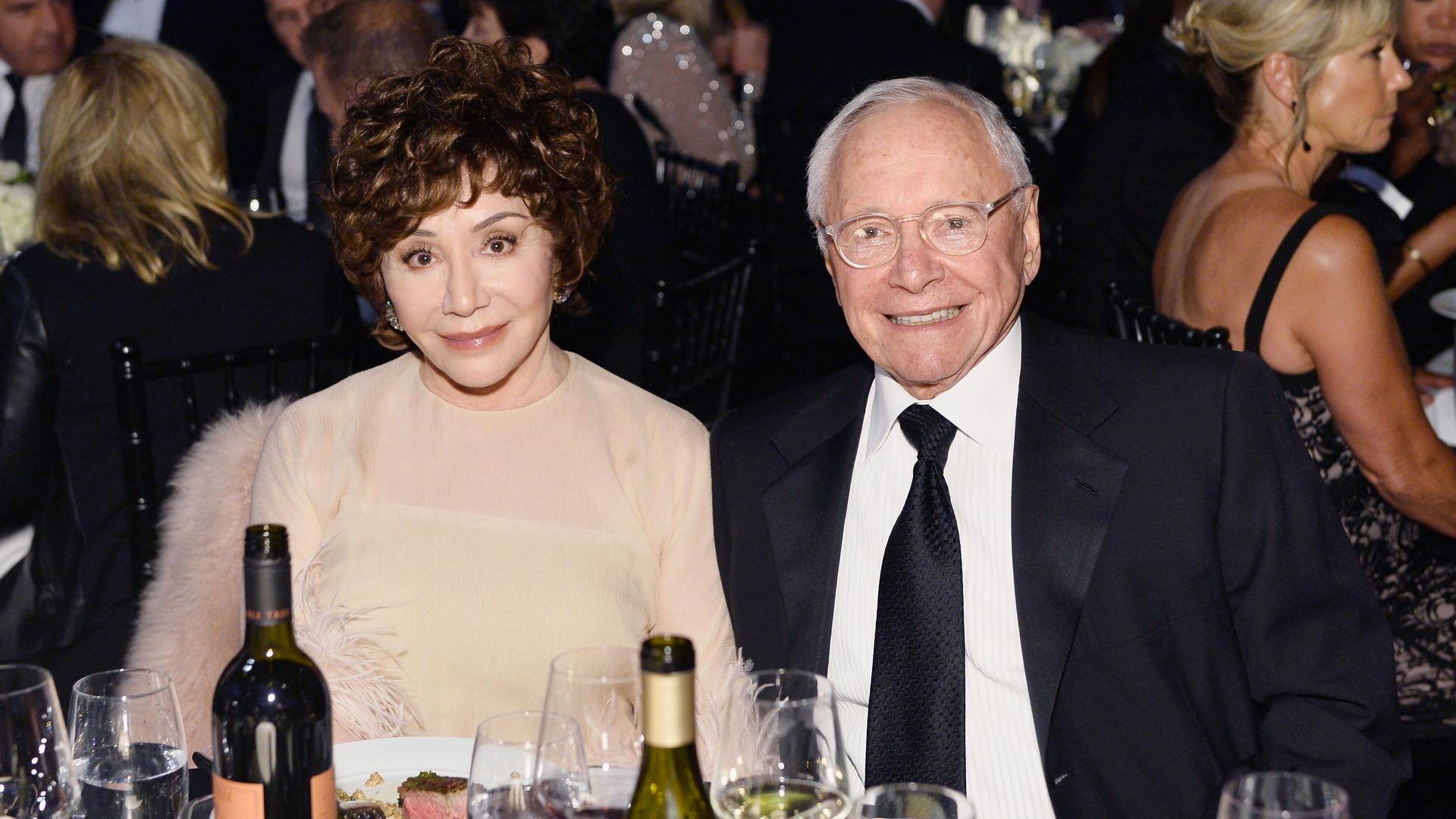
Billionaires Stewart and Lynda Resnick will be donating $750 million to the California Institute of Technology to build a research center and support projects focusing on combating climate change, reports the New York Times.
Why it matters: This is the second largest gift to an American university in history.
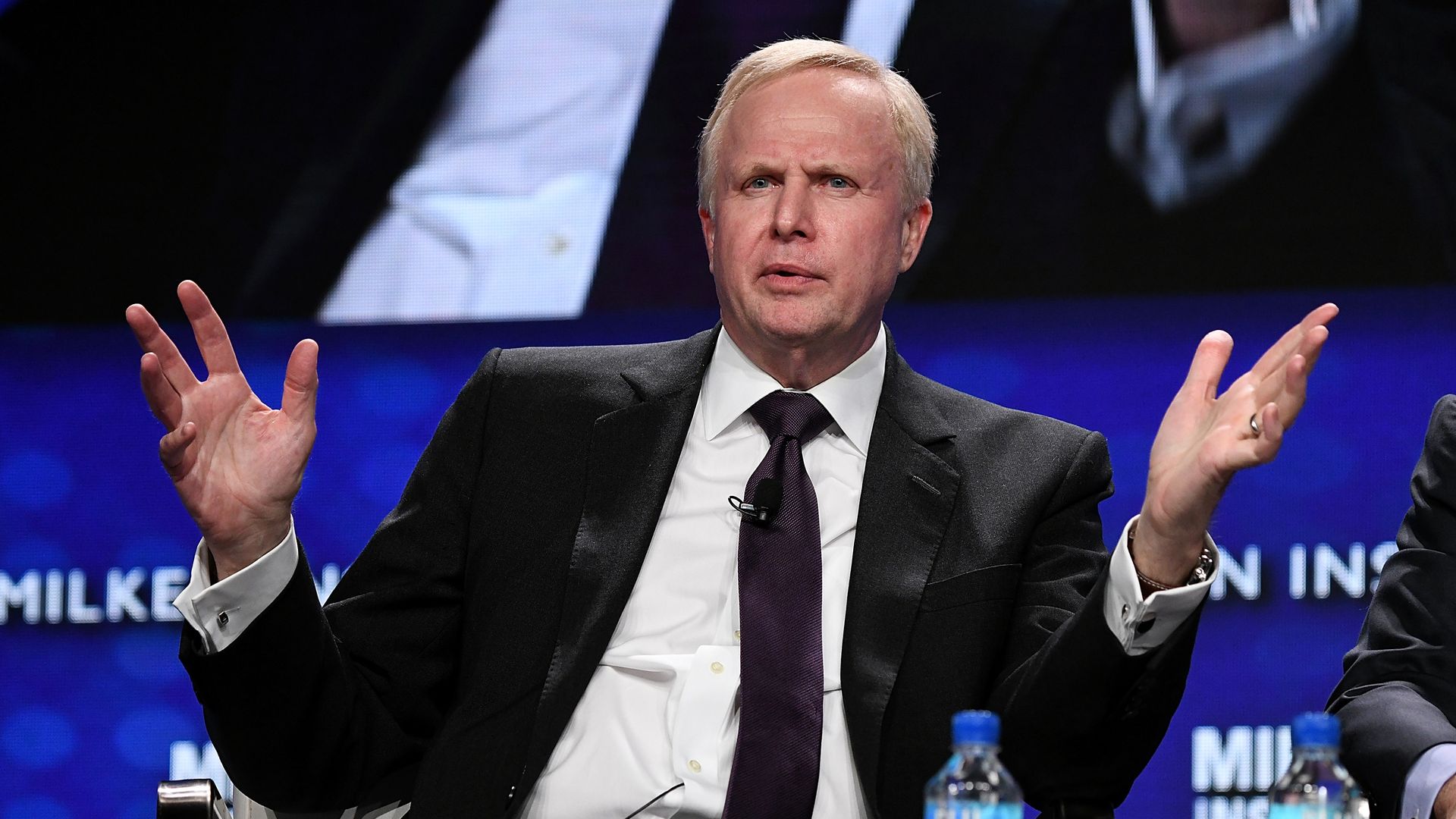
BP chief executive Bob Dudley has indicated that his company is likely to stay in industry trade groups despite differences in positions on climate policy.
What they’re saying: "BP believes that you can influence trade associations and other groups by being a part of them rather than outside of them," Dudley told Axios on the sidelines of a climate-change event in New York this week.
As world leaders waffle on policies to head off the extraordinary climate change threat, the retail sector — America’s largest private employer — is moving on its own to cut back its environmental harm.
Why it matters: E-commerce and retail giants pump out emissions and pollution through mass manufacturing, incessant speedy shipping and uncurbed waste. Per one estimate, the fashion industry alone will burn up a quarter of the world's carbon budget by 2050.