Montana Gov. Steve Bullock declared an emergency after the state bore the brunt of an "unprecedented" major winter storm, which caused power outages as it dumped snow across the Rocky Mountains region over the weekend. And the National Weather service warns it's not over yet.
Major winter storm will continue to produce snow, blowing snow, and treacherous travel conditions over the northern Rockies into tonight. Winter Storm Warnings remain in effect across much of Montana, Idaho, and portions of Washington state."
— National Weather Service advisory
What's happening: The National Weather Service said up to 2 feet of snow fell in Montana's mountains Saturday — including a record 14 inches in Great Falls, where it was still falling Sunday. The NWS even recorded on Saturday a trace of snowfall at Missoula International Airport, where no trace of snow has been recorded on Sep. 28 since 1893.
The ongoing "major winter storm" across the Northern Rockies was expected to continue through Sunday before beginning to wind down early Monday.
"An additional 1 to 2 feet (locally higher) of snow is still possible, particularly for portions of western Montana," the NWS said.
The region was also under threat from strong winds, which the NWS said may bring blizzard conditions, "with blowing snow continuing to disrupt travel into Monday even after the snowfall has come to an end."
What's next: The NWS said the storm would eject into the Plains on Monday, with showers and thunderstorms developing north of the low pressure system from the Northern Plains to the Upper Mississippi Valley Sunday night through Monday. Locally heavy rainfall and severe thunderstorms were possible.
Underneath the trough, daytime highs could reach just 20 to 30-plus degrees below average across much of the Northwest with several daily record low maximum temperature records possible into Tuesday, especially across the Northern Great Basin/Rockies and California, the weather service said.
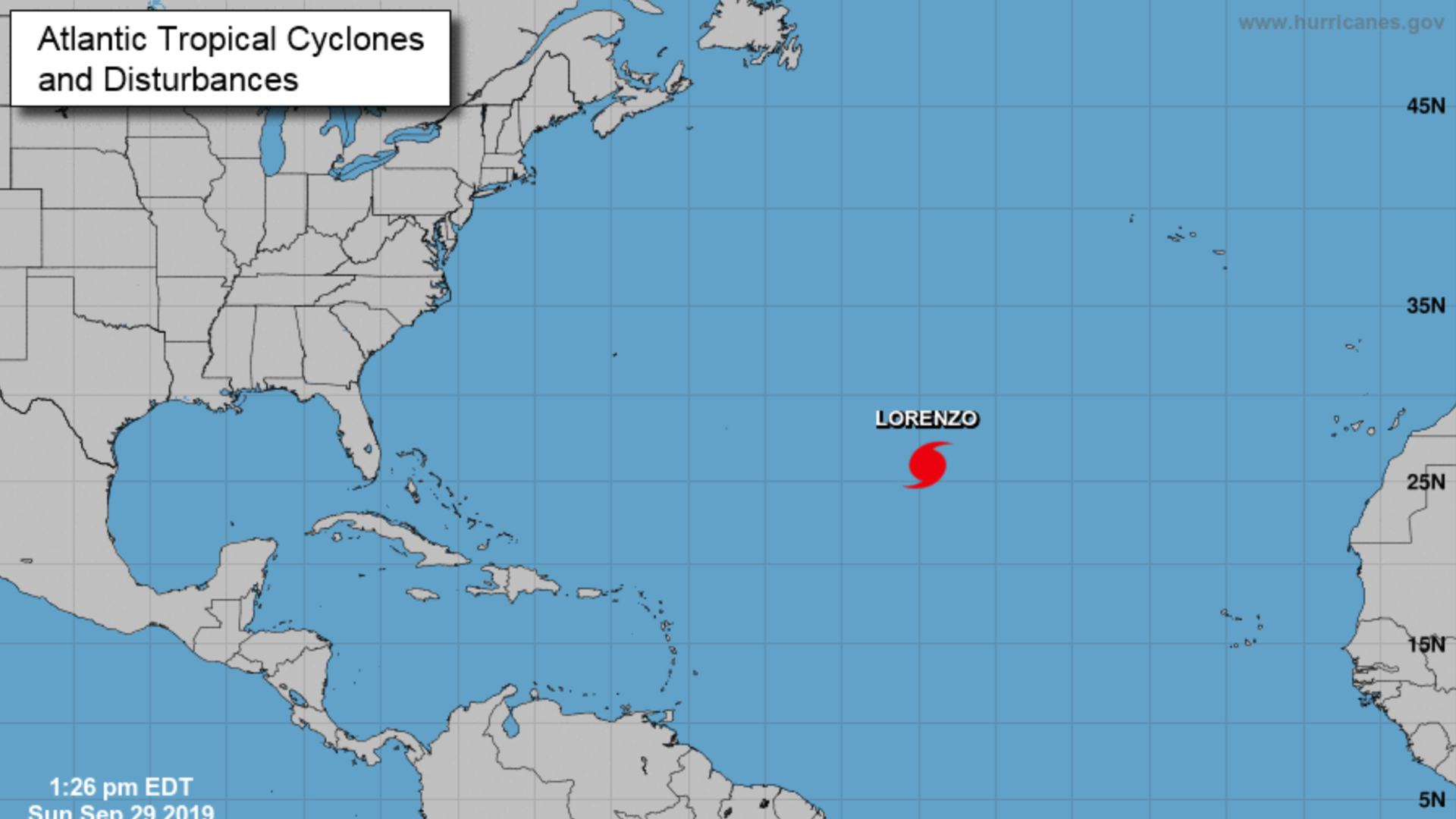
Hurricane Lorenzo is churning at Category 4 levels on Sunday after falling from Category 5 status Saturday night, according to the National Hurricane Center.
The big picture: The storm is the latest in an already destructive hurricane season for the Atlantic Ocean. When Lorenzo reached Category 5 levels Saturday night, NHC said it had evolved into "one of the largest and most powerful hurricanes of record for the tropical central Atlantic." The storm this week is projected to pass over or near the Azores, a small group of islands and autonomous region of Portugal.
To keep up with California's unrelenting wildfire threat, some insurers are now turning to AI to predict fire risk with unprecedented, structure-by-structure detail.
Why it matters: This will allow them to cover homes in areas that they would otherwise have passed over — but potentially at the cost of hiking rates for those who can least afford it.
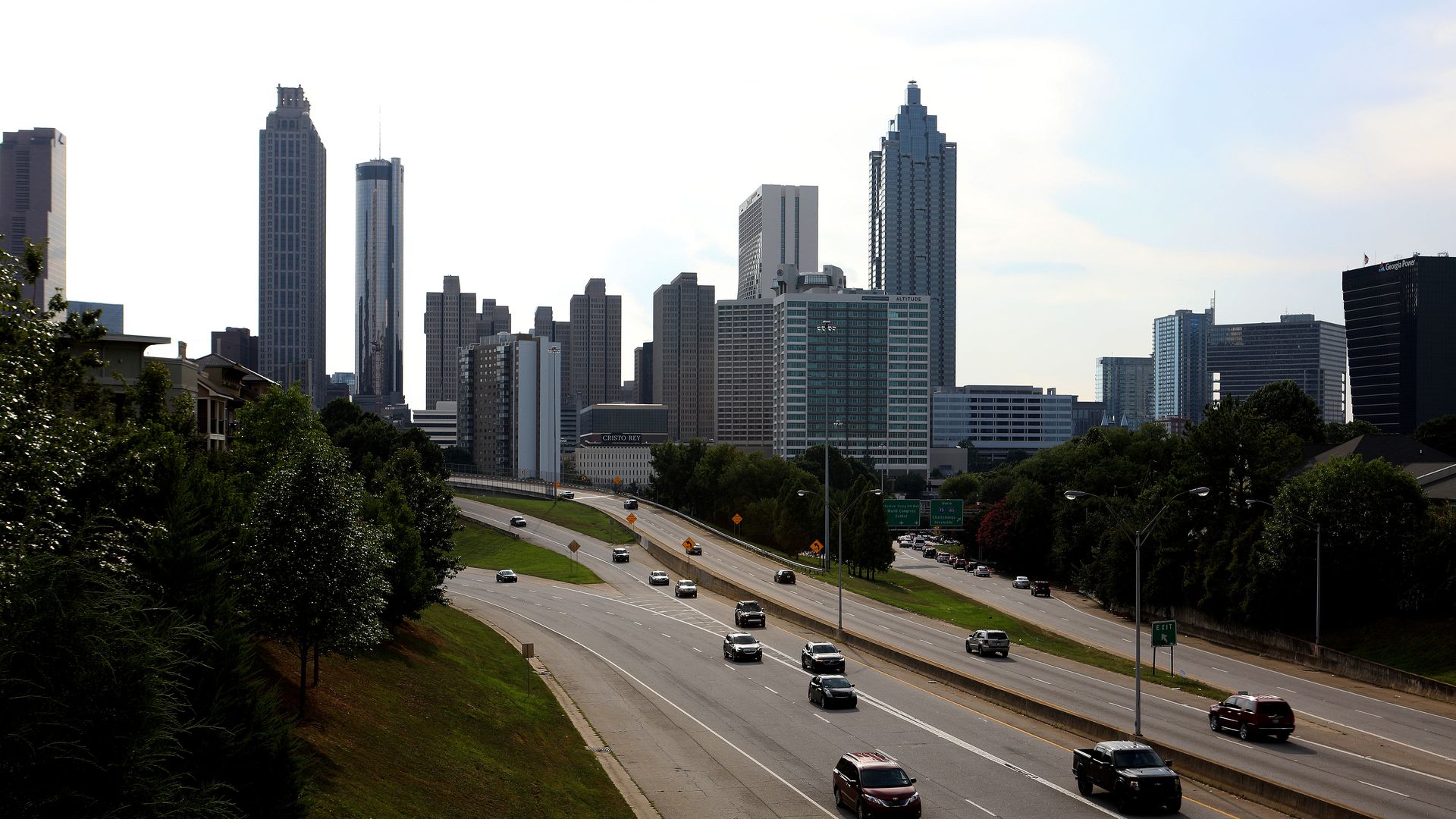
Atlanta is on track to break the city record for the most 90-degree days in one year, reports AccuWeather.
The big picture: Atlanta is one of several cities in the Southeast to have broken "multiple daily high-temperature records" this month. It's already had 83 days in 2019 in which the temperature was at least 90 degrees, threatening to break the record of 90 days set in 1980 and 2011. The steaming temperatures across a number of U.S. cities are raising cooling costs, as people are forced to use indoor air conditioning for longer than the standard cooling period from May 1 through Sept. 26, per AccuWeather.
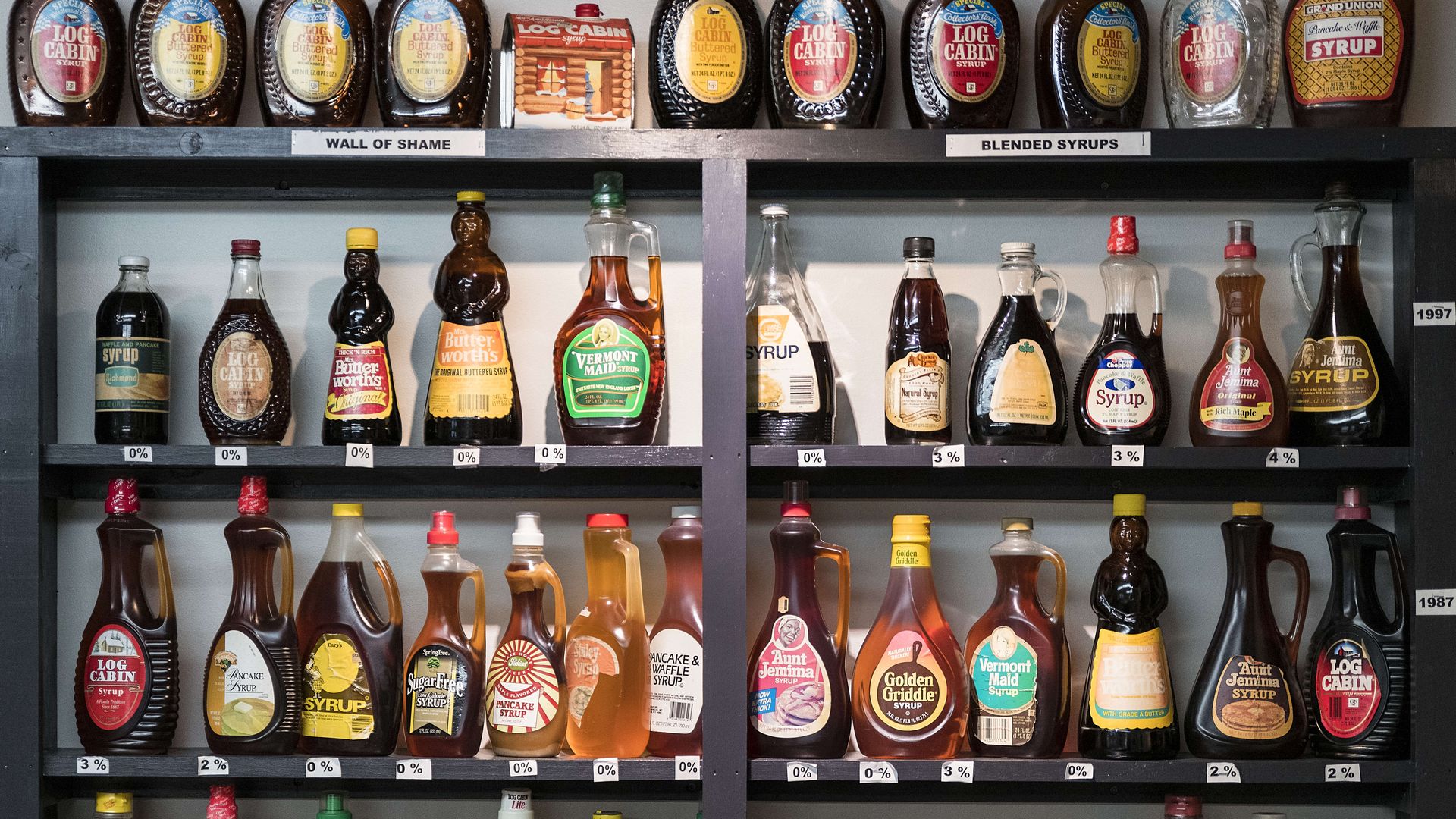
Vermont farmers are using new technology to help them harvest maple syrup as temperature spikes from climate change impact harvesting season, reports CNBC.
Why it matters: Vermont produced $54.3 million worth of syrup in 2018 and it accounts for 38% of all maple syrup produced in the U.S. However, production could be pushed farther into northern Canada if temperatures continue to rise, according to CNBC.
The U.S. vehicle market could finally be going electric — and faster than you might think.
What's happening: While California and the Trump administration go to war over the state's right to set its own tailpipe emissions standards, large cities are taking steps to curb pollution and corporate giants like Amazon are launching their own green agendas.