BP CEO Bob Dudley is preparing to leave the oil-and-gas giant within roughly a year, which would end a decade-long run at the helm, according to Sky News and Reuters.
Why it matters: The plan, if true, is part ofa wider changing of the guard at some of the world's largest oil companies.
Senate Minority Leader Chuck Schumer said a sweeping climate bill would be "one of the first things we put on the floor" if Democrats gain the majority in the 2020 election.
Why it matters: Political windows for major bills open rarely. The comments on a press call Friday sound like a commitment to spend political capital on climate if given the chance.
Let’s hark back to the childhood game of musical chairs to talk about fossil fuels and climate change (yes really!).
My thought bubble: The world’s oil, natural gas and coal producers are, metaphorically speaking, encircling a bunch of chairs, and as the world tightens its grip on heat-trapping emissions, the use of these fuels drops — and so does the number of chairs.
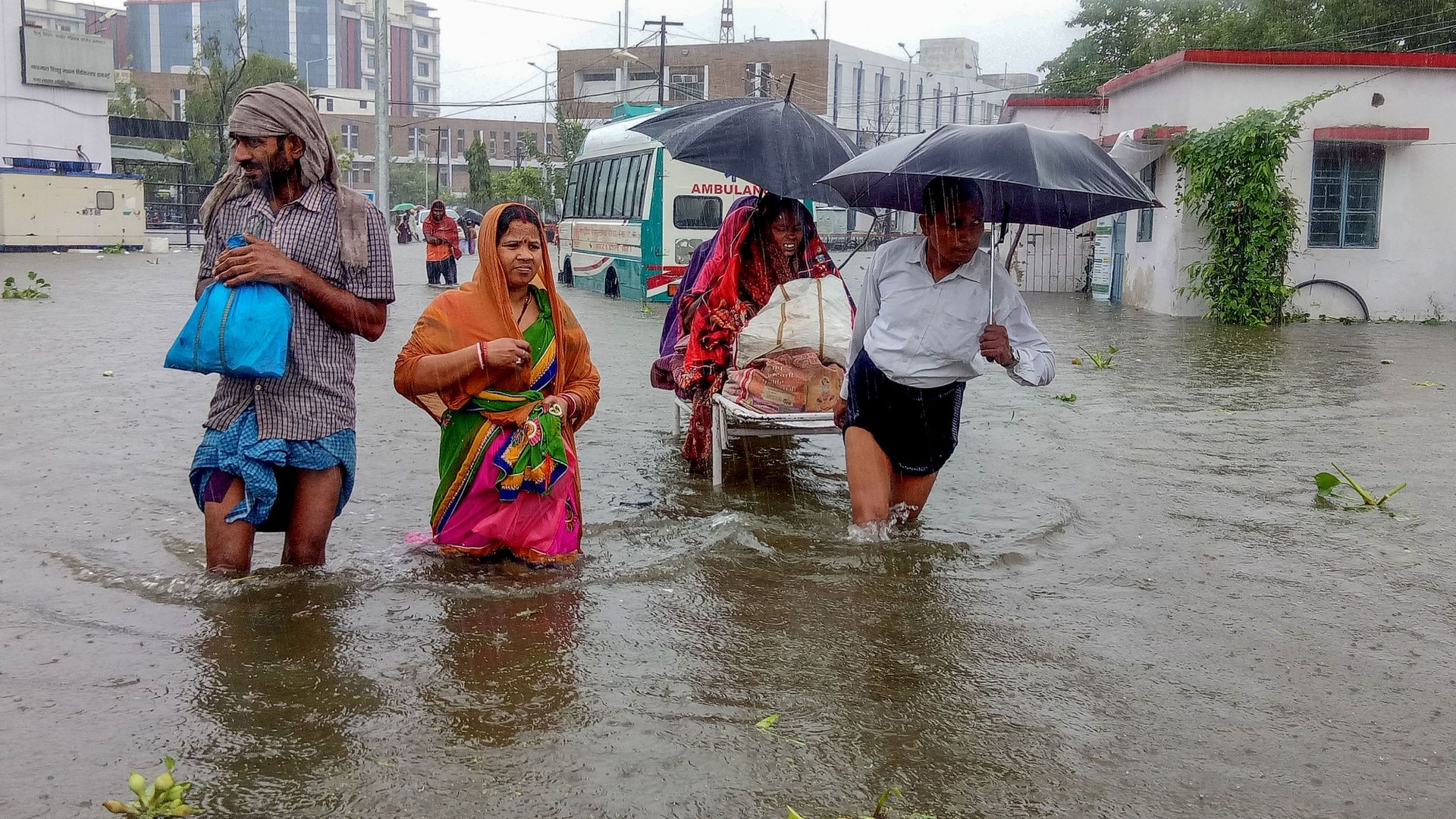
More than 100 people have died after torrential rains in northern India triggered major flooding, the BBC reports.
The impact: The worst-hit states were Uttar Pradesh, where 93 people have died since Thursday and Bihar, where 29 had lost their lives in the floods, per the BBC. Other flood-related deaths were reported in Gujarat and Kolkata, according to India Today.
Montana Gov. Steve Bullock declared an emergency after the state bore the brunt of an "unprecedented" major winter storm, which caused power outages as it dumped snow across the Rocky Mountains region over the weekend. And the National Weather service warns it's not over yet.
Major winter storm will continue to produce snow, blowing snow, and treacherous travel conditions over the northern Rockies into tonight. Winter Storm Warnings remain in effect across much of Montana, Idaho, and portions of Washington state."
— National Weather Service advisory
What's happening: The National Weather Service said up to 2 feet of snow fell in Montana's mountains Saturday — including a record 14 inches in Great Falls, where it was still falling Sunday. The NWS even recorded on Saturday a trace of snowfall at Missoula International Airport, where no trace of snow has been recorded on Sep. 28 since 1893.
The ongoing "major winter storm" across the Northern Rockies was expected to continue through Sunday before beginning to wind down early Monday.
"An additional 1 to 2 feet (locally higher) of snow is still possible, particularly for portions of western Montana," the NWS said.
The region was also under threat from strong winds, which the NWS said may bring blizzard conditions, "with blowing snow continuing to disrupt travel into Monday even after the snowfall has come to an end."
What's next: The NWS said the storm would eject into the Plains on Monday, with showers and thunderstorms developing north of the low pressure system from the Northern Plains to the Upper Mississippi Valley Sunday night through Monday. Locally heavy rainfall and severe thunderstorms were possible.
Underneath the trough, daytime highs could reach just 20 to 30-plus degrees below average across much of the Northwest with several daily record low maximum temperature records possible into Tuesday, especially across the Northern Great Basin/Rockies and California, the weather service said.
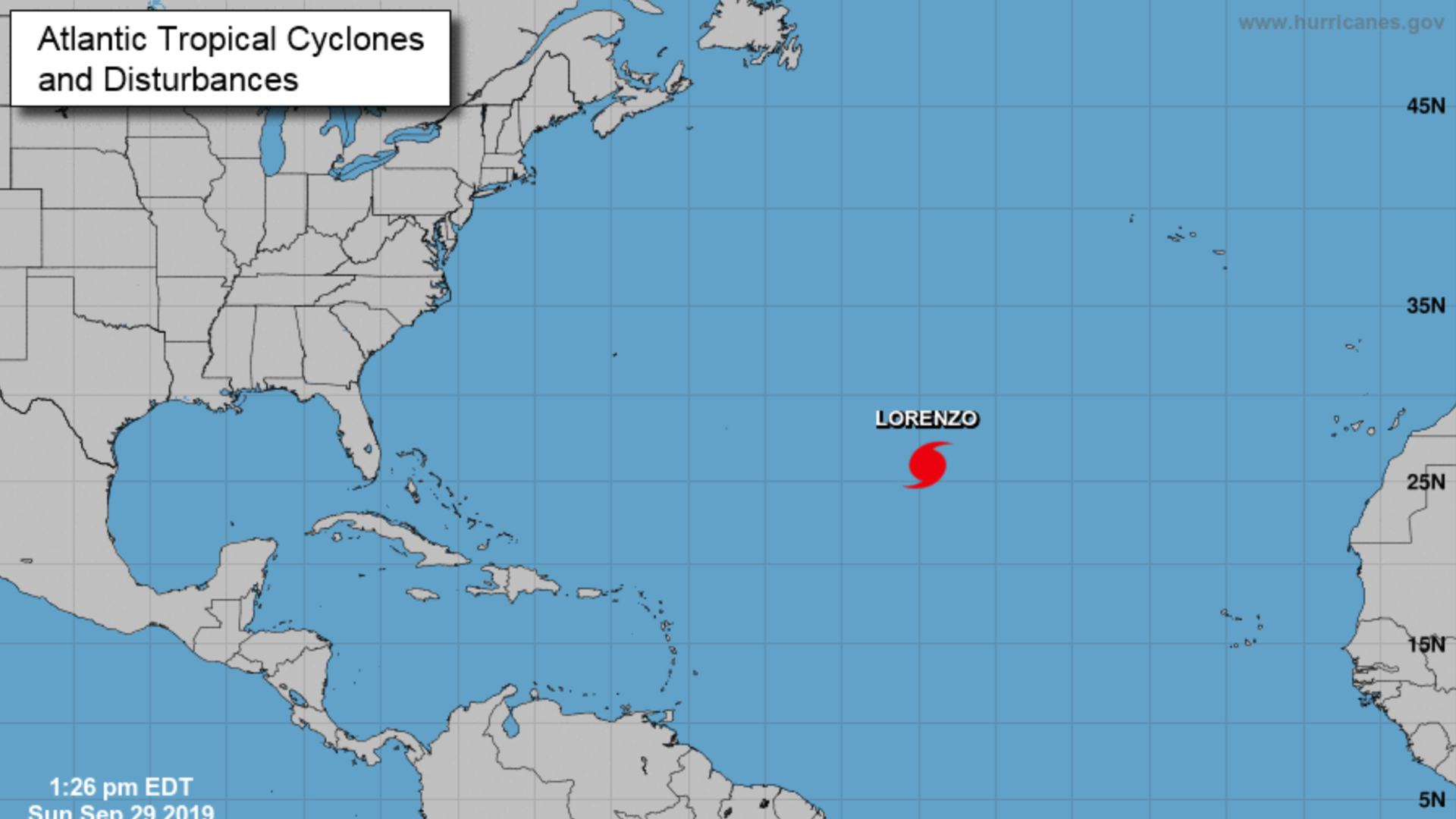
Hurricane Lorenzo is churning at Category 4 levels on Sunday after falling from Category 5 status Saturday night, according to the National Hurricane Center.
The big picture: The storm is the latest in an already destructive hurricane season for the Atlantic Ocean. When Lorenzo reached Category 5 levels Saturday night, NHC said it had evolved into "one of the largest and most powerful hurricanes of record for the tropical central Atlantic." The storm this week is projected to pass over or near the Azores, a small group of islands and autonomous region of Portugal.




/2019/09/27/1569612948985.gif?w=3840)