The nonprofit Energy Futures Initiative — led by former Energy Secretary Ernest Moniz — released a proposed 10-year, $10.7 billion plan for how federal agencies can spur large-scale use of tech that pulls CO2 from the atmosphere.
Why it matters: Carbon removal, or negative emissions, is getting more attention as the window is quickly closing for CO2 cuts steep enough to avoid high warming levels.
Dueling plotlines dominated the UN climate summit: Newly revealed ambition from countries and companies, and palpable anguish — distilled in teen activist Greta Thunberg's speech — that it's not nearly enough.
The big picture: The summit brought a burst of new commitments and initiatives. These include dozens of nations pledging to strengthen their plans under the Paris deal, new commitments to the multilateral Green Climate Fund, and asset managers committing to carbon neutral portfolios by 2050.
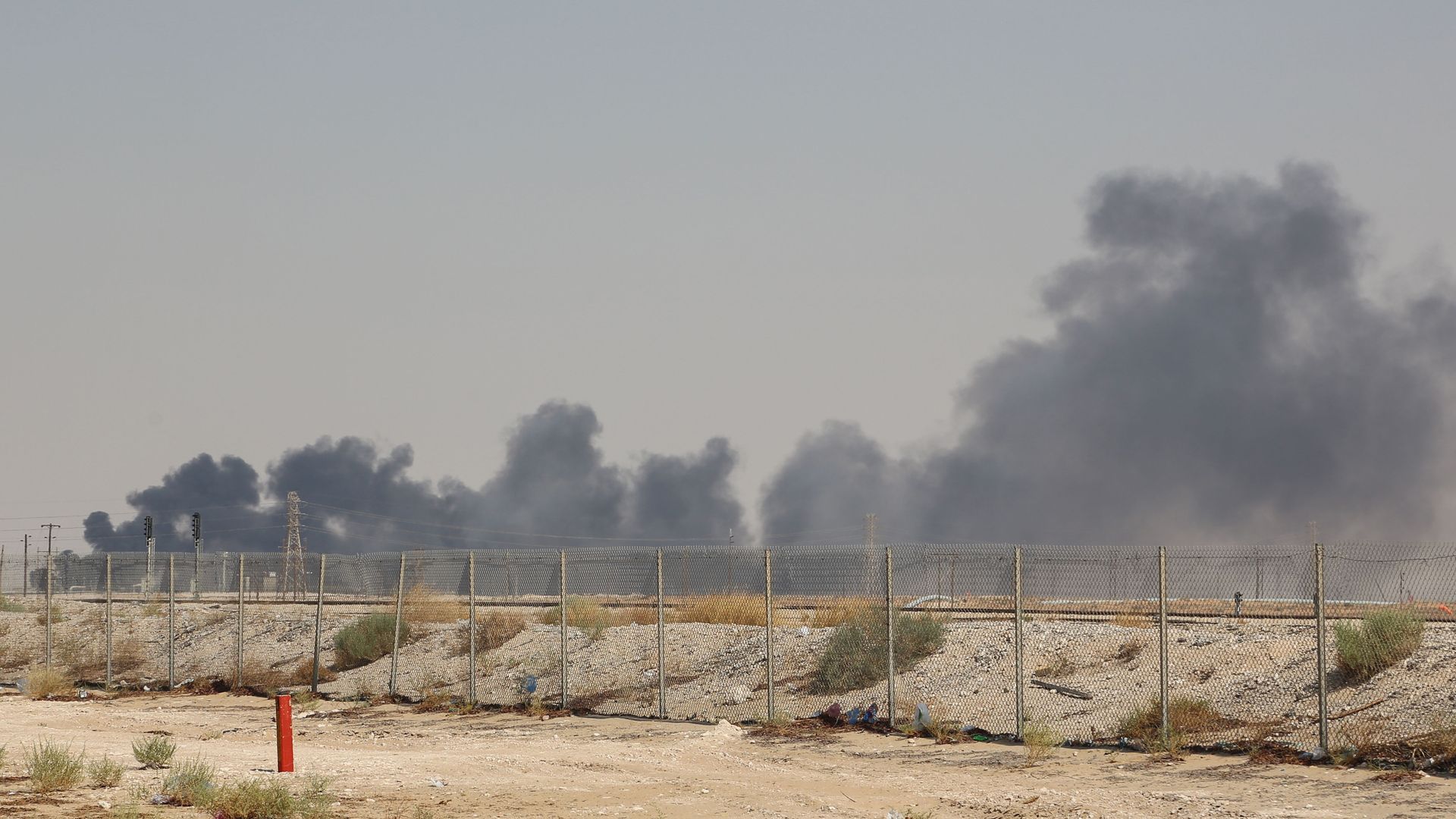
Following the Sept. 14 attacks on Saudi Arabia's oil facilities, BP CEO Bob Dudley said he found it a "remarkable thing that the oil market settled down so quickly."
Why it matters: His comments, made to Axios in an interview Monday in New York, are the latest sign of how much has changed in the global oil industry over the last few years partly as a result of America's booming oil production.
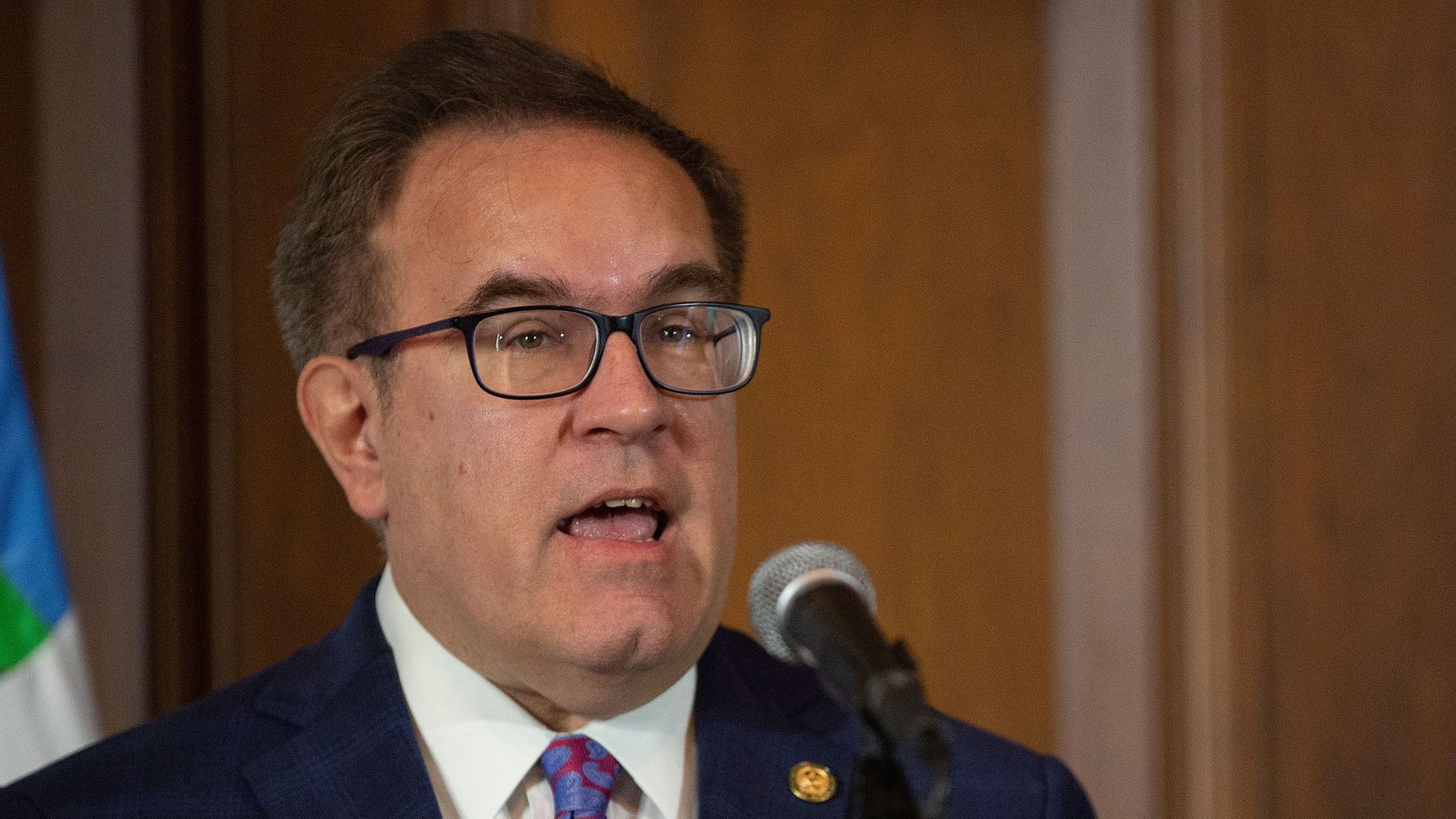
The Environmental Protection Agency has sent the California Air Resources Board a letter threatening to cut federal highway funding because of air pollution issues — claiming that the state has the "worst air quality" in the U.S.
Why it matters: The letter, first reported by the Sacramento Bee, from EPA administrator Andrew Wheeler declaring that California has failed to "carry out its most basic tasks under the Clean Air Act" marks the latest in a series of battles between the Trump administration and the liberal state.
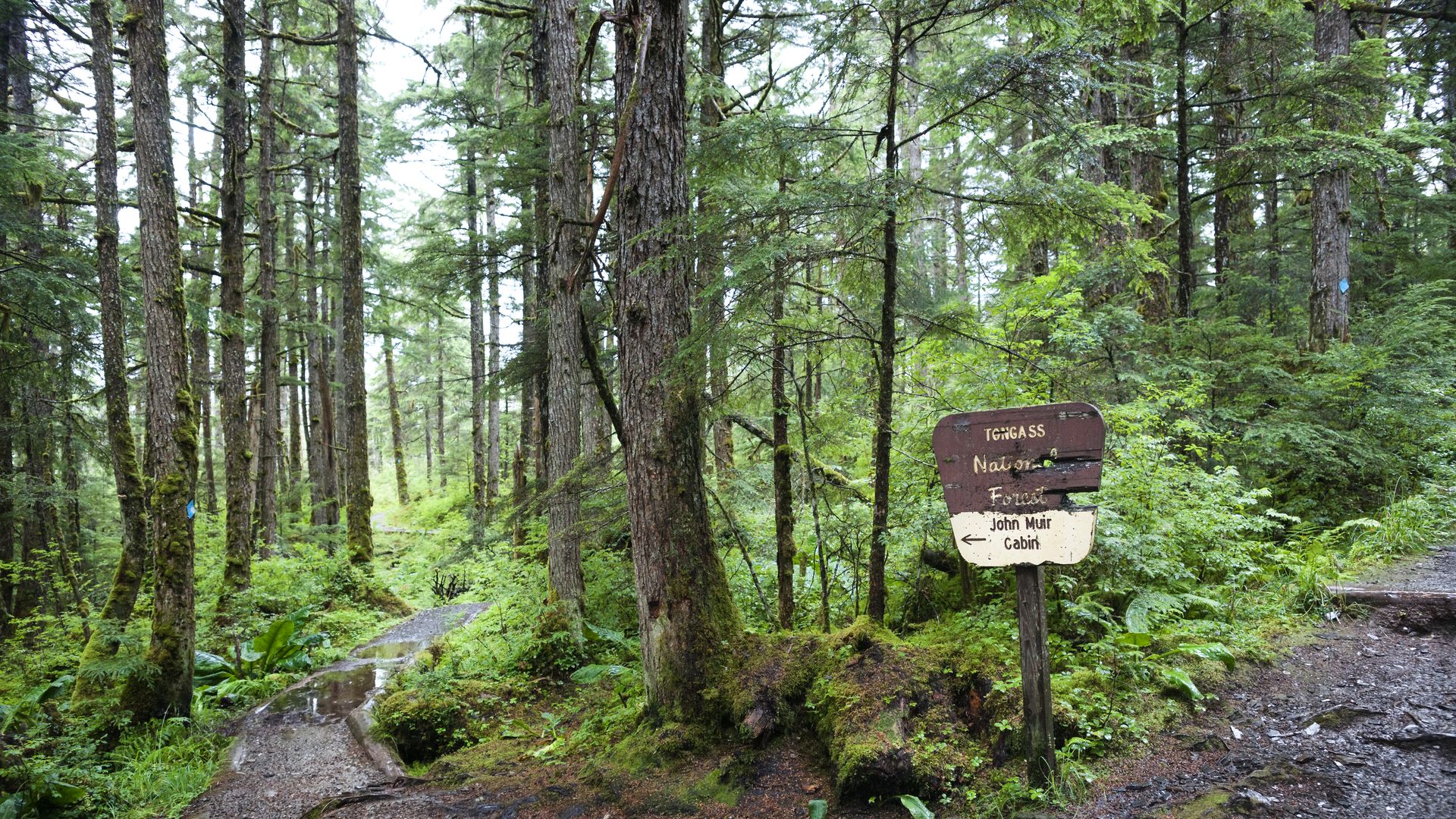
A federal judge temporarily blocked the Trump administration's plans Monday allowing the U.S. Forest Service (USFS) to permit logging 42,500 acres in the United States' largest national forest.
Where it stands: The proposed logging is part of a larger plan by the USFS to open up 2.2 million acres to sales, with the more than 42,000 acres available for logging and the remaining land available for road construction.
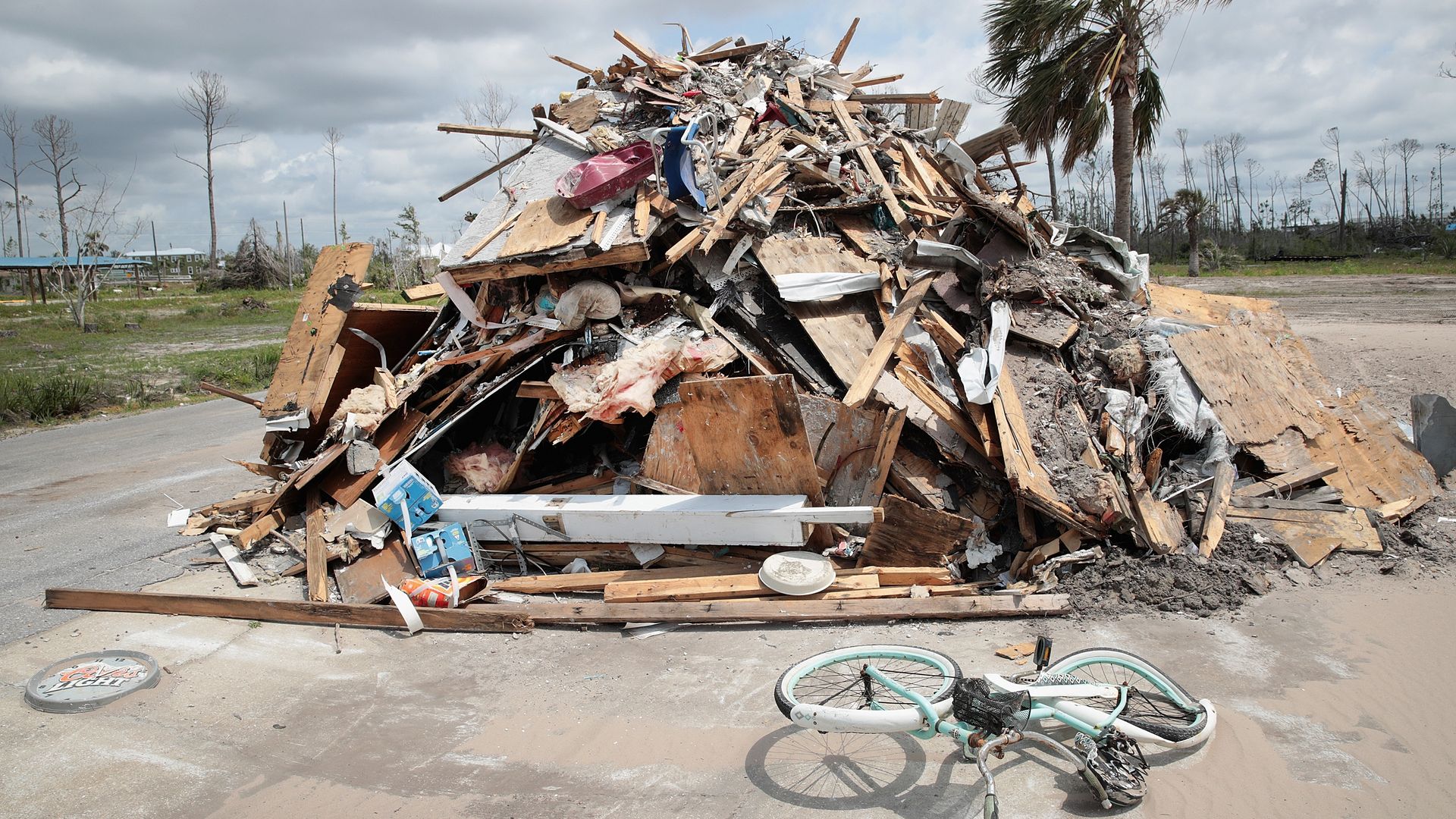
Hurricane Dorian became the first major hurricane of the 2019 Atlantic season when it made landfall as a Category 5 hurricane on Sept. 1 in the Bahamas. At least 43 people in the Bahamas were killed with many others left missing. This season has, so far, seen four named hurricanes.
The big picture: NOAA's Climate Prediction Center is forecasting a "near normal" season this year. It's also predicting a range of 9 to 15 named storms — 4 to 8 of which could become hurricanes.
A decade after millennials' hopes and dreams faded with the Great Recession, Generation Z is taking to the streets to proclaim climate change their era's defining issue.
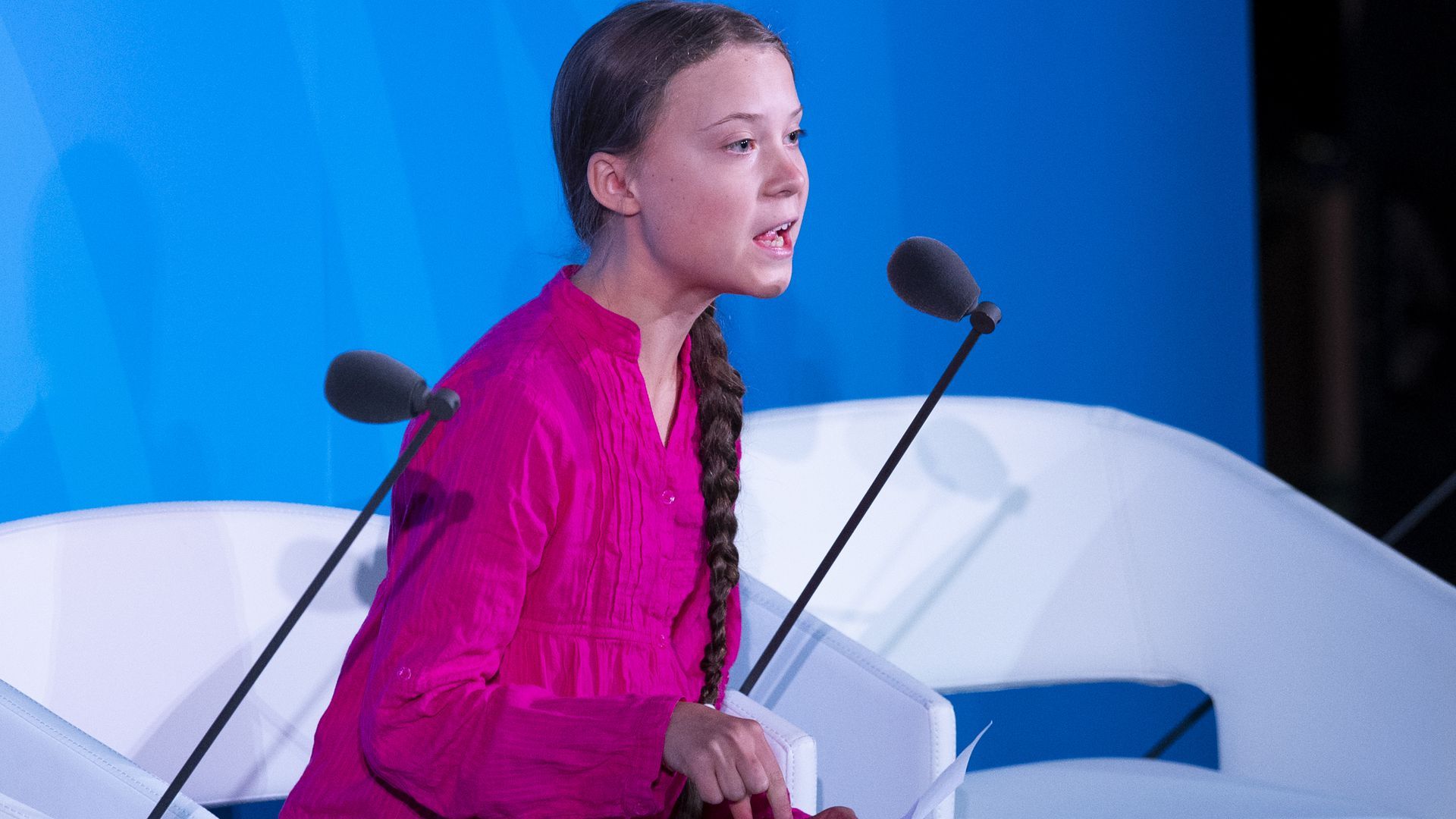
Driving the news: In New York, 16-year-old Greta Thunberg confronted world leaders Monday: "I shouldn't be up here. I should be back in school on the other side of the ocean. Yet you all come to [us] for hope. How dare you. You have stolen my dreams and my childhood with your empty words."
16-year-old Swedish teenage activist Greta Thunberg implored world leaders in a passionate, angry and tearful speech Monday to act urgently on climate change at the opening of a United Nations summit.
"I shouldn't be up here. I should be back in school on the other side of the ocean. Yet you all come to us for hope. How dare you. You have stolen my dreams and my childhood with your empty words."
Today's UN summit and the past 2 days are bringing fresh pledges by countries and corporations as the UN warns that the world faces warming levels that vastly exceeds the Paris agreement targets.
Why it matters: Secretary-General António Guterres warned Monday, "Science tells us that on our current path, we face at least 3-degrees Celsius of global heating by the end of the century."
Climate activists disrupted Washington, D.C.'s Monday morning commute by blocking key intersections to protest "the systems that created and perpetuate the climate crisis," per Shut Down D.C., the protest group that organized the strike.
The big picture: The organizers planned the shutdown on the same day that the United Nations hosts global leaders for its climate change summit at the UN General Assembly.
More sophisticated energy systems will be needed for the diversified, intelligent electric grids of the future, but blockchain technology — one widely promoted solution — may require a long list of difficult tradeoffs.
Why it matters: The power sector is becoming more distributed and decarbonized, with increasing amounts of intermittent renewables, energy storage and other smart technologies deployed across the grid. If new energy markets can't make a symphony of these varied assets, the result could be a dysfunctional cacophony.
NEW YORK — The United Nations climate-change summit kicks off here today, a week after oil prices jumped more than they ever have in history.
The big picture: These two developments offer a window into how Americans view energy and the environment today — with relatively low oil prices making room to worry more about the environment.
As world leaders gather in New York City for the United Nations Climate Action Summit Monday, a UN report warns climate change is accelerating — with the Earth on track for the warmest 5-year period on record.
"Climate change causes and impacts are increasing rather than slowing down. Sea level rise has accelerated and we are concerned that an abrupt decline in the Antarctic and Greenland ice sheets, which will exacerbate future rise. As we have seen this year with tragic effect in the Bahamas and Mozambique, sea level rise and intense tropical storms led to humanitarian and economic catastrophes."
— World Meteorological Organization Secretary-General Petteri Taalas
Hundreds of people attended a memorial service Sunday to mark the loss of Pizol glacier in the eastern Swiss Alps to global warming, NPR reports.
Why it matters: ETH Zurich university glacier specialist Matthias Huss told CNN that Pizol had "disappeared" after losing 80-90% of its volume since 2006. An April study by European researchers warns that from 2017 to 2050, about 50% of glacier volume in the Alps will vanish, "largely independently of how much we cut our greenhouse gas emissions."