The big picture: The Bay of Bengal has a devastating history of deadly storms. The most tragic was the Great Bhola Cyclone in November of 1970 — with an estimated 300k-500k death toll that makes it the deadliest tropical cyclone in history.
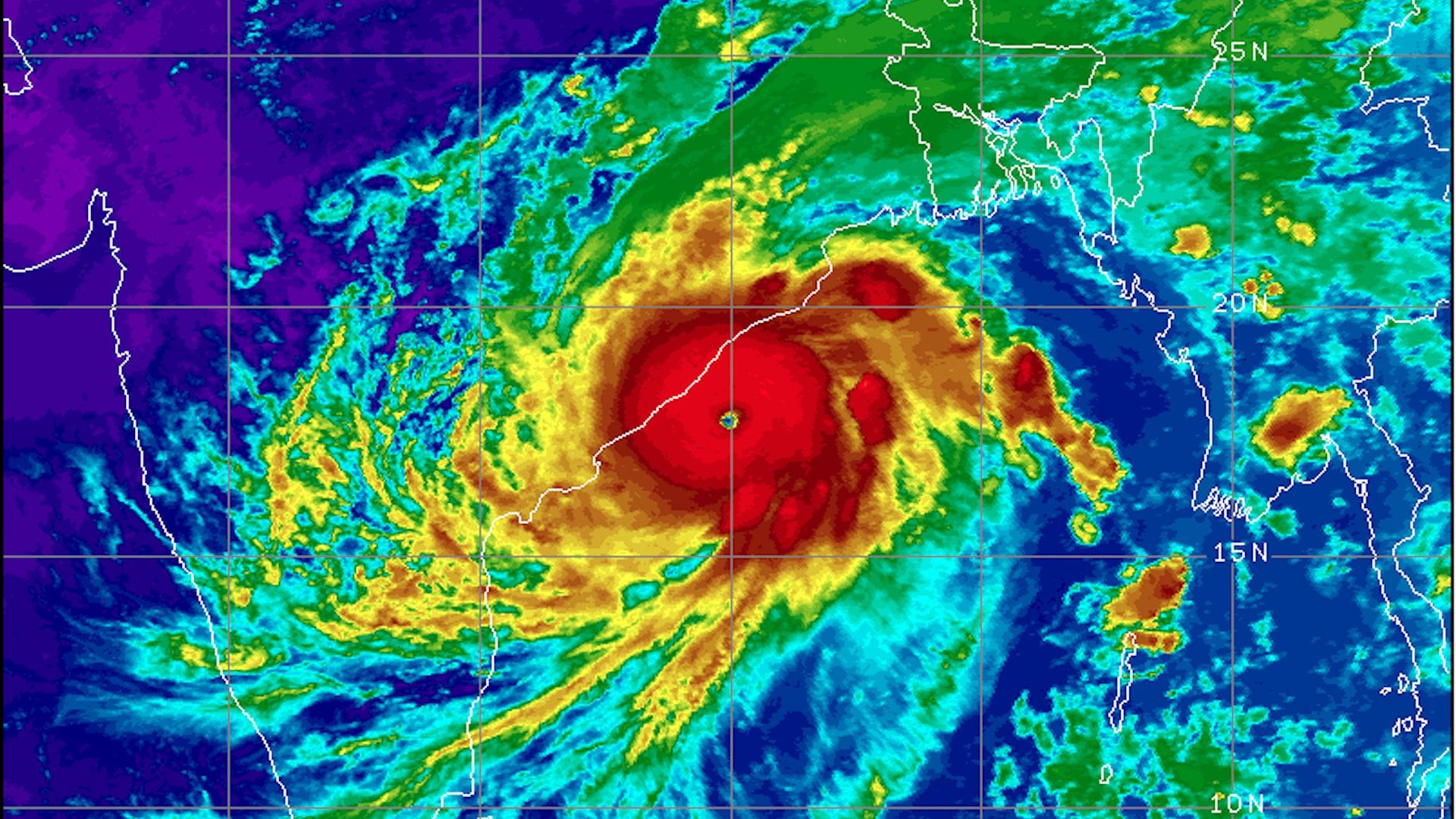
Cyclone Fani intensified into a monstrous, high-end Category 4 storm in the western Bay of Bengal on Thursday as it wobbled closer to the Indian coastline. It is forecast to cross the Odisha coast as a Category 3 cyclone between Gopalpur and Chandbali, near Puri, on Friday, according to the India Meteorological Department (IMD).
The big picture: Based on reporting from the Joint Typhoon Warning Center, Cyclone Fani had maximum sustained winds of 155 mph, along with higher gusts as of Thursday morning eastern time, placing it just below Category 5 status. However, the storm's winds then began to weaken slightly as it interacted with the coastline and an area of slightly cooler ocean waters.
Some of the most ethereal, unique ecosystems in the world are enshrouded in clouds. The fate of Earth's cloud forests, and the specialized species they harbor, is a concern facing climate scientists and conservationists around the world.
The big picture: Tropical montane cloud forests and páramo, which are alpine ecosystems that occur above the tropical cloud forests between about 11 degrees north and 9 degrees south latitude, are losing the mist that defines them as the planet's climate changes largely due to human emissions of greenhouse gases. Another factor is land use change, with deforestation also posing a threat.
Why it matters: As one of 8 Arctic nations, the U.S. plays a key role in setting policy for the region, which is warming at more than twice the rate of the rest of the globe. Under President Trump, the U.S. has pursued policies aimed at boosting its production of fossil fuels, which contribute to planet-warming greenhouse gas emissions.
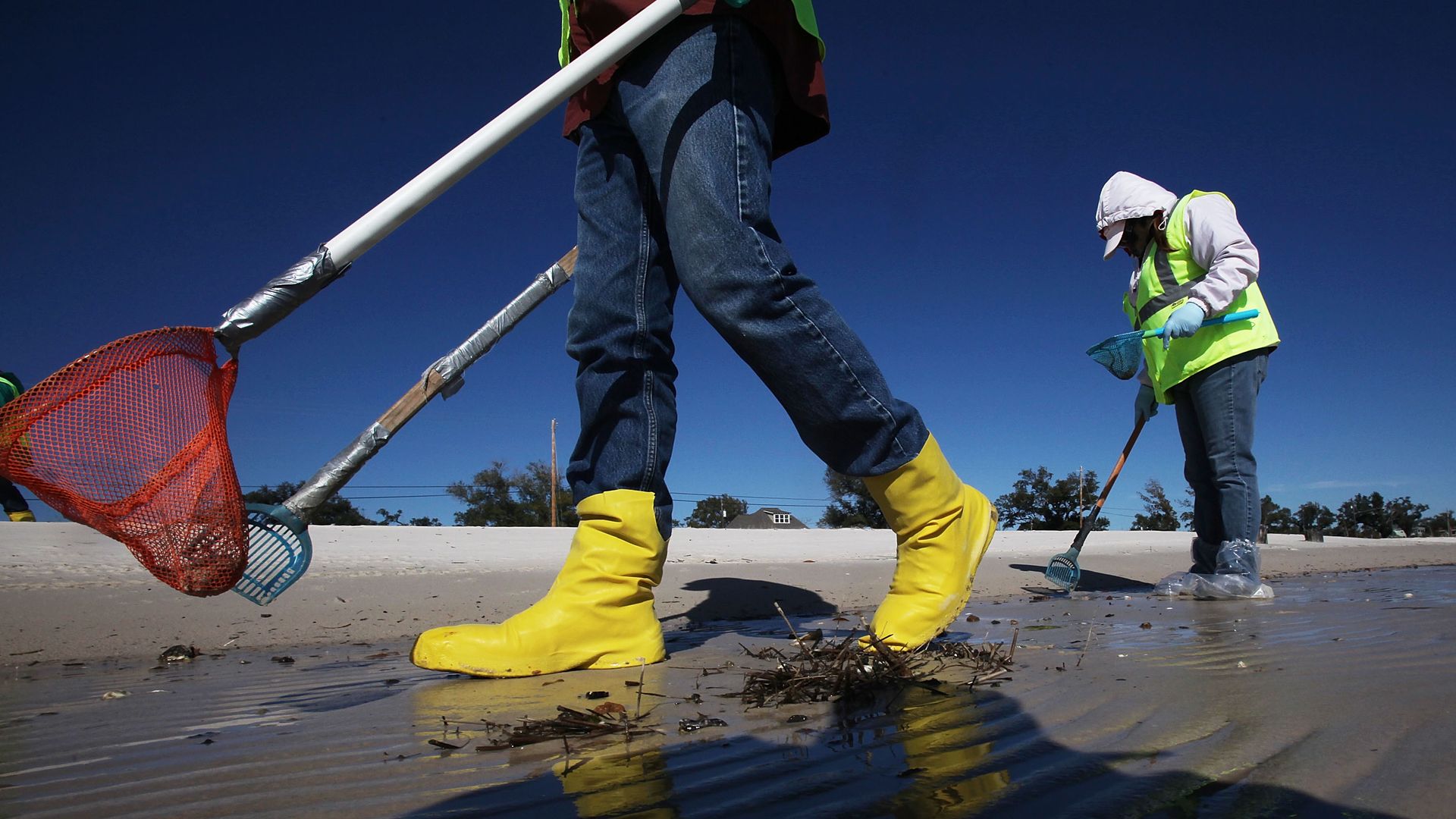
The Interior Department announced a rollback on an Obama-era offshore drilling safety rule put in place after the 2010 Deepwater Horizon BP oil spil, the Wall Street Journal reports.
The big picture, via Axios' Amy Harder: This is one of the most controversial regulatory rollbacks pursued by the Trump administration, due to the high-profile disaster that is still America's worst oil spill. 11 workers died in the BP incident, and oil spilled into the gulf from a ruptured well for nearly three months before it was capped.
Royal Dutch Shell joined other majors in reporting a drop in Q1 profits, but the company's stock ticked upward Thursday after the performance came in ahead of expectation.
The bottom line: Shell reported $5.3 billion in profits on a current cost of supplies basis, which is 7% lower than Q1 of 2018.
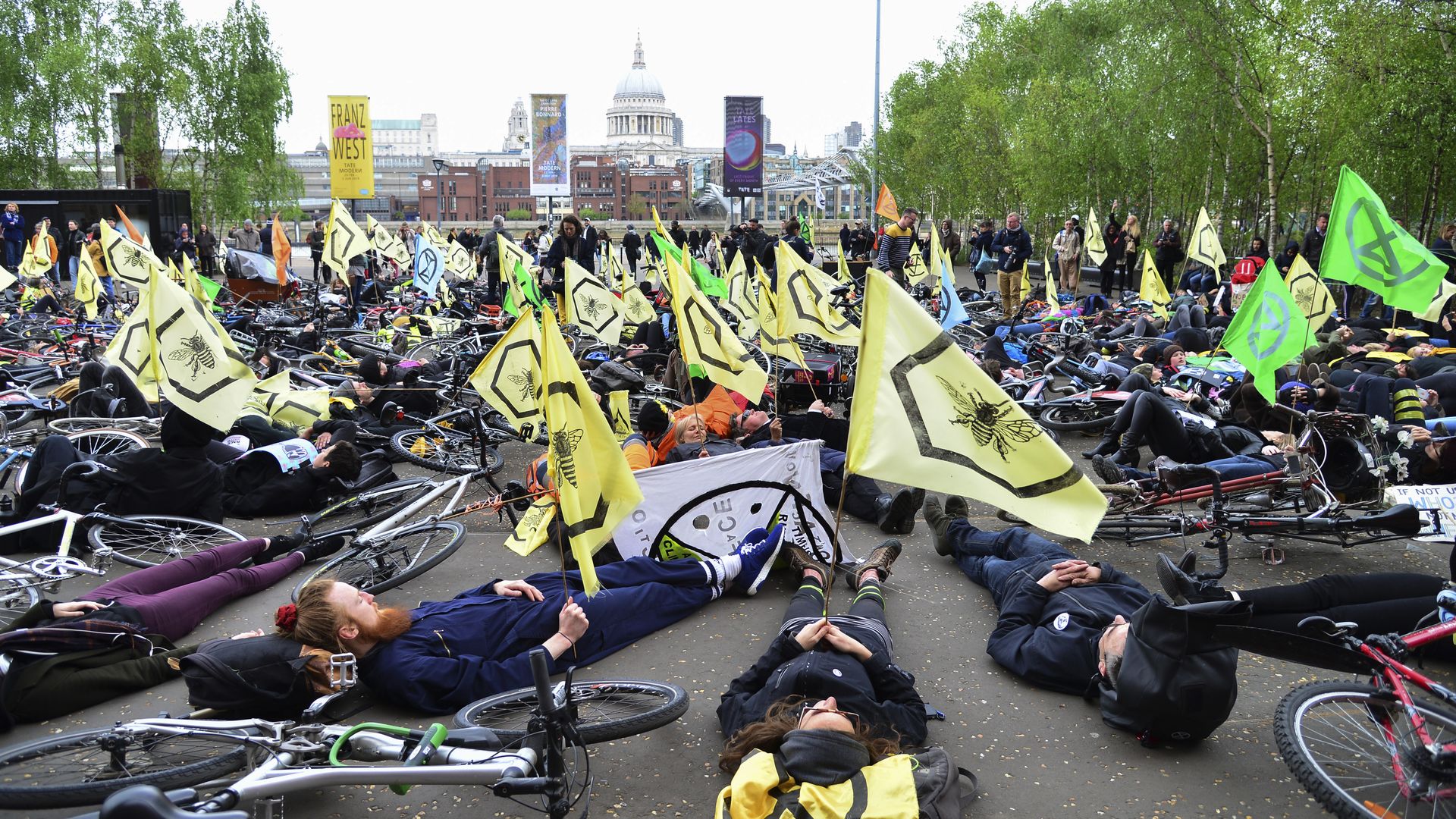
The U.K. Parliament officially declared "an environment and climate emergency" on Wednesday, following pressure from the the Extinction Rebellion activist group and the opposition Labour Party — which claims the U.K. has become the first country in the world to do so.
The big picture: The declaration, which is the first of its kind, came after 16-year-old Swedish climate activist Greta Thunberg spoke to U.K. lawmakers last week, asking for more government action to combat climate change. Protestors from Extinction Rebellion have taken over the streets in London and become a source of recurring pressure for lawmakers. The climate emergency has no clear definition, but will act as a symbolic, national recognition of the problem, CNN reports.
Tesla announced plans today to raise roughly $2 billion as it prepares new product launches and grapples with disappointing earnings. The company's stock was up 5% in pre-market trading.
The big picture: "Tesla intends to use the net proceeds from the offerings to further strengthen its balance sheet, as well as for general corporate purposes," the company said in announcing the offering of stock and debt.
Oil prices fell on Wednesday as the fears of an escalation in Venezuela's political crisis faded, and U.S. inventories posted a surprise increase, adding to global supply. Crude prices have largely wiped out the politics-driven rally that began on April 22 after the U.S. decided to end sanctions waivers for countries importing Iranian oil.
What's happening: U.S.-backed Venezuelan opposition leader Juan Guaidó attempted to seize power from Nicolás Maduro on Tuesday, but has not been able to declare victory.
In the first four months of 2019, four major financial institutions headquartered in Asia have announced restrictions on the financing of new coal plants — a noteworthy shift within the region.
Why it matters: Until recently, such restrictions came largely from Western financial institutions. But the majority of planned new coal plants are being built in just four Asian countries — China, India, Vietnam and Indonesia — and increasingly underwritten by Asian financial institutions.
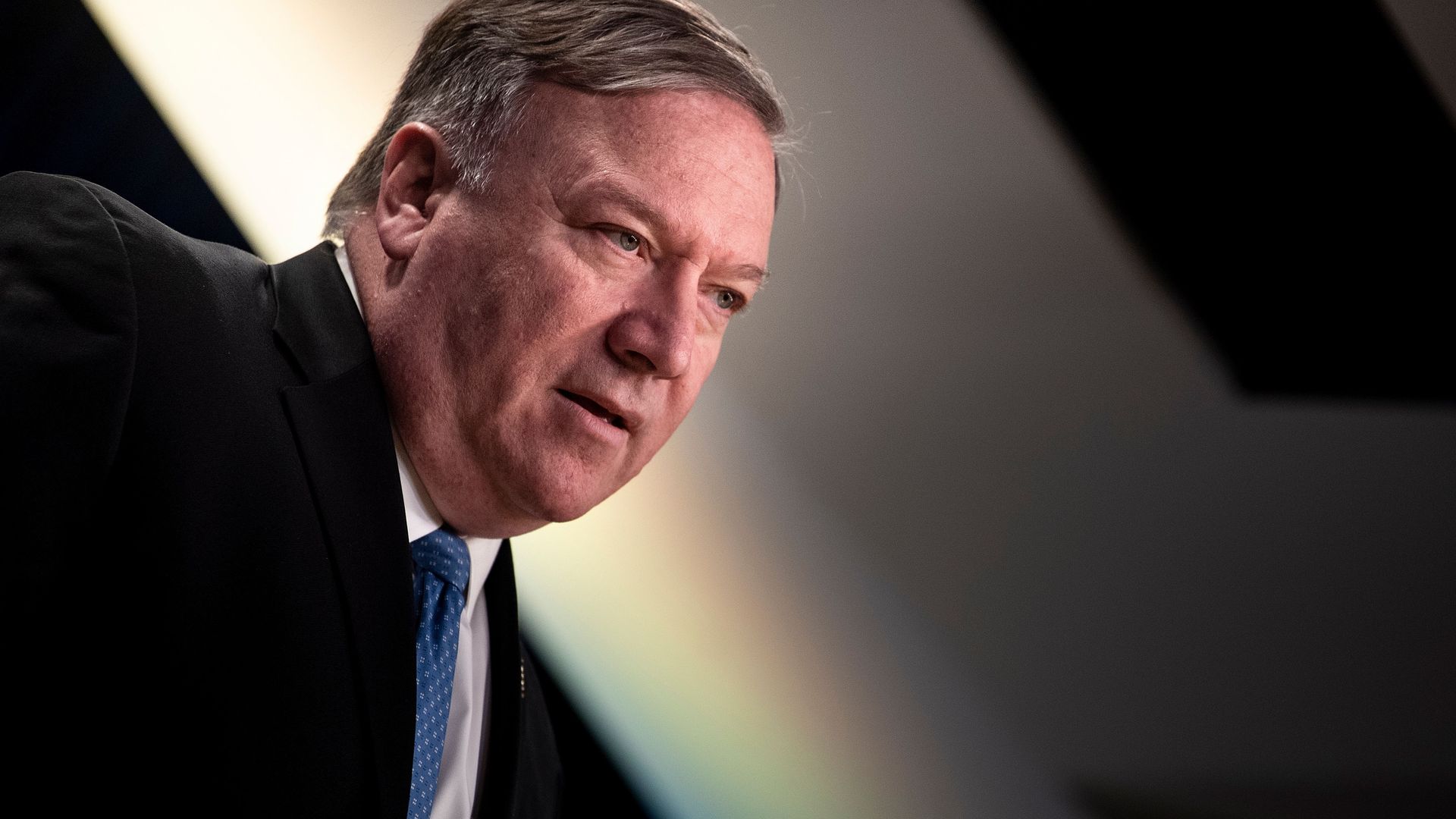
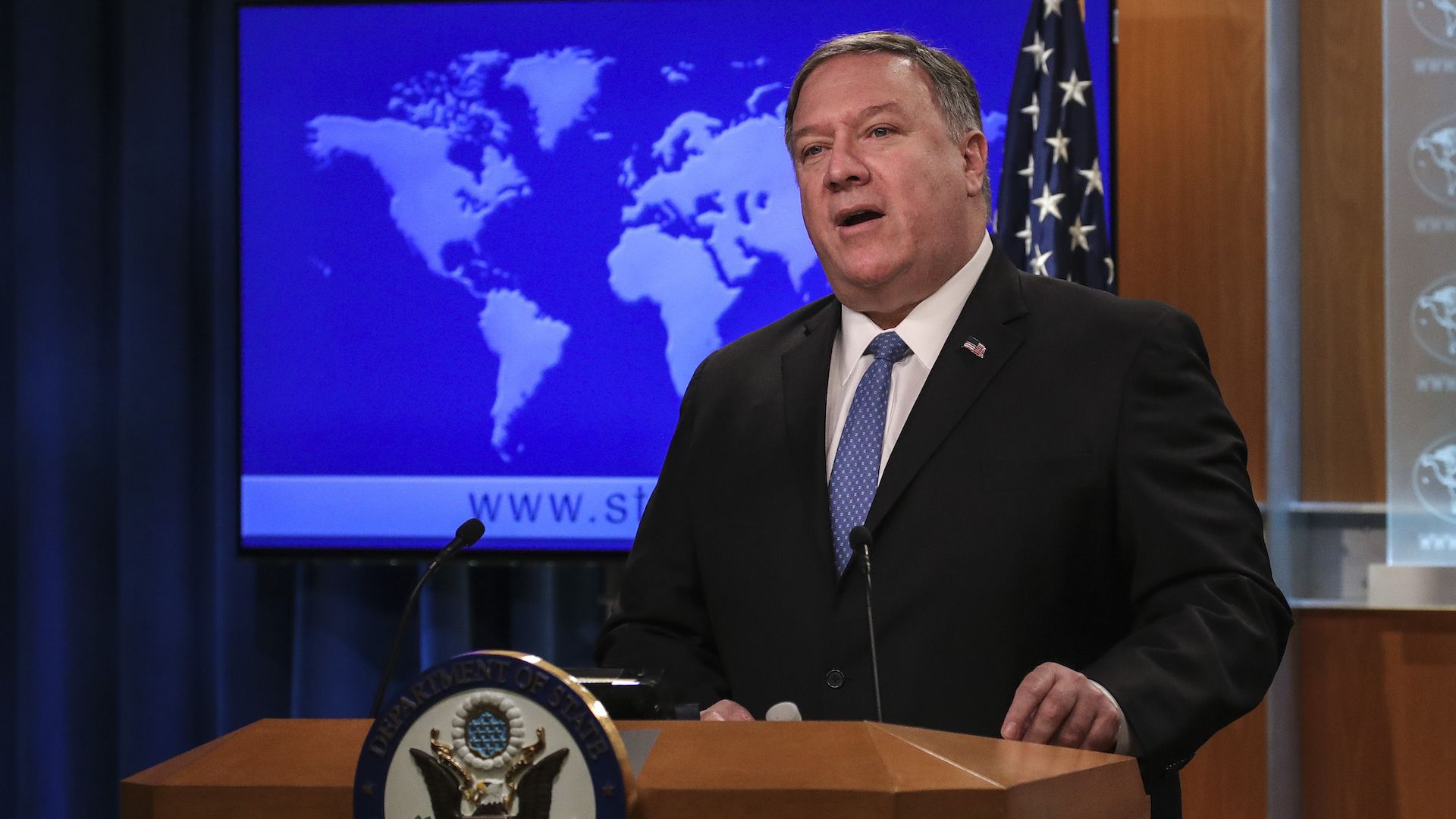
Secretary of State Mike Pompeo is scheduled to visit two places in the Arctic in the coming days, where it could be extremely difficult to ignore or downplay the reality and consequences of human-caused global warming.
Why it matters: The Arctic is warming at more than twice the rate of the rest of the globe, setting in motion a transformation of a once-frozen region into a new state. Melting sea ice is quickly making the Far North more accessible, and marine traffic from container ships and cruise vessels is becoming more common, particularly in Russian and Canadian waters. As one of 8 Arctic nations, the U.S. plays a key role in setting policy for the region.
President Trump is seeking to aggressively invoke America’s oil and natural gas resources to influence geopolitics.
Driving the news: White House officials are citing America’s surging oil production as reason to ban all Iranian oil purchases by Thursday, per Reuters. Meanwhile, in meetings in Brussels, Energy Secretary Rick Perry and European officials are touting a record-setting amount of U.S. liquefied natural gas (LNG) entering Europe, helping to lessen that region’s dependence on Russian gas.