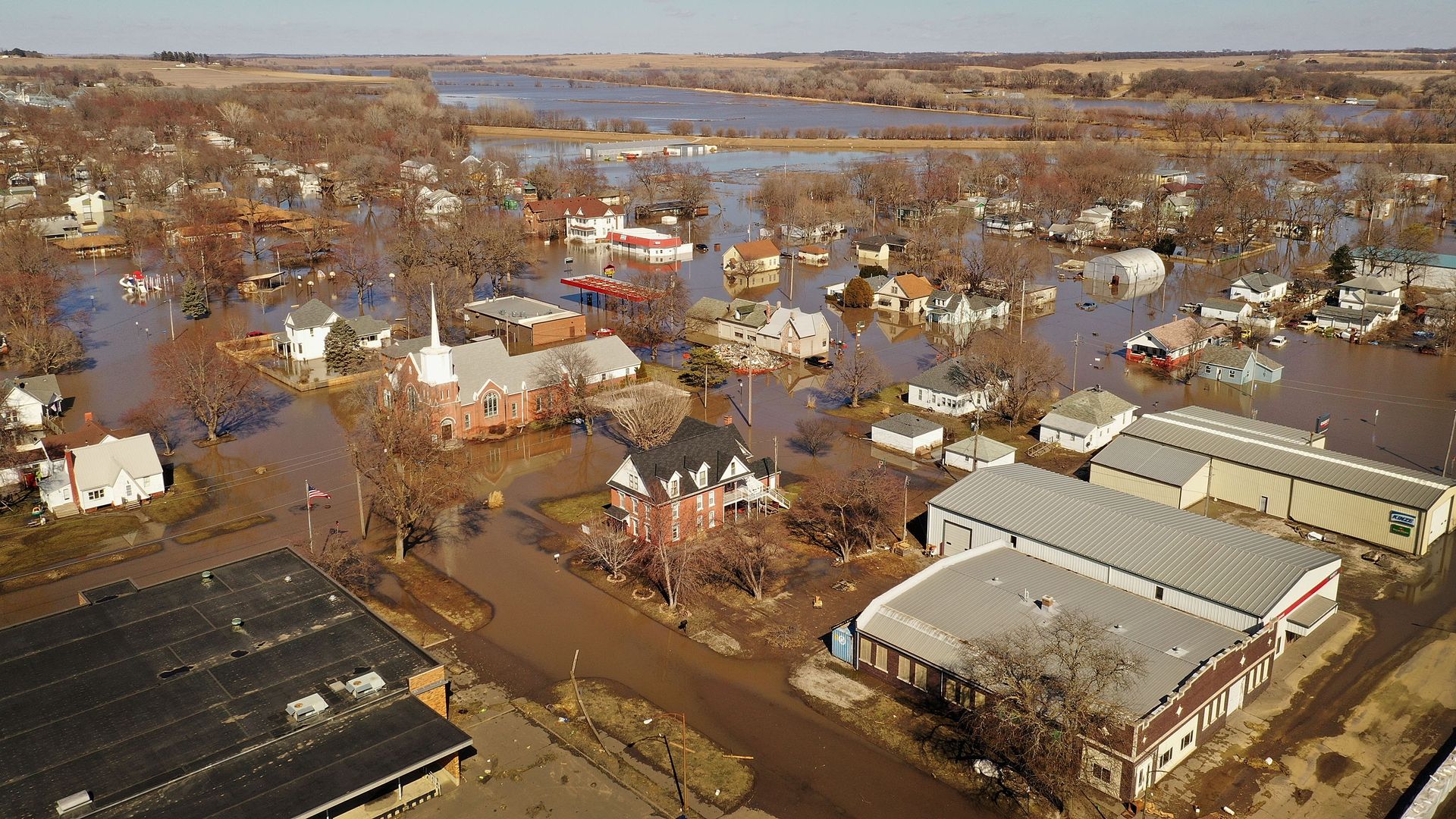
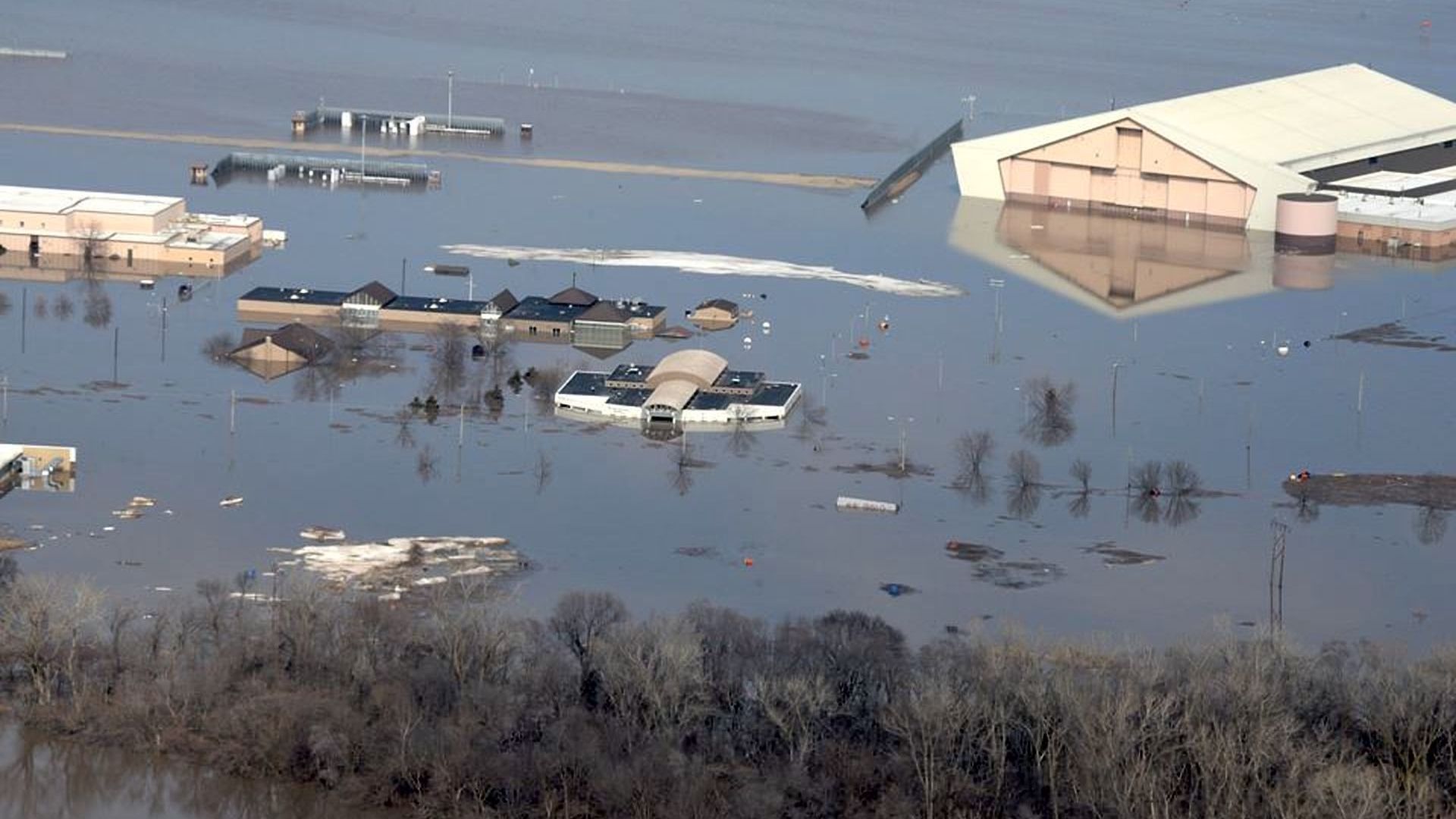
What they're saying: "The extensive flooding we've seen in the past two weeks will continue through May and become more dire and may be exacerbated in the coming weeks as the water flows downstream. This is shaping up to be a potentially unprecedented flood season, with more than 200 million people at risk for flooding in their communities," writes Ed Clark, the director of NOAA's National Water Center.
Carbon Engineering brought in a record $68 million worth of private equity, which will enable the Canada-based company to commercialize zany-sounding technology capturing carbon dioxide emissions from the sky.
Why it matters: This type of technology does far faster what trees can and naturally: suck carbon dioxide out of the atmosphere. Because there's already so much buildup, scientists say we’ve reached a point in which some CO2 needs to be removed to limit Earth’s temperature rise and avoid the worst impacts of a warmer world.
Starbucks announced it will be testing recyclable and compostable cups over the next year in select cities, reports AP. Simultaneously, some stores will be redesigned to better accommodate mobile pick-up orders and deliveries.
The coffee giant has already pledged to phase-out plastic straws by 2020. Starbucks goes through almost 7 billion cups a year, reports CNBC.
A federal judge has temporarily blocked oil and gas drilling on 300,000 acres of federal land in Wyoming, ruling that the Interior Department "did not sufficiently consider climate change" in its assessments of whether to lease federal land for individual projects, the Washington Post reports.
Why it matters: This is the first time the Trump administration is being held accountable by the courts for the impact of its energy policies. The key question now is whether this is a one-off or the beginning of a trend by the court system to serve as a check on Trump's fossil-fuel agenda — something Democrats were unable to do for the first two years of his presidency.
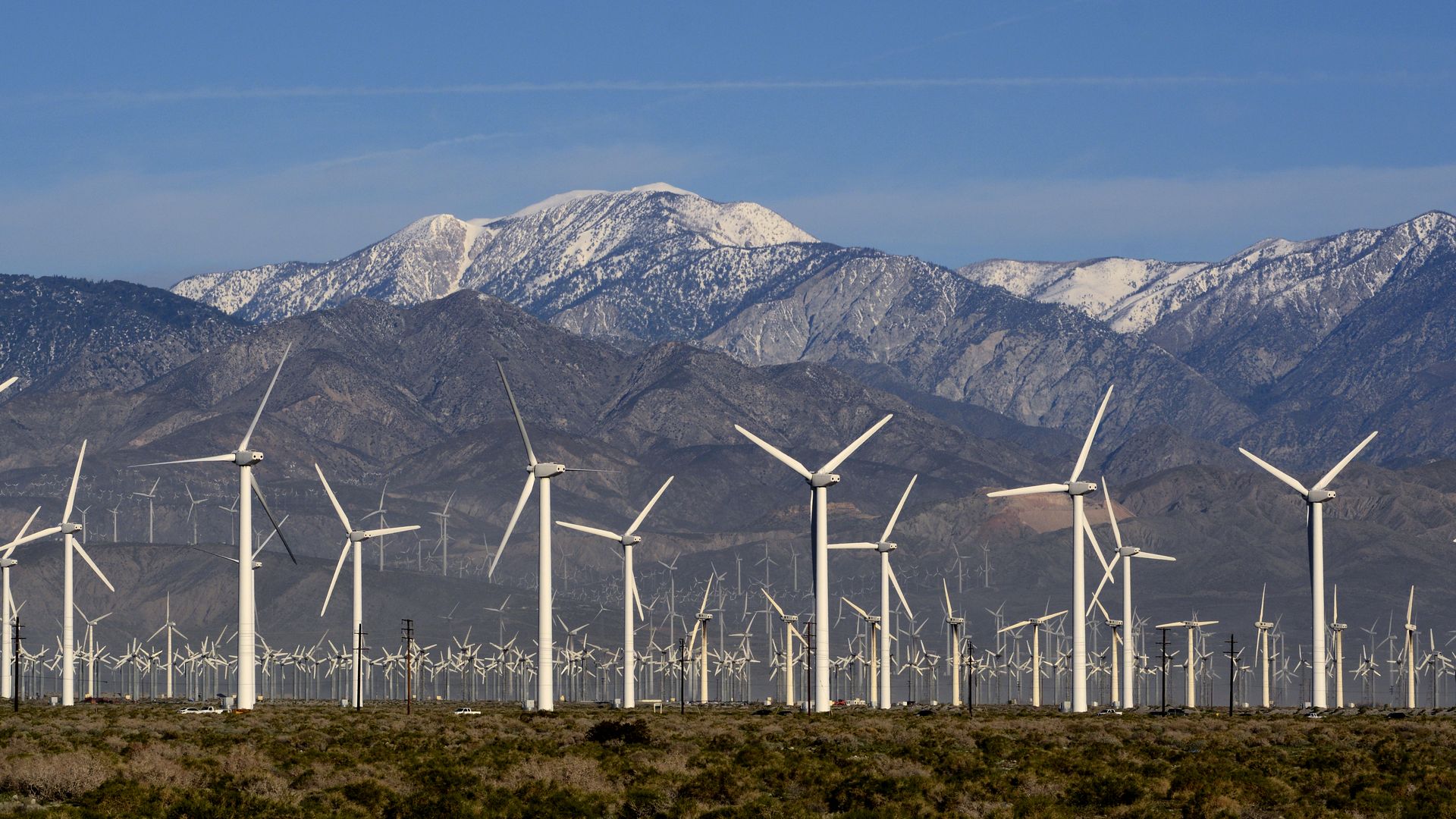
Two reports released yesterday highlight the impressive growth of renewable power and electric vehicles — but also how extremely far they have to go before upending fossil fuels' role in the energy system.
The big picture: Falling costs for solar photovoltaic, wind and battery tech have helped to boost adoption of renewable power and EVs. So have supportive policies in the U.S. and elsewhere.
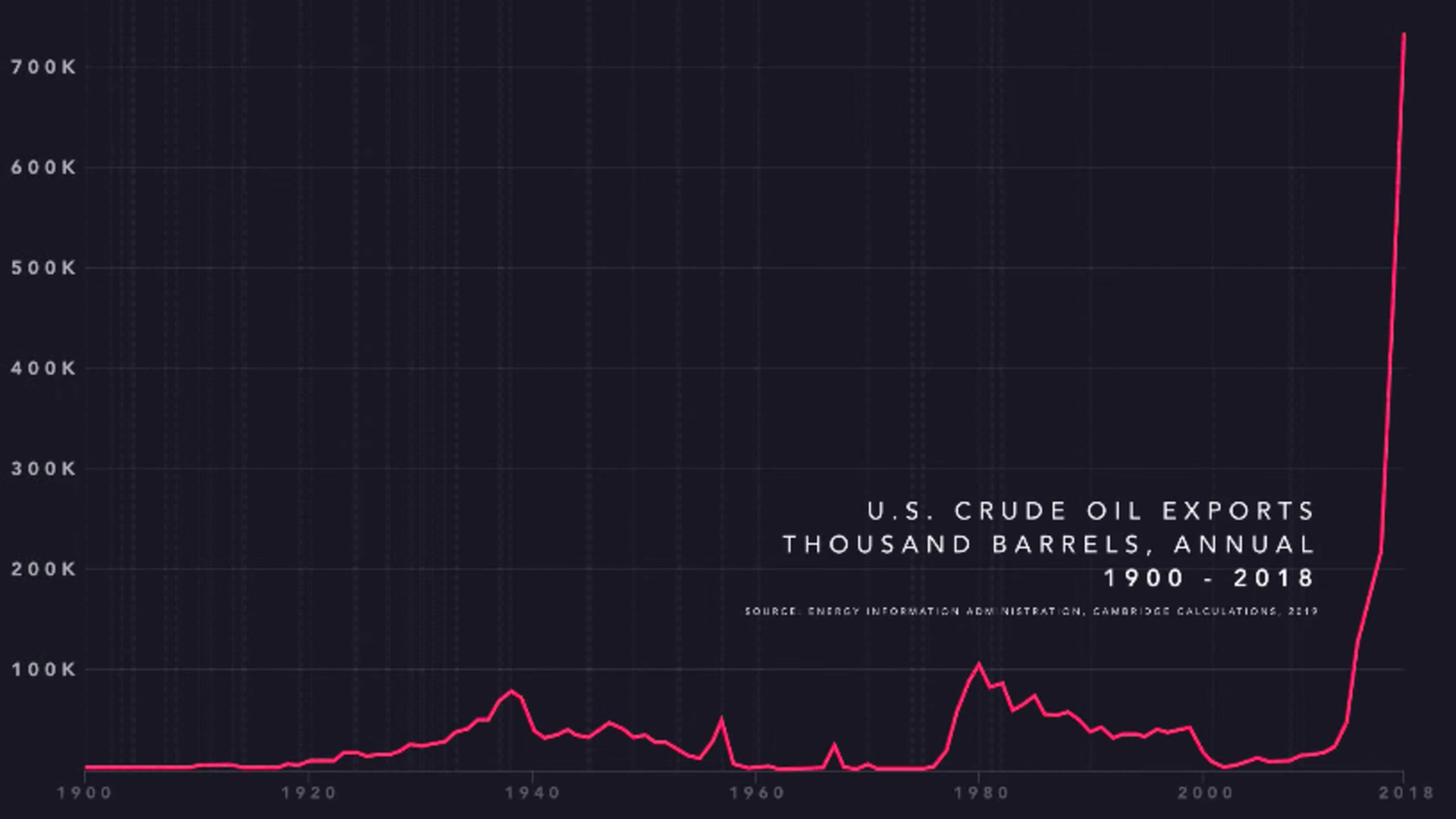
Why it matters: Alhajji asserts that demand is growing substantially for heavy crude while supply is growing substantially for light crude from U.S. shale, creating a mismatch of supply and demand. The imbalance will choke off the growth of shale and the broader market, leading to an "energy crisis."
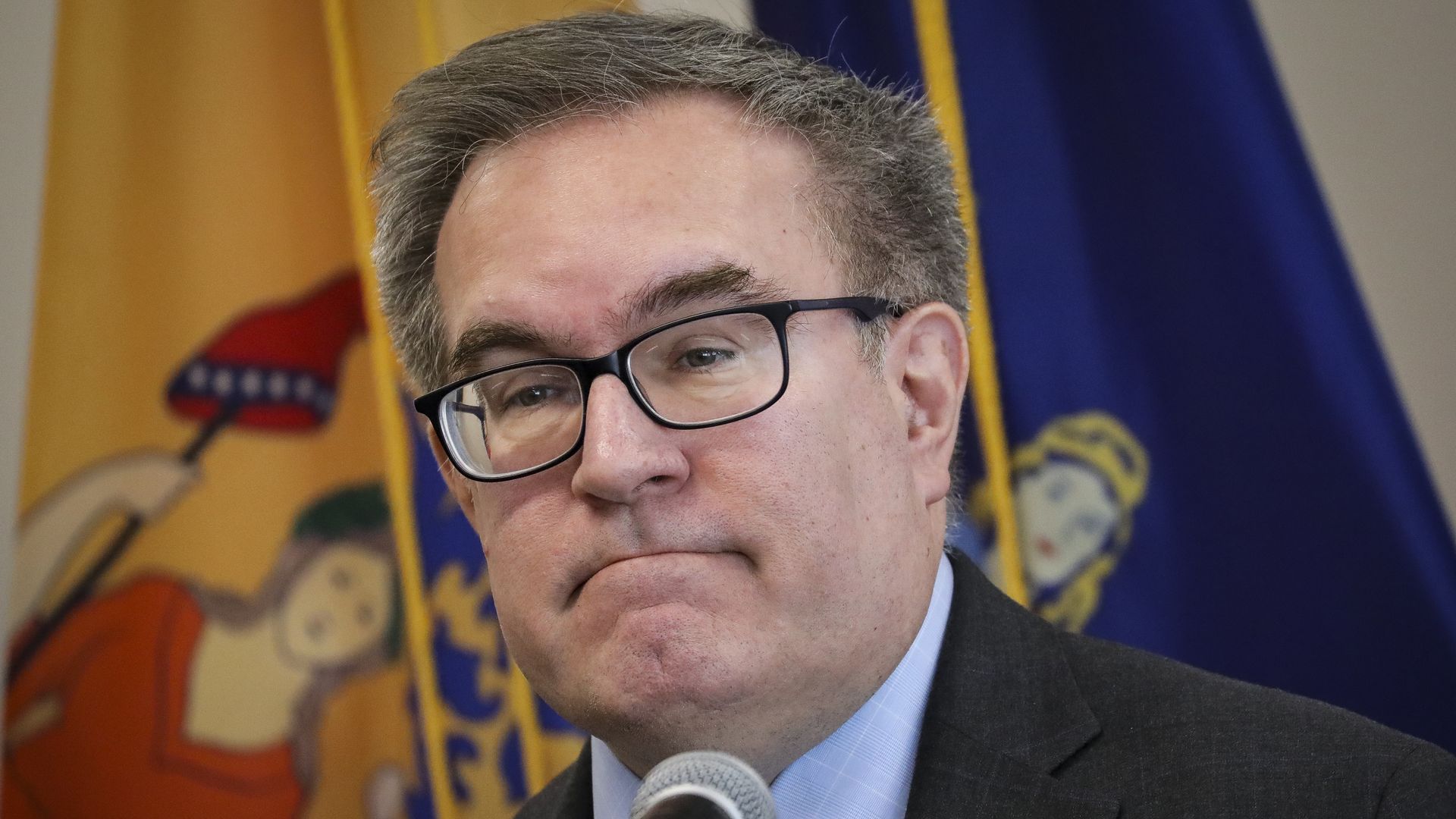
EPA Administrator Andrew Wheeler said that "most of the threats from climate change are 50 to 75 years out" in an interview with "CBS This Morning" on Wednesday.
What he's saying: While Wheeler did say that humans "certainly contribute" to climate change, he pushed the lack of safe drinking water across the world as its most pressing environmental issue instead. "We're doing much better than most westernized countries on reducing their CO2 emissions, but what we need to do is make sure that the whole world is focused on the people who are dying today, the thousand children that die everyday from lack of drinking water."
Vice President Mike Pence said Tuesday that federal aid would soon arrive for communities impacted by historic flooding in the Midwest.
The latest: Pence visited a relief shelter in Omaha, Nebraska, and surveyed flood damage in the region during a tour of the region. The Nebraska Farm Bureau said farm and ranch losses from the flooding could total $1 billion and there would be up to $500 million in livestock losses, according to the Associated Press.