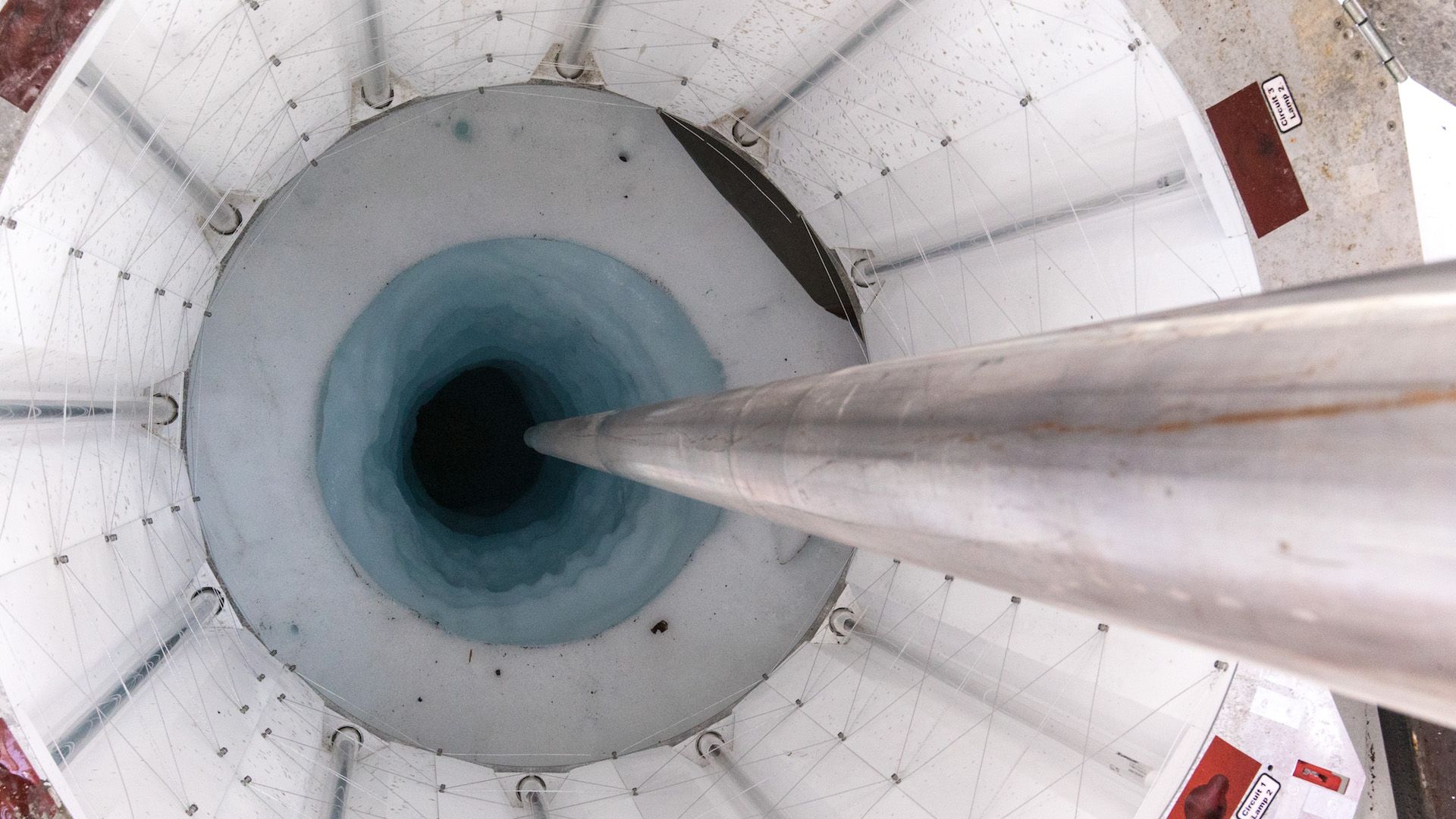
A research team drilling thousands of feet under the Antarctic Ice Sheet has found new evidence of microbial life there — life forms not known to exist elsewhere.
Why it matters: It's only the second subglacial lake in Antarctica to be explored, in an area as vast as twice the area of the continental U.S. That means scientists have to draw a lot of conclusions from drilling two holes — but it's the only way to learn about what kind of life exists in the mysterious world of subglacial lakes and rivers deep beneath the ice.
Rising Democratic star Rep. Alexandria Ocasio-Cortez is featured on this week's issue of Bloomberg's Businessweek. The magazine writes: "What Ocasio-Cortez understands is that getting an idea talked about, even unfavorably, is a necessary, if insufficient, step on the path to adoption."
A newly unveiled company led by battery and tech industry vets says it's cracked the code that could enable much faster charging of the kind of lithium-ion batteries already used in electric vehicles — providing roughly 120 miles of range in just 5 minutes.
Why it matters: If their tech works as envisioned, the firm GBatteries could help EVs go mainstream by toppling a major barrier to ultra-fast charging: electrode damage that degrades the life expectancy of batteries.
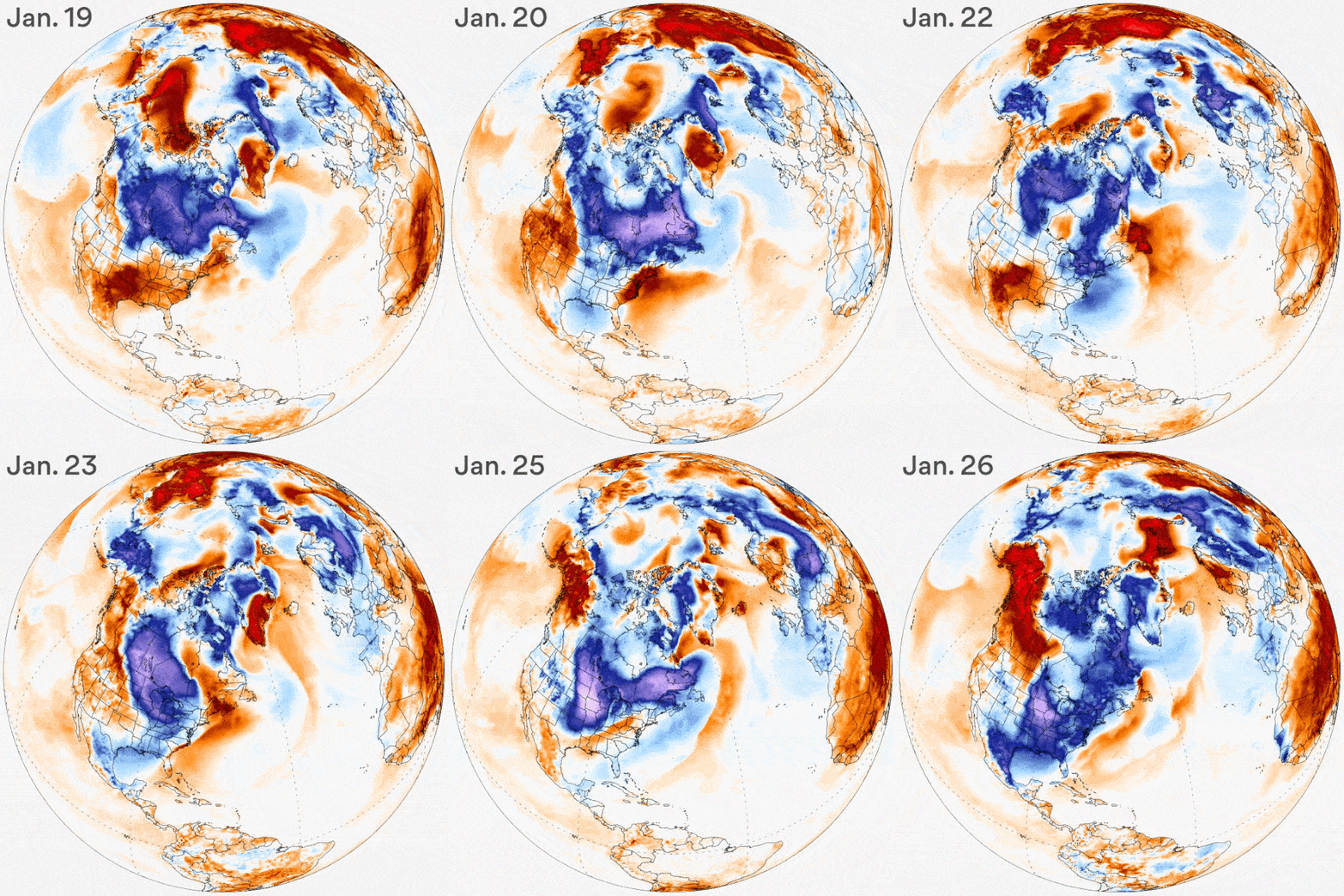
Temperature anomalies for Jan. 19–26 from the GFS model. Adapted from the Climate Re-Analyzer, U. Maine.
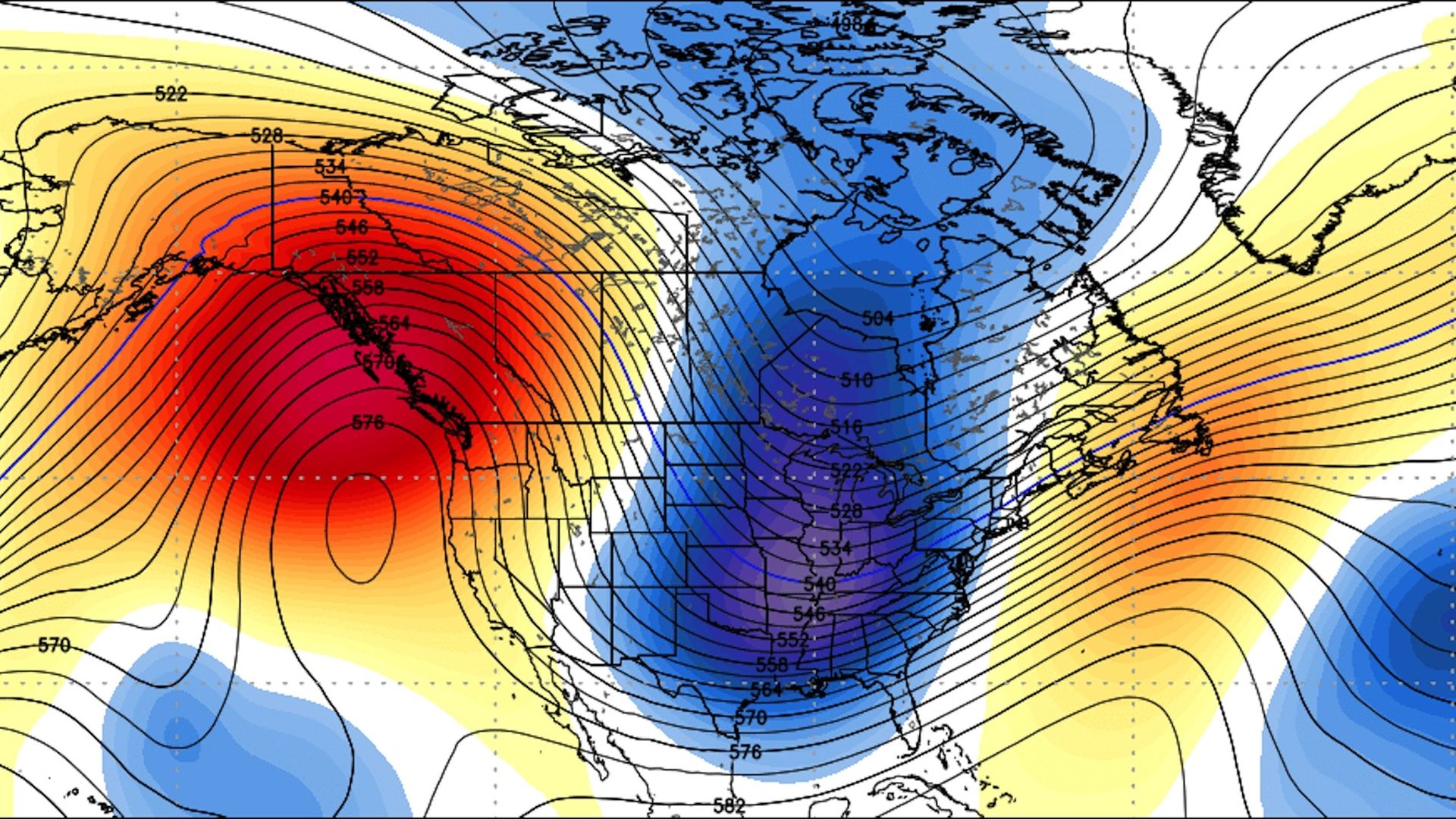
The polar vortex, which typically keeps the coldest air in the Northern Hemisphere effectively locked up in the Arctic, has split into three pieces. Now, Arctic air is poised to blast across the Canadian border and into the Midwest and East Coast, along with a major winter storm.
Why it matters: A coast-to-coast storm during the next several days could deposit feet of snow in parts of the West and Northeast, while ushering in the coldest air of the season. This will yield travel headaches and economic impacts — and the storm won't be the last of this event.
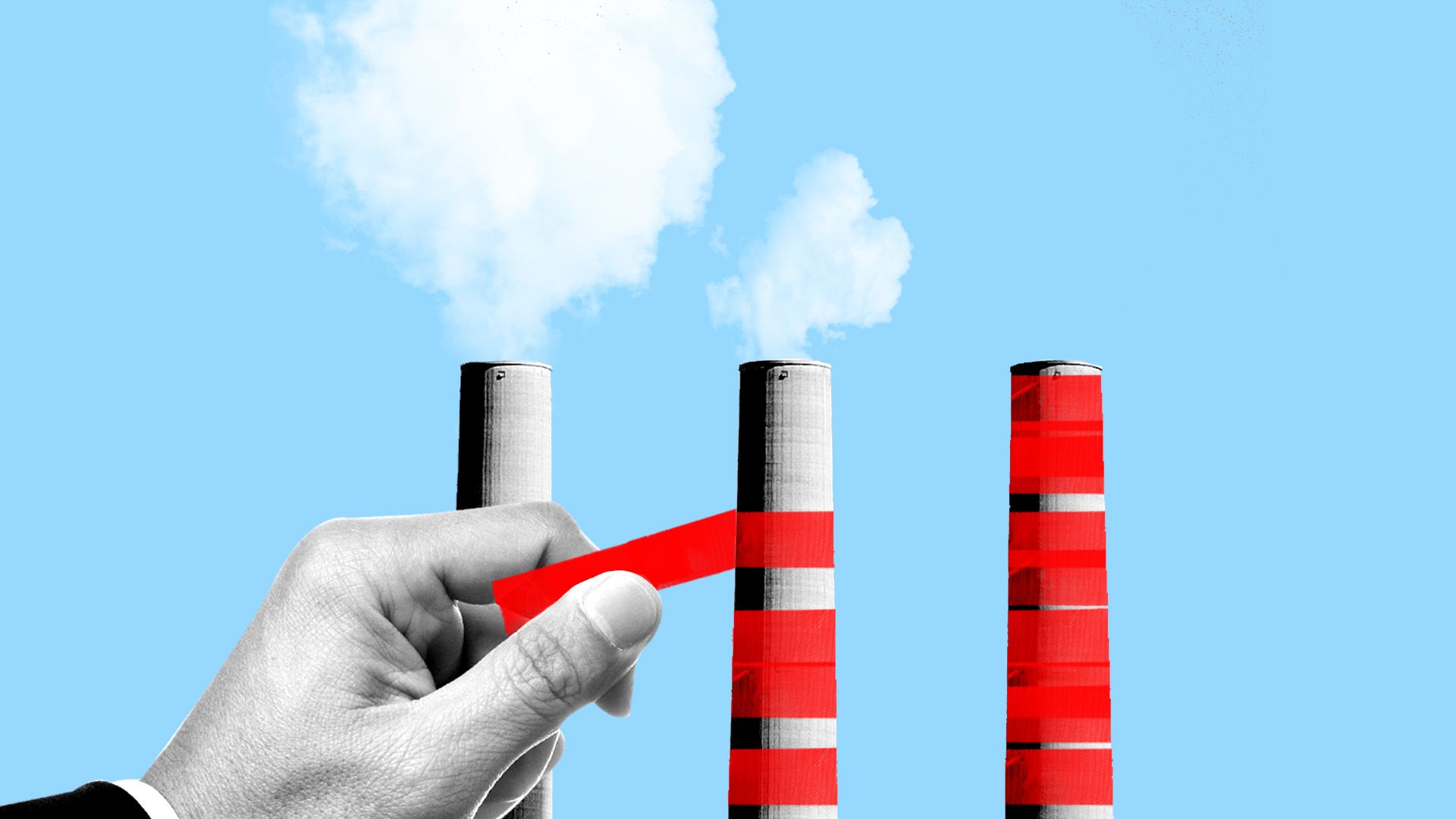
America’s leading economic establishment has penned a Wall Street Journal op-ed in support of taxing carbon dioxide emissions, eliminating other regulations and returning the resulting money to consumers in the form of a recurring dividend check.
Why it matters: The increasing consensus among economists that the best thing to do with any money raised with a carbon tax is to return it to Americans is a significant policy marker as Washington debates to what degree, if at all, it will address Earth’s rising temperatures.
60% of wild coffee species worldwide are in danger of extinction due to deforestation, disease and climate change, according to a study published in Science Advances Wednesday.
The big picture: The study is the first time a threat assessment has been carried out for all 124 coffee species. Two species — Arabica and robusta — comprise nearly 100% of global coffee trade and do not tolerate low moisture or drought, according to Mashable. The planet's warming is causing changes to patterns of extreme heat and drought and will force the coffee industry to adapt or face potentially crippling challenges to supply.
The polar vortex, the often hyped weather feature that typically keeps frigid, Arctic air nestled close to the North Pole during winter, has broken down into 3 pieces. It's spilling cold air out of the Arctic like a leaky faucet and spawning intense winter storms in parts of the U.S. and Europe in particular.
Why it matters: After a relatively mild start to the winter, parts of the Lower 48 states are about to experience a brutal second half to the season, with air temperatures dipping below 0°F as soon as this weekend in the Midwest. If the cold and snow is significant enough, it could put a dent in the economy, which is already feeling the effects of the partial government shutdown.
Acting EPA administrator Andrew Wheeler told senators during his confirmation hearing Wednesday, "I think the biggest issue with wildfires is forest management ... not drought."
Why it matters: Studies show that climate change, which is leading to hotter, drier summers in California, is tied to the sharp increase in large wildfires in that state and other parts of the West, along with a lengthening fire season, Axios' Andrew Freedman notes. Forest management and population growth are also factors, but they don't explain the entire situation.
A fake letter purportedly written Wednesday by the CEO of BlackRock, the world’s largest asset manager, said it would require all companies it has a stake in to align their business models with the Paris Climate Agreement.
Driving the news: The Yes Men, an activist group long known for pranks like this, sent the fake letter, which Axios and other media outlets received early this morning. BlackRock said in a tweet a couple hours later: “Don’t be fooled by imitations.”
Ford and Volkswagen said Tuesday they plan to pool their efforts on electric and self-driving cars — proof that even some of the most powerful automakers in the world aren’t sure where the technology is headed.
The big picture: Strategic bets are becoming larger and a lot riskier for the auto industry, which used to worry only about whether next year's model would sell.
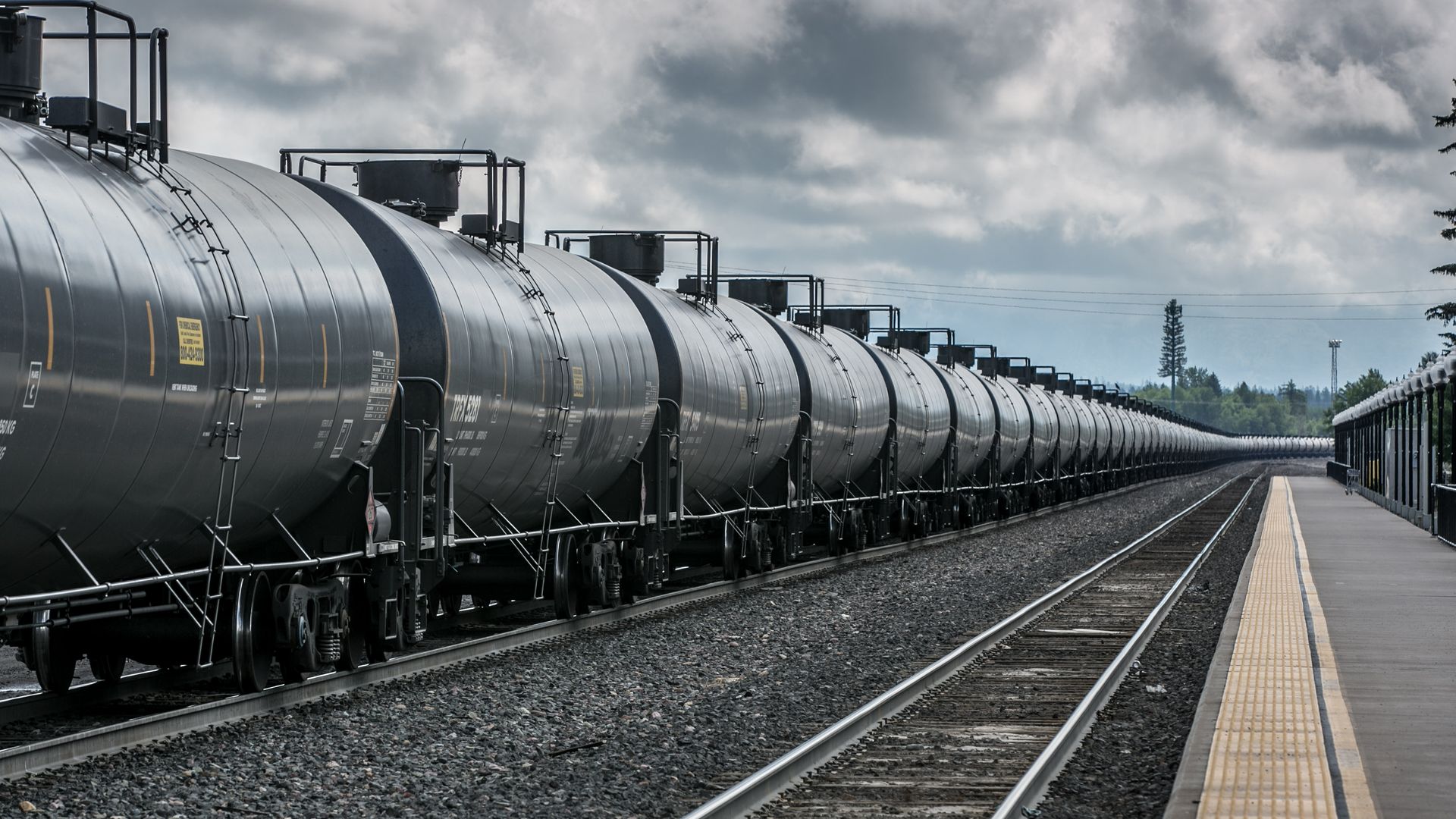
Remember that brief moment in late 2018 when the U.S. became a net exporter of crude oil and petroleum products combined? It was just a preview of what's to come late next year, according to the Energy Information Administration's first detailed 2020 market forecast.
What's next: "EIA forecasts that net imports will continue to fall to an average of 1.1 million [barrels per day] in 2019, and to less than 0.1 million b/d in 2020," per EIA's outlook published Tuesday.
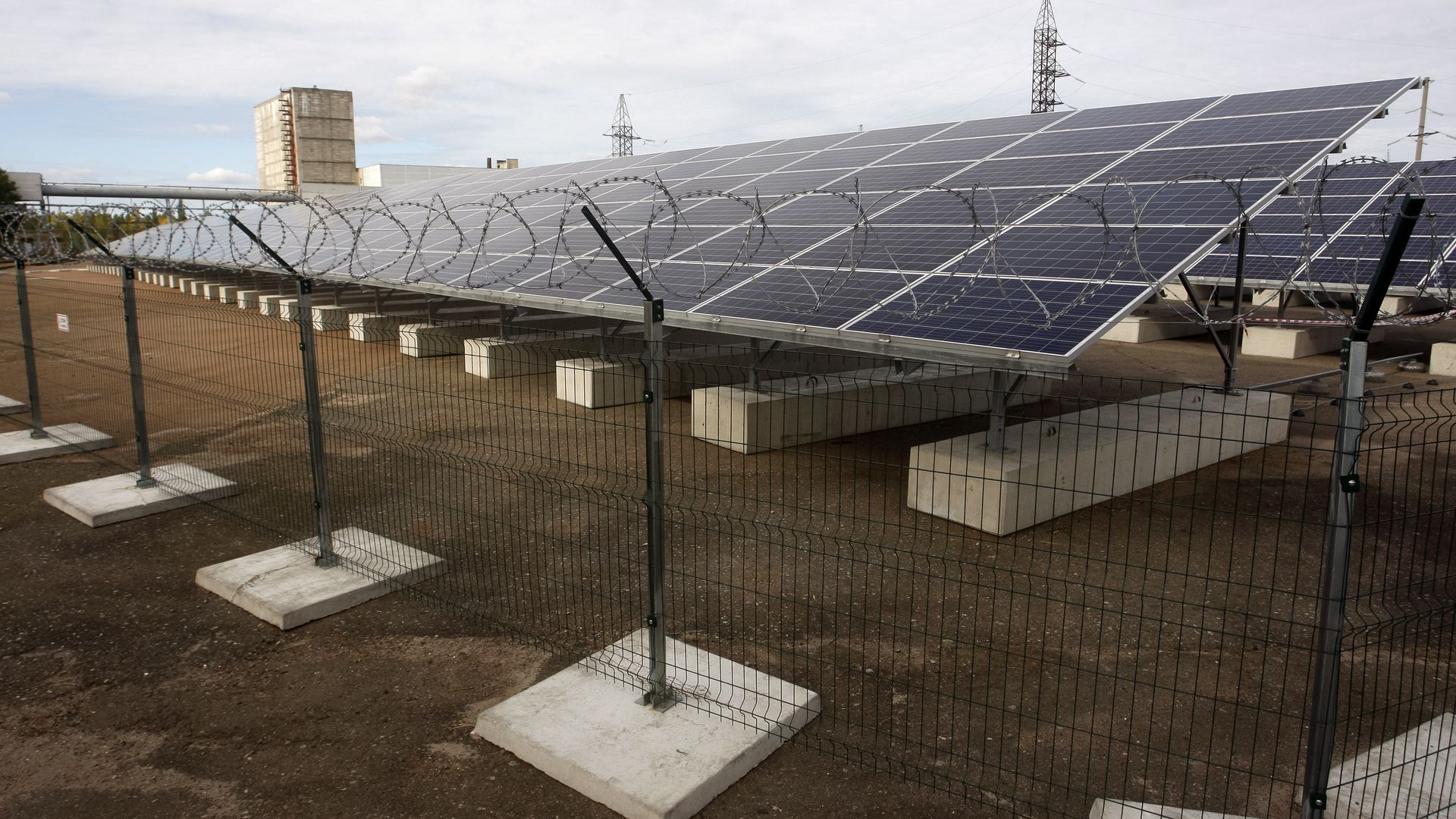
Worldwide investment in renewables and other low-carbon energy sources dipped 8% last year to $332 billion, according to the consultancy Bloomberg New Energy Finance.
Why it matters: New year-end data show that the decline was driven by a sharp 24% drop in spending on solar projects, driven by 2 forces:
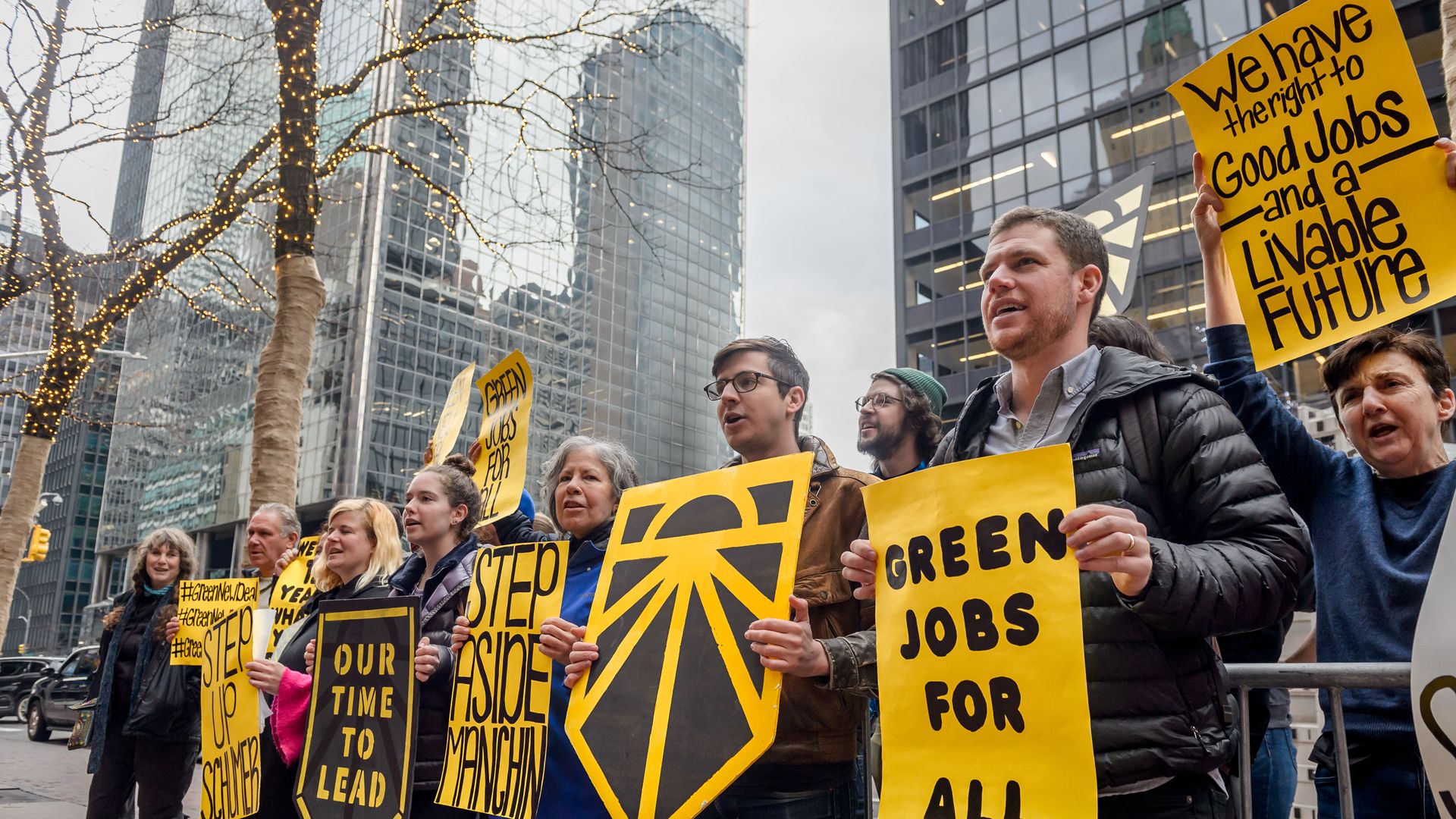
Following a year in which U.S. carbon emissions from energy rose, after years of declines, Green New Deal (GND) proponents are calling for a plan to convert 100% of the electricity supply to renewable energy, among other decarbonization initiatives.
The big picture: Although a massive undertaking, this energy transition is technologically feasible and economically beneficial. Some policies that would help kickstart the necessary emissions reductions are already being implemented in the U.S., Germany, China and other countries.
America’s largest oil-industry groups are launching a new coalition to lobby in support of new global standards that tighten air pollution regulations for shipping fuel.
Why it matters: This is a classic example of business using regulation to gain a competitive edge over others. Many of America’s oil and refining companies have been anticipating these rules — set a decade ago by an arm of the United Nations that oversees maritime issues — and moving toward low-sulfur kinds of diesel fuel.