60% of wild coffee species worldwide are in danger of extinction due to deforestation, disease and climate change, according to a study published in Science Advances Wednesday.
The big picture: The study is the first time a threat assessment has been carried out for all 124 coffee species. Two species — Arabica and robusta — comprise nearly 100% of global coffee trade and do not tolerate low moisture or drought, according to Mashable. The planet's warming is causing changes to patterns of extreme heat and drought and will force the coffee industry to adapt or face potentially crippling challenges to supply.
The polar vortex, the often hyped weather feature that typically keeps frigid, Arctic air nestled close to the North Pole during winter, has broken down into 3 pieces. It's spilling cold air out of the Arctic like a leaky faucet and spawning intense winter storms in parts of the U.S. and Europe in particular.
Why it matters: After a relatively mild start to the winter, parts of the Lower 48 states are about to experience a brutal second half to the season, with air temperatures dipping below 0°F as soon as this weekend in the Midwest. If the cold and snow is significant enough, it could put a dent in the economy, which is already feeling the effects of the partial government shutdown.
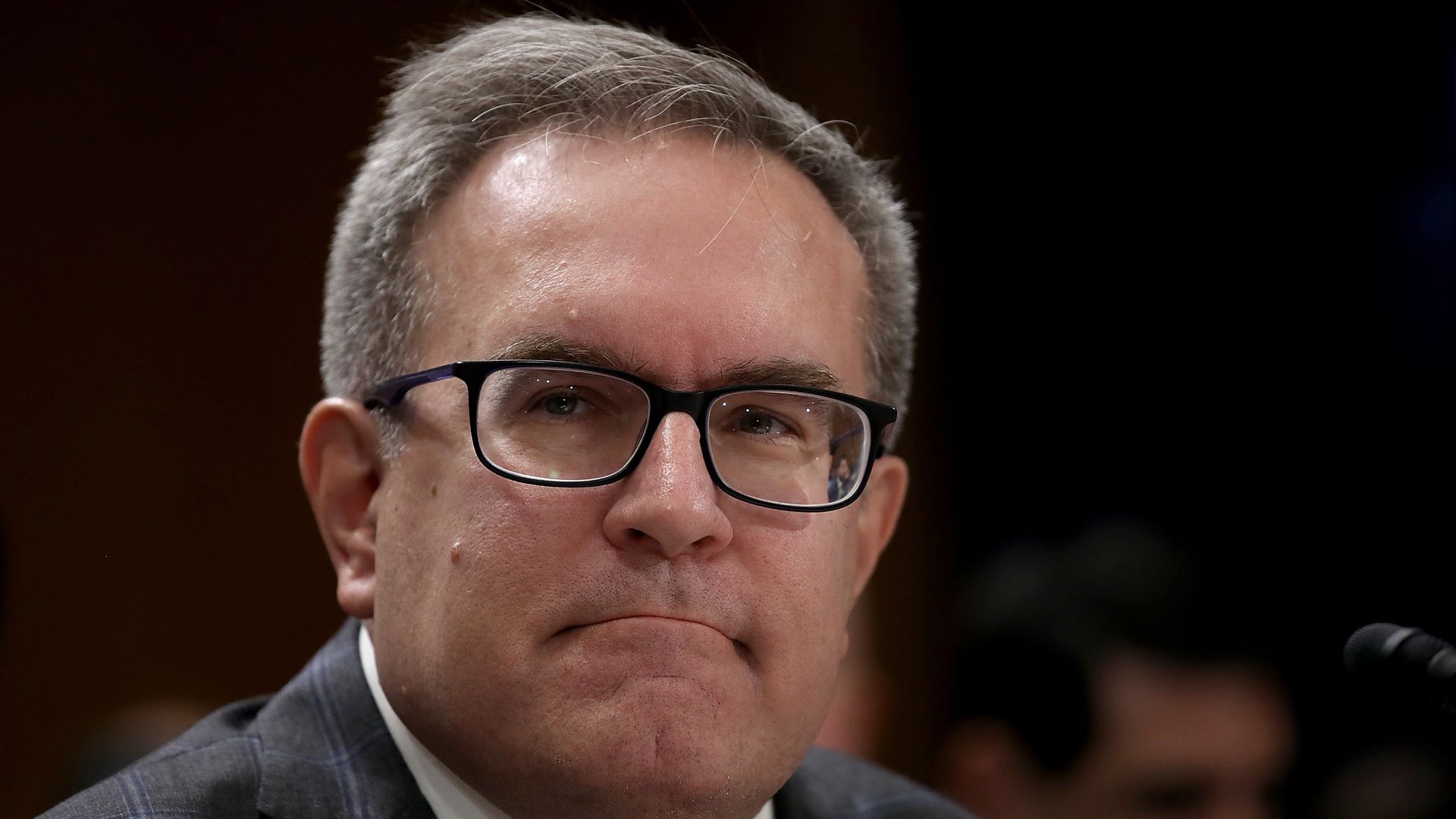
Acting EPA administrator Andrew Wheeler told senators during his confirmation hearing Wednesday, "I think the biggest issue with wildfires is forest management ... not drought."
Why it matters: Studies show that climate change, which is leading to hotter, drier summers in California, is tied to the sharp increase in large wildfires in that state and other parts of the West, along with a lengthening fire season, Axios' Andrew Freedman notes. Forest management and population growth are also factors, but they don't explain the entire situation.
A fake letter purportedly written Wednesday by the CEO of BlackRock, the world’s largest asset manager, said it would require all companies it has a stake in to align their business models with the Paris Climate Agreement.
Driving the news: The Yes Men, an activist group long known for pranks like this, sent the fake letter, which Axios and other media outlets received early this morning. BlackRock said in a tweet a couple hours later: “Don’t be fooled by imitations.”
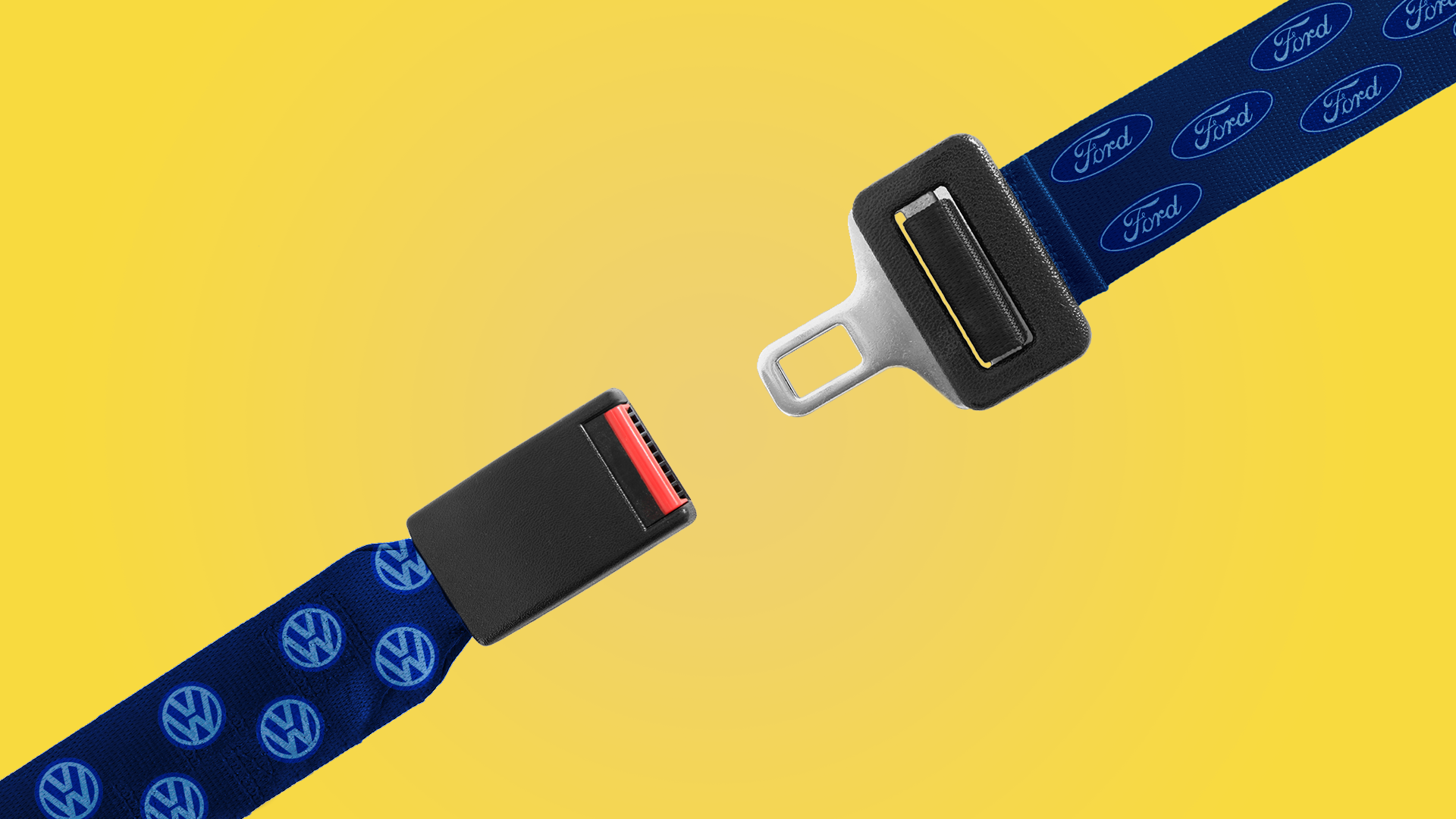
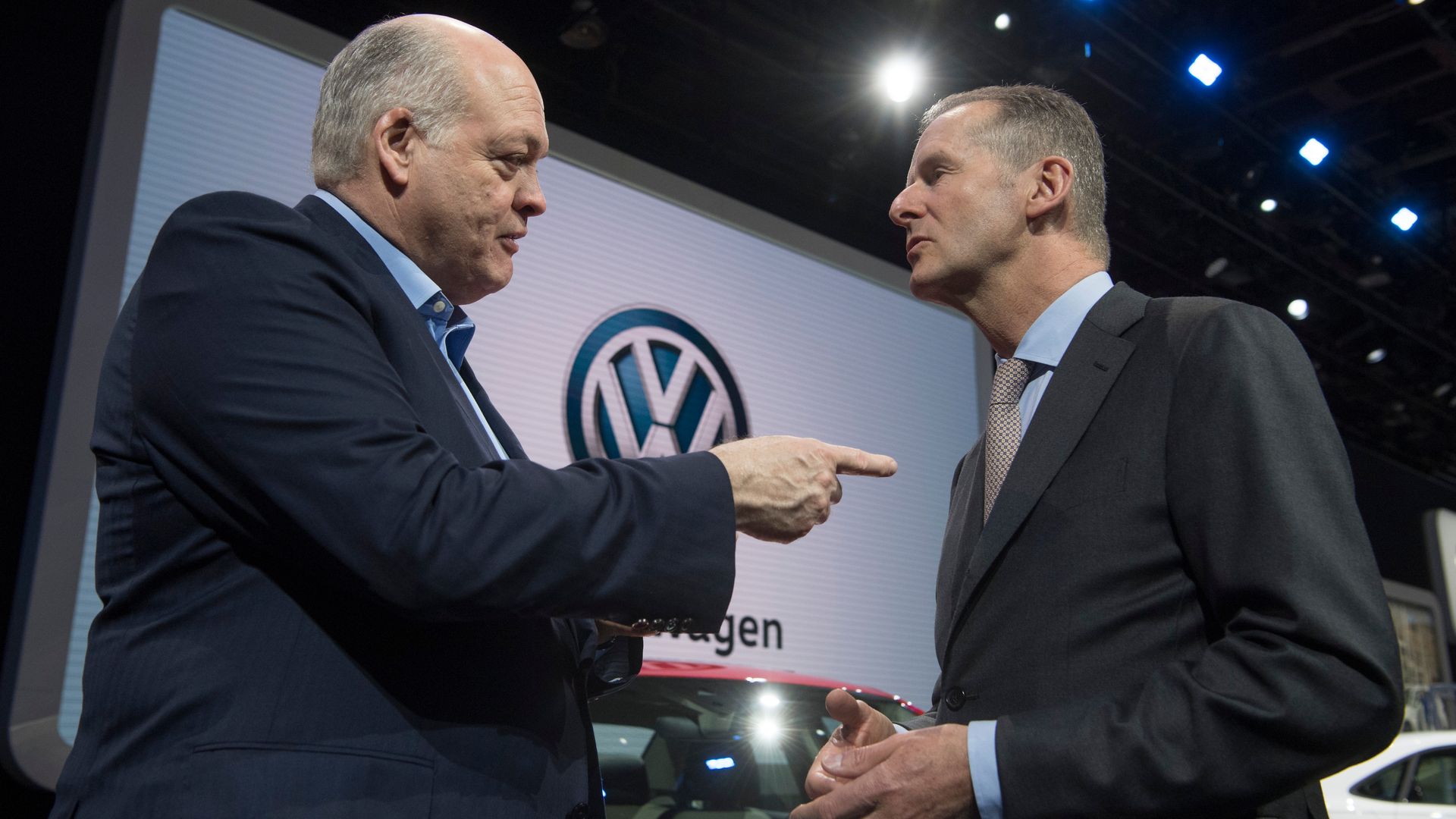
Ford and Volkswagen said Tuesday they plan to pool their efforts on electric and self-driving cars — proof that even some of the most powerful automakers in the world aren’t sure where the technology is headed.
The big picture: Strategic bets are becoming larger and a lot riskier for the auto industry, which used to worry only about whether next year's model would sell.
Remember that brief moment in late 2018 when the U.S. became a net exporter of crude oil and petroleum products combined? It was just a preview of what's to come late next year, according to the Energy Information Administration's first detailed 2020 market forecast.
What's next: "EIA forecasts that net imports will continue to fall to an average of 1.1 million [barrels per day] in 2019, and to less than 0.1 million b/d in 2020," per EIA's outlook published Tuesday.
Worldwide investment in renewables and other low-carbon energy sources dipped 8% last year to $332 billion, according to the consultancy Bloomberg New Energy Finance.
Why it matters: New year-end data show that the decline was driven by a sharp 24% drop in spending on solar projects, driven by 2 forces:
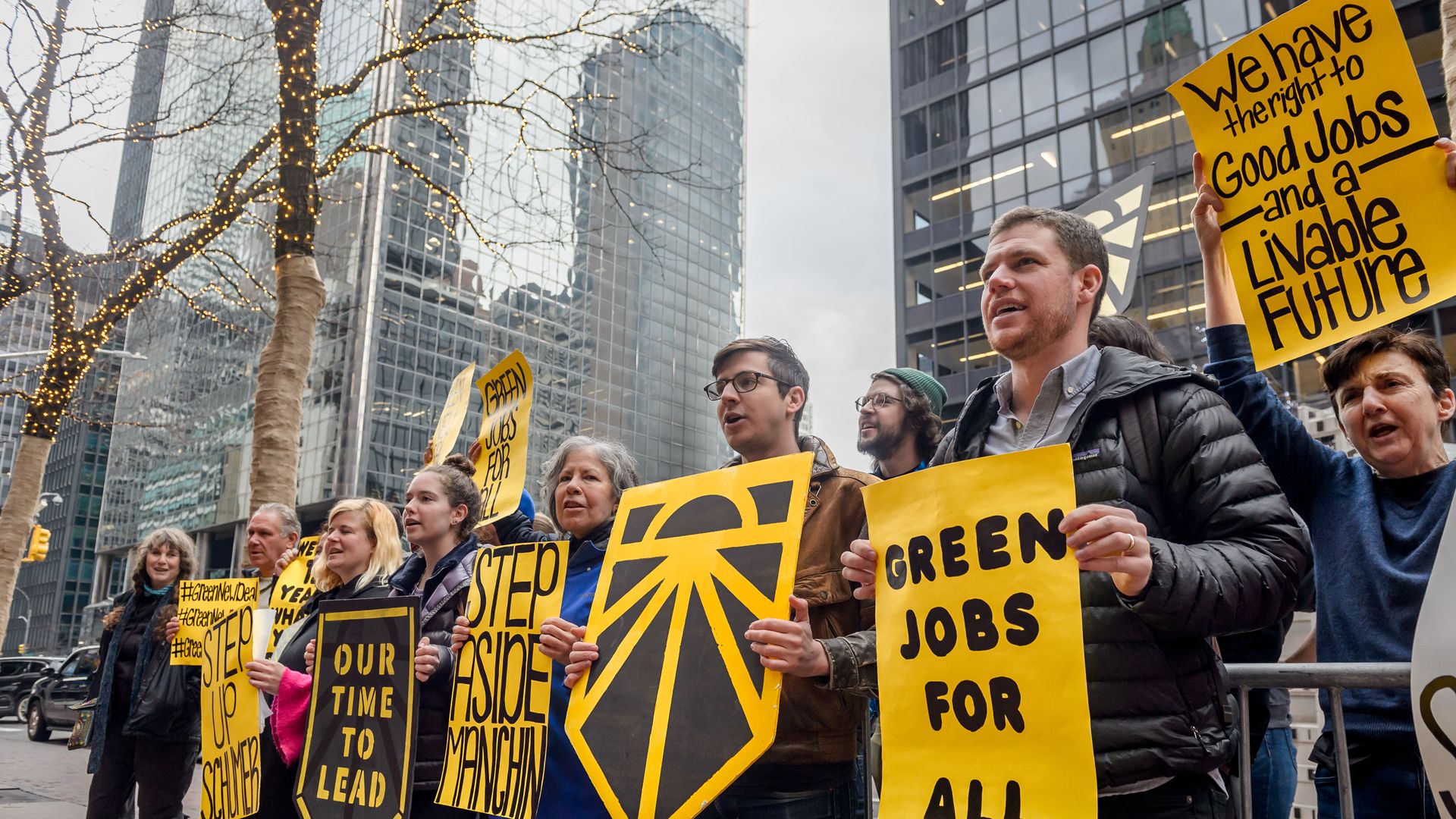
Following a year in which U.S. carbon emissions from energy rose, after years of declines, Green New Deal (GND) proponents are calling for a plan to convert 100% of the electricity supply to renewable energy, among other decarbonization initiatives.
The big picture: Although a massive undertaking, this energy transition is technologically feasible and economically beneficial. Some policies that would help kickstart the necessary emissions reductions are already being implemented in the U.S., Germany, China and other countries.
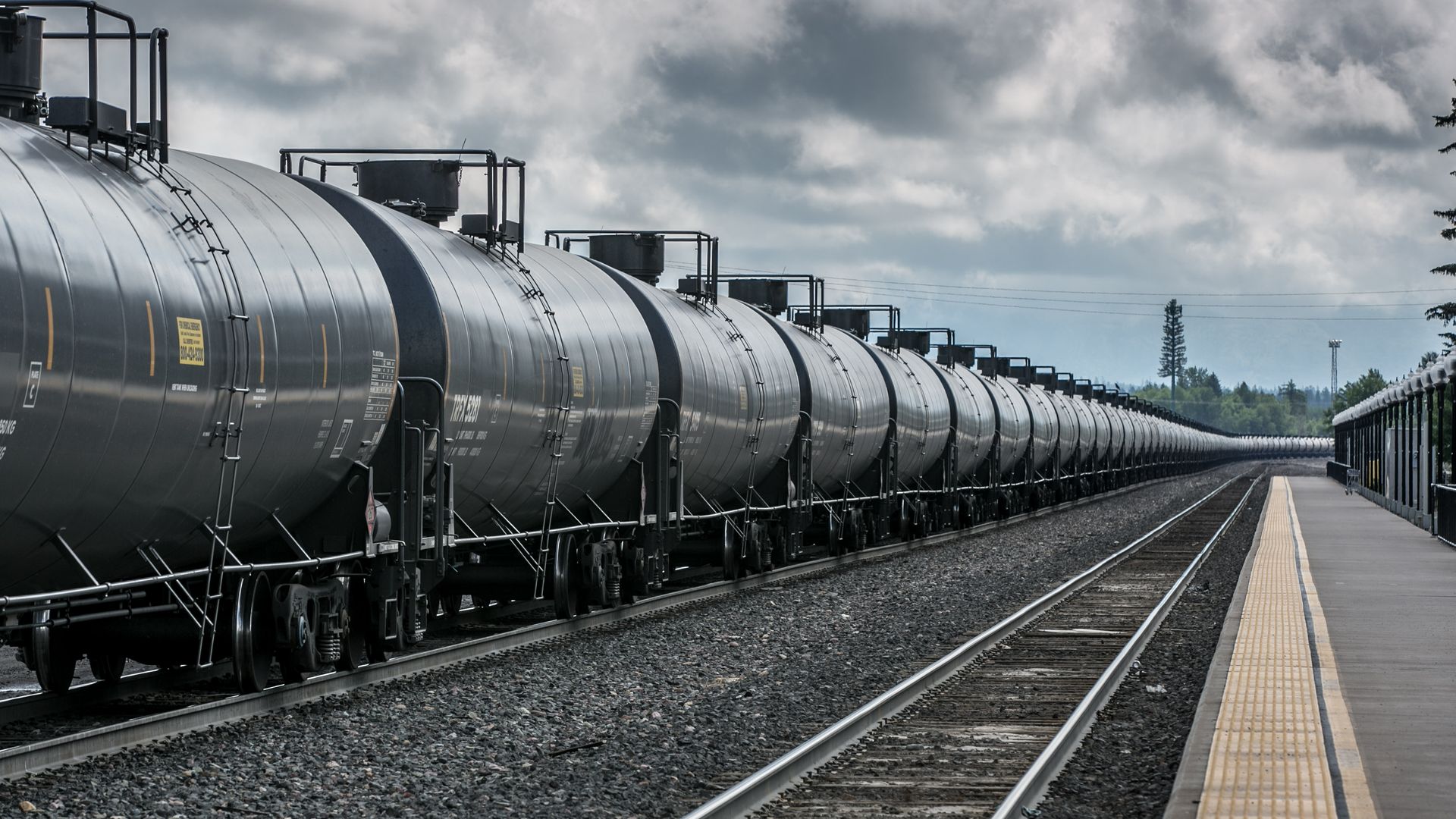
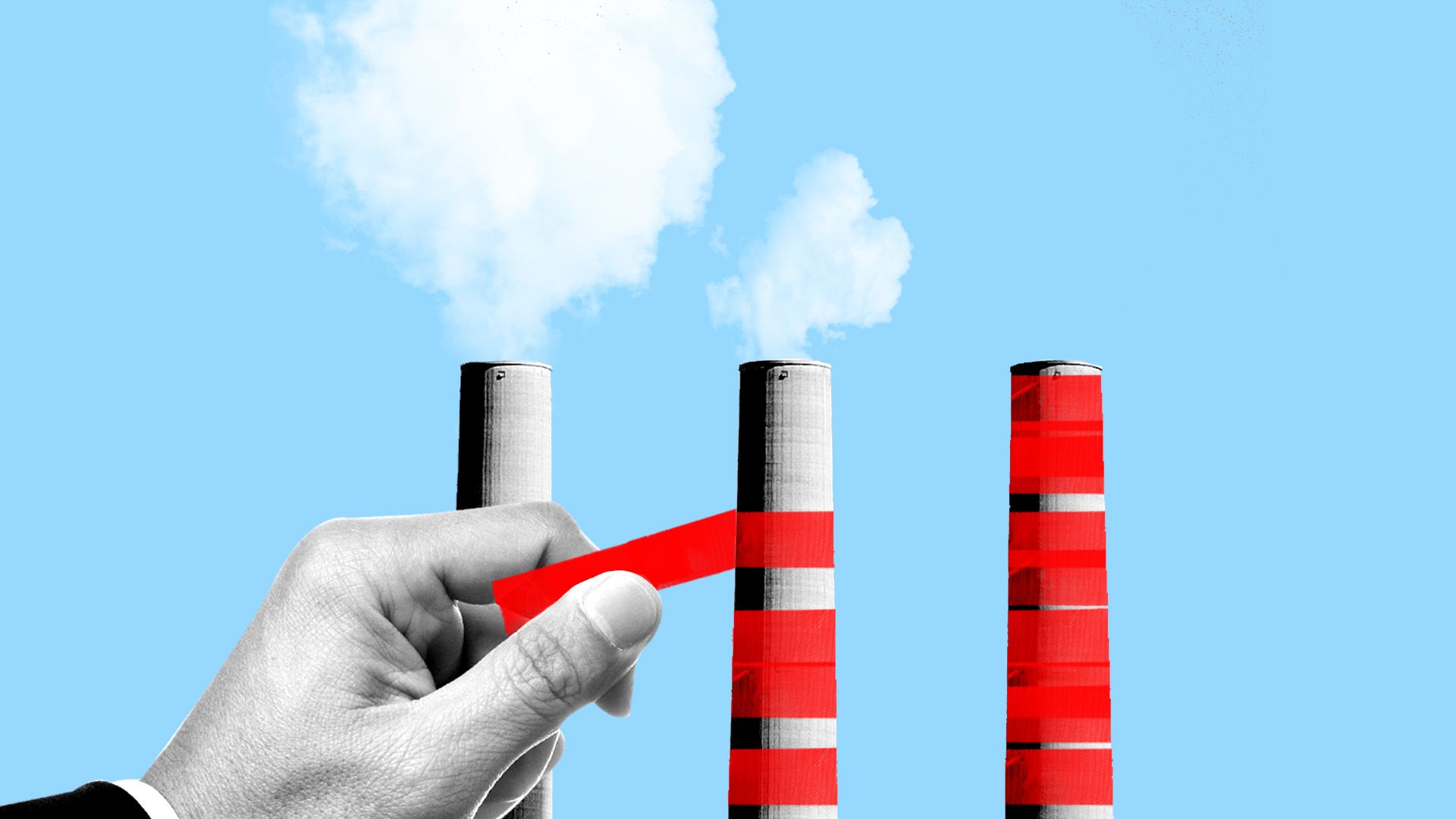
America’s largest oil-industry groups are launching a new coalition to lobby in support of new global standards that tighten air pollution regulations for shipping fuel.
Why it matters: This is a classic example of business using regulation to gain a competitive edge over others. Many of America’s oil and refining companies have been anticipating these rules — set a decade ago by an arm of the United Nations that oversees maritime issues — and moving toward low-sulfur kinds of diesel fuel.
Volkswagen and Ford announced Tuesday at the Detroit auto show they will form an alliance on commercial vans and pickups and together will start exploring the development of electric and autonomous technology, Reuters reports.
Why it matters: The partnership is expected to save the automakers billions of dollars. The traditional automakers believe focusing on the autonomous and electric vehicle sector together will help them gain ground on Tesla.
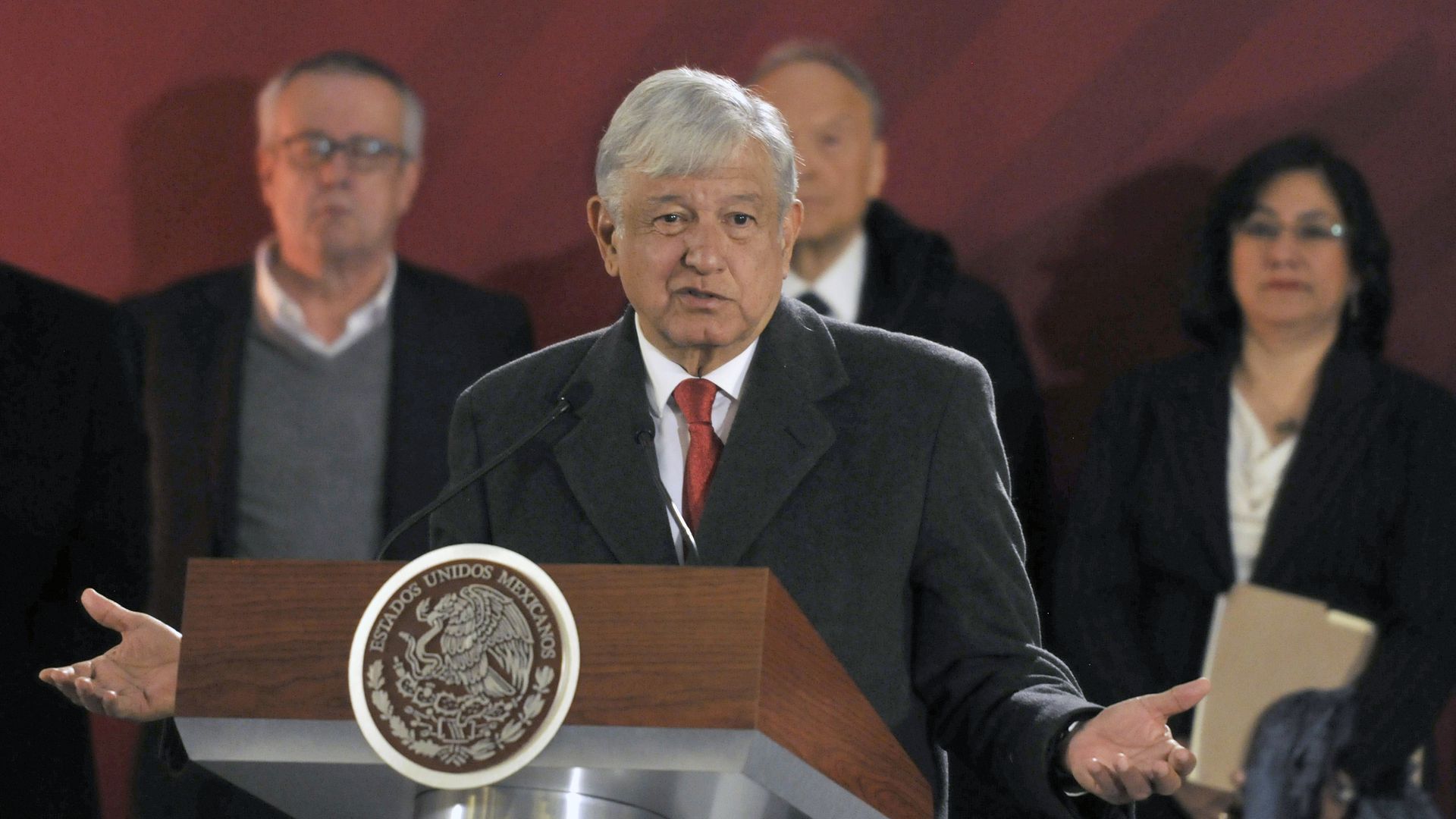
Barely a month into his term as Mexico's president, Andrés Manuel López Obrador is facing a swelling gasoline crisis — "one that threatens to cut into his popularity and worsen the nation’s already-sluggish economy," the Los Angeles Times writes.
The big picture: But even as the gas imbroglio rages, investors have been content to buy or hold Mexican assets. The nation's radical, far-left, self-described revolutionary president has their confidence.
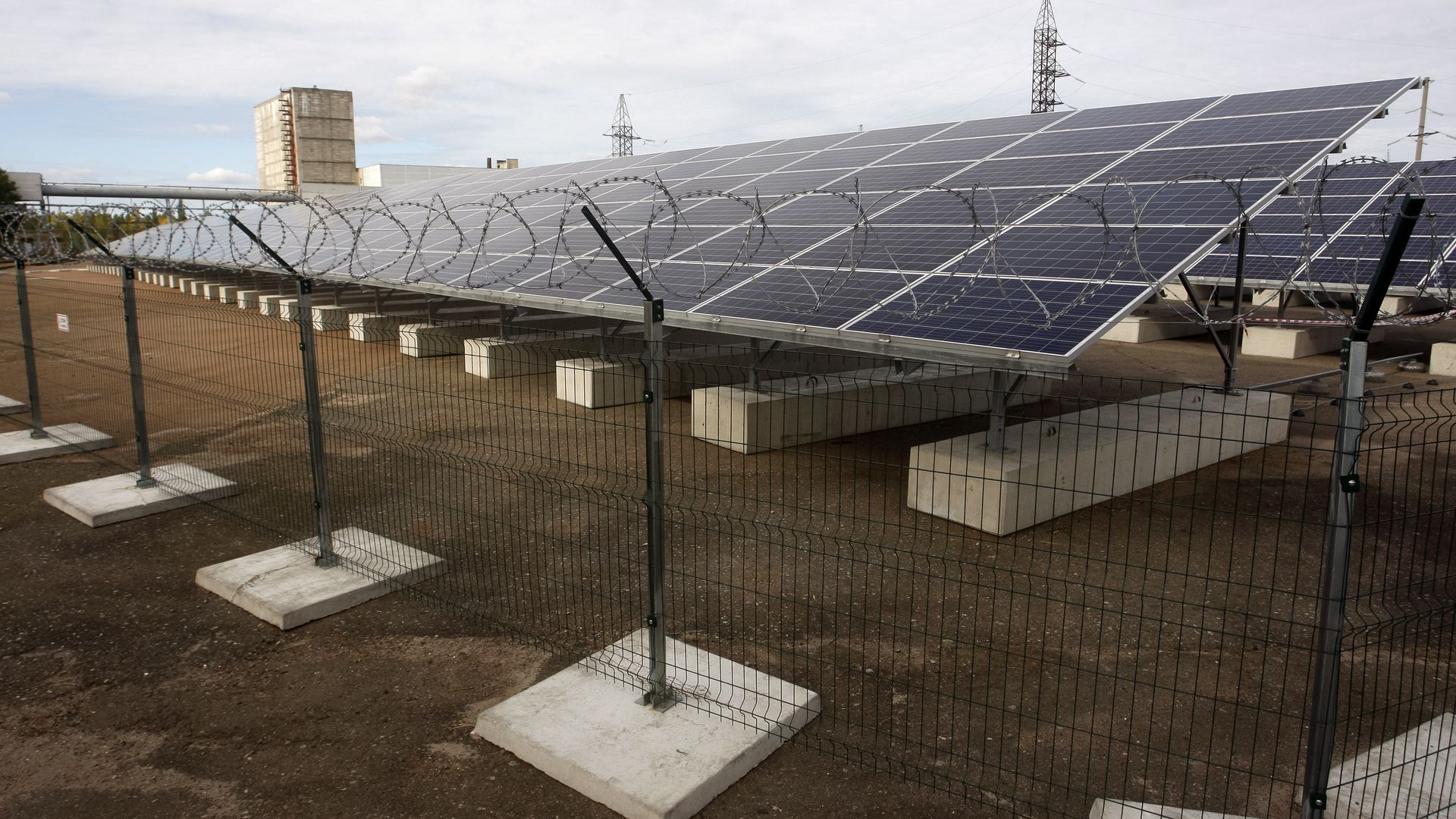
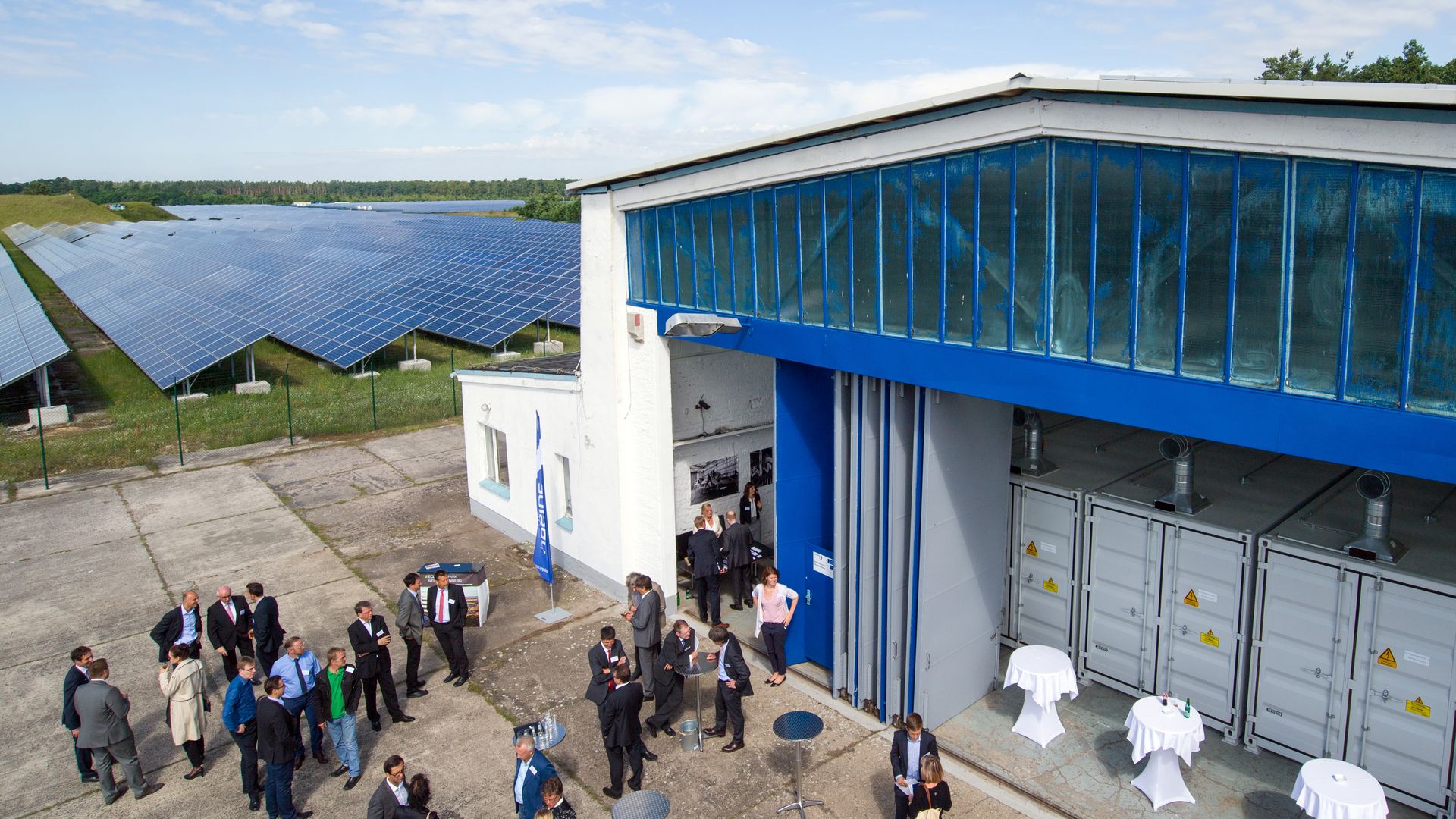
Hawaiian Electric Company just submitted to state regulators seven massive new solar-plus-storage contracts. If built, these would add more than 260 megawatts of solar and, more significantly, over 1,000 megawatt-hours of storage to the Hawaiian grid — more than the total cumulative amount of energy storage deployed across the U.S. between 2013 and 2017.
Why it matters: Solar plus storage is having a breakout moment. The technology allows the power generated by intermittent renewables to be better matched to times when the grid needs it most, which is critical for clean energy growth to continue. It also means that renewables may come to compete more directly with natural gas in some markets, rather than requiring more gas to balance their intermittency, as has been the case so far.
Now that the U.S. and other countries are barring the use of Chinese-built 5G equipment — thanks to allegations that China's government sabotages those products for espionage purposes — we're beginning to see more suspicious treatment of other infrastructure built in China, too.
The big picture: Following the U.S. ban on Chinese made telecom equipment from Huawei and ZTE, we're going to have to decide whether that means other parts of other supply chains are also guilty by association.
Moody’s announced Monday evening that it has downgraded California utility company PG&E and its holding company, PG&E Corporation, to what the company terms "bonds of poor standing."
The bottom line: "The downgrade is prompted by the announcement today that PG&E and its parent expect to make a Chapter 11 bankruptcy filing on or around January 29," Moody's representatives said in a statement.