The electric vehicle revolution in America will eventually have to be driven by SUVs and trucks, even though the majority of EVs sold to this date have been cars.
The big picture: SUVs and trucks accounted for 72% of new vehicles sold in the U.S. last month, compared to 49% in December 2012, per AP.
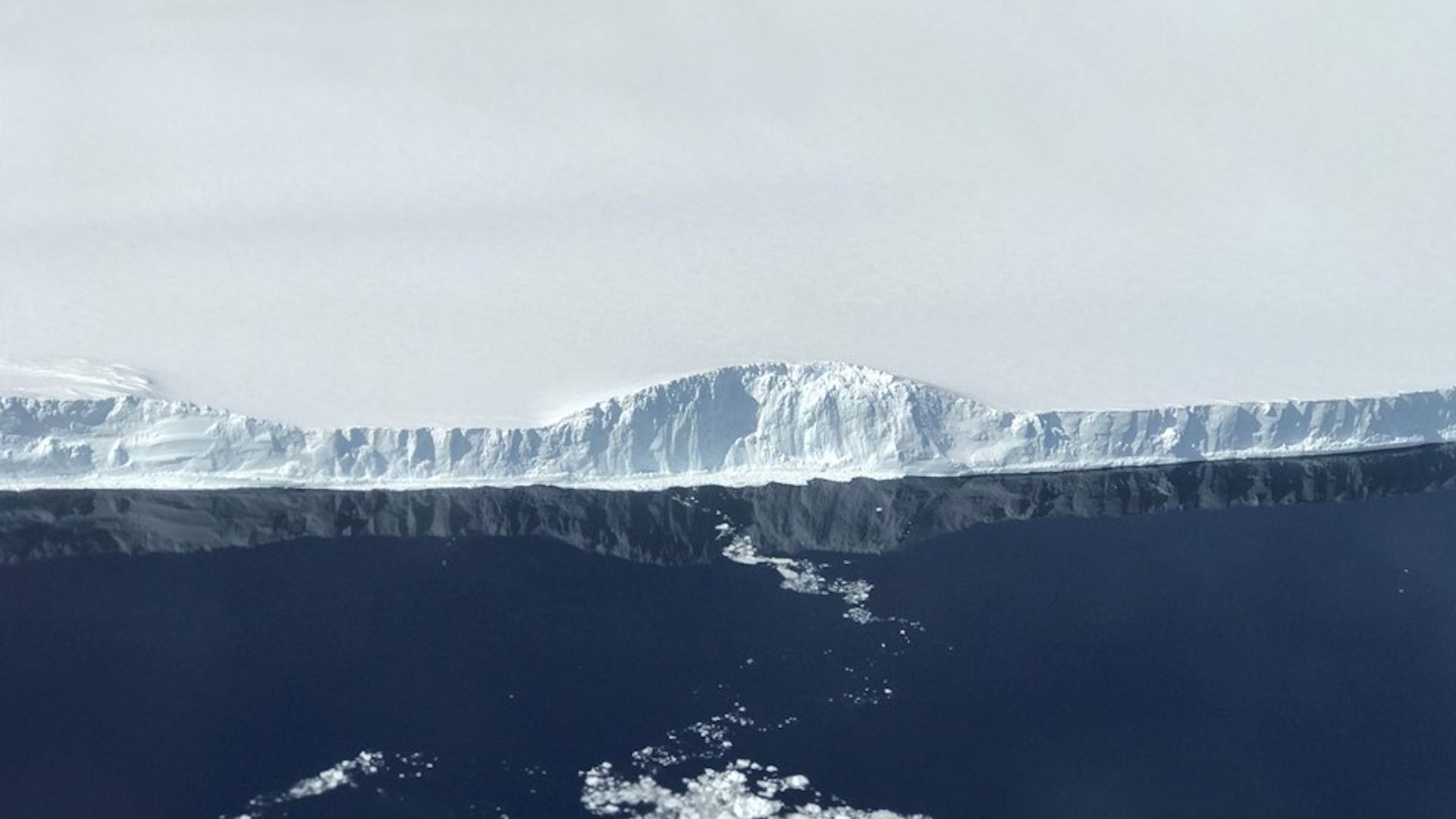
Antarctica is shedding ice at an increasingly rapid rate, potentially imperiling coastlines around the world as sea levels increase in response, a new study finds.
Why it matters: Antarctica is already contributing a growing amount to sea level rise, the study found, and things could get much worse.
President Trump is wielding the U.S. oil production boom and low gasoline prices as a shield against criticism over his relationship with Russia as Robert Mueller continues his probe and Democrats ramp up their inquiries.
"'Gas prices drop across the United States because President Trump has deregulated Energy and we are now producing a great deal more oil than ever before.' @foxandfriends But this is bad news for Russia, why would President Trump do such a thing? Thought he worked for Kremlin?"
My thought bubble: Russia doesn't need high oil prices as much as some other petro-states, notably Saudi Arabia. And Trump's tweet this morning is claiming way too much credit for U.S. crude oil output and gasoline prices, which currently average around $2.25 per gallon.
Embattled California utility PG&E says it intends to file for bankruptcy around Jan. 29th, according a regulatory filing released on Monday. Shares fell 50% in early trading.
Details: In a statement, interim CEO John Simon says bankruptcy would allow the company to deal with potentially billions of dollars in liability costs from 2017 and 2018 wildfires, while continuing to provide natural gas and electricity service for California residents.
A battle between California politicians and PG&E, the state's largest utility, is being waged over who should have to pay the price of wildfire damage in recent years.
Why it matters: Companies are being forced to deal with the consequences of a changing climate, which is leading to more frequent and destructive wildfires and other types of disasters than ever before. PG&E's situation is a warning to other power companies and businesses around the country.
Sure, we all share this one planet. But the warming Earth is poised to divide — not unite — us.
The big picture: One cornerstone of the 2015 Paris Climate Agreement is that nations have a shared responsibility to address global warming. But the reality is that climate change won't affect everyone the same way. The impacts, while immense, aren’t shared evenly around the world, and the solutions will affect some nations more than others.
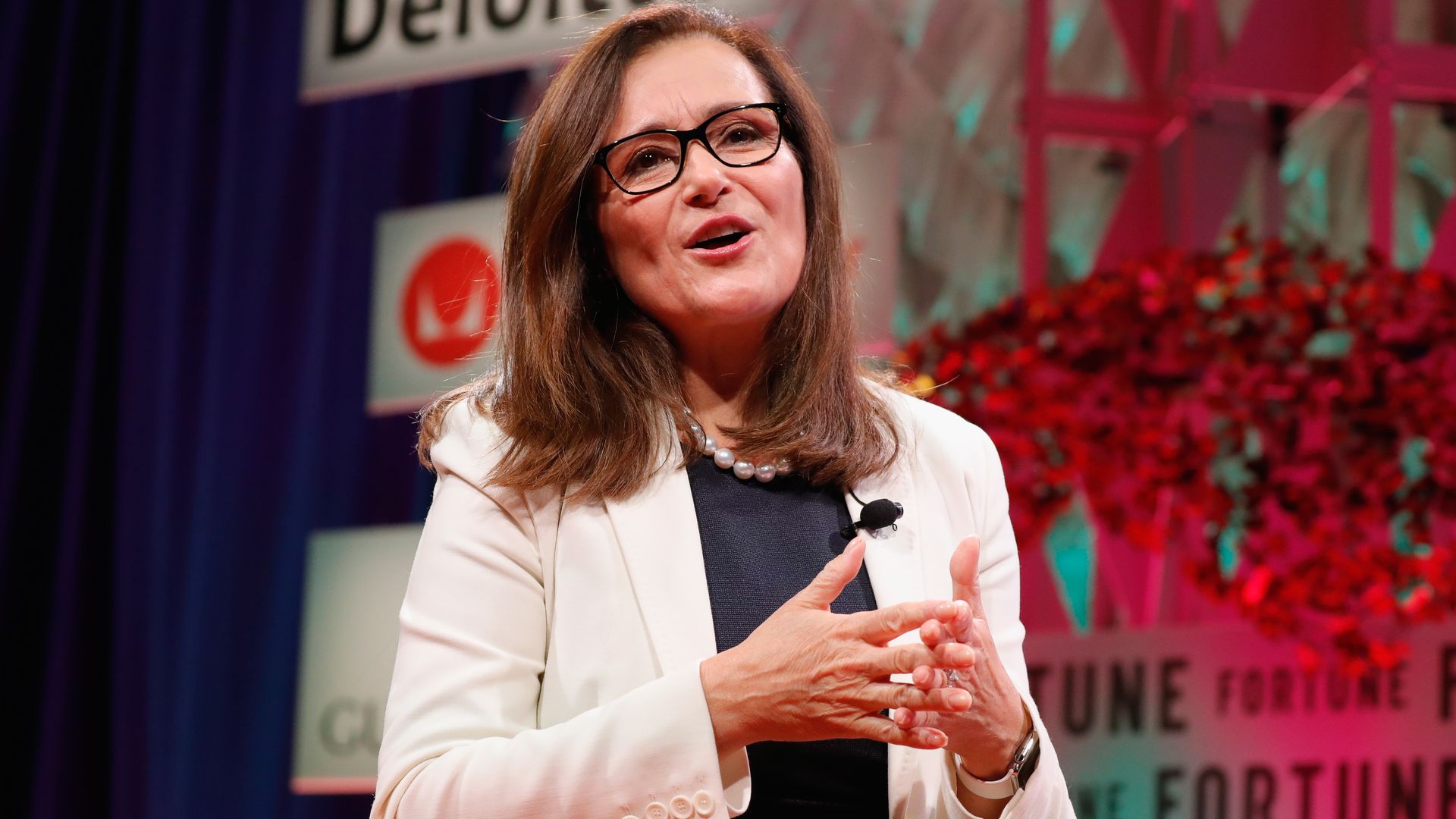
PG&E CEO Geisha Williams has left the company, which faces billions of dollars in wildfire liability costs, and reportedly is considering bankruptcy, a spokesperson confirmed to Axios on Sunday.
In a statement, the company said John Simon, its general counsel, would serve as interim CEO.
Why it matters: This is yet another sign that the company is in crisis control mode as California lawmakers decide whether it should step in to help PG&E. Williams became the first Latina CEO of a Fortune 500 company in 2017 when she took the helm.