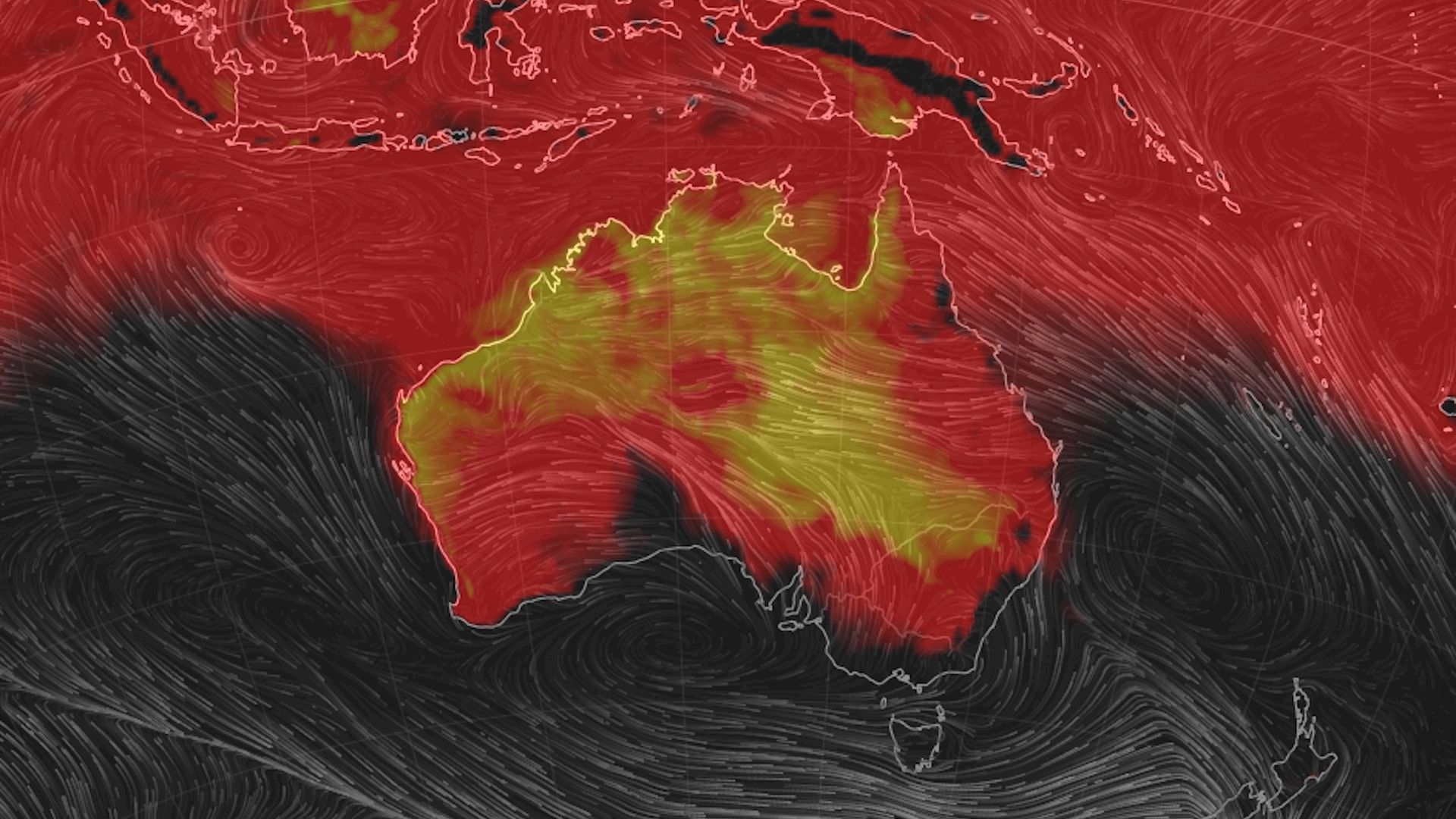
While the U.S. awaits the consequences of a breakdown in the polar vortex, Australia has been sizzling through an unrelenting series of heatwaves that have shattered all-time records.
Why it matters: Heat waves are one of the clearest manifestations of global warming, and extended episodes can be particularly deadly and costly. In Australia, they also heighten the risk of wildfires.
Newly introduced electric vehicles are capable of charging wirelessly rather than tethered to a power cable, a technology that could one day help autonomous EVs stay running around the clock.
Why it matters: The ability to charge whenever they have a chance — through wireless charging source pads embedded in roadways and parking spots — would make AVs more efficient because they would never have to be taken out of operation for refueling.
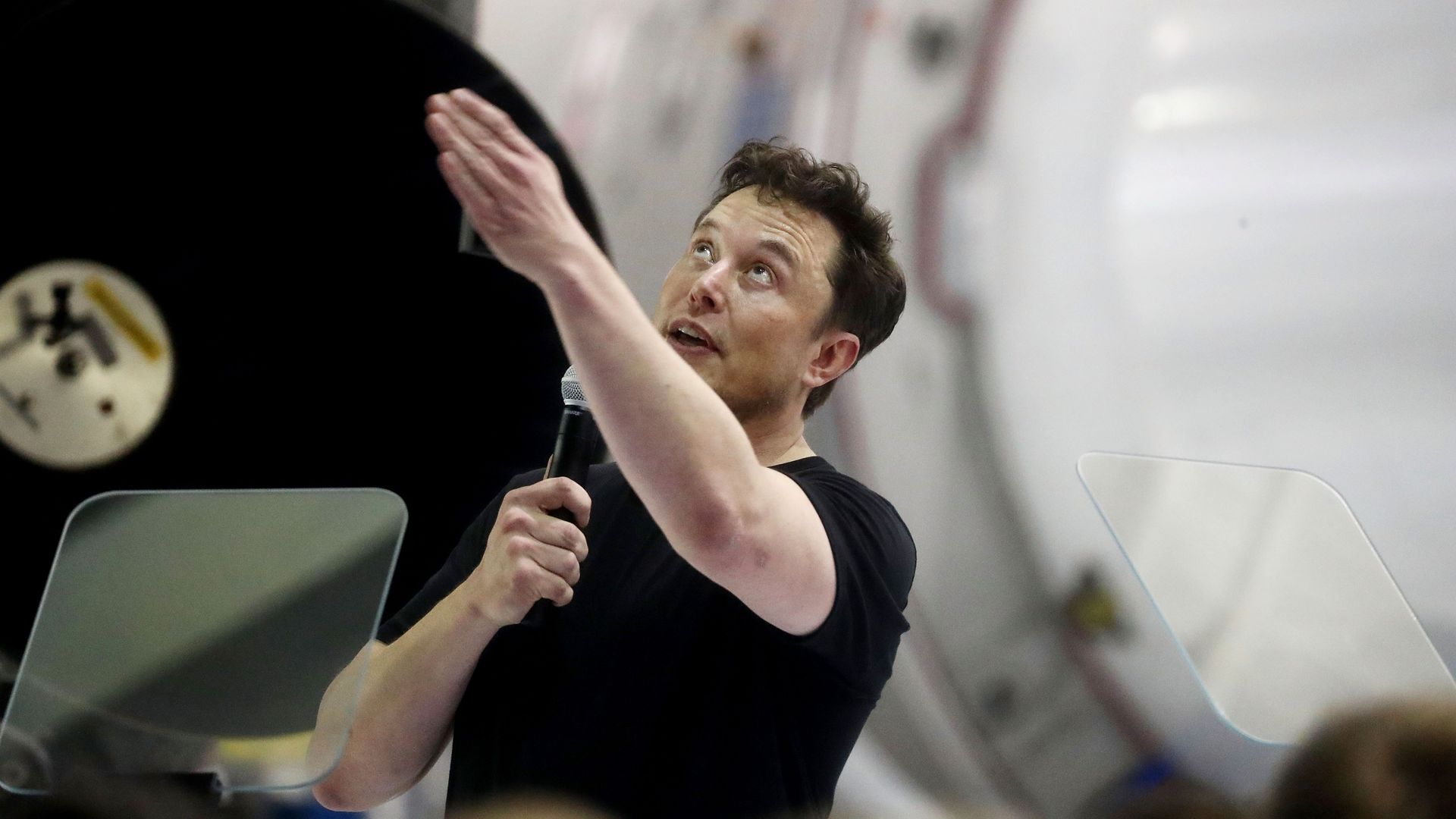
Tesla is slashing its full-time workforce by about 7% as production of the Model 3 sedan ramps up, CEO Elon Musk said in a company email on Friday.
Why it matters: The announcement comes as Musk is trying to make good on pledges to begin offering lower-priced variants of its Model 3, a car critical to the company's future.
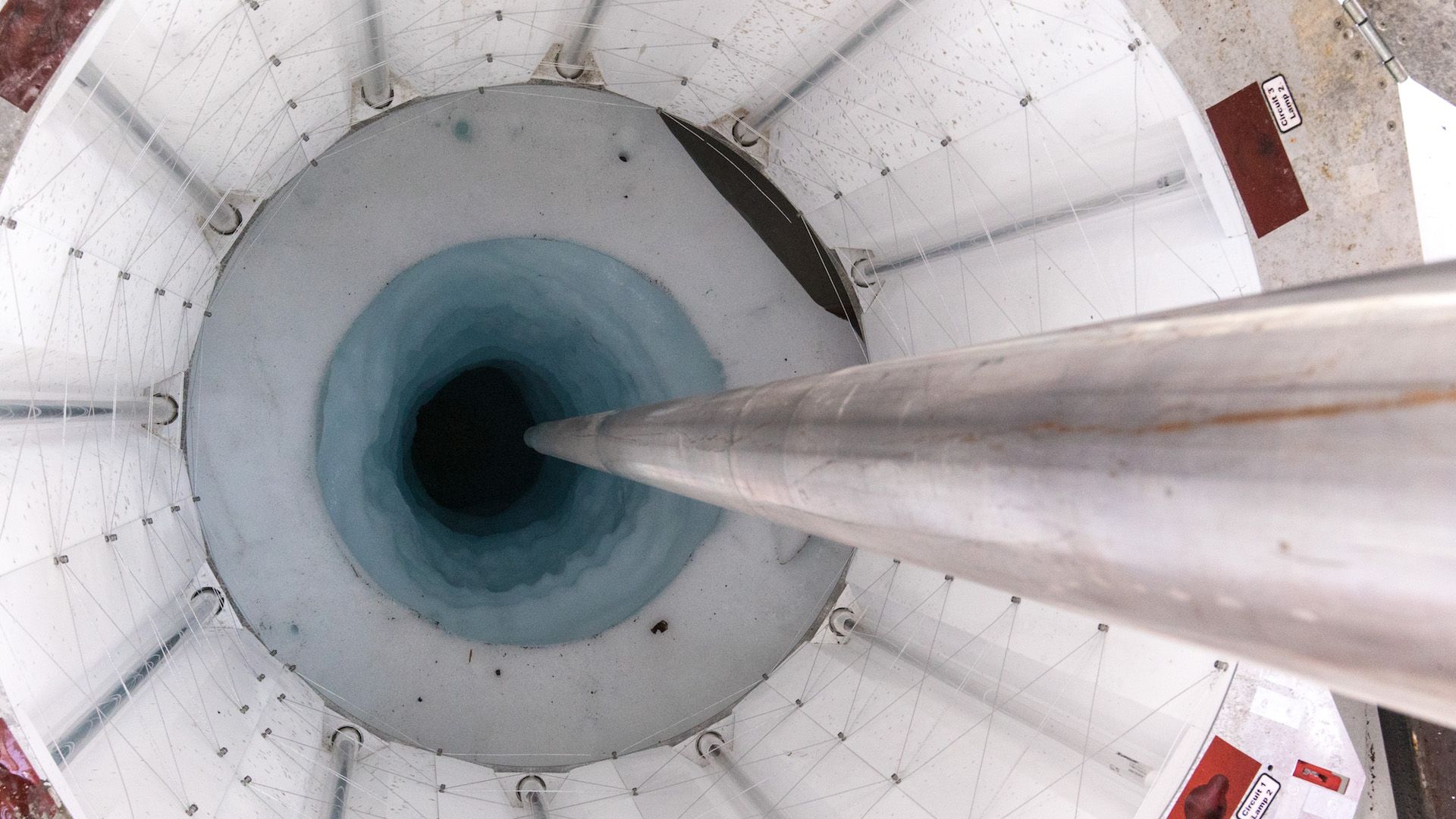
A research team drilling thousands of feet under the Antarctic Ice Sheet has found new evidence of microbial life there — life forms not known to exist elsewhere.
Why it matters: It's only the second subglacial lake in Antarctica to be explored, in an area as vast as twice the area of the continental U.S. That means scientists have to draw a lot of conclusions from drilling two holes — but it's the only way to learn about what kind of life exists in the mysterious world of subglacial lakes and rivers deep beneath the ice.
Rising Democratic star Rep. Alexandria Ocasio-Cortez is featured on this week's issue of Bloomberg's Businessweek. The magazine writes: "What Ocasio-Cortez understands is that getting an idea talked about, even unfavorably, is a necessary, if insufficient, step on the path to adoption."
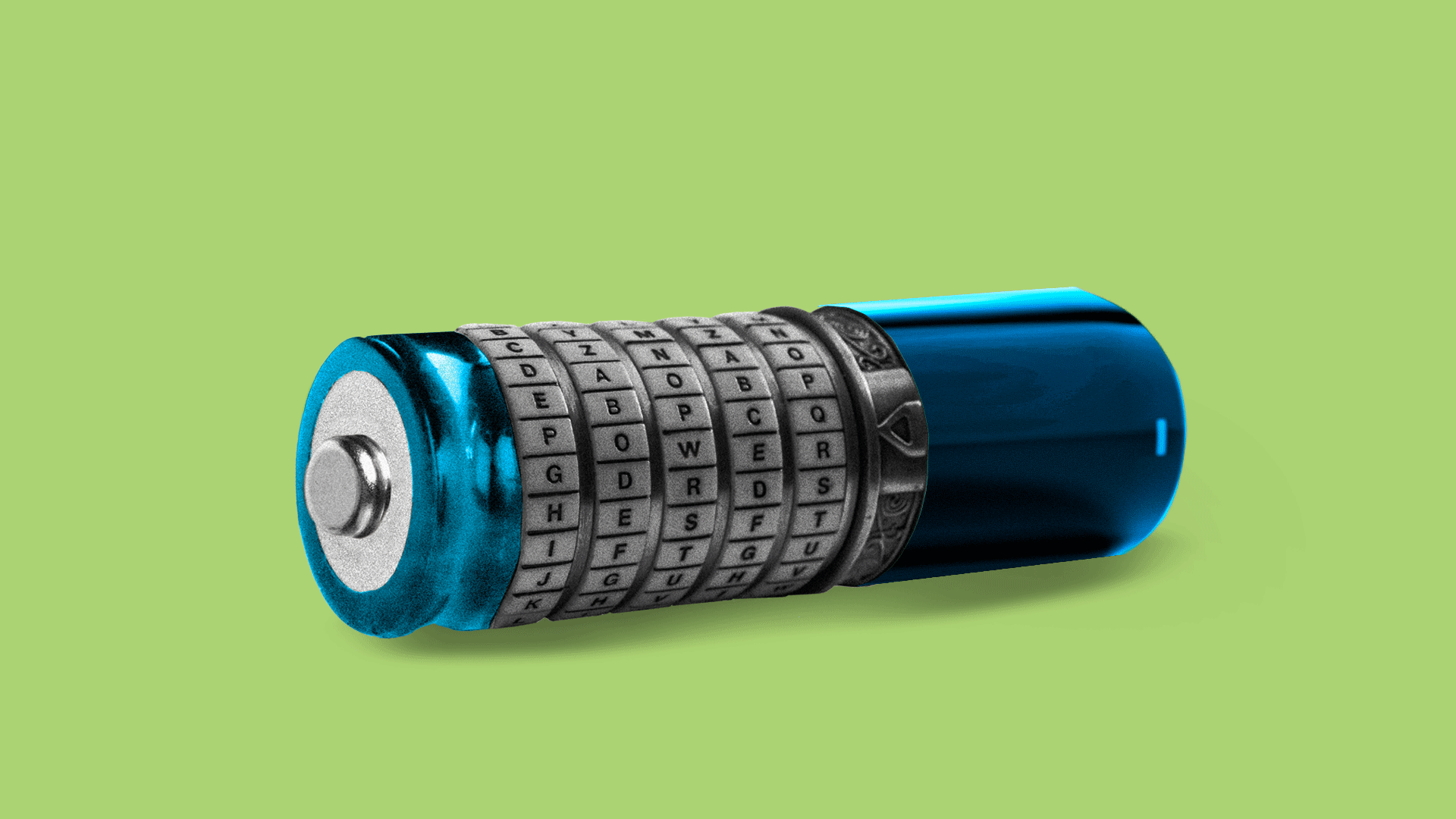
A newly unveiled company led by battery and tech industry vets says it's cracked the code that could enable much faster charging of the kind of lithium-ion batteries already used in electric vehicles — providing roughly 120 miles of range in just 5 minutes.
Why it matters: If their tech works as envisioned, the firm GBatteries could help EVs go mainstream by toppling a major barrier to ultra-fast charging: electrode damage that degrades the life expectancy of batteries.
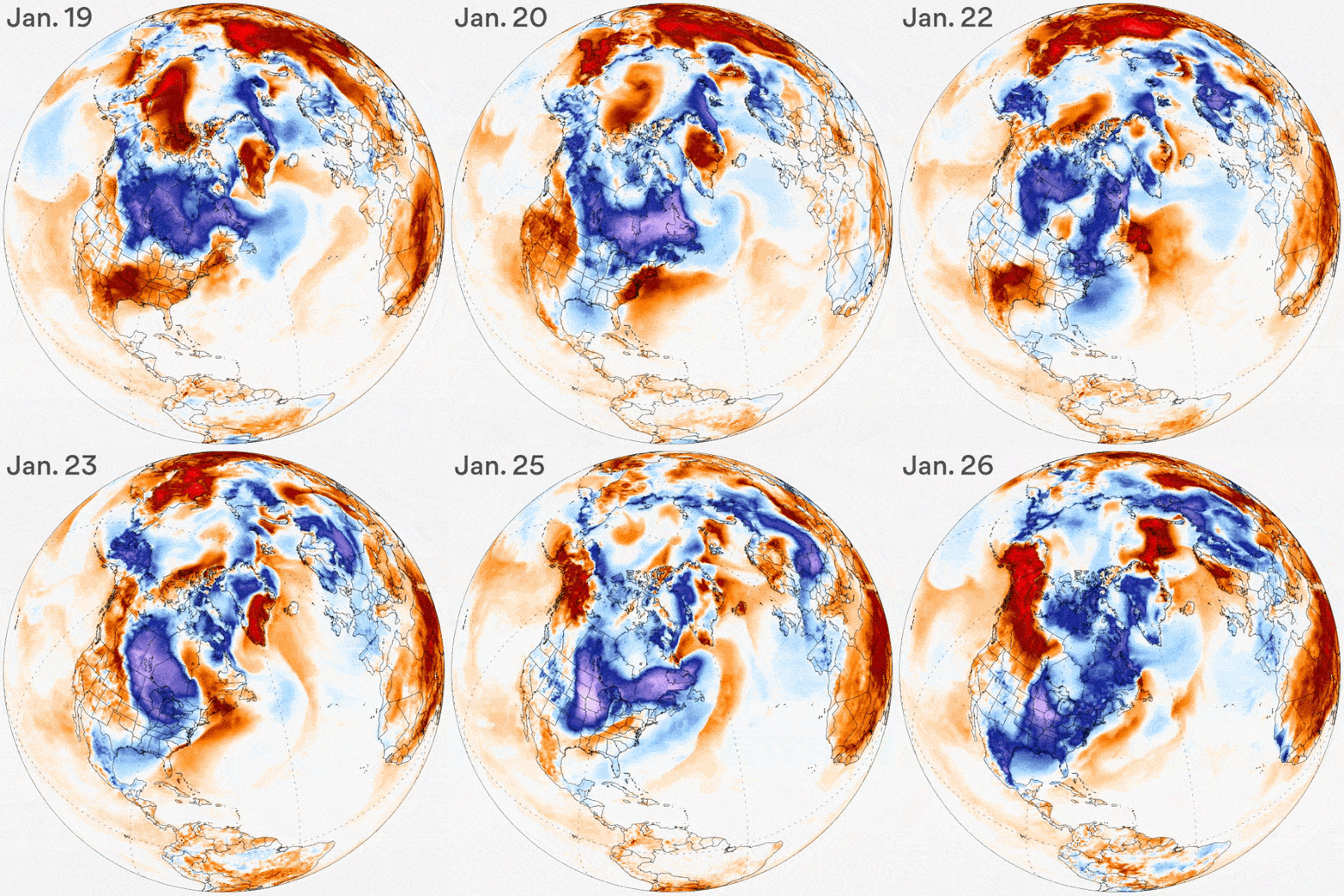
Temperature anomalies for Jan. 19–26 from the GFS model. Adapted from the Climate Re-Analyzer, U. Maine.
The polar vortex, which typically keeps the coldest air in the Northern Hemisphere effectively locked up in the Arctic, has split into three pieces. Now, Arctic air is poised to blast across the Canadian border and into the Midwest and East Coast, along with a major winter storm.
Why it matters: A coast-to-coast storm during the next several days could deposit feet of snow in parts of the West and Northeast, while ushering in the coldest air of the season. This will yield travel headaches and economic impacts — and the storm won't be the last of this event.
America’s leading economic establishment has penned a Wall Street Journal op-ed in support of taxing carbon dioxide emissions, eliminating other regulations and returning the resulting money to consumers in the form of a recurring dividend check.
Why it matters: The increasing consensus among economists that the best thing to do with any money raised with a carbon tax is to return it to Americans is a significant policy marker as Washington debates to what degree, if at all, it will address Earth’s rising temperatures.