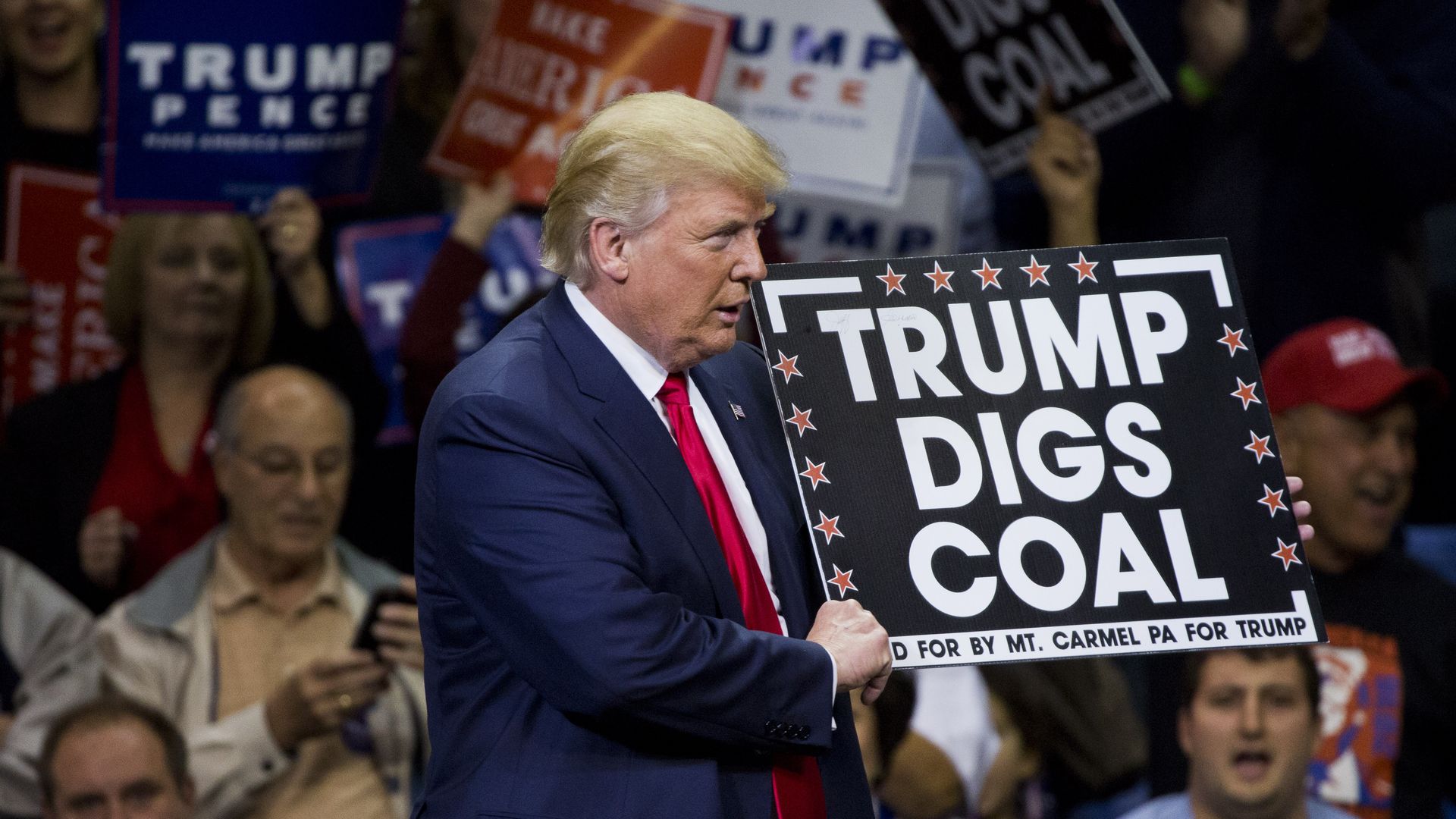
President Donald Trump touted his "natural instinct" for science, while claiming that the cause of global warming is in dispute, in an interview with the Associated Press on Tuesday. The transcript of this interview was released Wednesday.
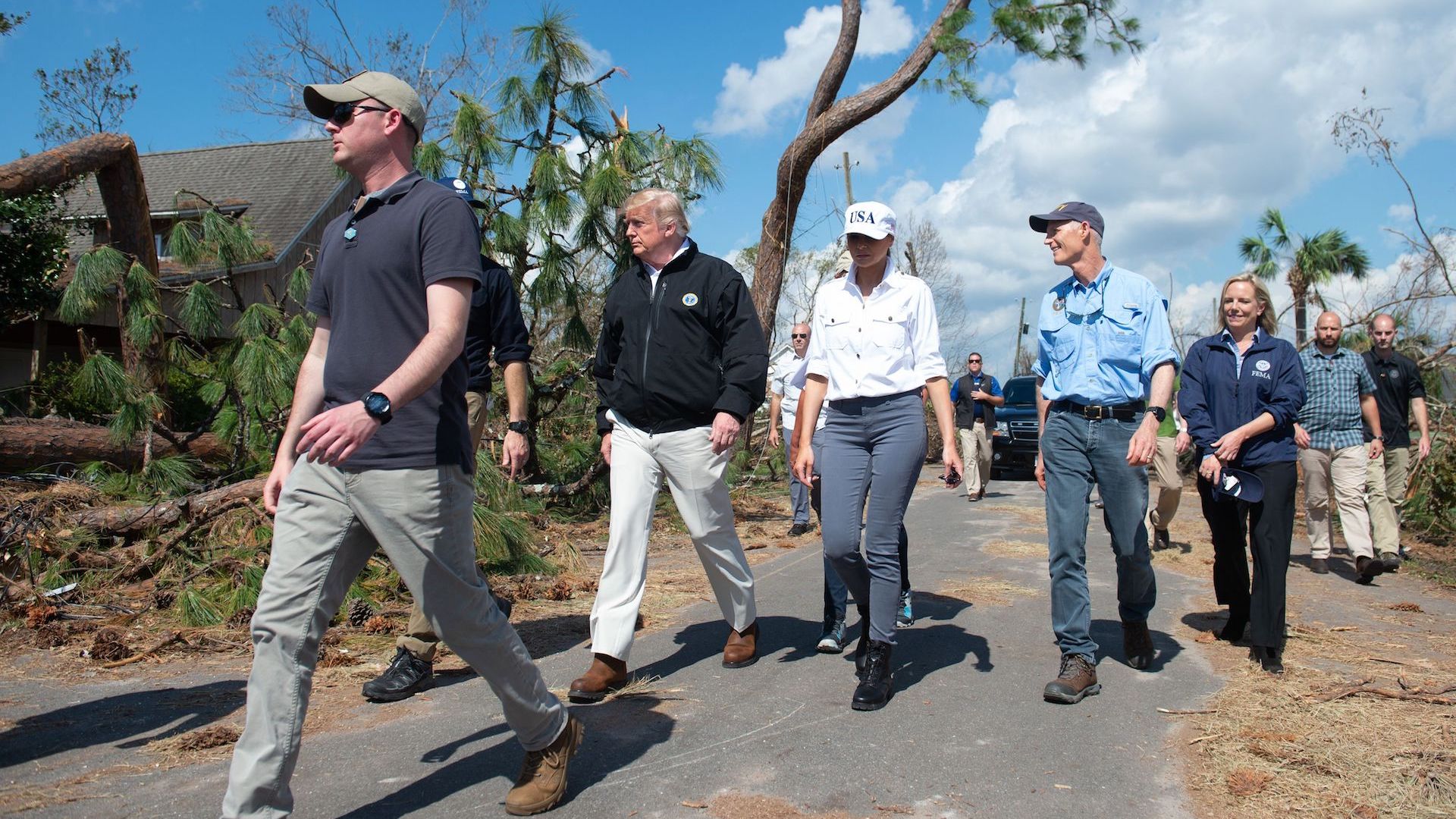
Why it matters: Trump's comments come just a week after Hurricane Michael destroyed parts of the Florida Panhandle. The storm was that region's most intense hurricane on record. His statements also come in the wake of new, more urgent warnings from climate scientists about the need to reduce global warming emissions.
The Environmental Protection Agency is set to unveil new federal data today that shows U.S. greenhouse gas emissions decreased 2.7%, according to a release viewed by Axios.
Why it matters: This drop, between 2016 and 2017, is due largely to market forces and moves by President Obama and Congress, and occurred before President Trump officially took office. EPA's announcement contrasts with Trump, who in recent days has dismissed climate change as an issue.
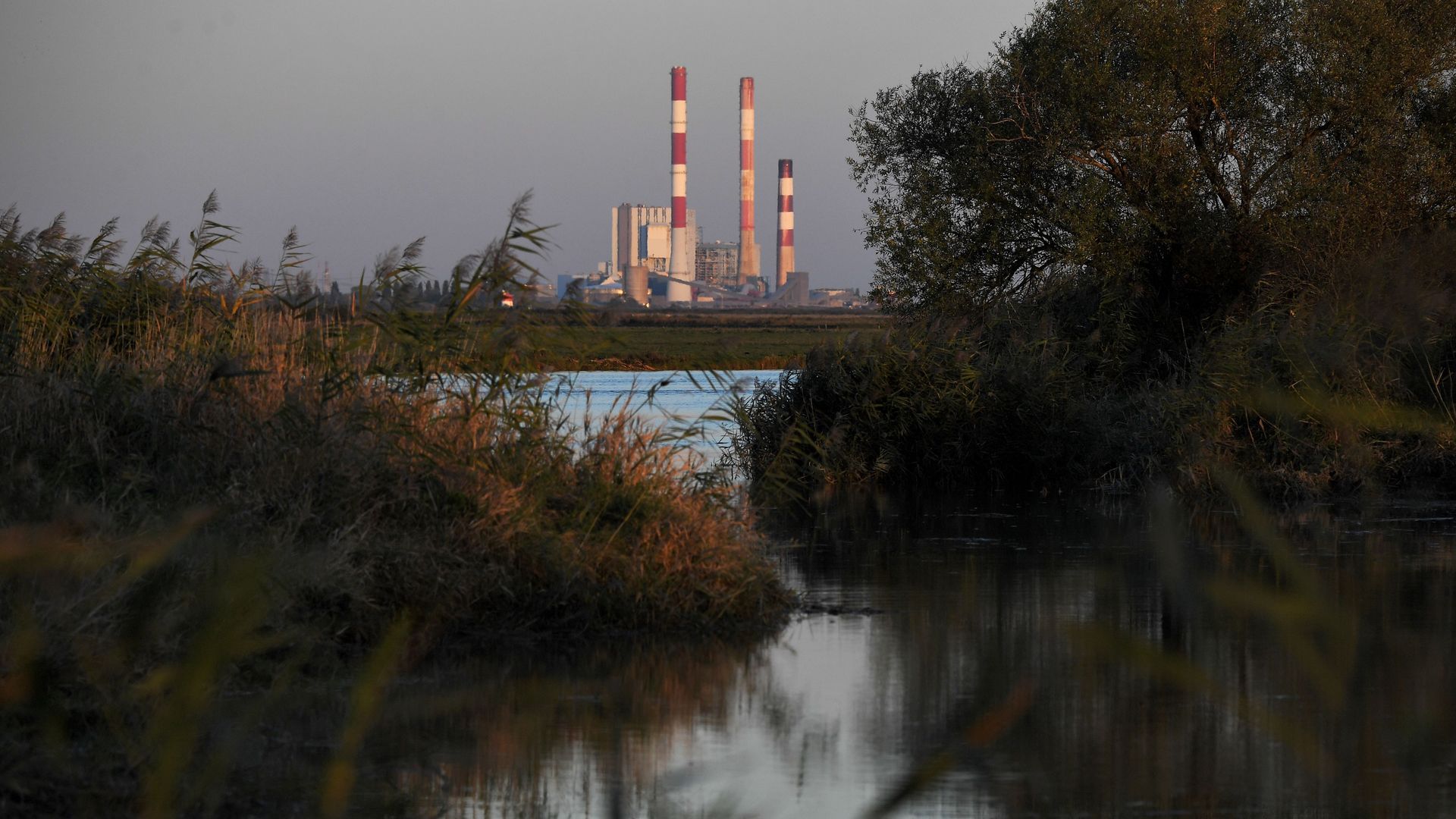
The Center for Strategic and International Studies' Nikos Tsafos looked at coal demand trends and comes to a sobering conclusion in a new analysis: "Unless Asia can find other energy sources to meet its needs, our efforts to curb CO2 emissions from coal will likely fail."
Why it matters: Coal is the most carbon-intensive fossil fuel. Cutting global CO2 emissions enough to prevent high levels of warming will probably fail absent deep cuts in coal demand, or widespread deployment of CO2-trapping systems that are in their commercial infancy.
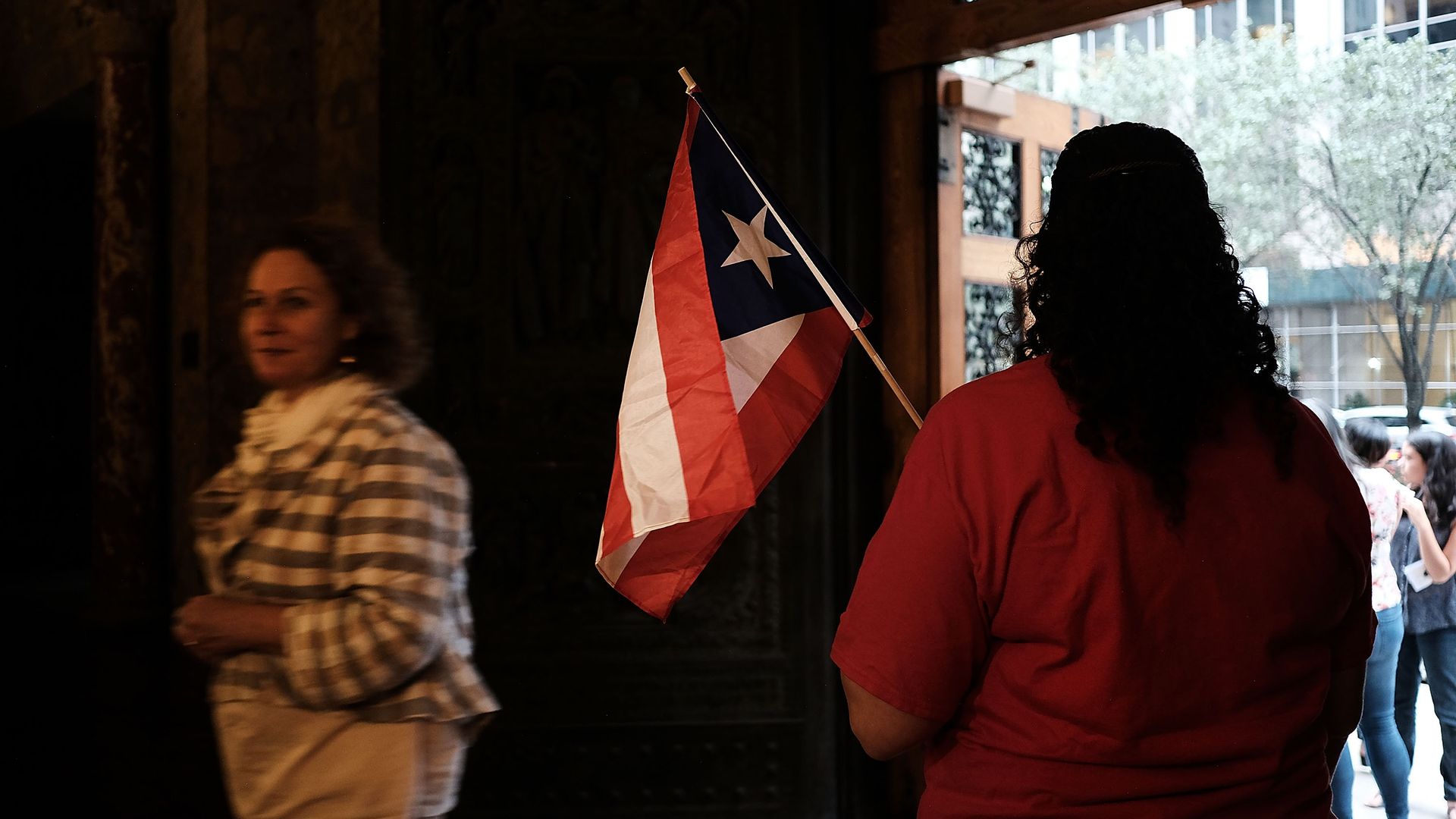
"In the year since Hurricane Maria devastated Puerto Rico, political parties, candidates and voting rights groups have spent hundreds of thousands of dollars to court residents who fled to the mainland, hoping to register them and get them to the polls," USA Today's Deborah Barfield Berry reports.
The big picture: "[M]ost settled in Florida, where [there are hot Senate and governor's races, and] get-out-the-vote efforts have been intense."
The Trump administration's plans to directly intervene in power markets to prop up economically struggling coal-fired and nuclear power plants have been "shelved" for now, Politico reported last night.
Why it matters: The story underscores the challenge of finding legally and politically viable policy levers to directly keep these plants afloat, even as the White House pushes ahead with efforts to aid the coal sector by scaling back Obama-era pollution rules.
As midterm elections get closer, the partisan divide over climate change is becoming increasingly clearer.
Driving the news: 72% of registered voters backing Democrats in the upcoming elections view climate change as a "very big" problem, compared to just 11% of GOP supporters, new Pew Research Center polling shows.
Thomas Brostrøm, CEO of North American operations for Ørsted, the Danish wind giant, is in Washington to speak at an offshore wind conference this week. I caught up with him ahead of the event.
Why it matters: Last week, Brostrøm’s company bought the U.S. companybehind America’s only operating offshore wind farm, Deepwater Wind. Ørsted represents a growing number of European energy companies seeking to lead in the U.S. offshore wind market. Excerpts from Monday's interview follow.