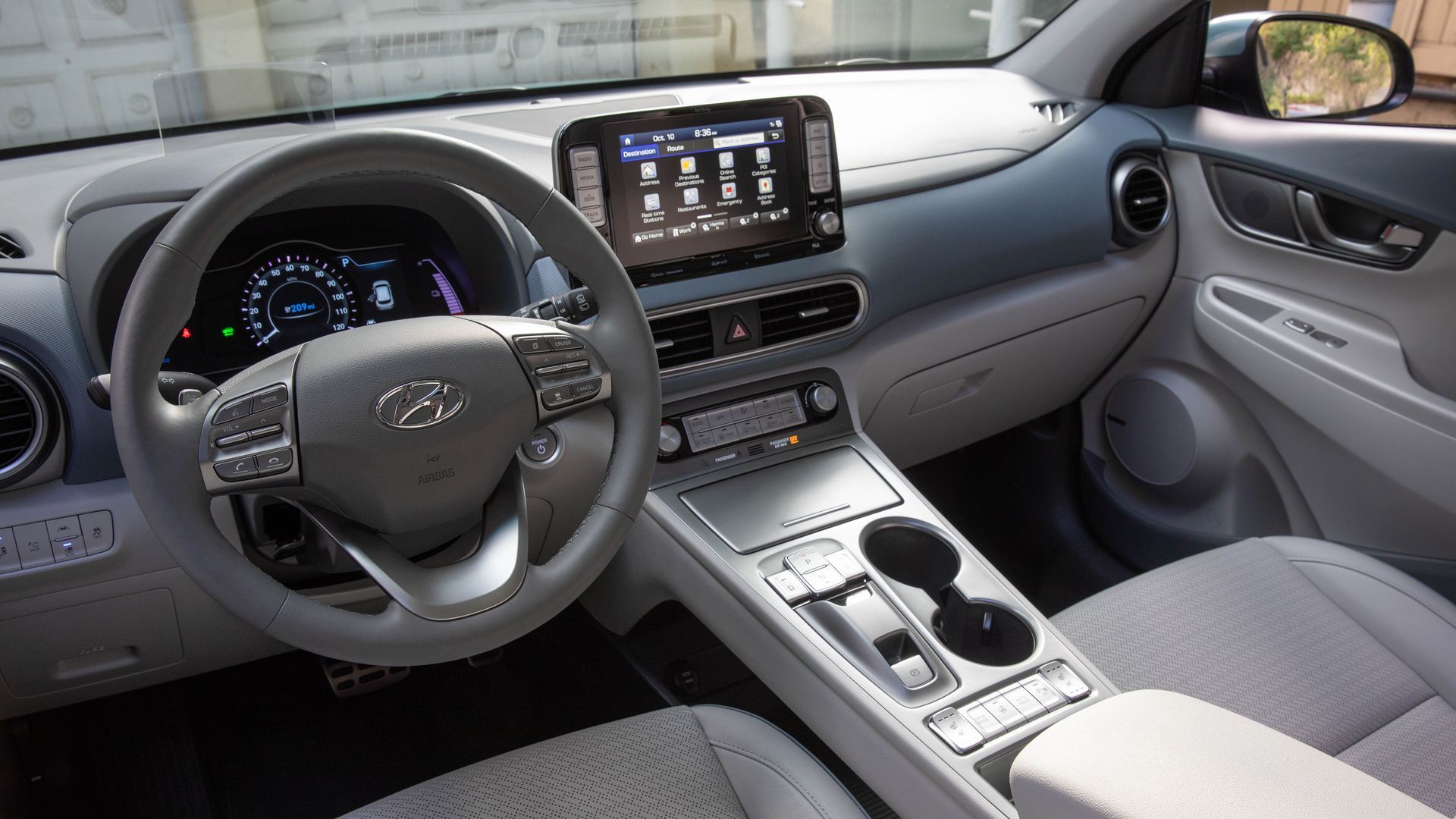
This week I got behind the wheel of the plug-in version of Hyundai's new compact crossover SUV, the Kona.
Details: This is an electric vehicle that checks all the boxes. It offers a popular small crossover design, a class-leading 258-mile battery range, 201 horsepower, and 290 lb-feet of torque.
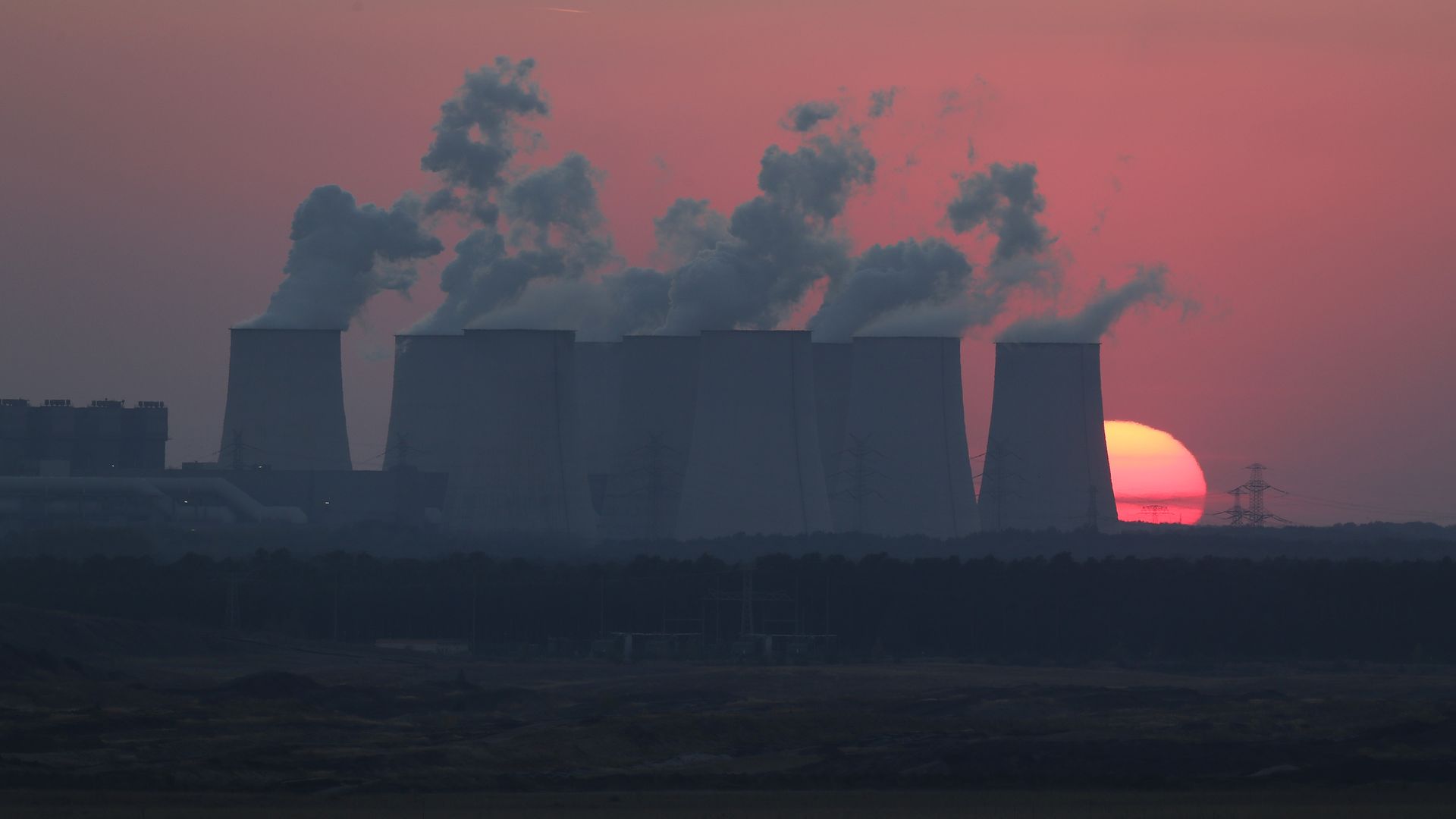
A much larger investment in deployment of existing energy efficiency technologies and stronger policy measures would enable major progress toward meeting the goals of the Paris climate deal, the International Energy Agency said in a new report.
Why it matters: Nothing of the sort is happening right now, and in fact progress in energy efficiency is slowing, IEA warned.
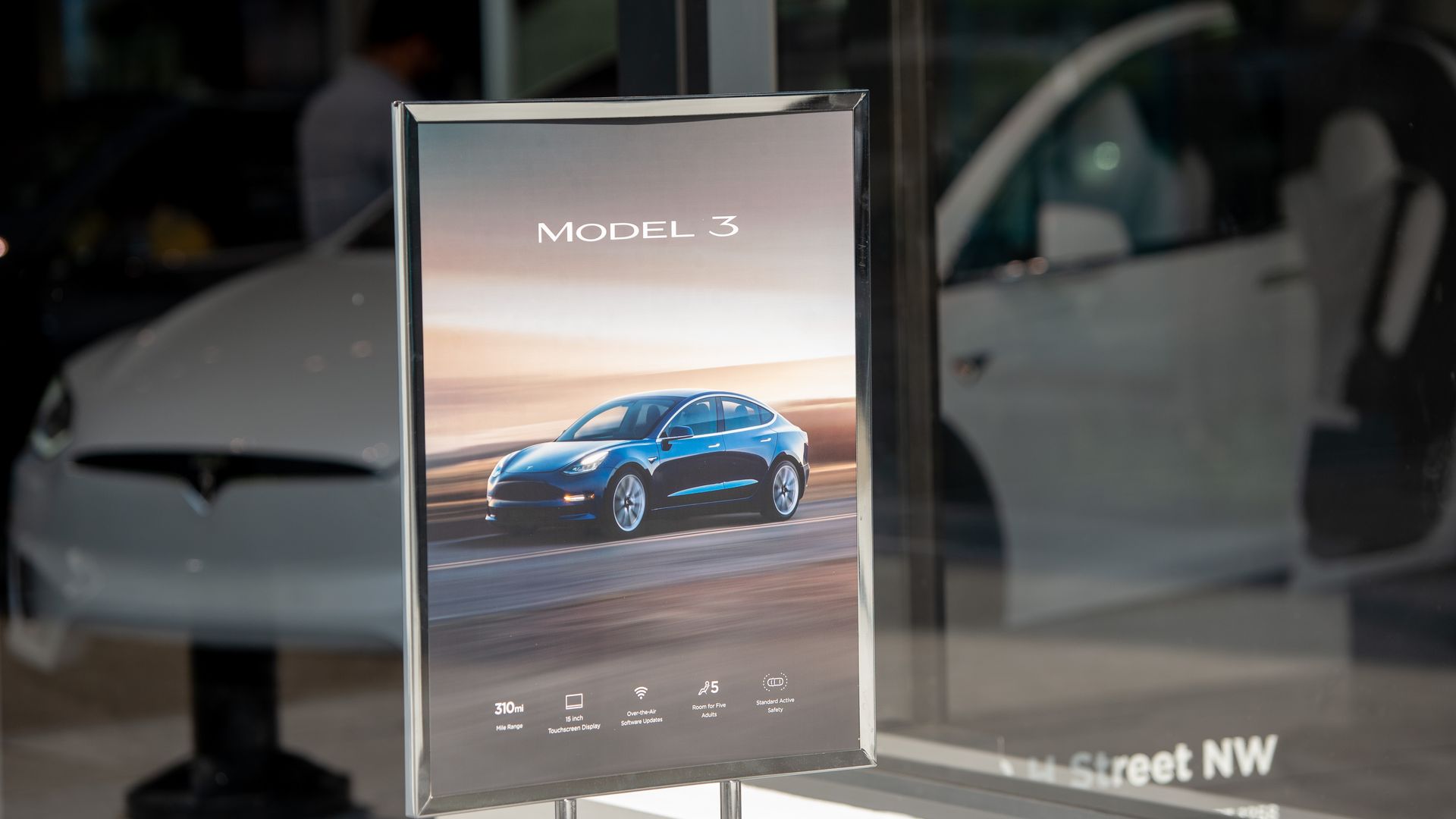
Tesla announced Thursday night that it's now selling a somewhat less costly, $45,000 version of its Model 3 sedan that has a 260-mile range.
Why it matters: The mass-market Model 3 is critical to the Silicon Valley automakers' future and, more broadly, pushing electric vehicles into the mainstream.
A recently formed group that's using veteran Washington, D.C. insiders to push for a carbon tax spent $150,000 on lobbying in the third quarter, a disclosure filing shows.
Why it matters: The amount reported on March 16 by the heavyweight firm Squire Patton Boggs on behalf of Americans for Carbon Dividends is, needless to say, quite modest by beltway standards.
Under current regulations, vehicles must allow connection to their diagnostic systems for analysis and repair. This access point is crucial for ensuring that both conventional and future self-driving cars are safe on the road, yet it is vulnerable to hacking by physical and wireless intrusions.
Why it matters: Autonomous vehicles are highly dependent on networked component controllers that enable different parts of the car to communicate. This means that a security breach could open up even more operational controls in an AV, including safety-critical functions. Despite these risks, there are still no rules in place to mitigate this significant security vulnerability.
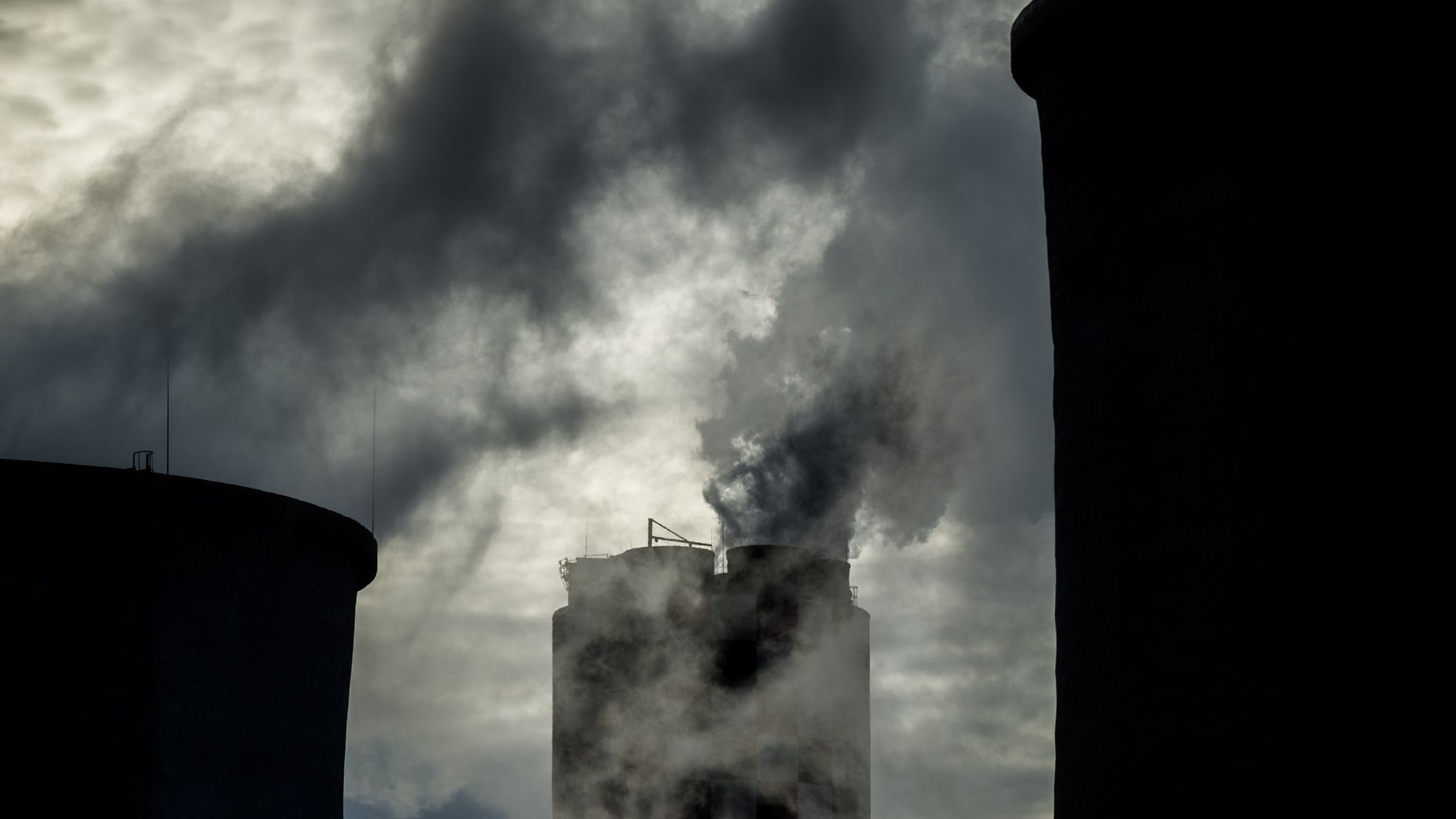
The EPA is promoting newly released data showing a 2017 cut in aggregate greenhouse gas (GHG) emissions from industrial operations, but there's a more nuanced story behind the top-line numbers.
Why it matters: Despite the cuts driven largely by power-sector changes, the U.S. is not on pace to meet Obama-era targets for cutting economy-wide emissions by 26%–28% below 2005 levels by 2025.
The Interior Department is gearing up to auction federal waters for wind-energy development offshore Massachusetts and is taking the first steps for the same development off California, Secretary Ryan Zinke told a conference Monday.
Why it matters: Offshore wind, which is just getting off the ground in the U.S., is a rare example of the Trump administration actively pushing renewable energy, despite its main focus on fossil fuels. With just one operating offshore wind farm in the U.S., government support at this stage of the game is critical.