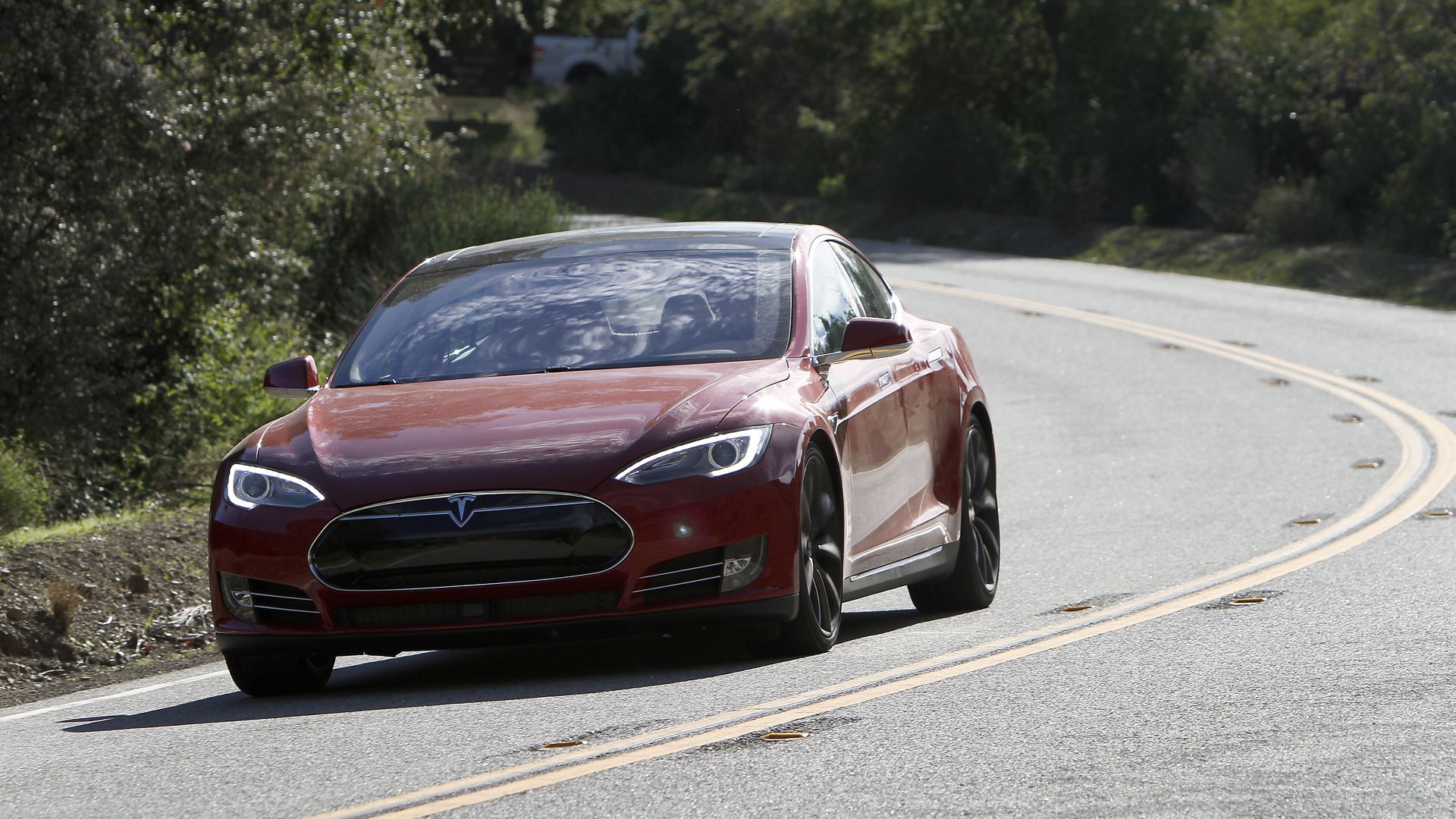
Tesla is changing the messaging on its cars by pulling a long-standing promise of a "Full Self-Driving" option from the order page on the company’s website, per The Verge. CEO Elon Musk tweeted the wording was causing too much confusion.
Why it matters: Cars that advertise as self-driving have misled consumers to believe that the cars are fully autonomous. Tesla cars that have a semi-autonomous driver assistance system have crashed and caused fatalities, which raises the question if enough drivers know how to operate them.
Sea level rise due primarily to global warming threatens to submerge dozens of the most culturally significant sites in the Mediterranean.
In Italy alone, at least 13 UNESCO World Heritage Sites are at risk, according to a study published this week in Nature Communications.
Why it matters: UNESCO designates cultural World Heritage Sites for places that represent cultural traditions or civilizations that have since disappeared. The Mediterranean region was home to several ancient civilizations, many of which flourished by the sea.
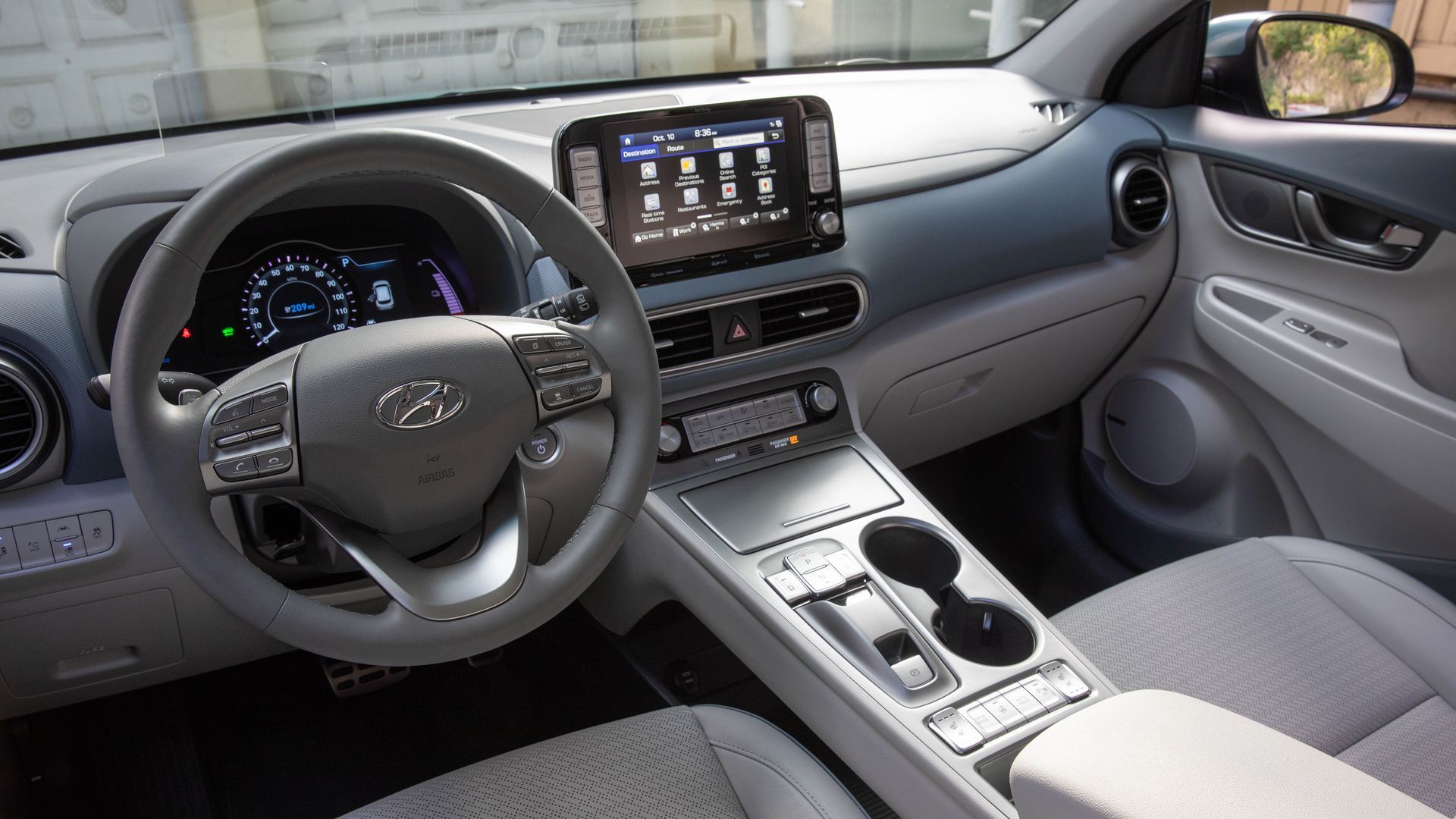
This week I got behind the wheel of the plug-in version of Hyundai's new compact crossover SUV, the Kona.
Details: This is an electric vehicle that checks all the boxes. It offers a popular small crossover design, a class-leading 258-mile battery range, 201 horsepower, and 290 lb-feet of torque.
A much larger investment in deployment of existing energy efficiency technologies and stronger policy measures would enable major progress toward meeting the goals of the Paris climate deal, the International Energy Agency said in a new report.
Why it matters: Nothing of the sort is happening right now, and in fact progress in energy efficiency is slowing, IEA warned.
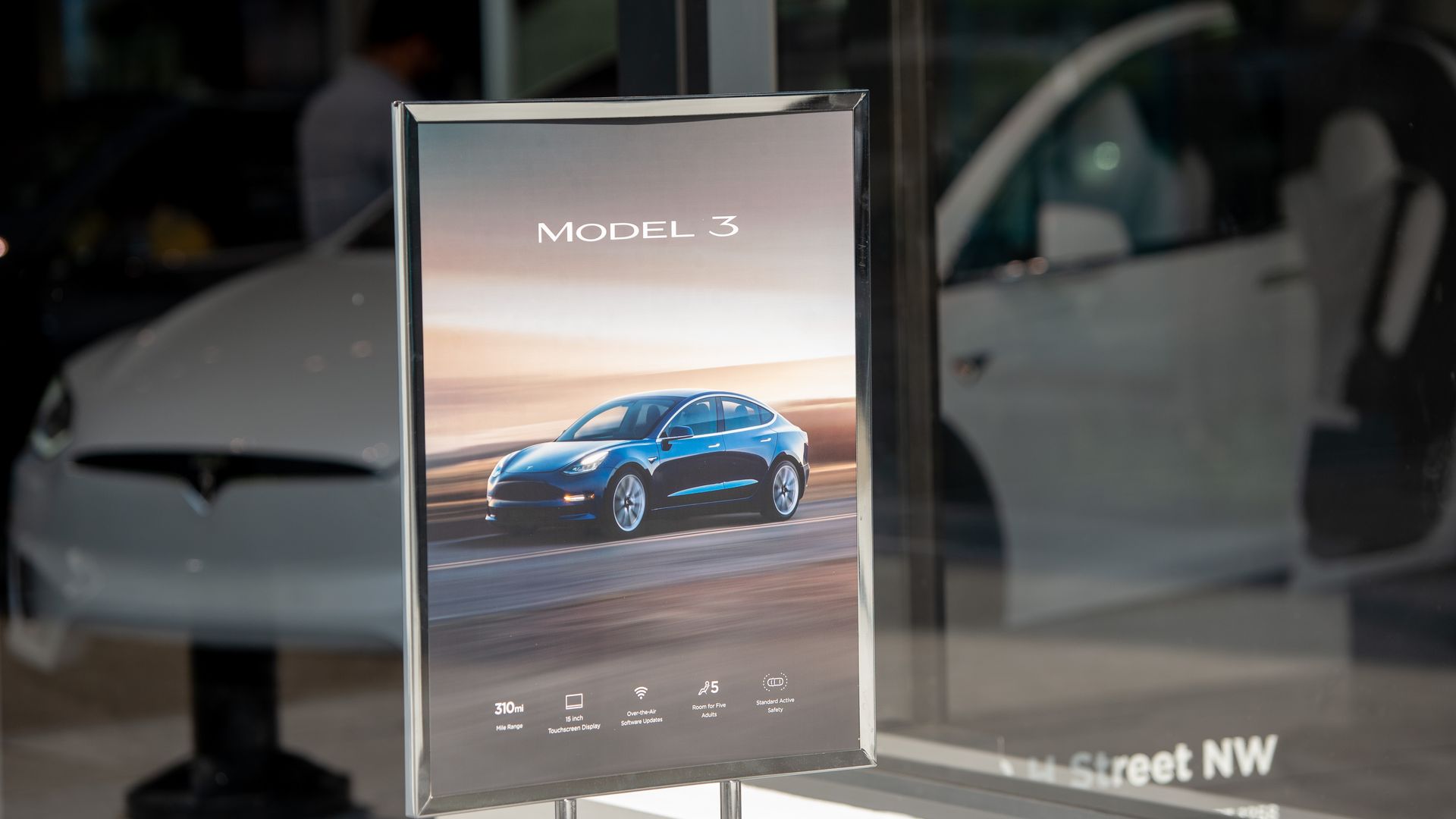
Tesla announced Thursday night that it's now selling a somewhat less costly, $45,000 version of its Model 3 sedan that has a 260-mile range.
Why it matters: The mass-market Model 3 is critical to the Silicon Valley automakers' future and, more broadly, pushing electric vehicles into the mainstream.
A recently formed group that's using veteran Washington, D.C. insiders to push for a carbon tax spent $150,000 on lobbying in the third quarter, a disclosure filing shows.
Why it matters: The amount reported on March 16 by the heavyweight firm Squire Patton Boggs on behalf of Americans for Carbon Dividends is, needless to say, quite modest by beltway standards.
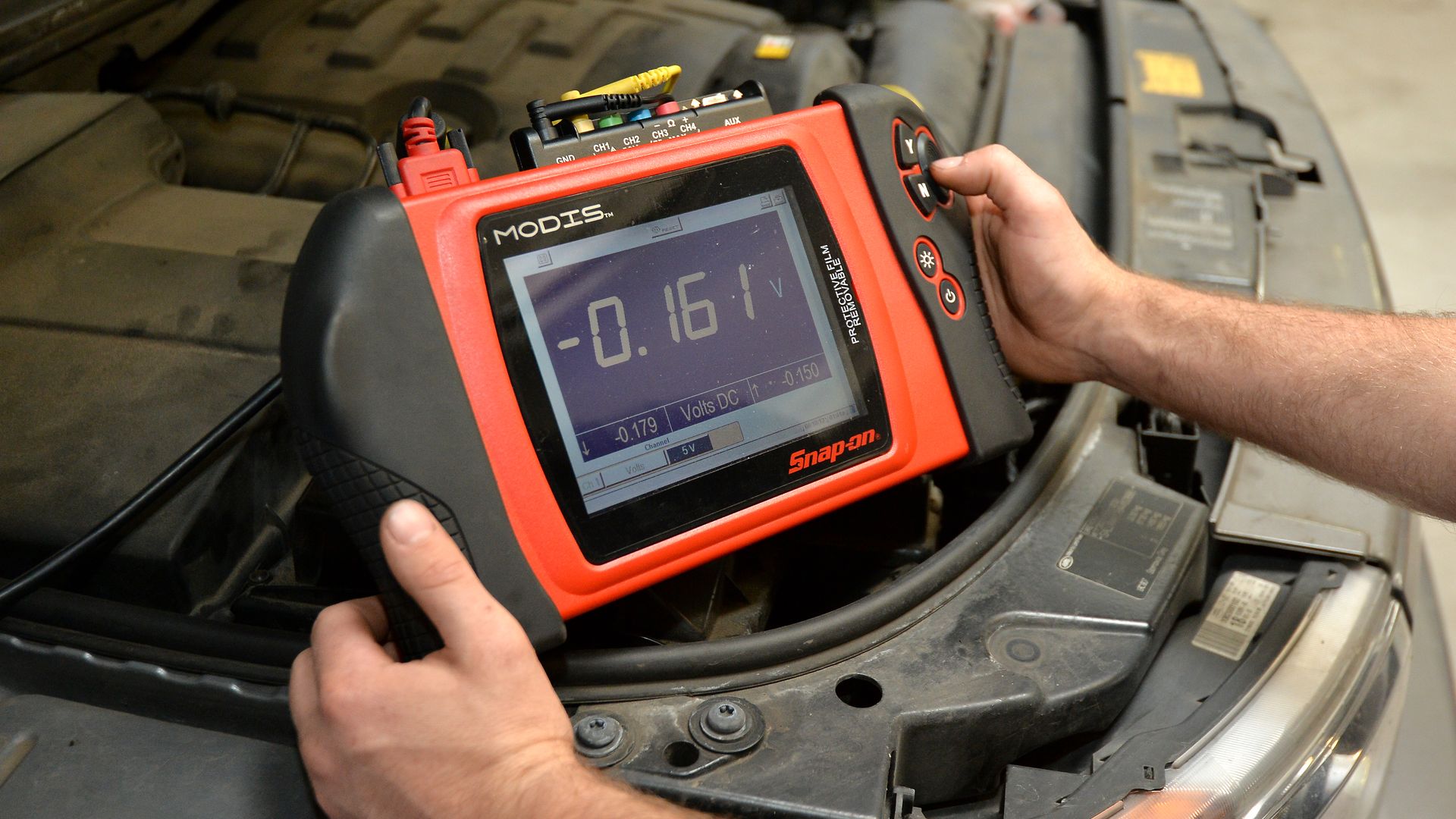
Under current regulations, vehicles must allow connection to their diagnostic systems for analysis and repair. This access point is crucial for ensuring that both conventional and future self-driving cars are safe on the road, yet it is vulnerable to hacking by physical and wireless intrusions.
Why it matters: Autonomous vehicles are highly dependent on networked component controllers that enable different parts of the car to communicate. This means that a security breach could open up even more operational controls in an AV, including safety-critical functions. Despite these risks, there are still no rules in place to mitigate this significant security vulnerability.