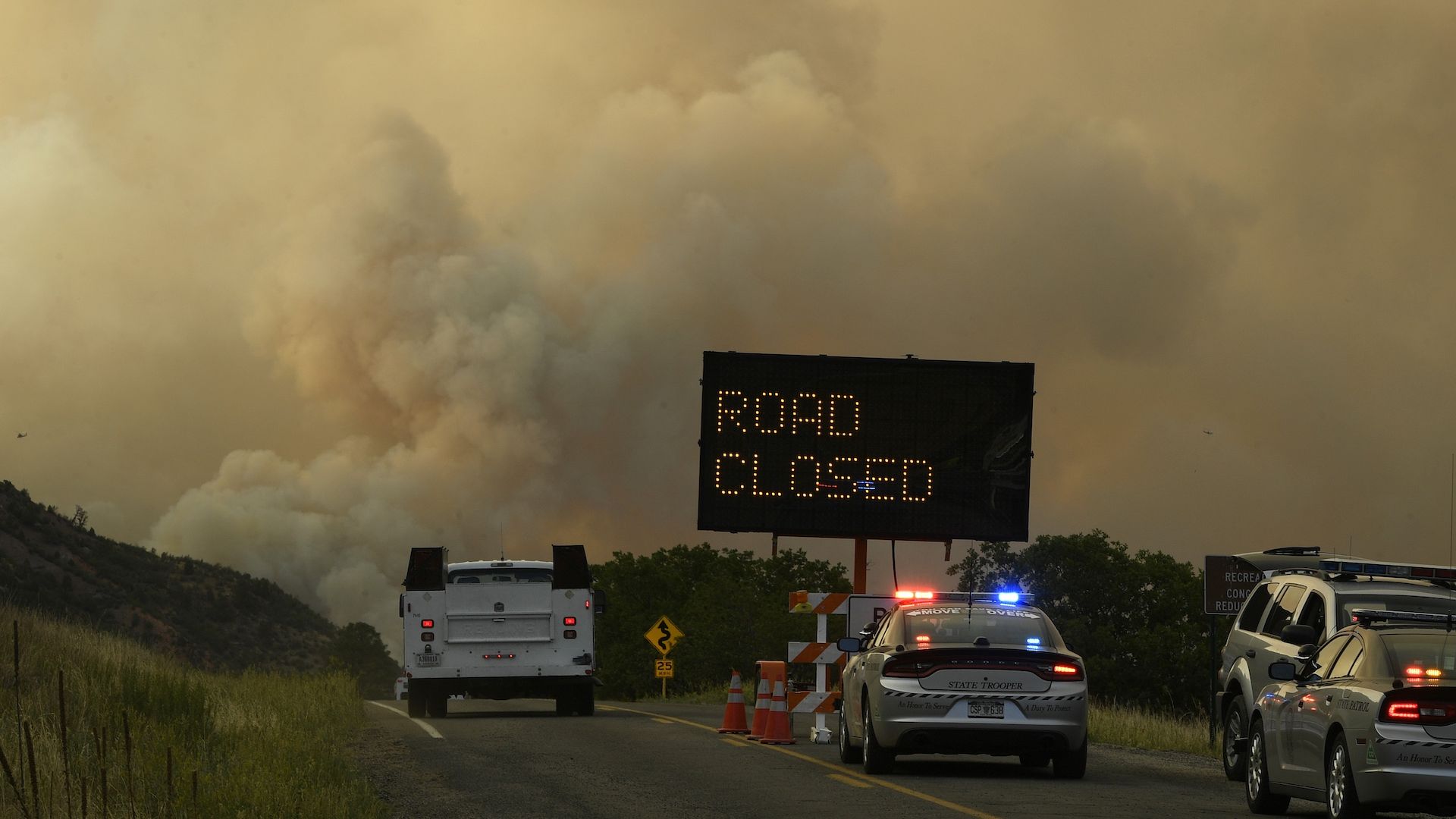
A wildfire burning in southwest Colorado's San Juan National Forest has grown to about 33,000 acres, as more than 1,100 firefighters battle the blaze. The fire, which began on June 1, has forced officials to close the forest for the first time in its 113-year history, the Denver Post reported.
Why it matters: The fire is one of dozens of blazes burning across the West, from Colorado to California. Portions of the Southwest are mired in an "exceptional drought," which is the worst possible category on the U.S. Drought Monitor.
E-scooter company Bird confirmed via a state regulatory filing that it is raising new funding that could value the company at $2 billion.
The "Series C-1" round would be for up to $150 million in C-1 shares to be sold at around $11.75 per share, which is 85% higher than a Series C round for which Bird filed Delaware docs on June 1.
Bottom line: Bird expects to nearly double its value in less than a month, which is unprecedented for a transportation startup. But all indications are that it will get its money.
Top energy and investment executives attending a conference last weekend hosted by Pope Francis at the Vatican agreed a price on carbon emissions was essential in transitioning to cleaner sources of energy, according to multiple officials at the meeting.
Why it matters: This takeaway underscores how this particular policy is cementing itself as the preferred path among global oil companies in addressing climate change — even while it remains far out of reach in Washington, D.C.
A wide-ranging new report on a decade's worth of public opinion surveys shows that backing for taxing carbon emissions in the U.S. has grown, but remains limited and deeply split along partisan lines.
Why it matters: The findings are another sign of why carbon pricing proposals in the U.S. face massive hurdles, despite the view among many advocates and economists that its an essential tool for fighting climate change.
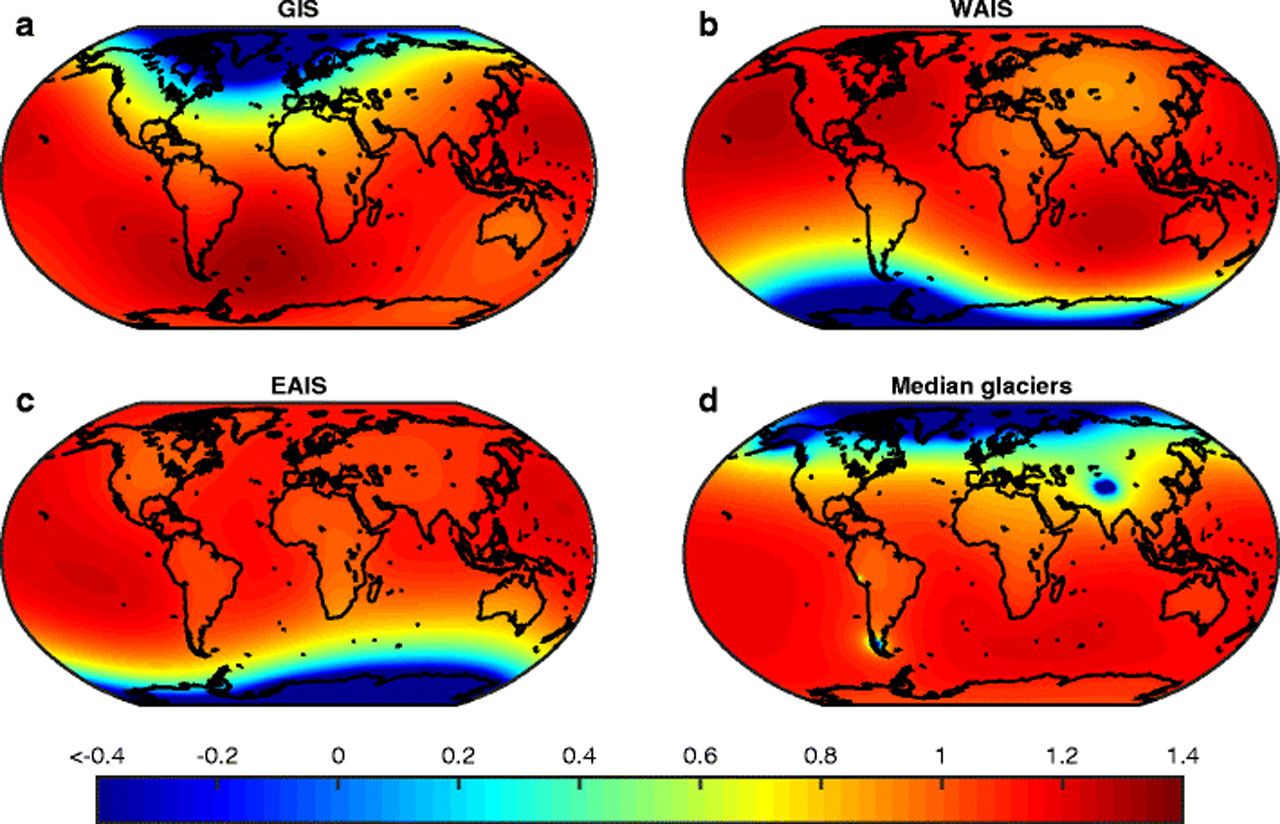
Sea level rise contributions from ice melt in different areas, including Greenland (a), West Antarctica (b), East Antarctica (c) and median of global glaciers (d). Values are ratios of regional sea level change to global mean sea level change. Adapted from Kopp et al. 2015.
News of Antarctica's accelerating ice melt garnered worldwide headlines yesterday, as scientists revealed that 3 trillion tons of ice has been lost to the sea since 1992 — mostly from the thawing West Antarctic Ice Sheet and Antarctic Peninsula.
Why it matters: The location of the ice melt is important for determining the future of coastal communities, according to climate scientists. And, due to West Antarctica melting, it turns out that the U.S. coastline will be hit extra hard, paying a sea level rise tax of about 25%.
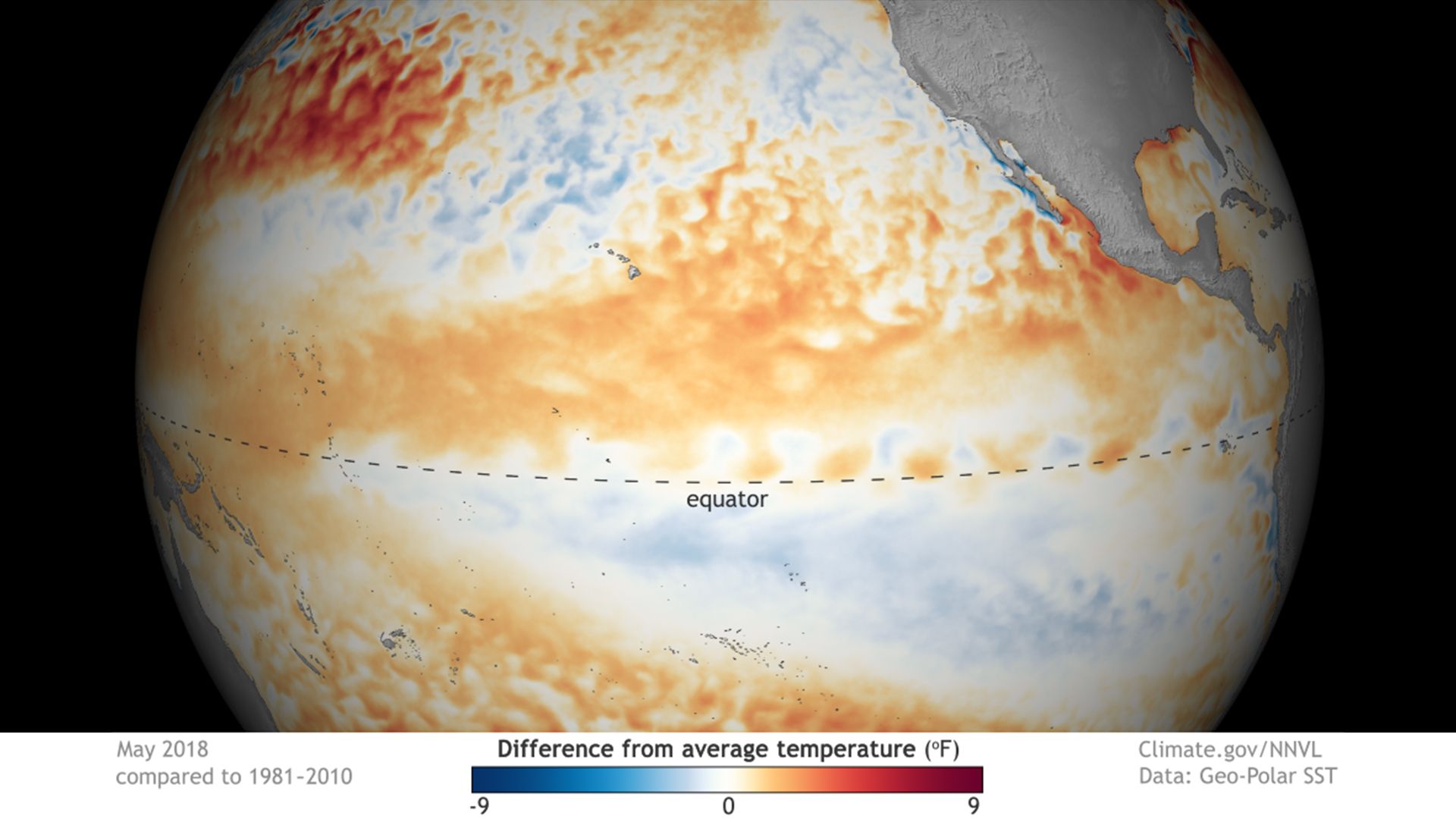
Sea surface temperature anomalies during May 2018, compared to the 1981-2010 average. Credit: NOAA.
The National Oceanic and Atmospheric Administration has issued an El Niño watch, meaning that conditions are favorable for El Niño conditions to develop in the tropical Pacific Ocean within the next six months.
Why it matters: If an El Niño forms, it would follow one of the most intense such events on record, which teamed up with long-term climate change, to lead to the warmest year ever recorded: 2016. Depending on its exact location in the Pacific and its intensity, the climate phenomenon can reorder weather patterns around the world. On the plus side, it can contribute to increased upper atmospheric winds over the tropical Atlantic, weakening nascent hurricanes and keeping the number of storms lower than they otherwise would be.
Scientists have captured the sounds made by the elusive and unusual East Greenland narwhal — whose long horn inspired various tales, including that of an evil stepmother who wove her long hair into a tusk.
Little is known about these narwhals, who live "in a very pristine environment where little is known about the adaptations of the animals that thrive in these remote regions," study author Mads Peter Heide-Jørgensen tells Axios. He says he's been working on safely capturing the whales since 1993 and on improving recording methods since 2012
For nearly a year and a half, the National Oceanic and Atmospheric Administration has operated without a Senate-confirmed leader, setting a record for the position's vacancy. Now a new report from Bloomberg Businessweek investigates the Trump administration's nominee for the position, former AccuWeather CEO Barry Lee Myers.
The big picture: Trump nominated Myers in October of 2017 and he was cleared by the Senate Commerce Committee in December and again in January, when the White House resubmitted his nomination. But Myers' nomination has yet to reach the Senate floor. Despite support from most Republicans, he has been mired in controversy and concerns over conflict of interest.
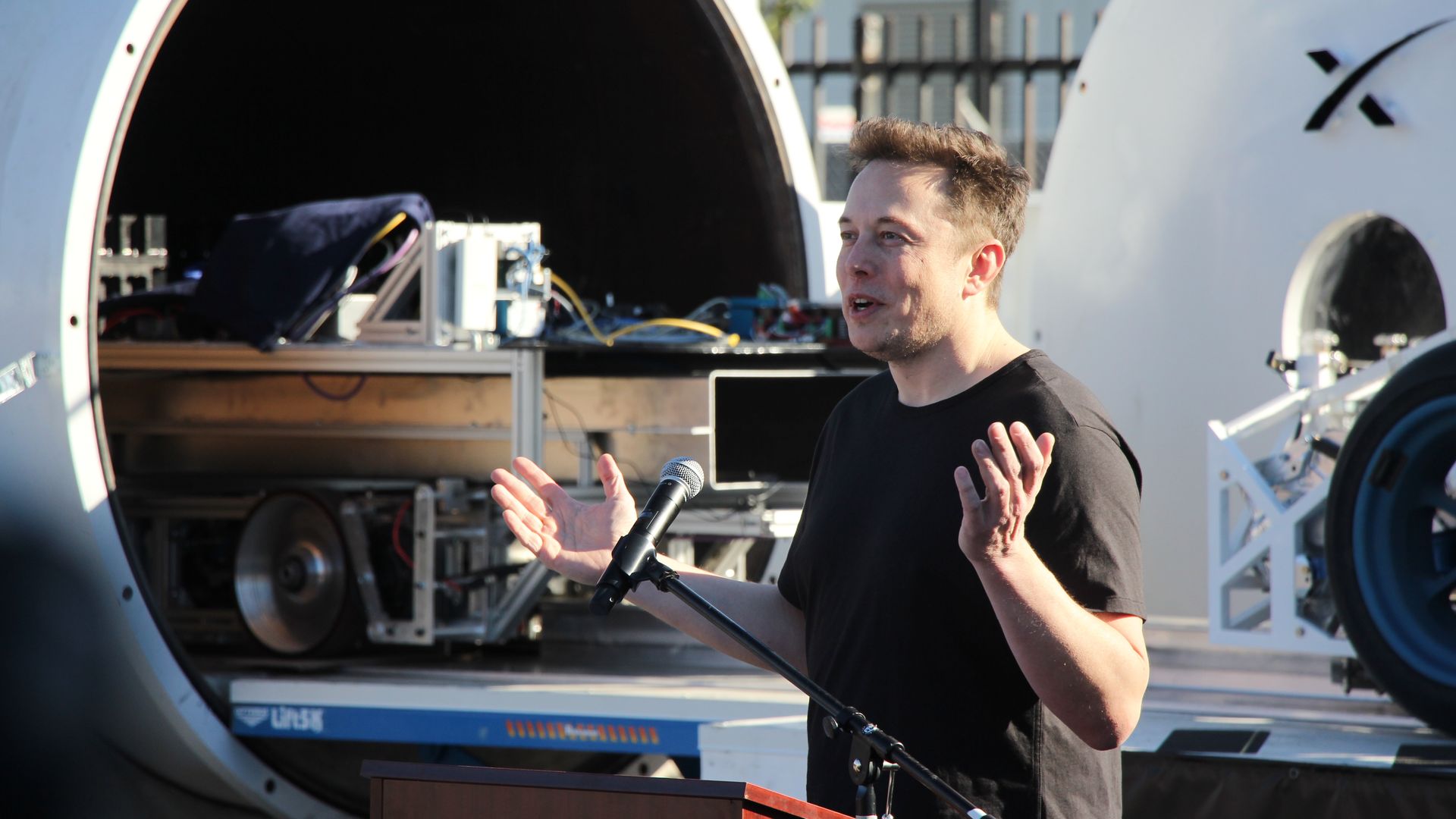
Chicago Mayor Rahm Emanuel has selected Elon Musk's The Boring Company to build a high-speed tunnel transit system to link the city's O'Hare International Airport with its downtown Loop, the Chicago Tribune reports.
The big picture: While Musk has dreamed big and delivered before with his SpaceX venture, it's a massively ambitious project for a company that is still in its fledgling stages with plenty of hype and marketing but few proven test cases of its technology.
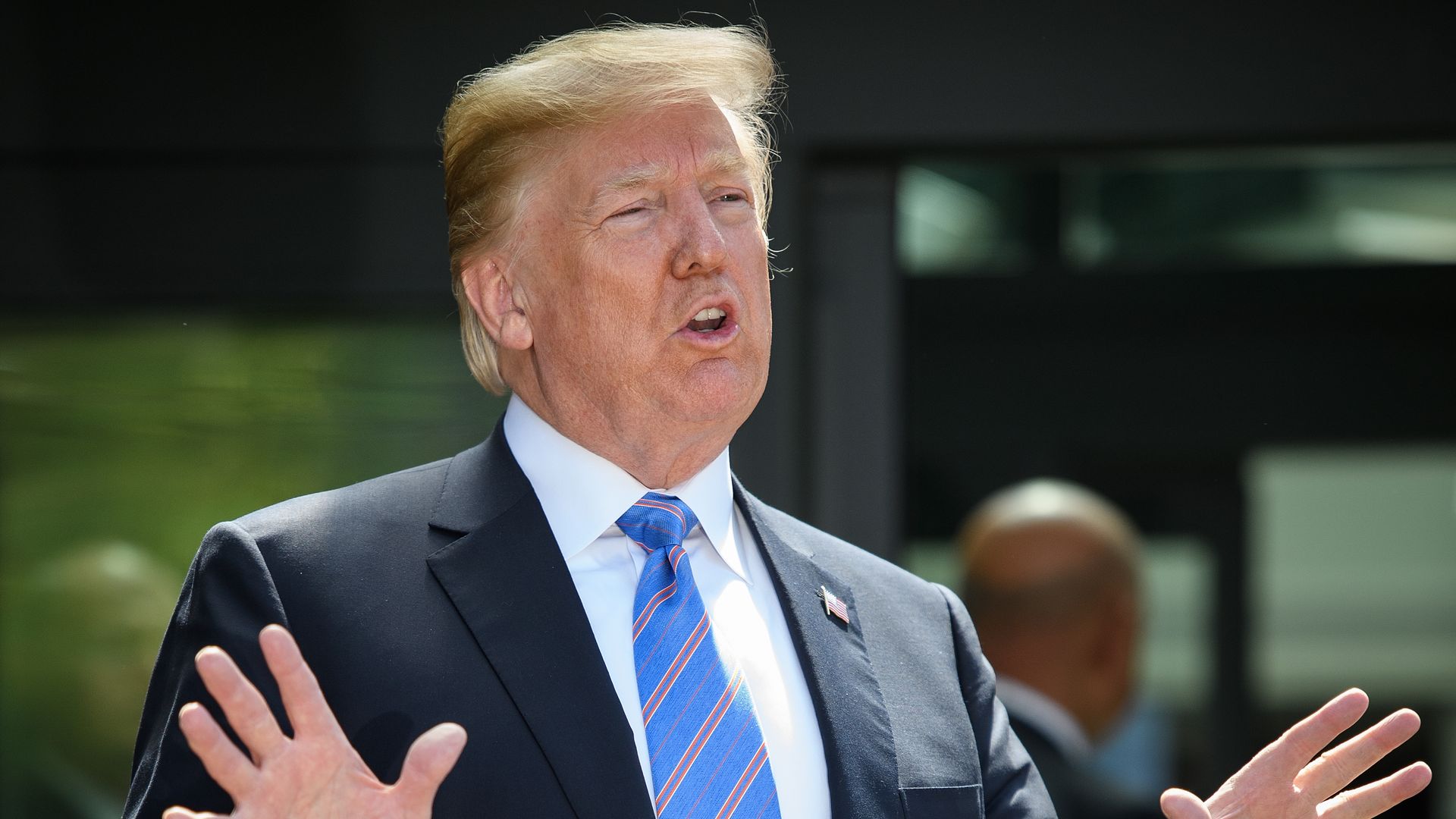
President Trump's tweet that "oil prices are too high" and "OPEC is at it again" is timed to message the cartel to boost their production and to divert attention from a Democratic offensive on pump prices, experts tell Axios.
Why it matters now: The tweet, which follows a similar April 20 tweet when Trump accused the cartel of "artificially high" prices, comes ahead of next week's critical OPEC meeting in Vienna, where oil ministers will discuss their production-cutting agreement with Russia.
Increased use of electric space and hot water heating can cut carbon emissions from U.S. homes and buildings, a major source of greenhouse gases, a new analysis from the nonprofit Rocky Mountain Institute concludes.
The big picture: The report underscores how achieving extremely steep emissions cuts in the coming decades will require far more than just increased use of low-carbon power generation sources.
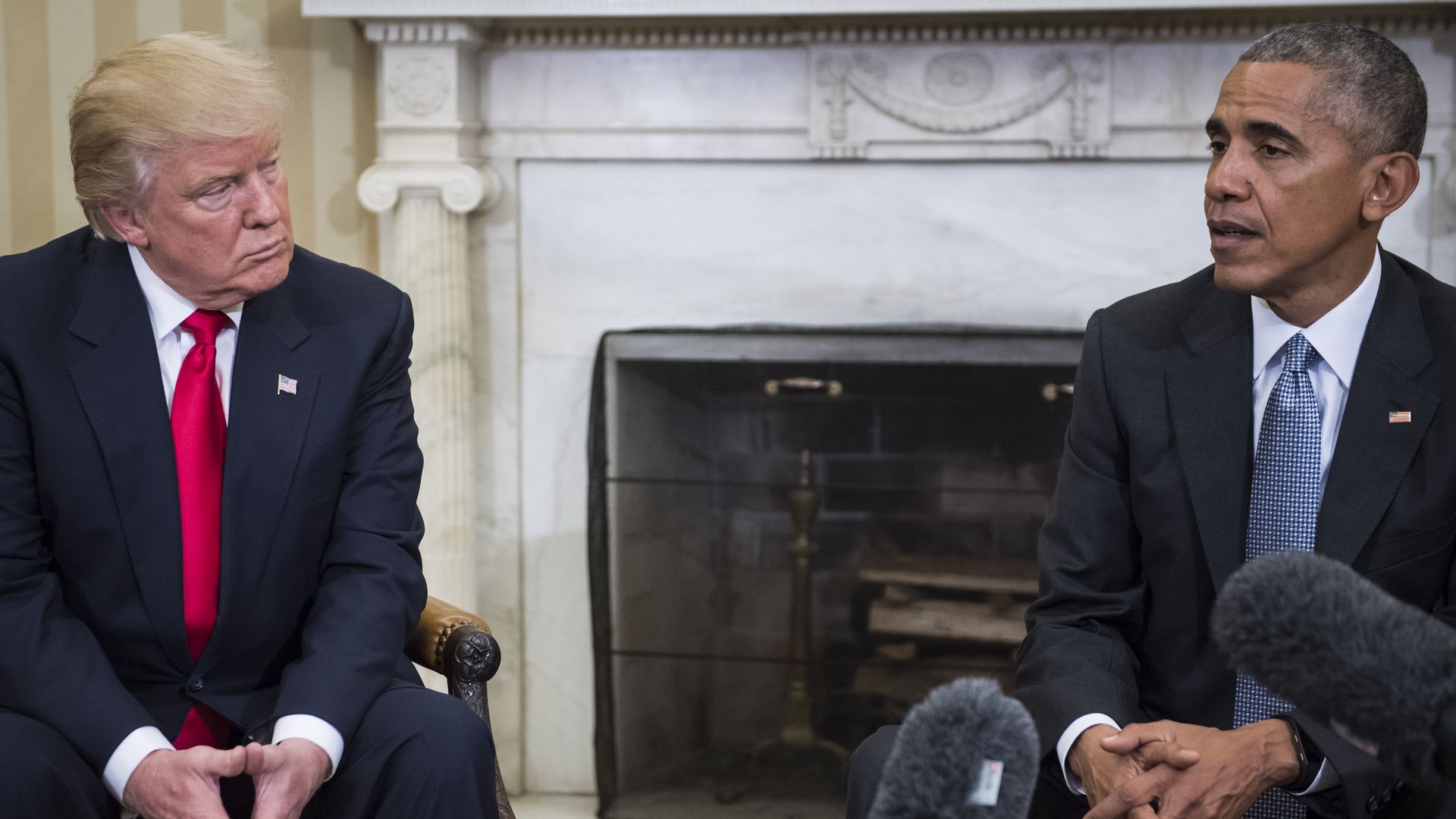
Top executives from nearly three dozen mostly manufacturing companies are urging President Trump to back a policy achieved under former President Obama that they say would create American jobs. It would also cut greenhouse gas emissions, but that went unmentioned.
Why it matters: This is a classic example of how an industry works to ensure it benefits from regulations. These companies are poised to make a profit as consumers buy new appliances, like air conditioners, with new, climate-friendly refrigerants. To them, it isn’t really about climate change.