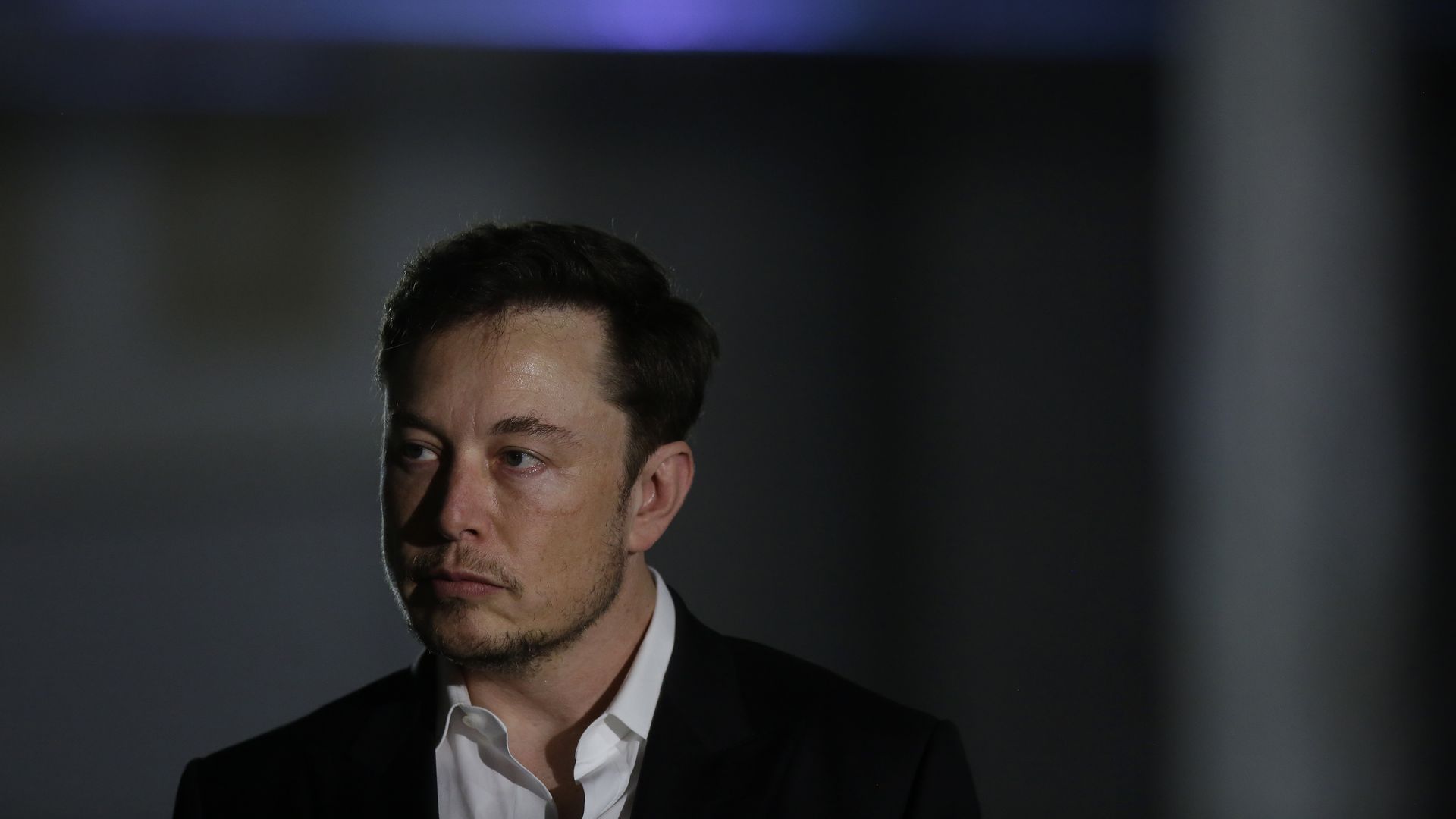
Tesla CEO Elon Musk told employees in an email on Friday night that "radical improvements are still needed" in order to hit the company's quarterly target for Model 3 production, CNBC reports.
Why it matters: Musk has been under pressure to meet his pledge of hitting a production rate of 5,000 Model 3s a week by the end of this month. Per CNBC, despite Tesla "repeatedly" missing set production and delivery goals, "[m]any investors have faith in Musk's vision."
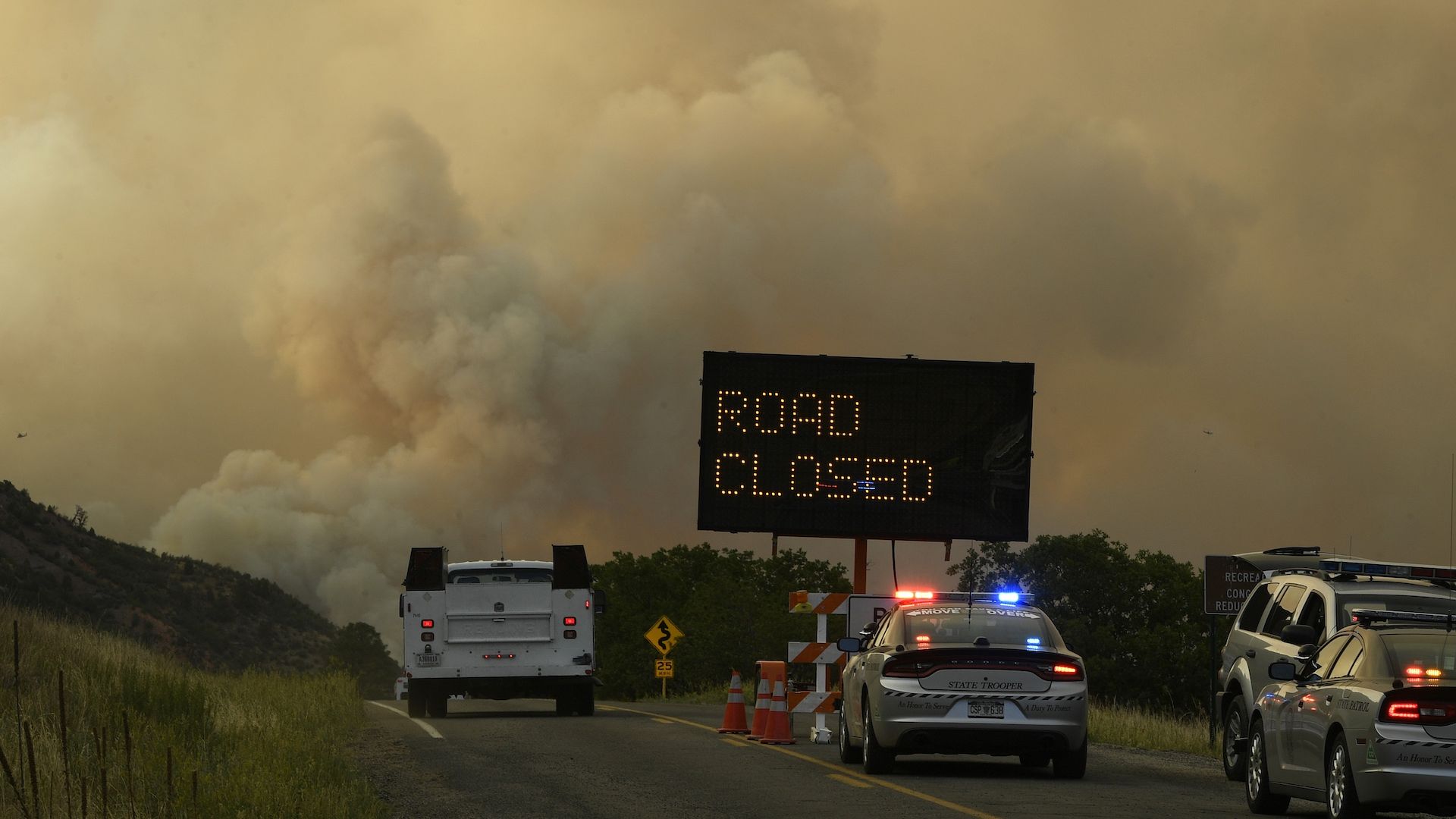
A wildfire burning in southwest Colorado's San Juan National Forest has grown to about 33,000 acres, as more than 1,100 firefighters battle the blaze. The fire, which began on June 1, has forced officials to close the forest for the first time in its 113-year history, the Denver Post reported.
Why it matters: The fire is one of dozens of blazes burning across the West, from Colorado to California. Portions of the Southwest are mired in an "exceptional drought," which is the worst possible category on the U.S. Drought Monitor.
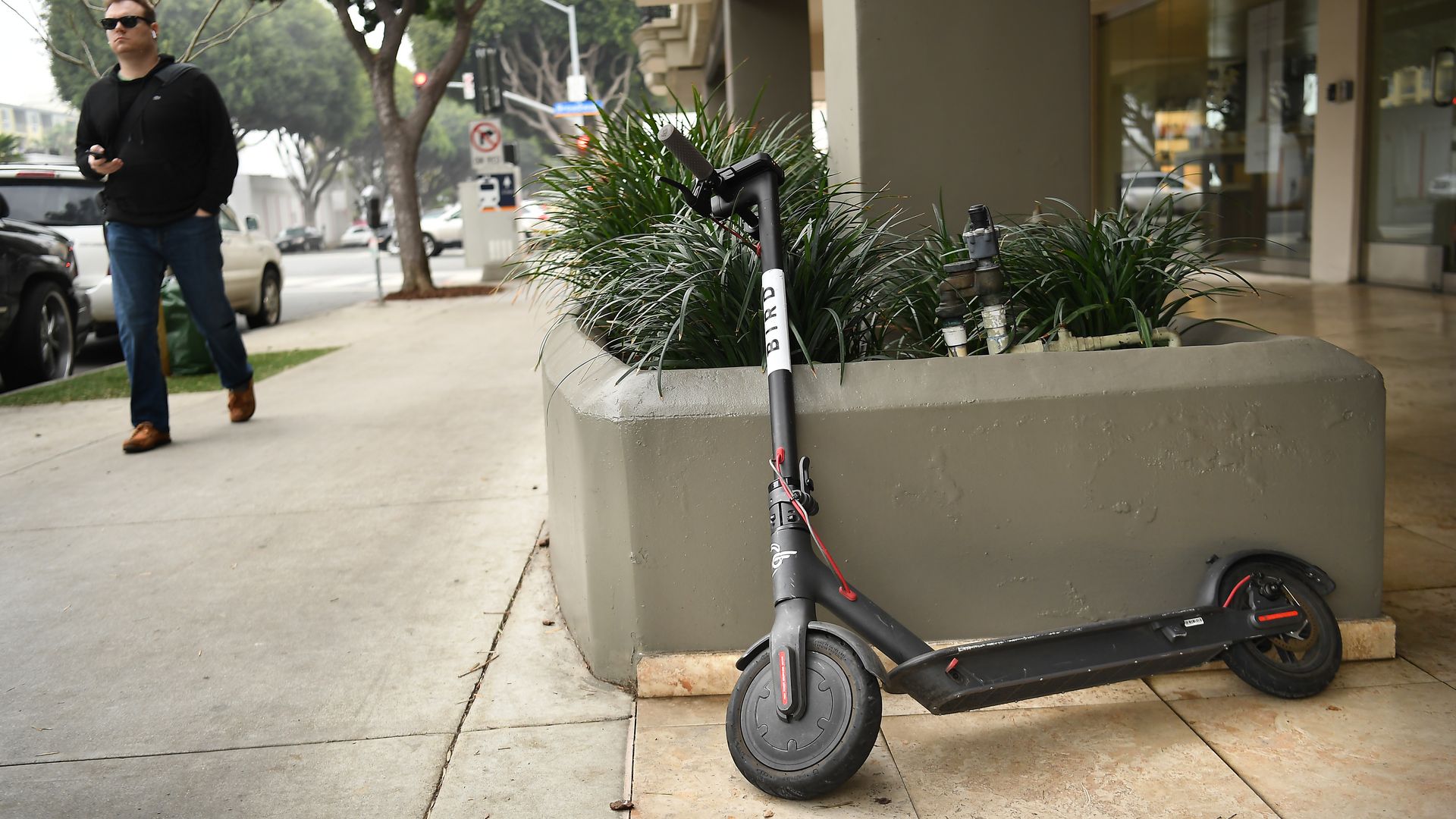
E-scooter company Bird confirmed via a state regulatory filing that it is raising new funding that could value the company at $2 billion.
The "Series C-1" round would be for up to $150 million in C-1 shares to be sold at around $11.75 per share, which is 85% higher than a Series C round for which Bird filed Delaware docs on June 1.
Bottom line: Bird expects to nearly double its value in less than a month, which is unprecedented for a transportation startup. But all indications are that it will get its money.
Top energy and investment executives attending a conference last weekend hosted by Pope Francis at the Vatican agreed a price on carbon emissions was essential in transitioning to cleaner sources of energy, according to multiple officials at the meeting.
Why it matters: This takeaway underscores how this particular policy is cementing itself as the preferred path among global oil companies in addressing climate change — even while it remains far out of reach in Washington, D.C.
A wide-ranging new report on a decade's worth of public opinion surveys shows that backing for taxing carbon emissions in the U.S. has grown, but remains limited and deeply split along partisan lines.
Why it matters: The findings are another sign of why carbon pricing proposals in the U.S. face massive hurdles, despite the view among many advocates and economists that its an essential tool for fighting climate change.