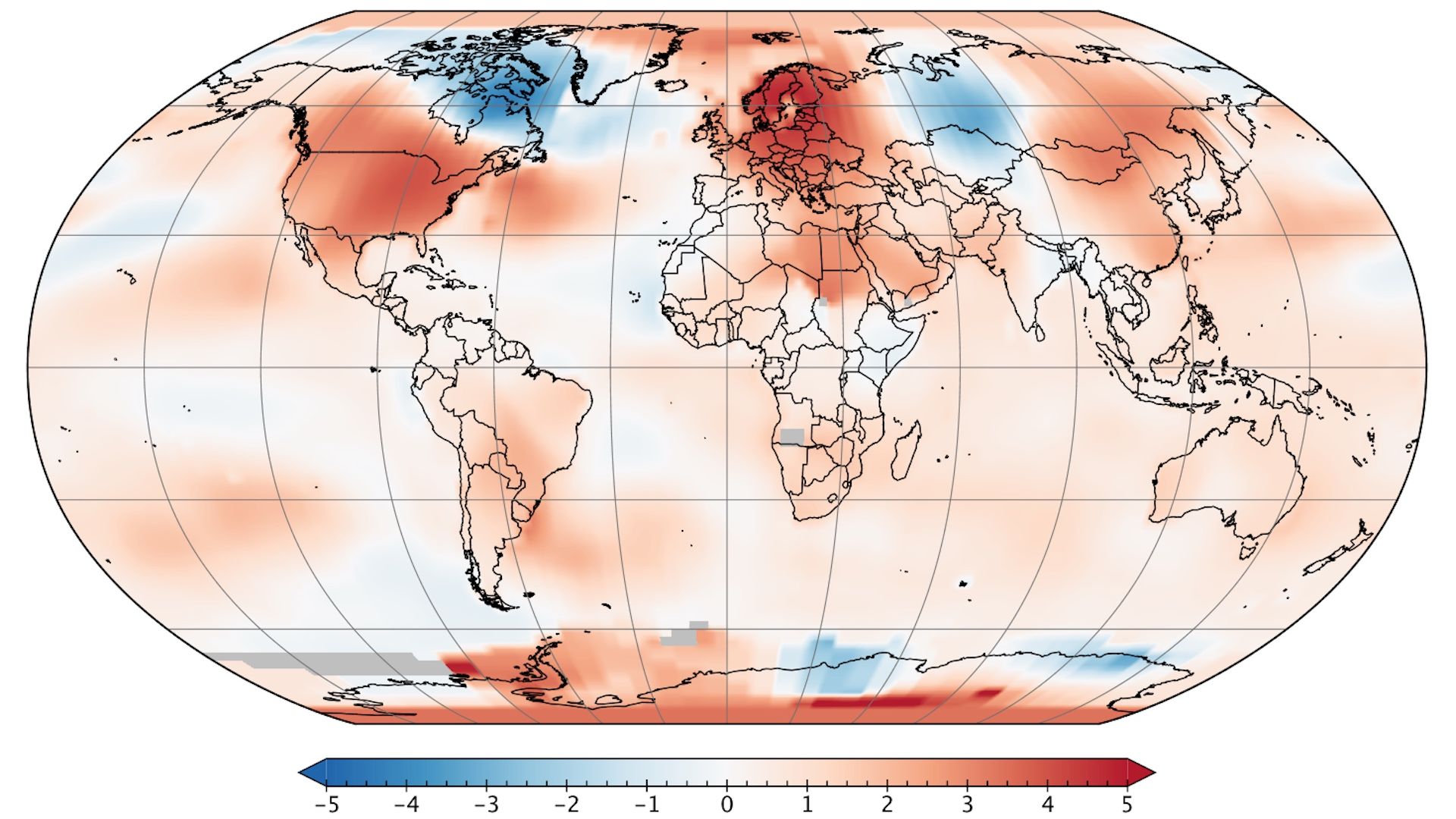
May was the fourth-warmest such month on record, according to NASA, NOAA and the Japan Meteorological Agency. In addition, NASA found that spring in the Northern Hemisphere was the third-warmest such period on record, since instrument records began in 1880.
Why this matters: The monthly temperature data is another piece in the broader picture of a changing climate, with month after month, and year after year, showing an increasing trend. Using NOAA's data, May was the 401st straight month to be warmer-than-average globally.
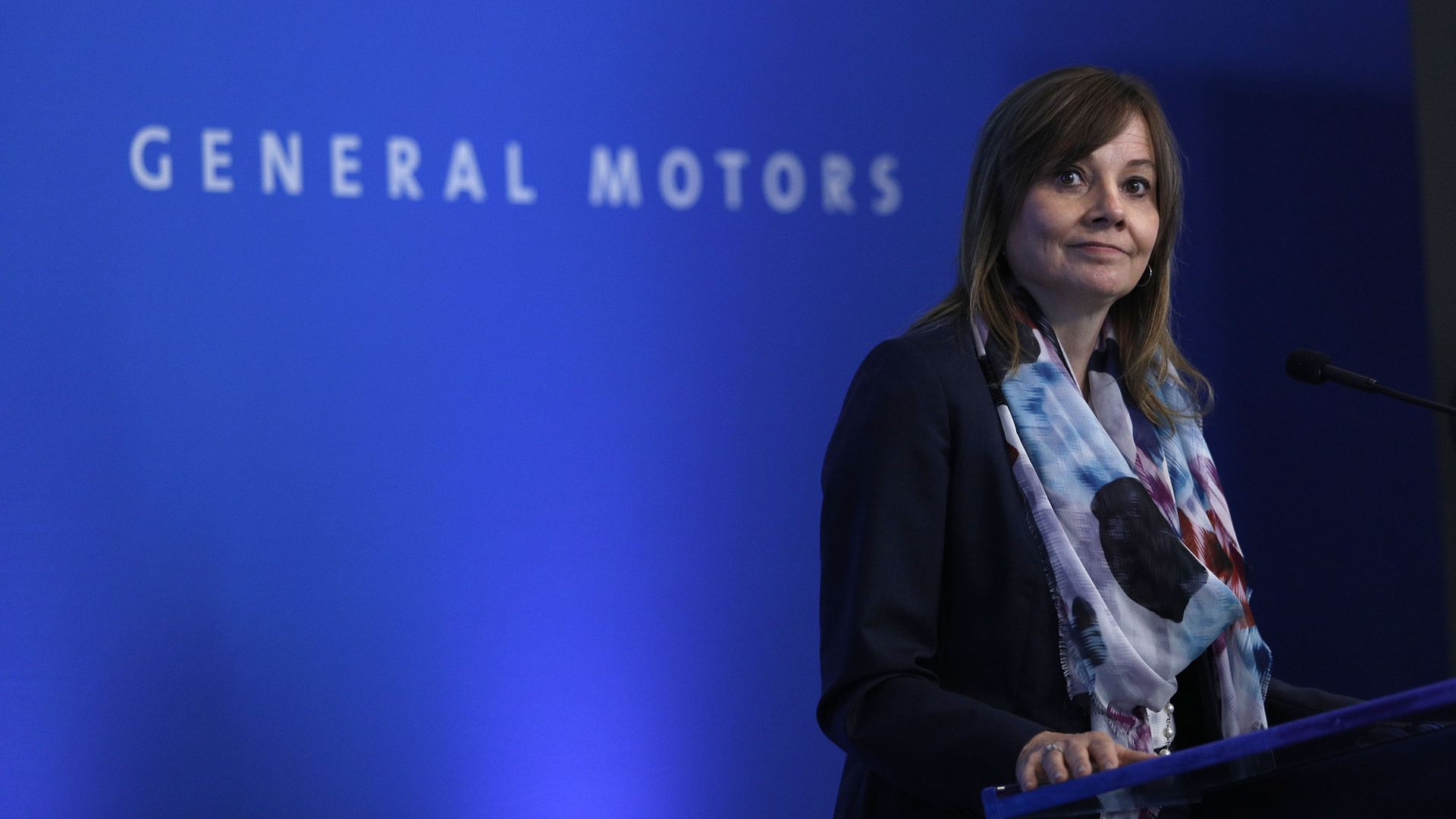
GM and Honda recently announced a deal to co-develop next-generation battery systems for future electric vehicles (EVs) in North America. Named the EME 1.0, the battery system relies on GM internal designs and is said to have a smaller footprint than current commercial models. Honda will procure battery systems from GM as part of this arrangement.
Why it matters: The firms will share development resources and costs to improve battery charge times while maintaining high energy density. In addition to their smaller footprint, these batteries couldcut manufacturing and materials costs up to 50%.
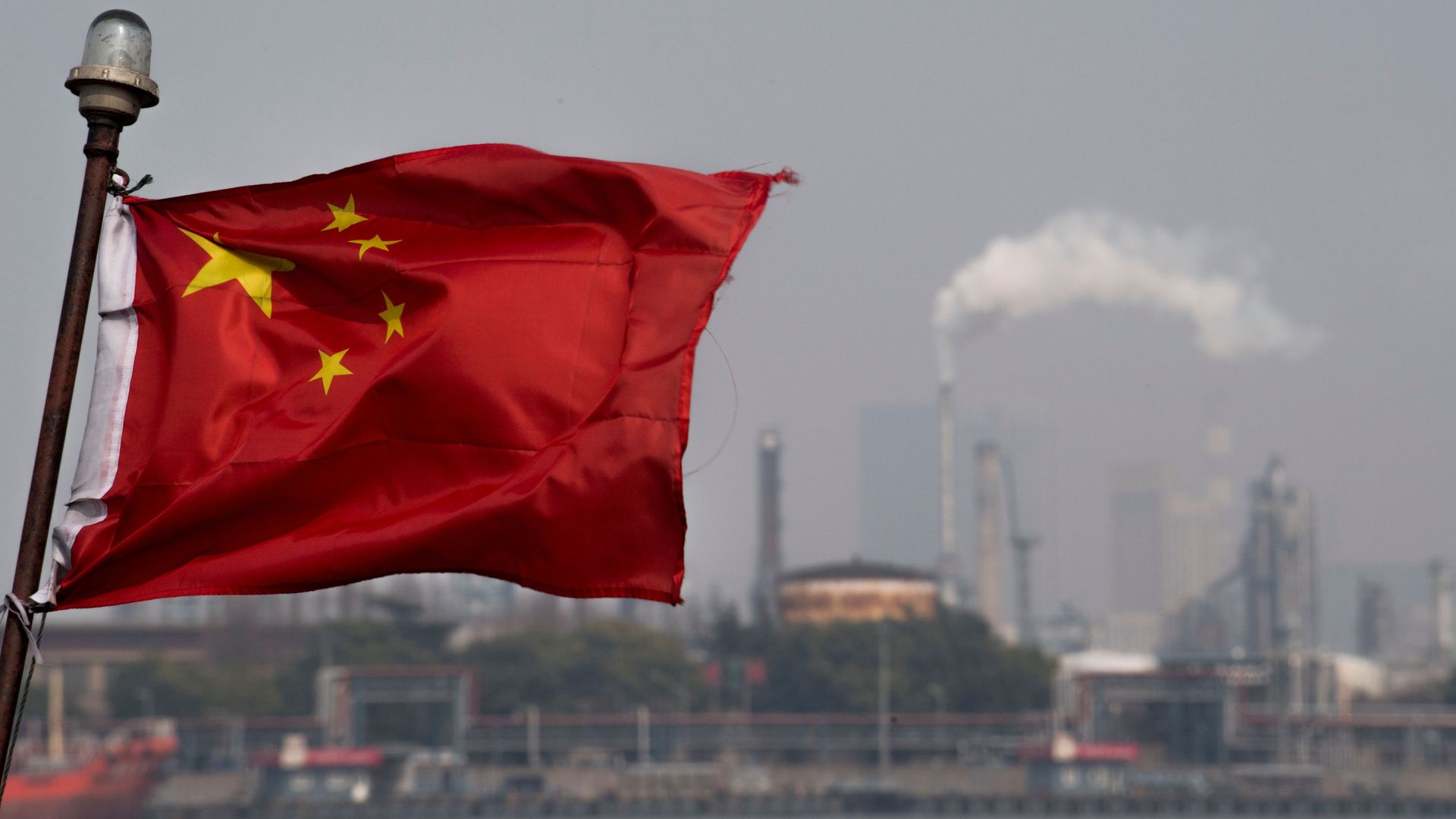
The U.S.-China trade war is no longer sparing some major energy equipment and commodities, including crude oil, while U.S. natural gas exports still remain outside the struggle.
The big picture: In recent days, analysts have been grappling with a few major questions when it comes to oil, including: how specific trade flows will be affected and whether the wider economic fallout from the U.S.-China fight will hinder worldwide oil demand.
Beef is an American food icon. It’s also the biggest culinary culprit when it comes to greenhouse gas emissions.
Why it matters: California startups are increasingly targeting carnivores with plant burgers so beef-like they bleed, as you'll see in the above video. Plus, new research is breaking down food’s impact on climate change, and potential solutions are emerging to cut down on a potent greenhouse gas that cows emit.
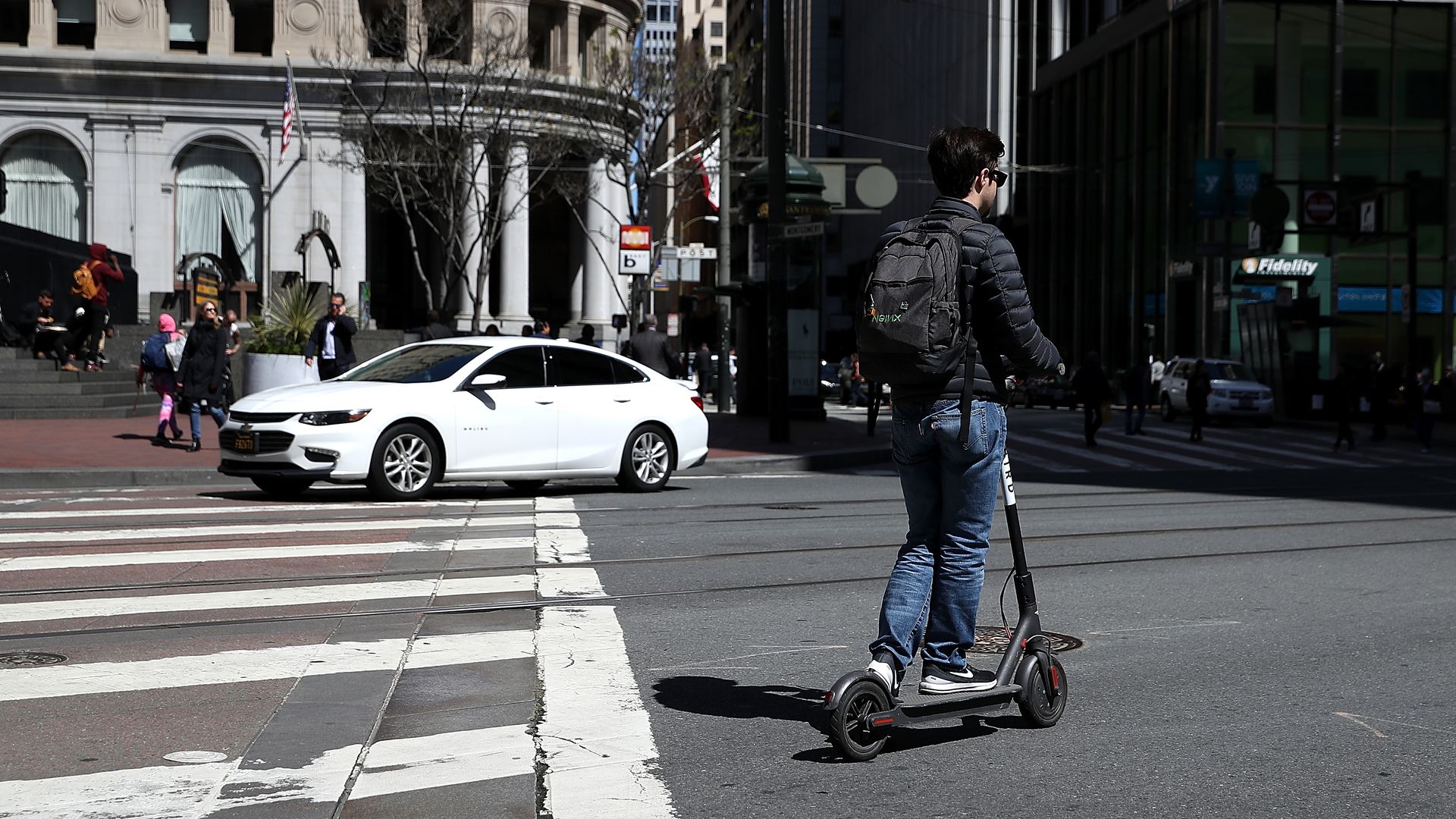
Uber and Lyft are once again in competition as they have both applied for San Francisco’s limited scooter-sharing permits — and while there are overarching similarities in their plans, there are also some key differences, including picking different scooter manufacturers.
The big picture: In total, 12 companies have applied for five permits, including scooter-centric startups Bird and Lime, original scooter brand Razor, and some lesser-known newcomers in addition to the two ride-hailing giants.