Former Volkswagen CEO Martin Winterkorn was charged in a Michigan federal court for conspiring to mislead U.S. regulators in an investigation in to the German automaker's attempts to cheat diesel emissions testing, Bloomberg reports Thursday.
The details: Winterkorn resigned following the scandal going public in September of 2015 when Volkswagen admitted to installing illegal software in 11 million cars worldwide "that allowed the vehicles to recognize when they were being tested in laboratory conditions, and to reduce emissions to meet acceptable levels," per Bloomberg.
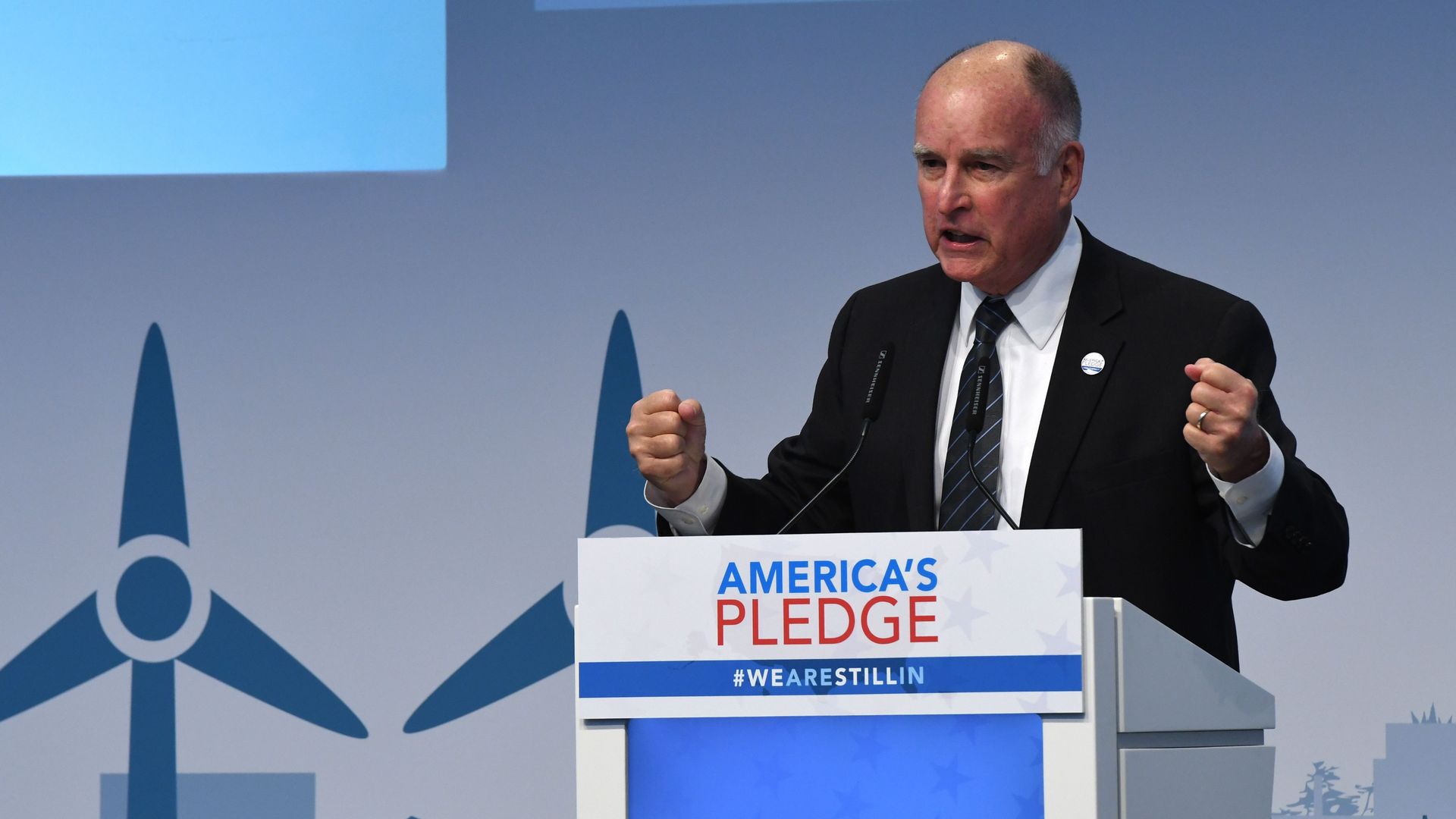
Last month, Governor Jerry Brown flew to Toronto to bolster support for the 2017 California–Canada cap-and-trade alliance. At home, though, Brown has faced criticism for pursuing market-based policies to reduce fossil-fuel consumption, rather than calling for a state-wide freeze on new drilling.
Why it matters: The California debate illustrates a larger conflict within the environmental movement: Many insist upon the most aggressive climate change policies, but for both electoral and economic reasons, climate change can't be addressed solely by government fiat. To drive change at scale, the government must also engage market forces to create better and cheaper alternative energy sources, cars, homes, buildings and transportation systems.
A climate policy pursued under former President Obama is poised to create thousands of jobs and lower America’s trade deficit, according to a report backed by a trade group representing some 300 companies in the air conditioning, heating and refrigeration industries.
Why it matters: Usually it’s the other way around, with industry slamming an Obama-era regulation. This issue — phasing down refrigerants that emit powerful greenhouse gas emissions — flips conventional wisdom on its head. The reason why is simple, and it has nothing to do with climate change: Companies like Honeywell, Trane and Carrier have invested millions of dollars adapting to what they have long expected the policy to be, and they want to make sure their investments aren’t wasted.
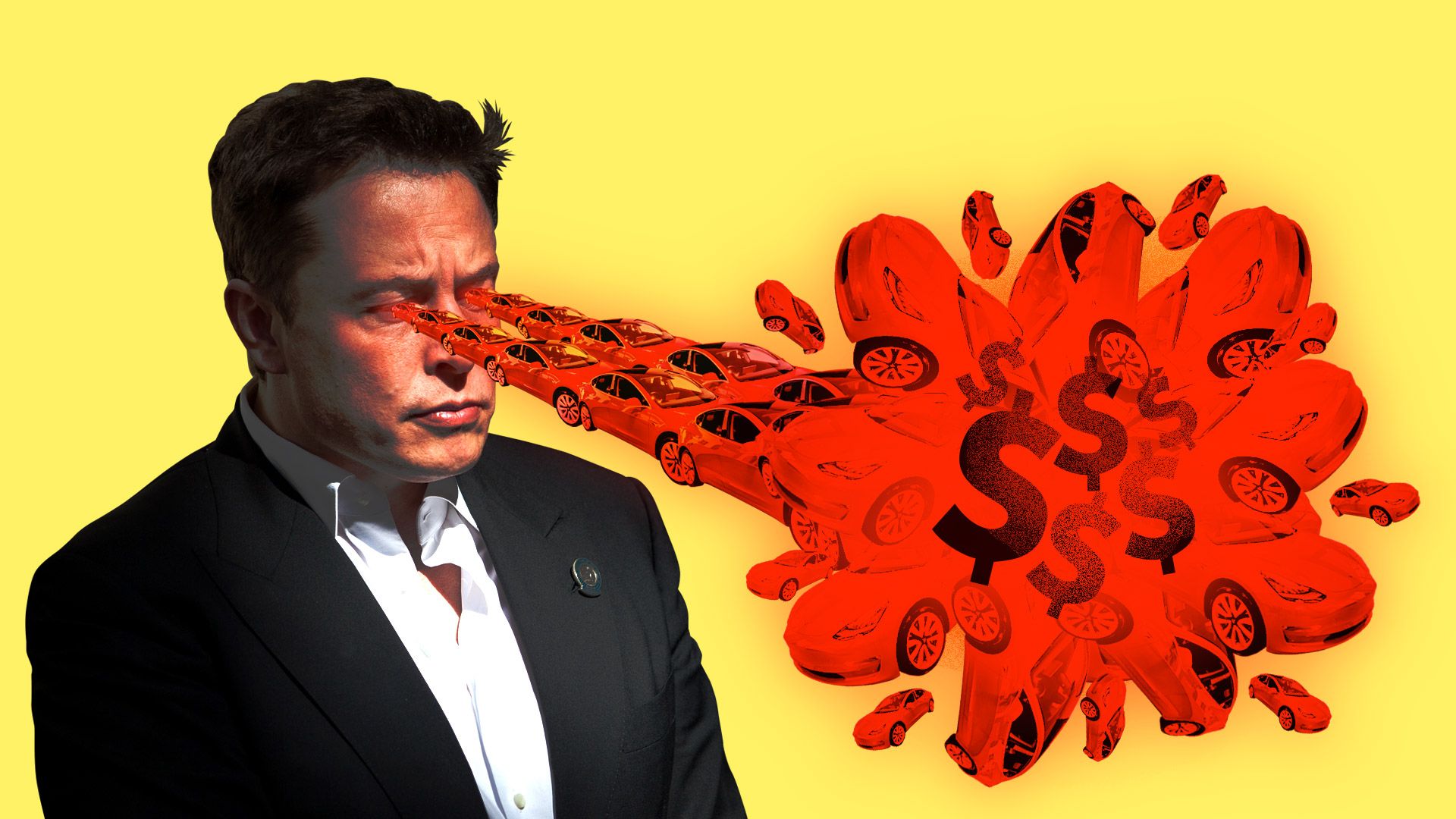
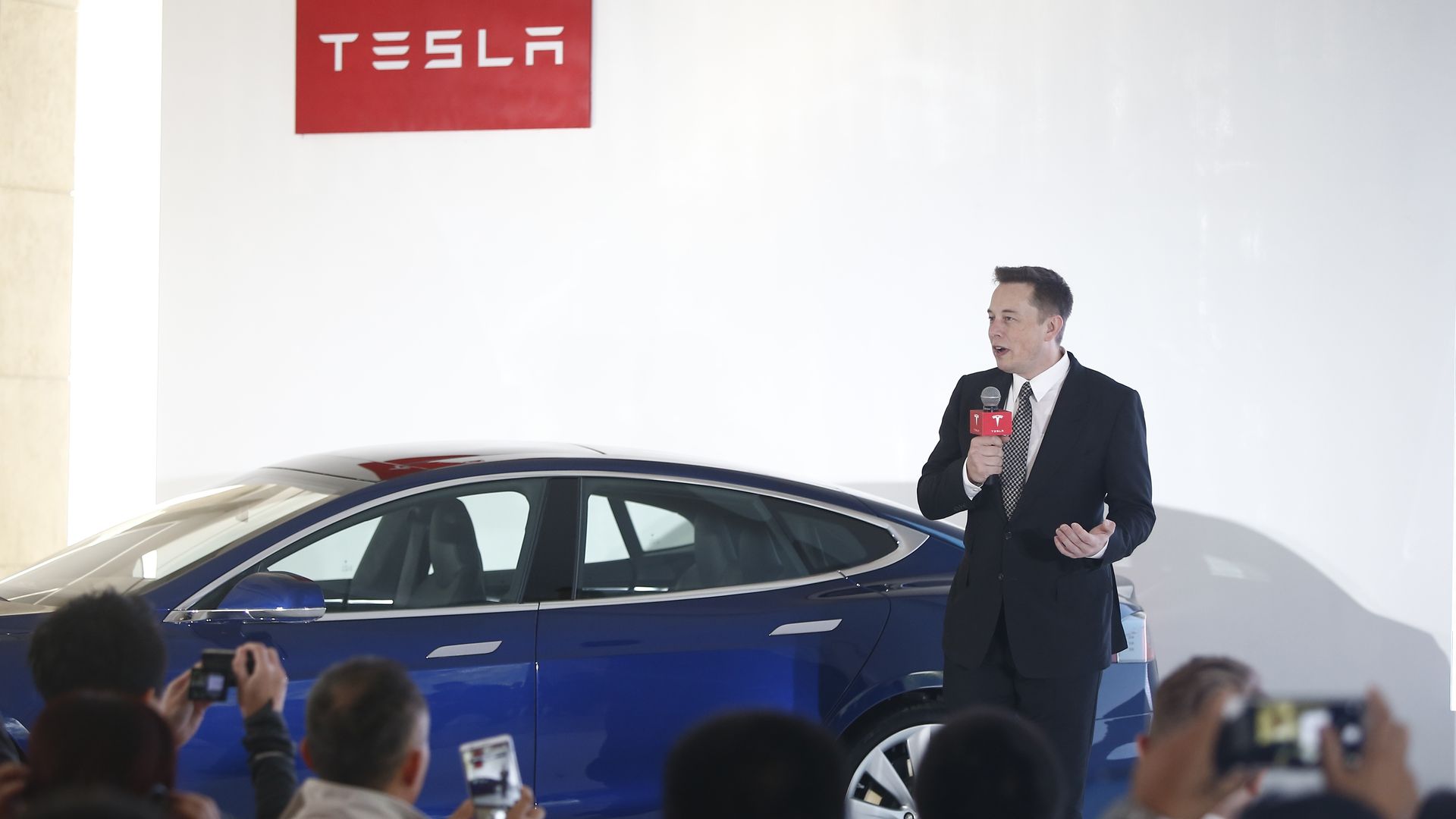
Call him erratic: Tesla CEO Elon Musk eagerly told analysts he's on the right path, refused to answer questions he called "boring," and told off a broker whose clients, he said, can't tolerate market volatility.
Why it matters: By the time Tesla's first-quarter earnings call was over Wednesday evening, its share price had dropped by 4.5%.
Tesla's revenue was $3.4 billion in the first quarter of the year, better than analyst estimates, while its losses were less than expectations as the company said it made "significant progress" on ramping up production of the Model 3.
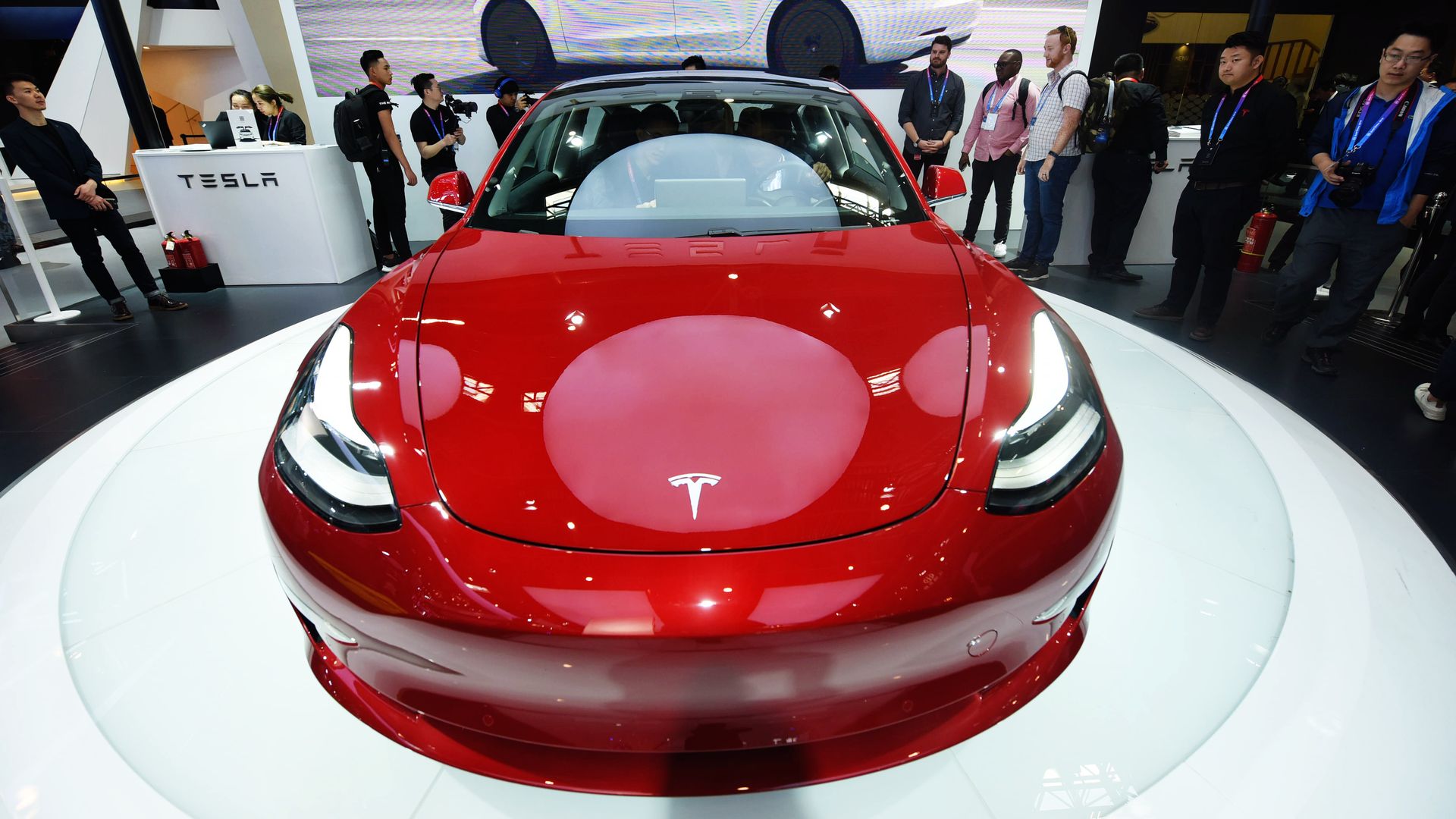
Why it matters: Tesla is under growing pressure to increase Model 3 production and stop hemorrhaging cash. The company said it made more than 2,000 Model 3s per week for 3 straight weeks during the quarter (below earlier estimates), but as it gets to 5,000 per week the company reiterated it will be profitable later this year.
After markets close, Tesla will report its first quarter earnings and then Elon Musk will hold a conference call where he's certain to face questions about the state of the Model 3 production.
Why it matters: The Silicon Valley automaker is under the microscope more than ever after repeatedly missing production targets for the mass-market car launched last year that's key to the company's future.
Why it matters: Despite big gains and cost reductions in renewables deployment as well as the expansion of carbon pricing, wringing CO2 out of the global economy on a large scale is not happening nearly fast enough to prevent highly dangerous levels of warming.
The EPA signaled last month that it would make good on a longstanding promise to roll back Obama-era vehicle fuel-economy standards, a historic bargain struck between the Obama administration, the auto industry and the state of California in 2010.
Why it matters: In response, California and 16 other states (plus the District of Columbia) fired a first shot across the bow on Tuesday, challenging the April announcement in court. This lawsuit portends a protracted legal fight over the future of the country's fuel-economy standards and the ability of states to set their own.