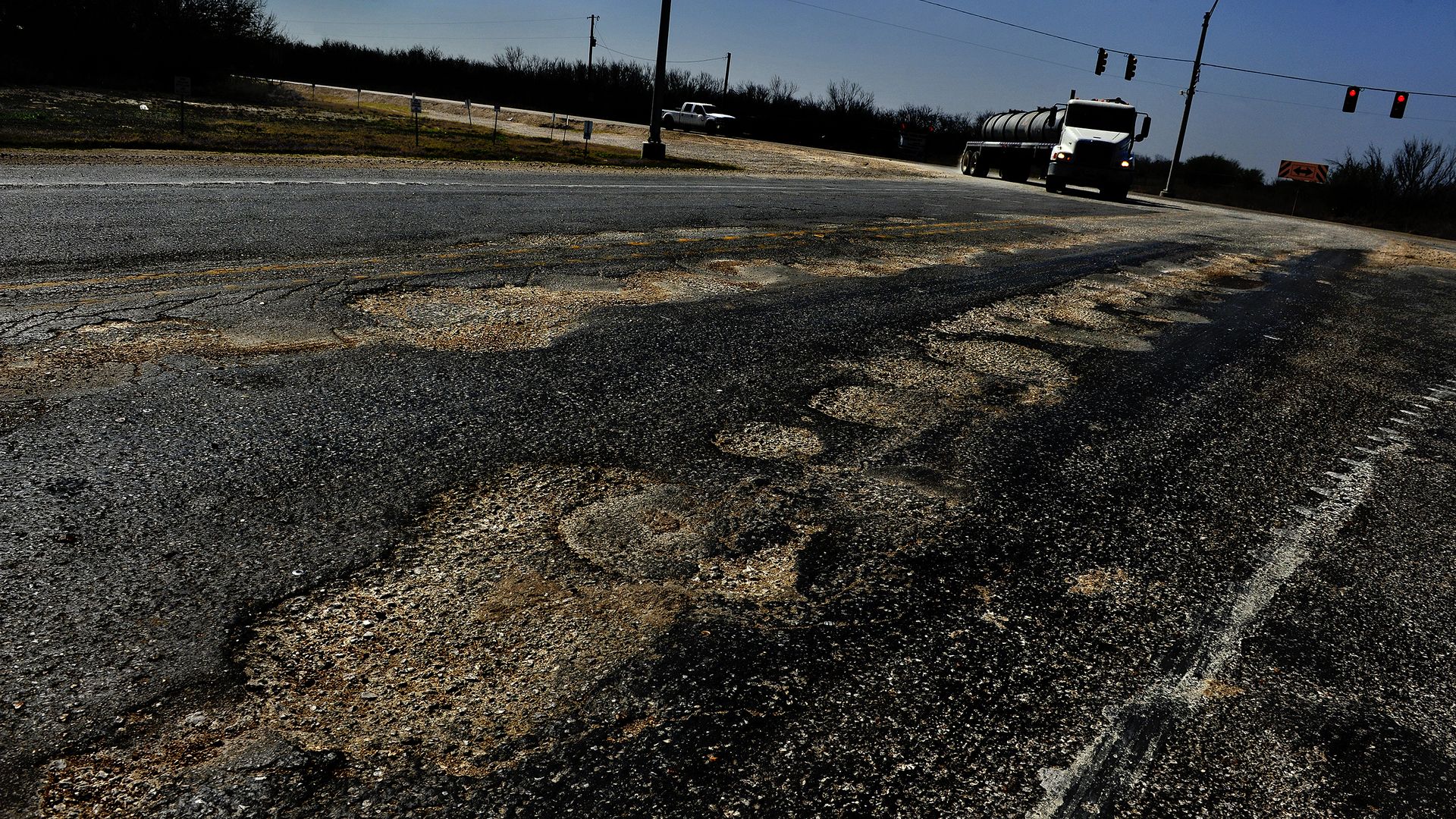
Every month in the West Texas Permian Basin, energy producers drill hundreds of new long-lateral oil and gas wells, an increasing number of which reach 20,000 feet in length and require the transportation of pipe, sand, water and oil weighing more than the Empire State Building.
Why it matters: Unconventional oil and gas development employing horizontal drilling and fracking, like the kind occurring in Texas, is dramatically more transportation-intensive than traditional models. The movement of such huge quantities of construction materials via truck has had a destructive effect on local roads.
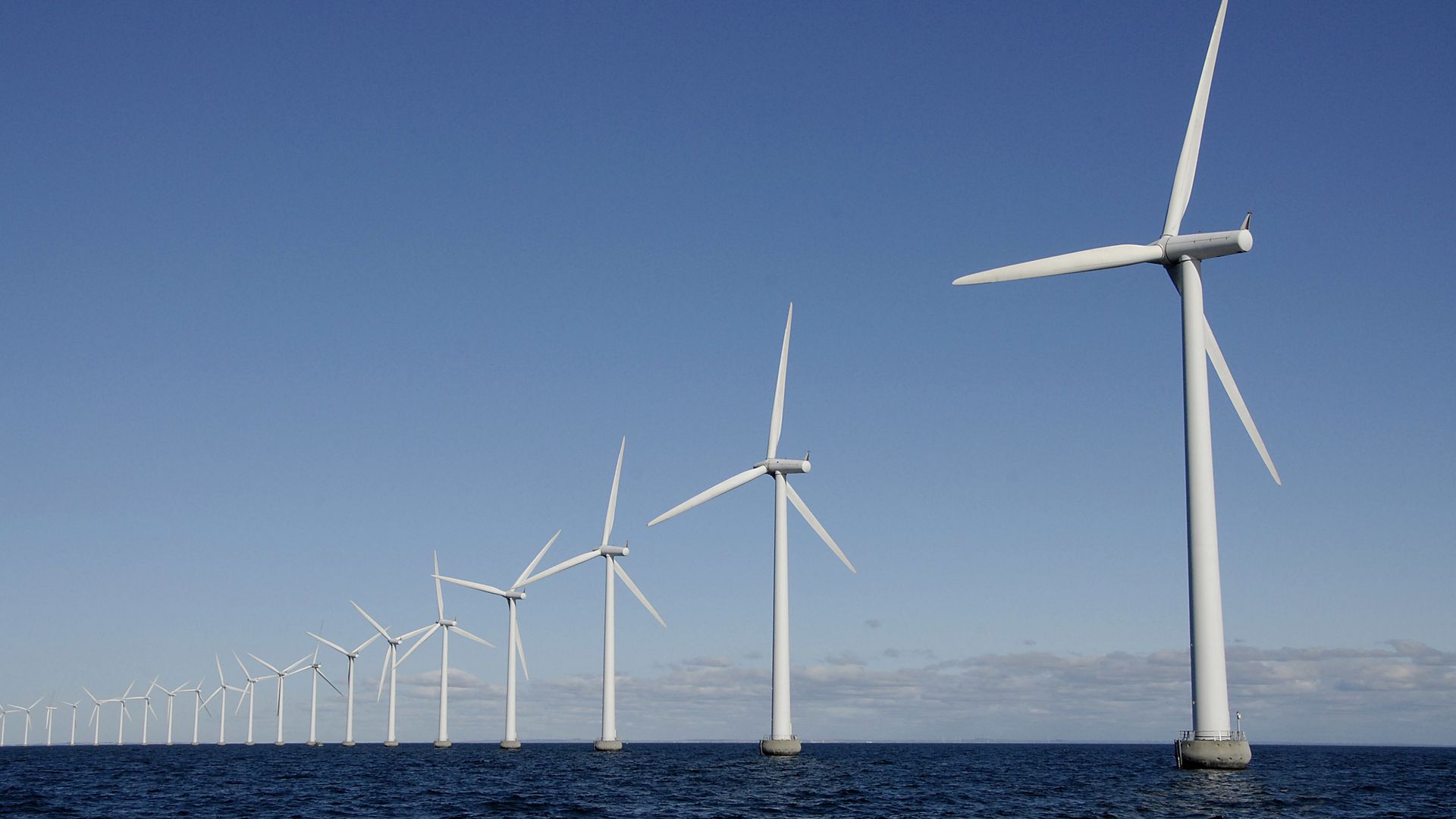
The International Energy Agency sees a growing role for offshore wind worldwide — with growing investment needed — in a future low-carbon energy mix that meets the goals of the Paris climate deal.
Why it matters: Right now, offshore wind provides just 0.2% of global power.
Former Volkswagen CEO Martin Winterkorn was charged in a Michigan federal court for conspiring to mislead U.S. regulators in an investigation in to the German automaker's attempts to cheat diesel emissions testing, Bloomberg reports Thursday.
The details: Winterkorn resigned following the scandal going public in September of 2015 when Volkswagen admitted to installing illegal software in 11 million cars worldwide "that allowed the vehicles to recognize when they were being tested in laboratory conditions, and to reduce emissions to meet acceptable levels," per Bloomberg.
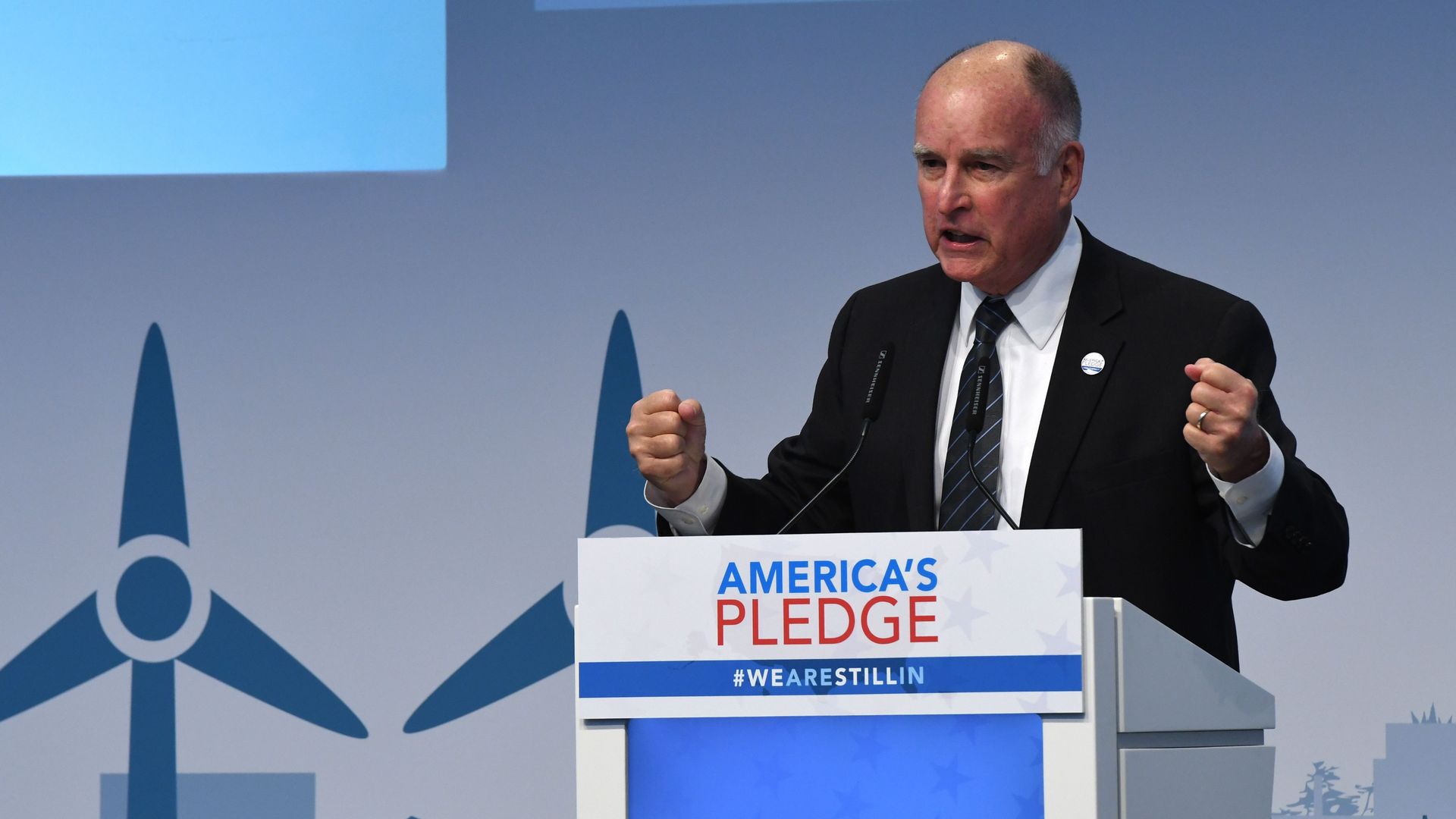
Last month, Governor Jerry Brown flew to Toronto to bolster support for the 2017 California–Canada cap-and-trade alliance. At home, though, Brown has faced criticism for pursuing market-based policies to reduce fossil-fuel consumption, rather than calling for a state-wide freeze on new drilling.
Why it matters: The California debate illustrates a larger conflict within the environmental movement: Many insist upon the most aggressive climate change policies, but for both electoral and economic reasons, climate change can't be addressed solely by government fiat. To drive change at scale, the government must also engage market forces to create better and cheaper alternative energy sources, cars, homes, buildings and transportation systems.
A climate policy pursued under former President Obama is poised to create thousands of jobs and lower America’s trade deficit, according to a report backed by a trade group representing some 300 companies in the air conditioning, heating and refrigeration industries.
Why it matters: Usually it’s the other way around, with industry slamming an Obama-era regulation. This issue — phasing down refrigerants that emit powerful greenhouse gas emissions — flips conventional wisdom on its head. The reason why is simple, and it has nothing to do with climate change: Companies like Honeywell, Trane and Carrier have invested millions of dollars adapting to what they have long expected the policy to be, and they want to make sure their investments aren’t wasted.
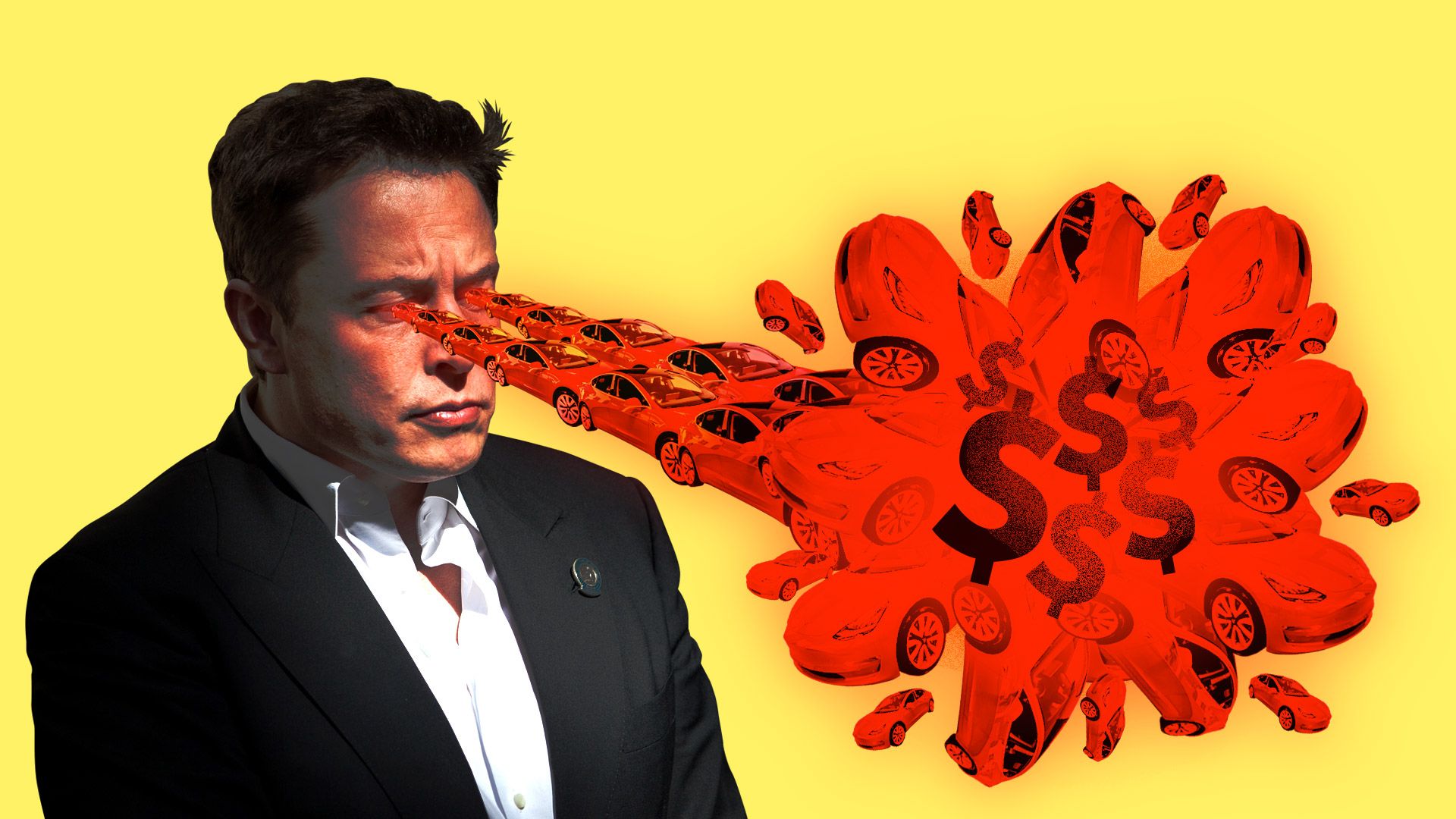
Call him erratic: Tesla CEO Elon Musk eagerly told analysts he's on the right path, refused to answer questions he called "boring," and told off a broker whose clients, he said, can't tolerate market volatility.
Why it matters: By the time Tesla's first-quarter earnings call was over Wednesday evening, its share price had dropped by 4.5%.