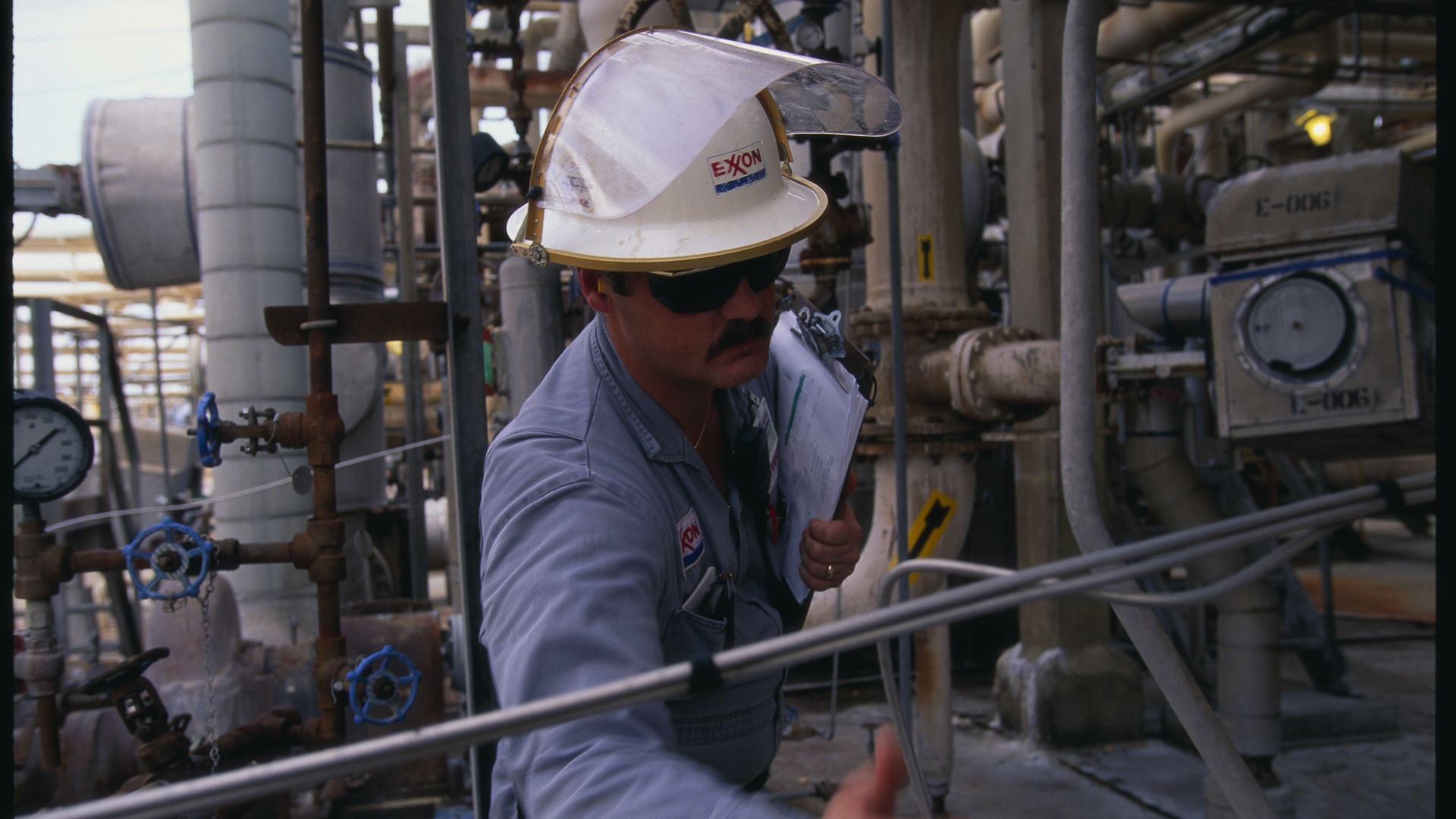
ExxonMobil is tripling its daily oil production in the Permian basin to more than 600,000 oil-equivalent barrels by 2025, the oil giant said Tuesday. It's also spending more than $2 billion to upgrade its transportation infrastructure in West Texas and New Mexico.
Why it matters: Exxon says the tax law has created an "environment for increased future capital," but these investments are also largely being driven by rising oil prices. Exxon’s announcement will likely please the White House and Republicans who have pitched reducing the corporate tax cuts from 35% to 21% as a boost for American workers and the economy.
Oil-and-gas behemoth ExxonMobil's newly announced plan to invest $50 billion in the U.S. over five years became quickly entangled in Beltway politics Monday — with an assist from the company itself.
Why it matters: Top Republicans, going further than the company's announcement, promoted the spending as a direct result of the new tax overhaul. The messaging burst shows how business decisions are now tethered to the volatile politics of the GOP's biggest win of the Trump era.
Bob Dudley, who has been CEO of BP since a few months after the firm’s 2010 oil spill, sat down recently with Axios in Washington for a wide-ranging interview. Here are excerpts from the interview, and links to other coverage from the conversation.
Dudley said the industry-wide lessons learned from BP’s 2010 well blowout, the largest in U.S. history, ensures companies won’t let up on safety no matter how the Trump administration overhauls federal regulations.
States have long been the battlegrounds where energy policies rise and fall, given the federal government’s bipartisan unwillingness to really tackle the issue.
This is truer than ever under President Trump, whose agenda is somewhere between status quo and rolling back everything his predecessor did. In just the last few days, we’ve seen several developments that indicate state-level policies are, like the states themselves, all over the map.
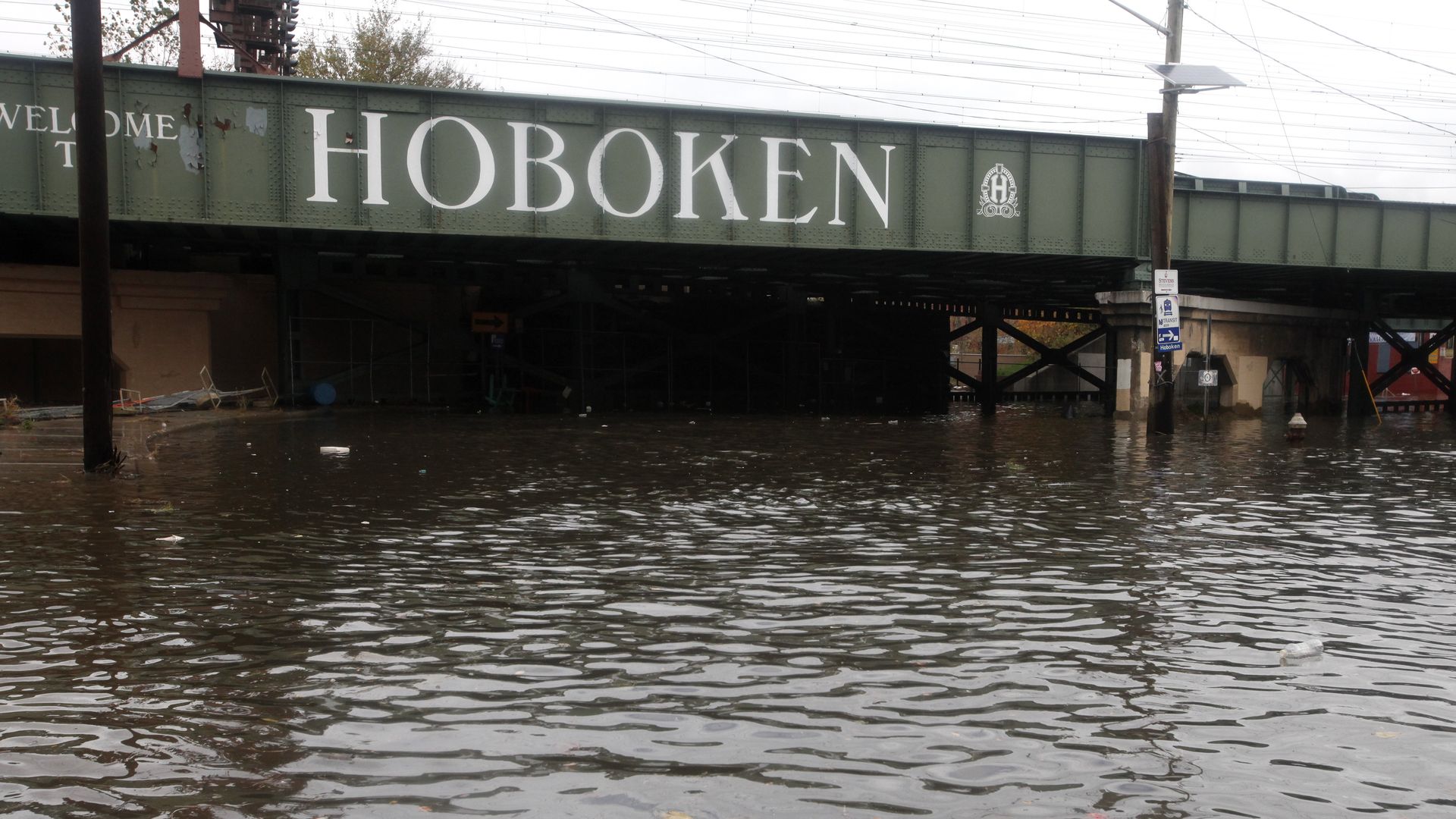
New Jersey Governor Phil Murphy signed an executive order Monday directing the state to rejoin the Regional Greenhouse Gas Initiative, a nine-state carbon trading exchange.
Why it matters: New Jersey was a founding member of RGGI, established in 2009 as a cooperative effort to cap and reduce CO2 emissions. Former Governor Chris Christie withdrew from the initiative in 2012, causing the state to miss out on $279 million in revenue from emissions credit auctions.
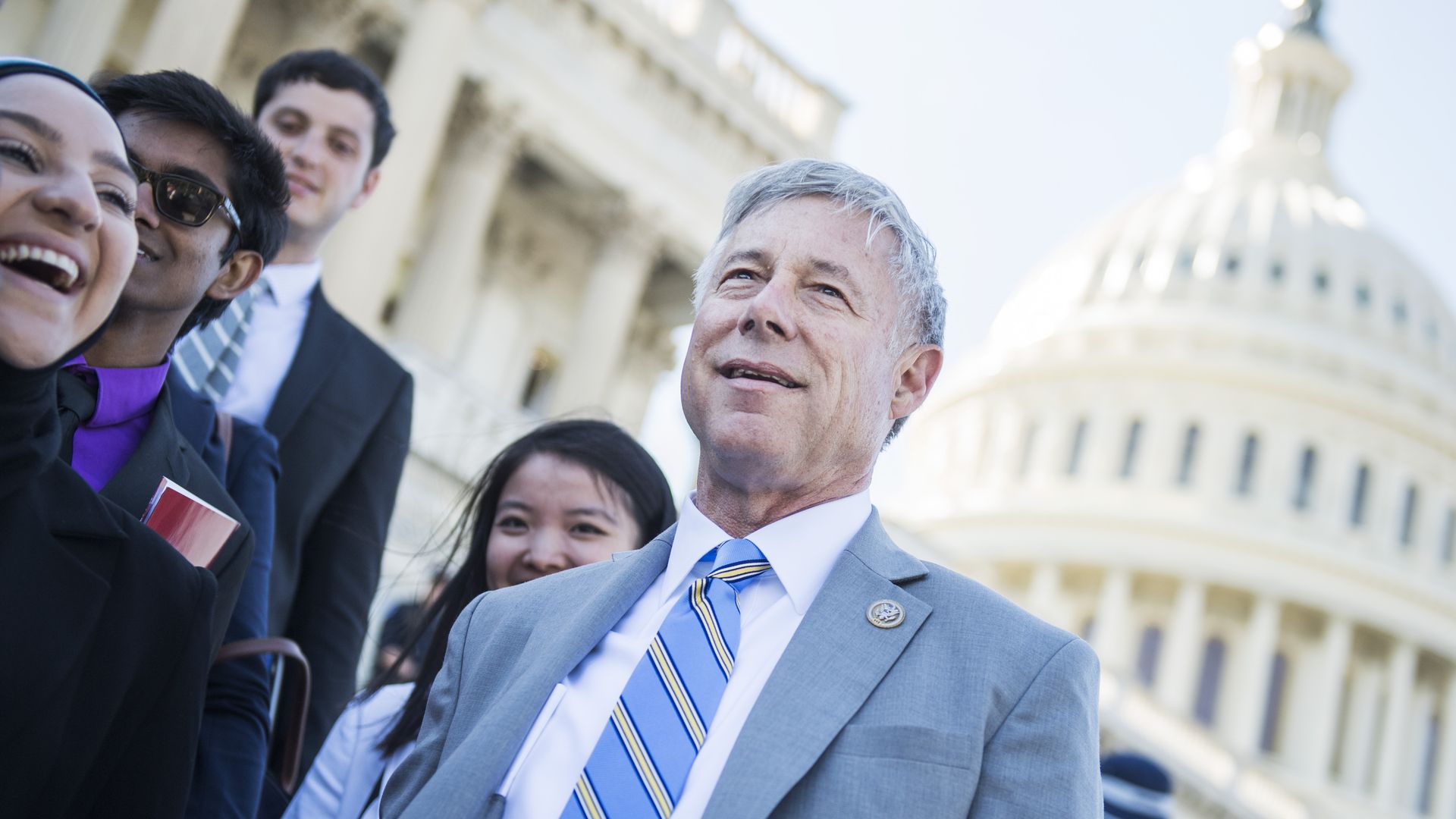
Let's explore the fallout of prominent GOP Rep. Fred Upton's decision, broken by Axios on Friday, to join the bipartisan Climate Solutions Caucus.
Why it matters: The responses seen below highlight some of the strategic divides running through the climate movement on working with fossil fuel industry allies.
What they're saying:
"Perhaps one of the reasons this caucus has been unable to craft any policies at all so far is because it has been infiltrated by people who have proved to do and say anything to defend the fossil fuel industry," the Sierra Club, one of the nation's most prominent green groups, said in a statement.
"Continuing to expand fossil fuel production, as Fred Upton would have us do, is precisely the opposite of what a climate leader should be doing," said David Turnbull, head of strategic communications for the group Oil Change International.
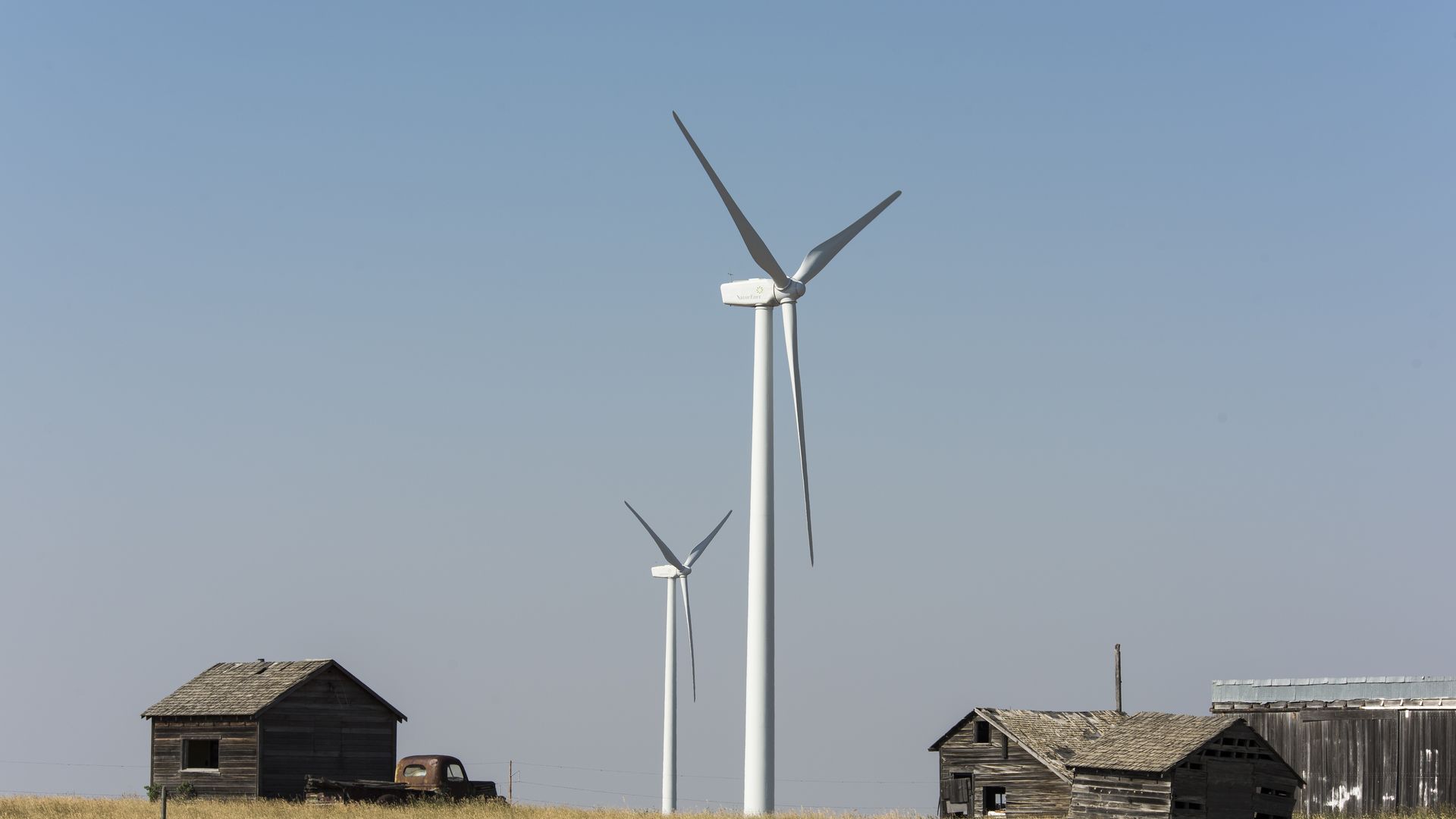
After investing billions of dollars into renewables 20 years ago and then mostly bailing after big losses, oil giant BP is ramping back up in this space.
Why it matters: BP’s new moves are one of the most concrete signs the world’s biggest oil companies areslowly investing more in greener businesses, driven by a handful of market and policy trends. The investments represent just a drop in the bucket of the oil producers’ businesses, but they’re nonetheless happening despite President Trump’s agenda.