Why it matters: Oklahoma never used to experience many earthquakes, but since 2009, a number of damaging temblors have shaken the area. "State regulators could cut about in half the number of man-made quakes by restricting deep injections in the ground," study author Thea Hinck told the Associated Press.
Cameras mounted on polar bears have captured the fine line between feast and famine that characterizes bear life. In a study published Thursday in the journal Science, researchers found that polar bears burn more calories while hunting than previously believed.
Why it matters: Some populations of bears — including these bears on the Beaufort Sea — are in decline. As the Arctic warms and sea ice melts, bears will have to travel farther each hunting season. This study provides a baseline that will help researchers understand the impacts of climate change on polar bears in the future.
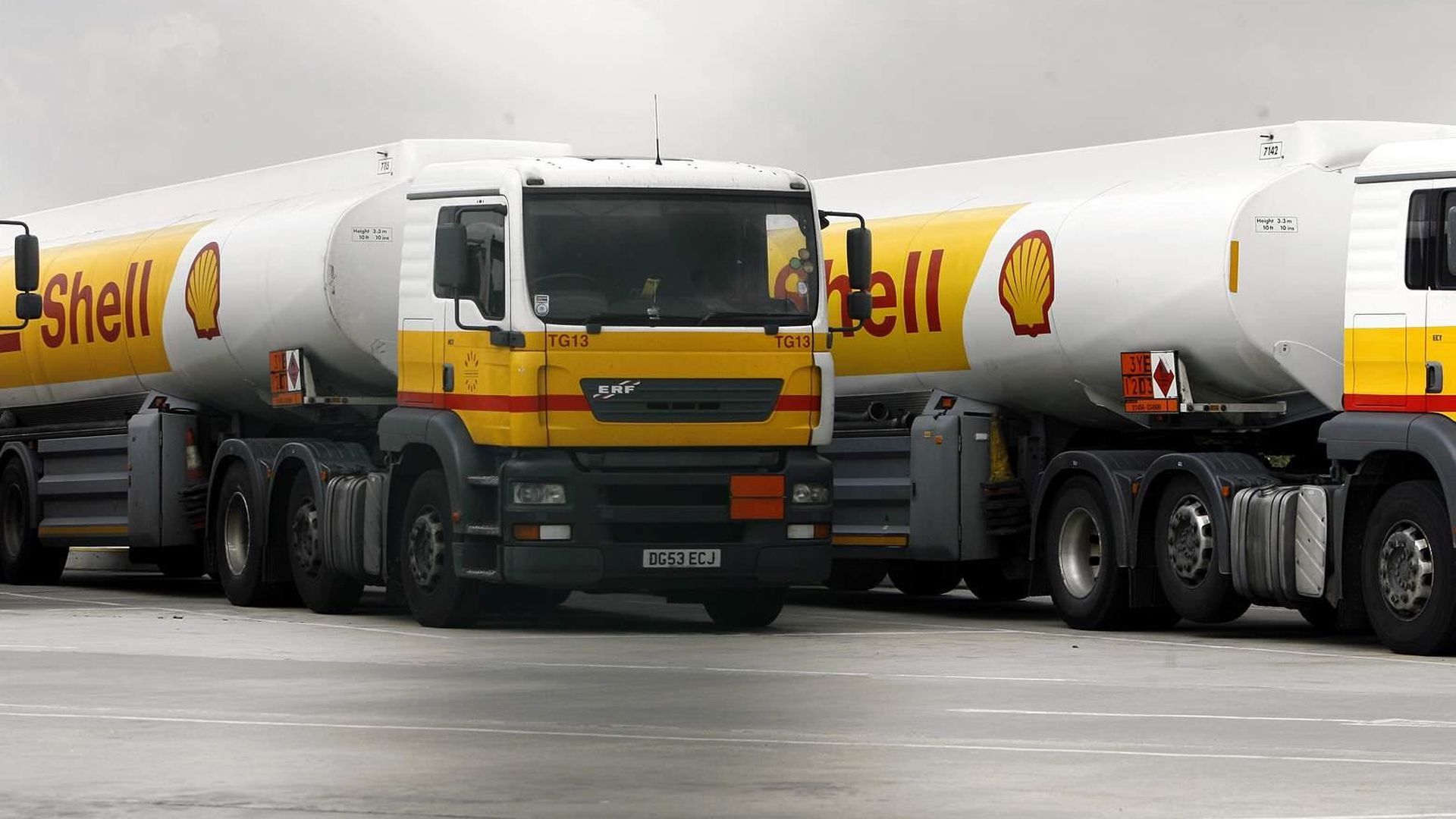
Royal Dutch Shell's profits, helped along by the rise in oil prices in recent months, more than doubled in the fourth quarter compared to the same period a year before, showing a net adjusted profit of $4.3 billion compared with $1.8 billion the same quarter a year ago, CNBC reports.
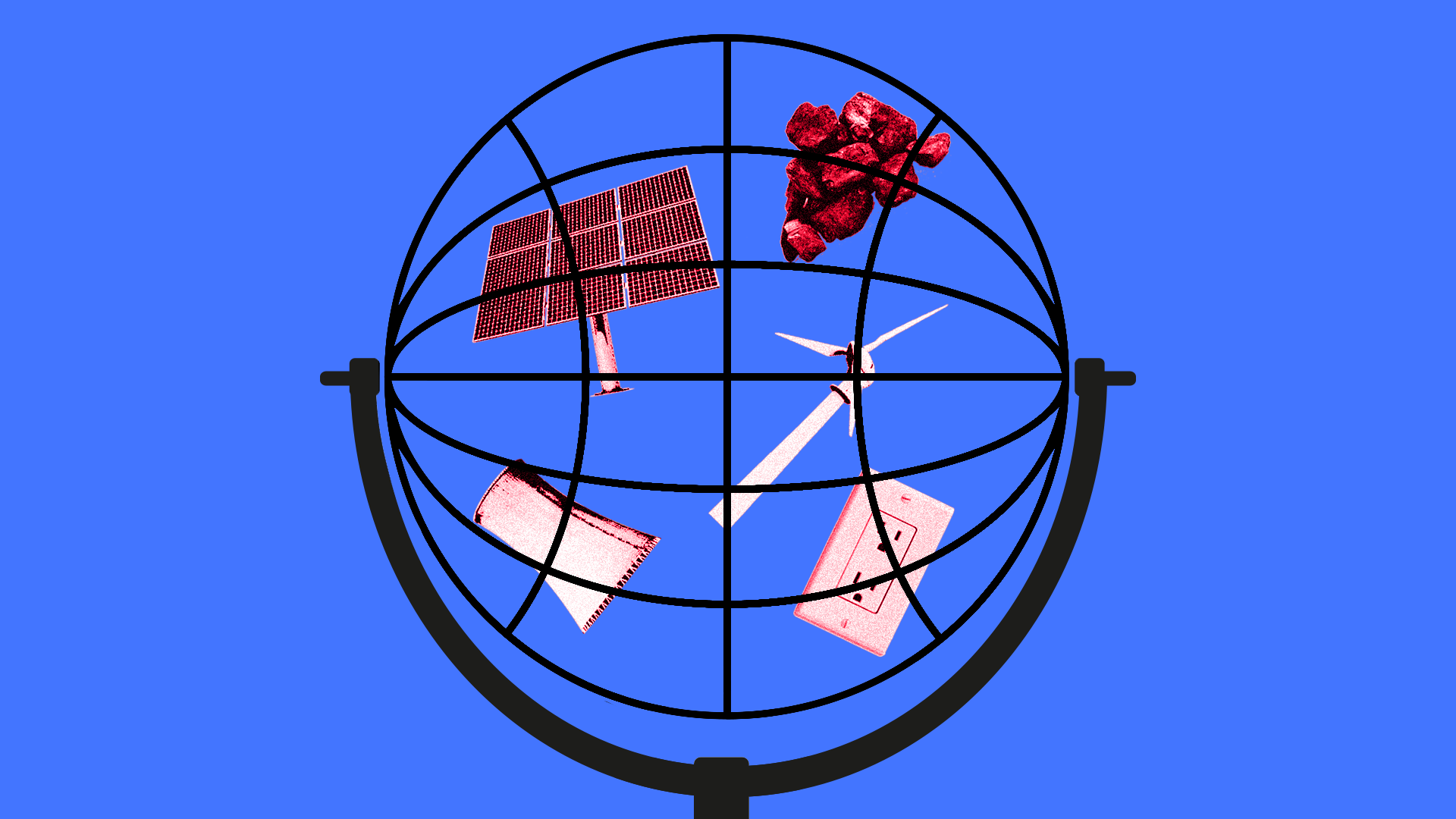
The far left corners of the Democratic party and environmental movement held an event Wednesday night to launch Fossil Free USA, a campaign urging America to transition entirely away from oil, natural gas and coal, with no regard to the reality that the global economy remains heavily dependent on fossil fuels.
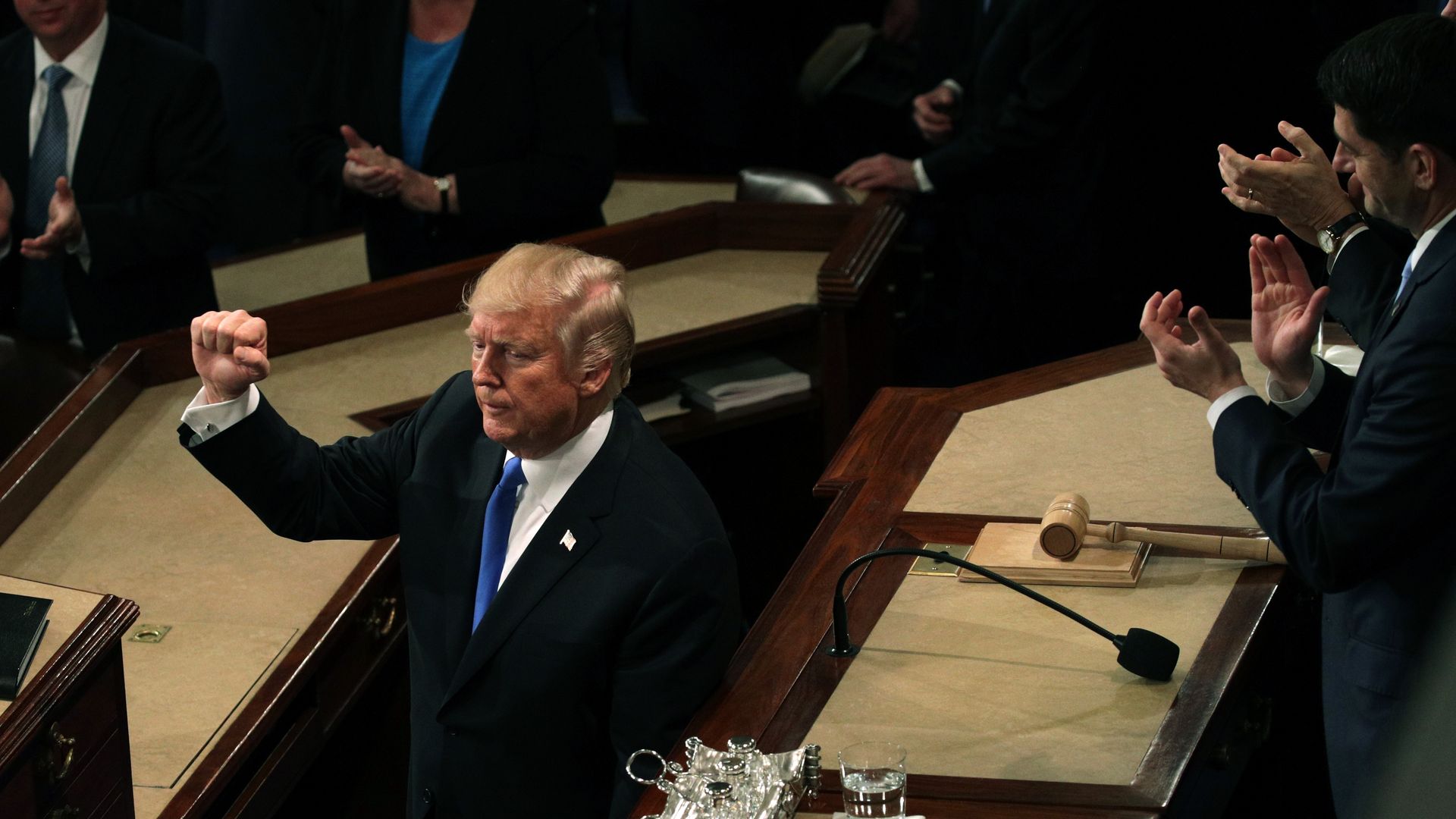
That follows Tuesday’s State of the Union speech, where President Trump said America is forging ahead with its fossil-fuel dominance, with no regard to the serious problem of climate change.
My thought bubble: It’s like they’re two ships not passing, but colliding in the night. Trump’s backers say the far left and their alarmist messaging pushes them away from acknowledging climate change, while the far left is fed up with decades of delay and neglect of climate change.
Hundreds of young, hypothermic, near-death turtles wash up on the shores of Cape Cod every year. But when Bob Prescott first found a Kemp’s ridley turtle on a frigid Massachusetts beach in 1974, he thought it was an anomaly. The number of stranded turtles has steadily climbed — over 1200 washed ashore in 2014 — and experts think climate change is partly to blame.
Axios traveled to the National Aquarium in Baltimore, where about 30 of those turtles were being treated and monitored. Watch this video, or read on to learn more about them.
For the first time since 1970, U.S. crude oil production topped 10 million barrels a day in November, per CNBC, citing new government data released on Wednesday.
Why it matters: Unlike 48 years ago when an uptick was followed by a long decline, oil production is expected to grow in 2018, the report said. This comes as the Trump administration is seeking to vastly expand oil and natural gas drilling as part of an energy dominance agenda.
The chart above is reconstructed from this new Energy Information Administration report on the rise of hydraulic fracturing and horizontal drilling in the U.S. — the methods that have allowed production of huge oil and gas resources from shale formations.
Why it matters: The steep upward and downward slopes on that graphic show how the marriage of horizontal drilling and fracking have utterly remade the U.S. energy landscape.
President Trump is set to tout his administration's record on energy in Tuesday's State of the Union address. He doesn't have it quite right. Here's what you need to know, based off prepared excerpts.
Here are the energy topics insiders at Davos were most obsessed with:
Tech in focus: Rapid declines in battery and renewable costs were celebrated, as was the disruptive potential of AI, machine learning and blockchain — enabling technologies like distributed microgrids and connected homes as well as innovations in oil-and-gas trading.
Shale: With U.S. oil production about to exceed 10 million barrels per day, the highest in its history, the reemergence of the U.S. as an energy superpower is a new dynamic in energy markets and a concern for Saudi Arabia, Russia and other producers struggling to prop up prices by cutting output.
One big question: Electric and autonomous vehicles and shared mobility will shake up transportation, but there's no consensus on how quickly they might cause oil demand to decline, given that passenger cars represent only 25% of oil use. Per the International Energy Agency, petrochemicals will provide the strongest lift to oil demand (barring a backlash against rising ocean pollution that stigmatizes plastics).
Yes, but: Despite the optimism, serious concerns remain. There is a yawning gap between the current emissions trajectory and the transformation needed to achieve commitments in the Paris agreement, let alone to limit the global temperature rise to two degrees Celsius. The rise of alternative fuels and potential “lower for longer” oil prices that could result from decreased demand also introduce a host of geopolitical risks — in addition to those from North Korea, Sunni-Shia tensions, the retreat from free trade in some advanced economies, and Trump's unpredictable foreign policy.
Jason Bordoff is Professor of Professional Practice in International and Public Affairs and Founding Director of the Center on Global Energy Policy at Columbia University.