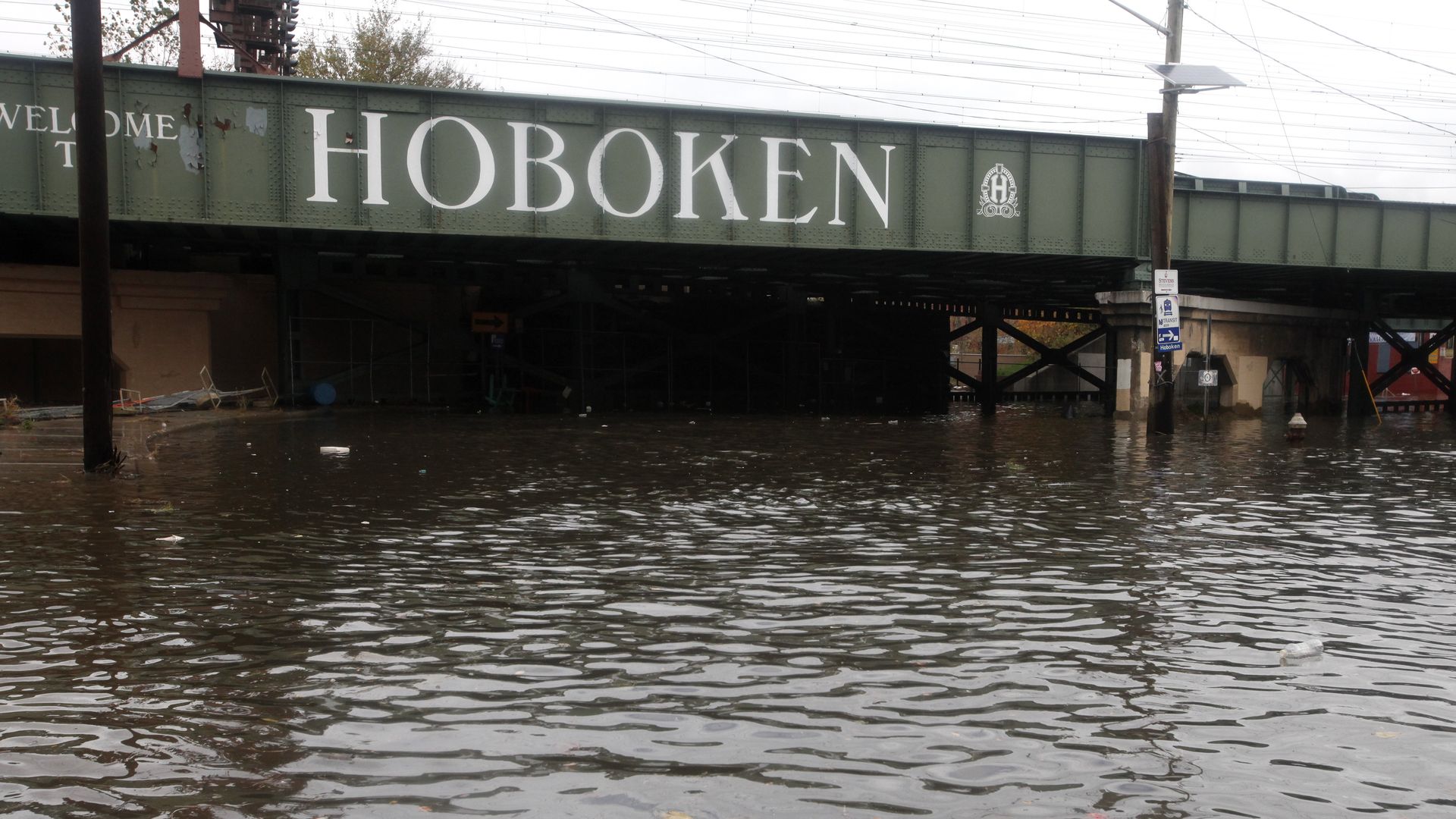
New Jersey Governor Phil Murphy signed an executive order Monday directing the state to rejoin the Regional Greenhouse Gas Initiative, a nine-state carbon trading exchange.
Why it matters: New Jersey was a founding member of RGGI, established in 2009 as a cooperative effort to cap and reduce CO2 emissions. Former Governor Chris Christie withdrew from the initiative in 2012, causing the state to miss out on $279 million in revenue from emissions credit auctions.
Let's explore the fallout of prominent GOP Rep. Fred Upton's decision, broken by Axios on Friday, to join the bipartisan Climate Solutions Caucus.
Why it matters: The responses seen below highlight some of the strategic divides running through the climate movement on working with fossil fuel industry allies.
What they're saying:
"Perhaps one of the reasons this caucus has been unable to craft any policies at all so far is because it has been infiltrated by people who have proved to do and say anything to defend the fossil fuel industry," the Sierra Club, one of the nation's most prominent green groups, said in a statement.
"Continuing to expand fossil fuel production, as Fred Upton would have us do, is precisely the opposite of what a climate leader should be doing," said David Turnbull, head of strategic communications for the group Oil Change International.
After investing billions of dollars into renewables 20 years ago and then mostly bailing after big losses, oil giant BP is ramping back up in this space.
Why it matters: BP’s new moves are one of the most concrete signs the world’s biggest oil companies areslowly investing more in greener businesses, driven by a handful of market and policy trends. The investments represent just a drop in the bucket of the oil producers’ businesses, but they’re nonetheless happening despite President Trump’s agenda.
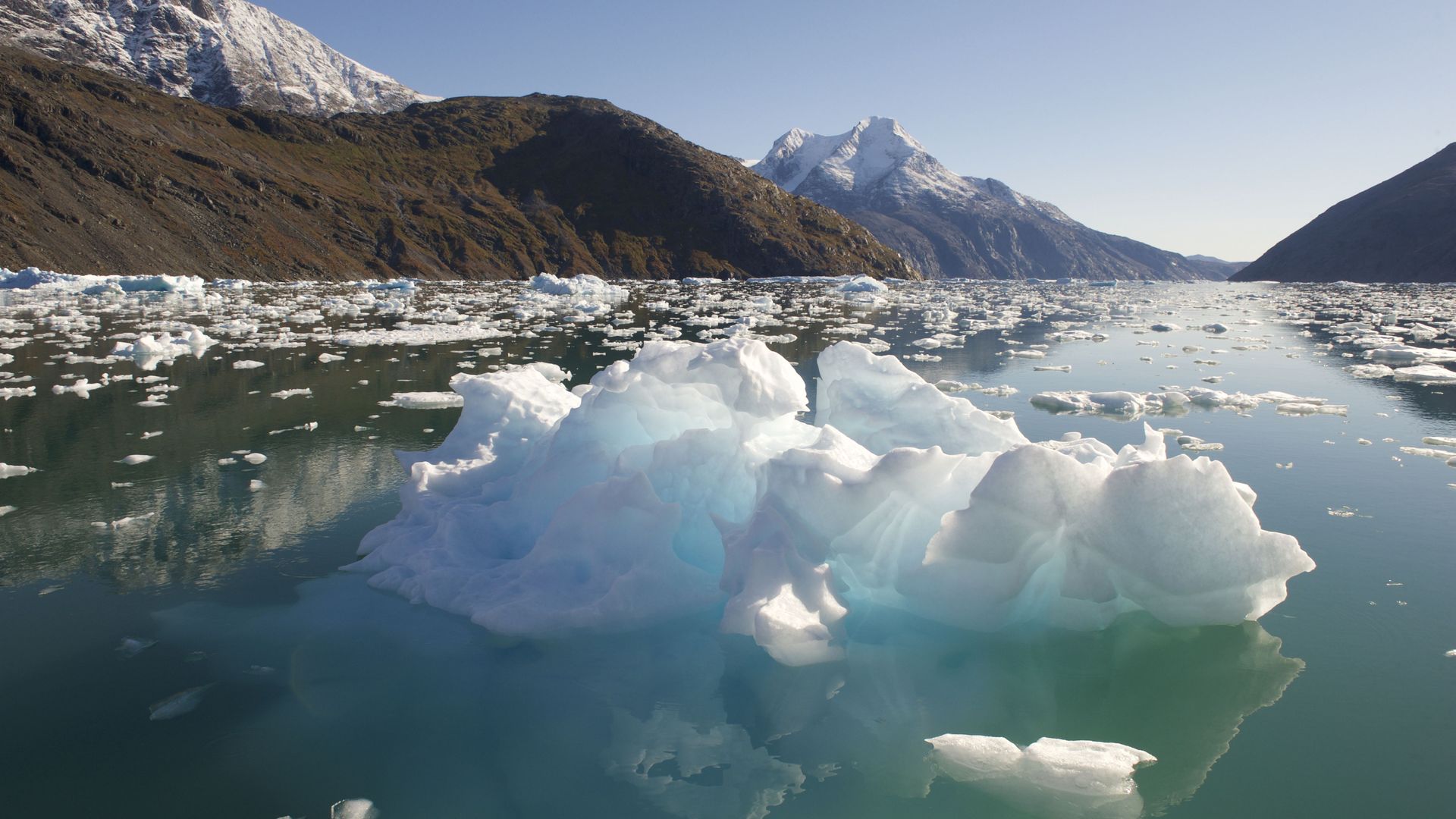
Trump said in an interview with Piers Morgan: "There is a cooling, and there's a heating ... The ice caps were going to melt, they were going to be gone by now, but now they're setting records. They're at a record level."
Reality check: "Ice on the ocean and on land are both disappearing rapidly, and we know why: increasing greenhouse gases from burning fossil fuels that trap more heat and melt the ice," Jennifer Francis, a Rutgers University climate scientist, told the AP.