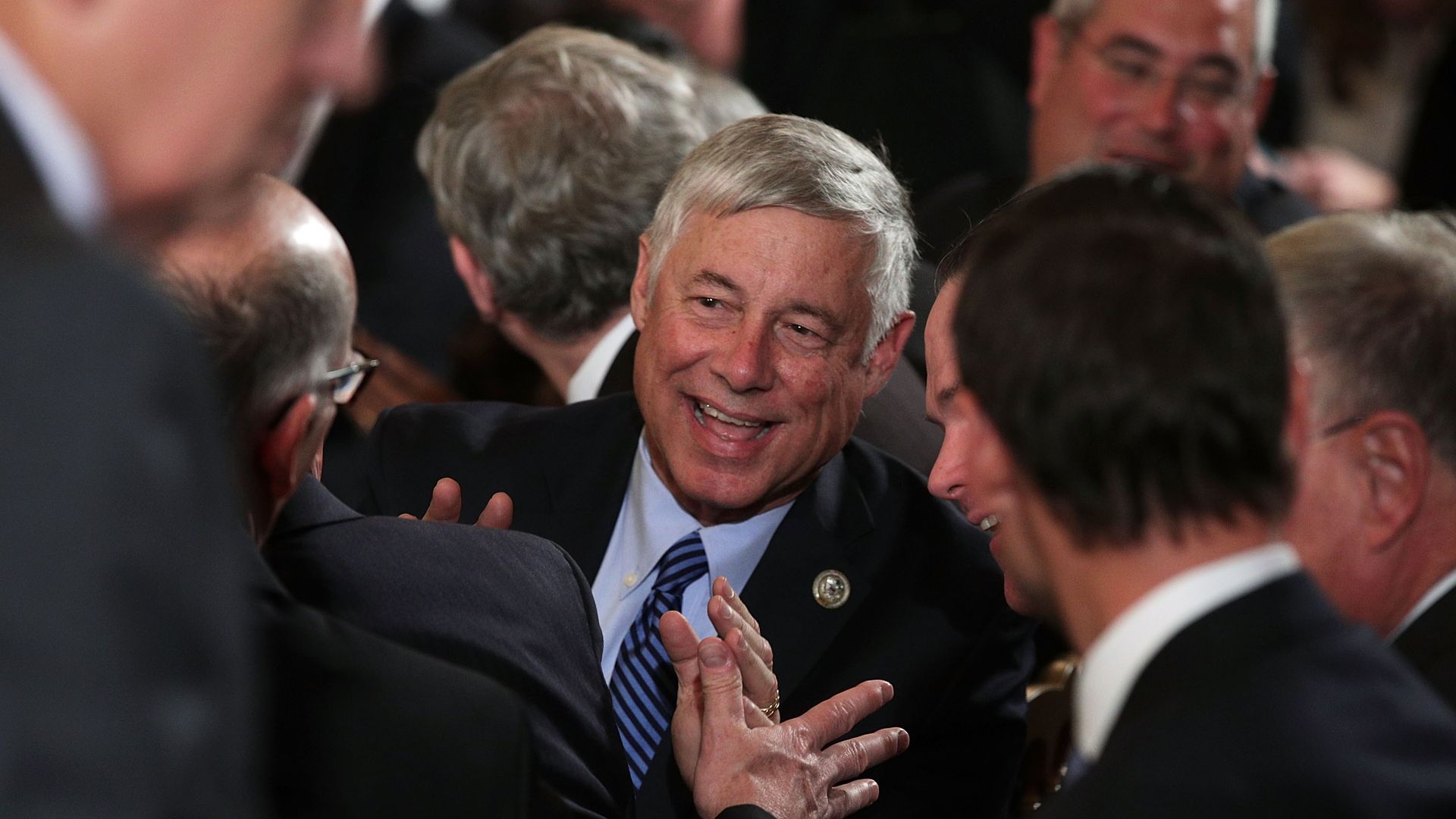
Michigan Rep. Fred Upton, the former chairman of the powerful Energy and Commerce Committee, will announce today that he's joining the bipartisan Climate Solutions Caucus.
Why it matters: He is by far the most prominent and high-profile GOP lawmaker with jurisdiction over energy policy to join the 2-year-old House group.
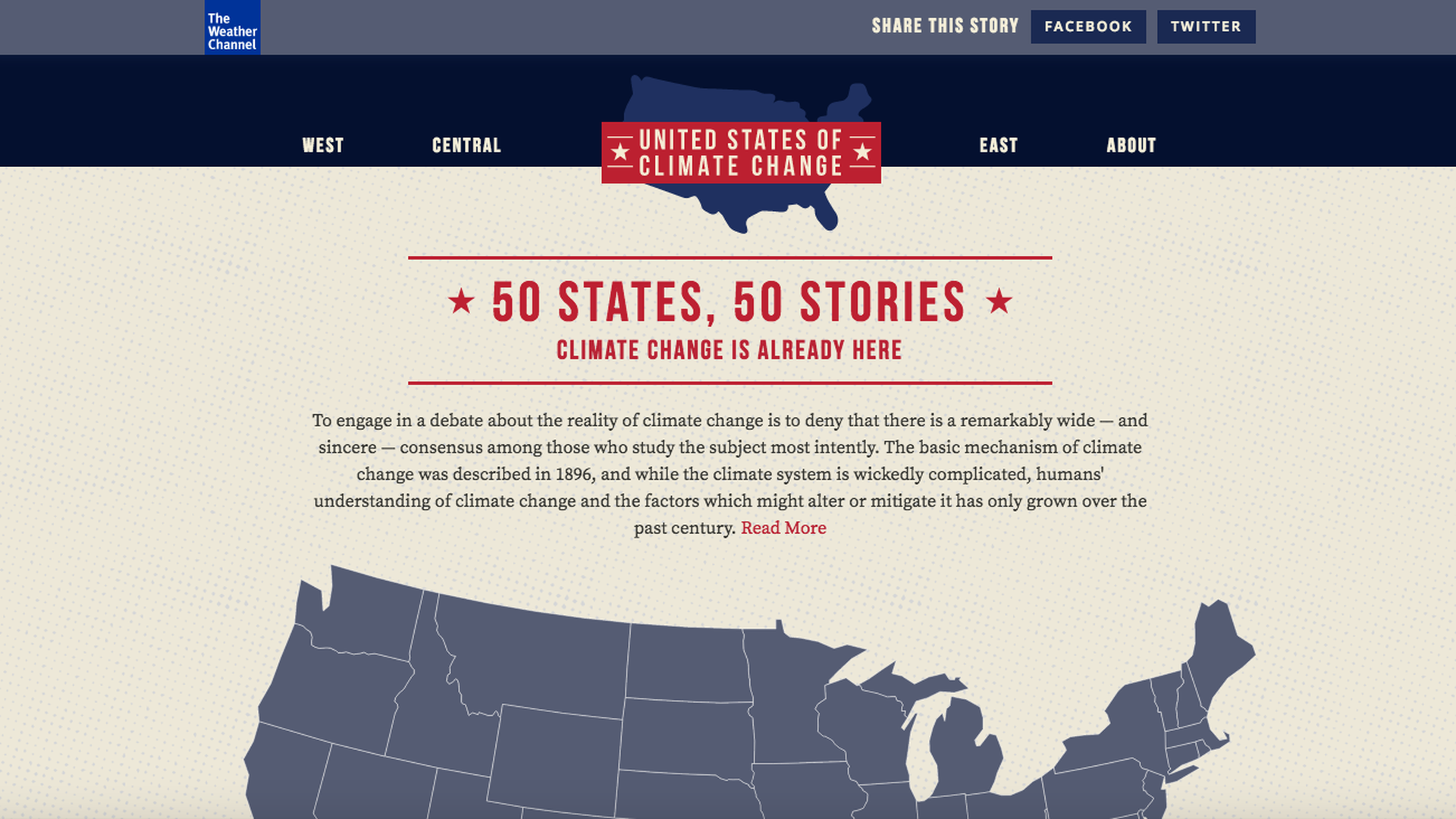
The Weather Channel website — which is owned by IBM and completely distinct from the Weather Channel TV network — is touting a just-completed series called "The United States of Climate Change" that investigates and highlights the impacts of climate change in all 50 states.
Why it matters: Information people consume about the weather can influence how they see climate change, recent data suggests. The move also comes as Trump continues to dismiss climate change as a problem.
As of 10am this morning, the Doomsday Clock stood at two minutes to midnight. The clock was created by the Bulletin of the Atomic Scientists to illustrate how close humans might be to the end of the world. Originally, it only showed nuclear threats, but in recent years, climate change has moved the clock.
Why it matters: The last time the clock was this close to midnight was in 1953. The U.S. and Soviet Union had just tested hydrogen bombs. These scientists feel the risk of annihilation is as great today as it was then.
The billions of pieces of plastic waste hovering in the oceans of the Asia-Pacific region are causing a 20-fold increased risk of diseases deadly to coral reefs, according to a new study published in Science Thursday.
Why it matters: The estimated 11.1 billion plastic items lodged around the Asia-Pacific coral reefs boost the risk of coral contracting skeletal eroding band disease, white syndromes, and black band disease, they found. About 275 million people in the region rely on the reefs for food, tourism, marine biodiversity, and coastal protection.
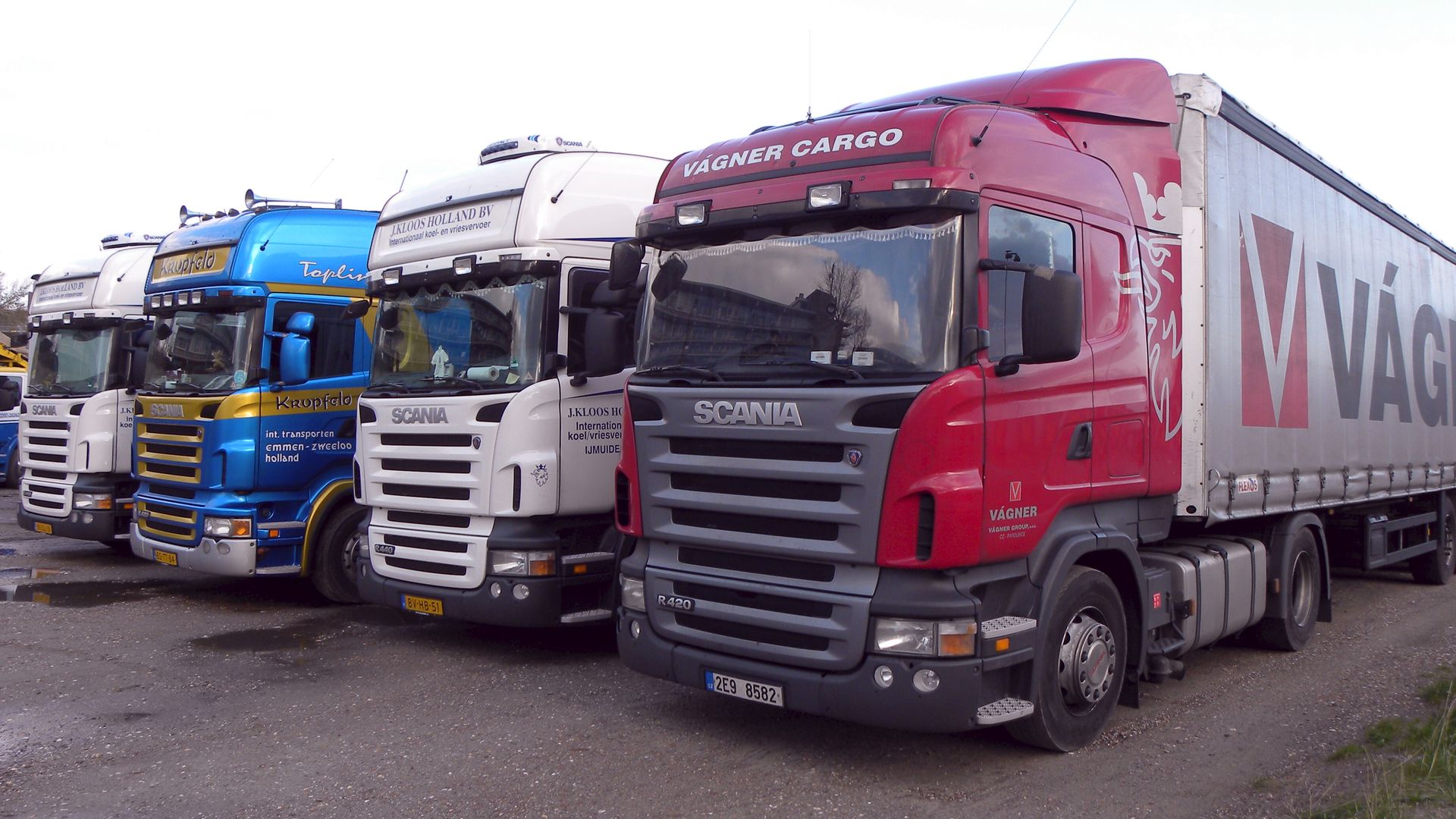
Swedish truckmaker Scania, a subsidiary of Volkswagen, has pledged to invest 10 million euros ($12.5 million) in a 4 billion euro ($5 billion) battery cell plant in northern Sweden, according to Reuters.
Why it matters: The plant is being constructed by Northvolt, a lithium battery company founded by former Tesla executive Peter Carlsson. With a predicted total storage capacity of 32 gigawatt-hours a year by 2023, the project will become Europe's largest battery cell plant just as automakers are preparing for a spike in electric car production.
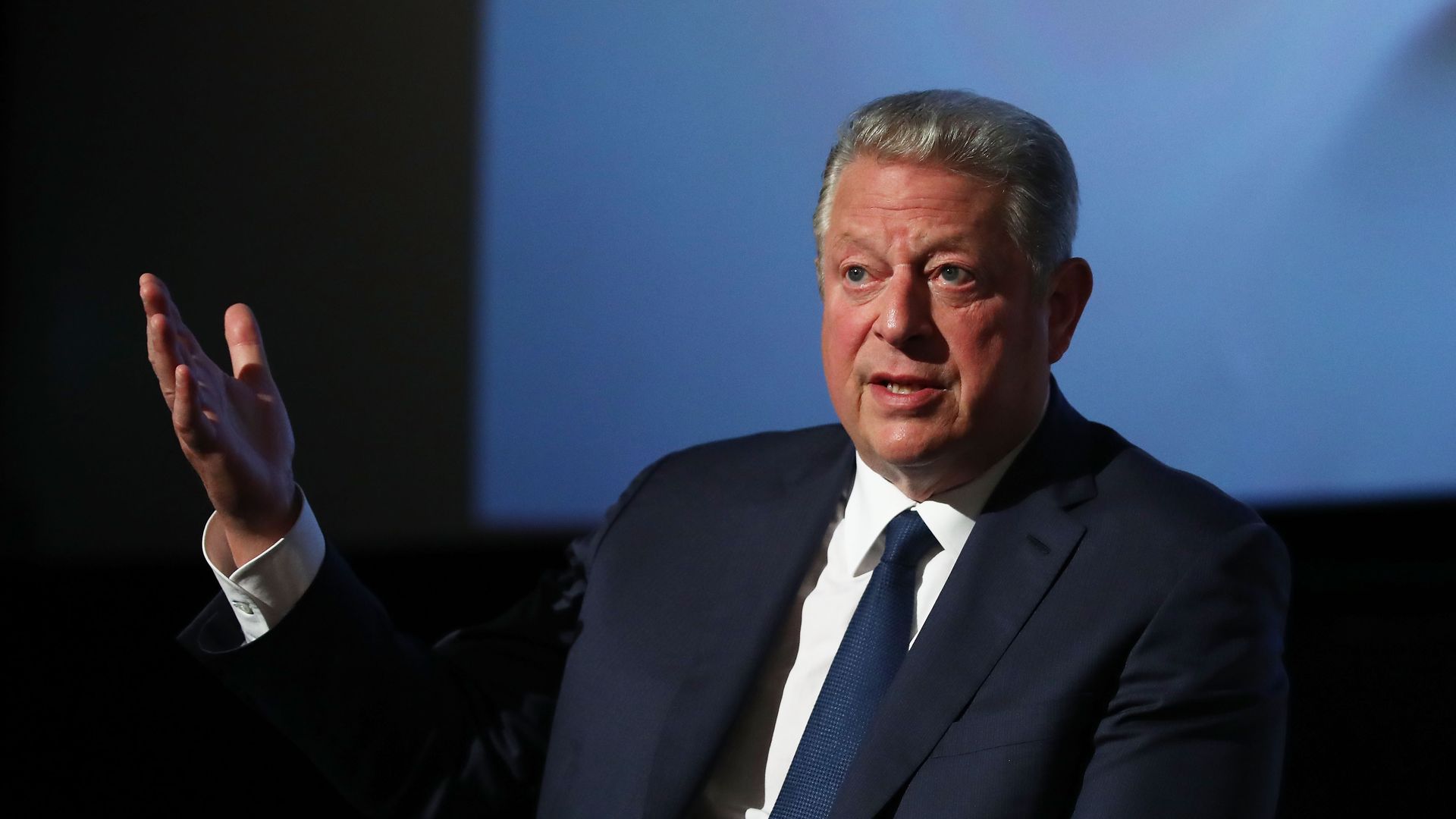
Former vice president and climate activist Al Gore defended President Trump's move earlier this week to impose tariffs on solar panel imports, Politico reports.
Why it matters: It's a rare sign of agreement between Gore, one of the most outspoken advocates for acting on climate change, and Trump, who openly mocks climate change and is taking steps to reverse policies addressing the problem. Solar energy helps address climate change, but the trade issues related to it are more complicated, as Gore indicated Thursday.
"The Dark Side of America’s Rise to Oil Superpower" from Bloomberg Businessweek: "America is on pace to become the world’s biggest oil producer. ... With shale surging, U.S. imports of Saudi oil plunged to a 30-year low. When OPEC cuts production to raise prices, shale drillers can boost output, undermining OPEC. Biggest loser to keeping prices low is likely Russia."
Why it matters: "U.S. energy dominance isn’t all that and a bag of chips, particularly since climate change repercussions will only get more expensive and the political influence of erratic petro-states will still persist."
Proponents of acting on climate change are divided over whether lawsuits that New York City and several California municipalities are filing against big oil companies will do anything to tackle the problem.
Bottom line: The contrasting viewpoints illustrate the challenges facing climate proponents. Even among those who agree that climate change must be addressed, big disagreements persist about how to solve it. And this is withoutthe other Herculean task of getting currently elected Republicans to publicly acknowledge the problem at all.
Energy ministers from Saudi Arabia and Russia, seated next to U.S. Energy Secretary Rick Perry on a panel at the World Economic Forum, on Wednesday downplayed the impact of surging U.S. oil production on the global crude market.
Why it matters: The U.S. boom has forced petro-states including Saudi Arabia and Russia to recalibrate their strategies and restrict output to try and tame the global glut that caused prices to collapse in 2014. OPEC and Russia are part of a production-limiting deal that's slated to run through 2018.