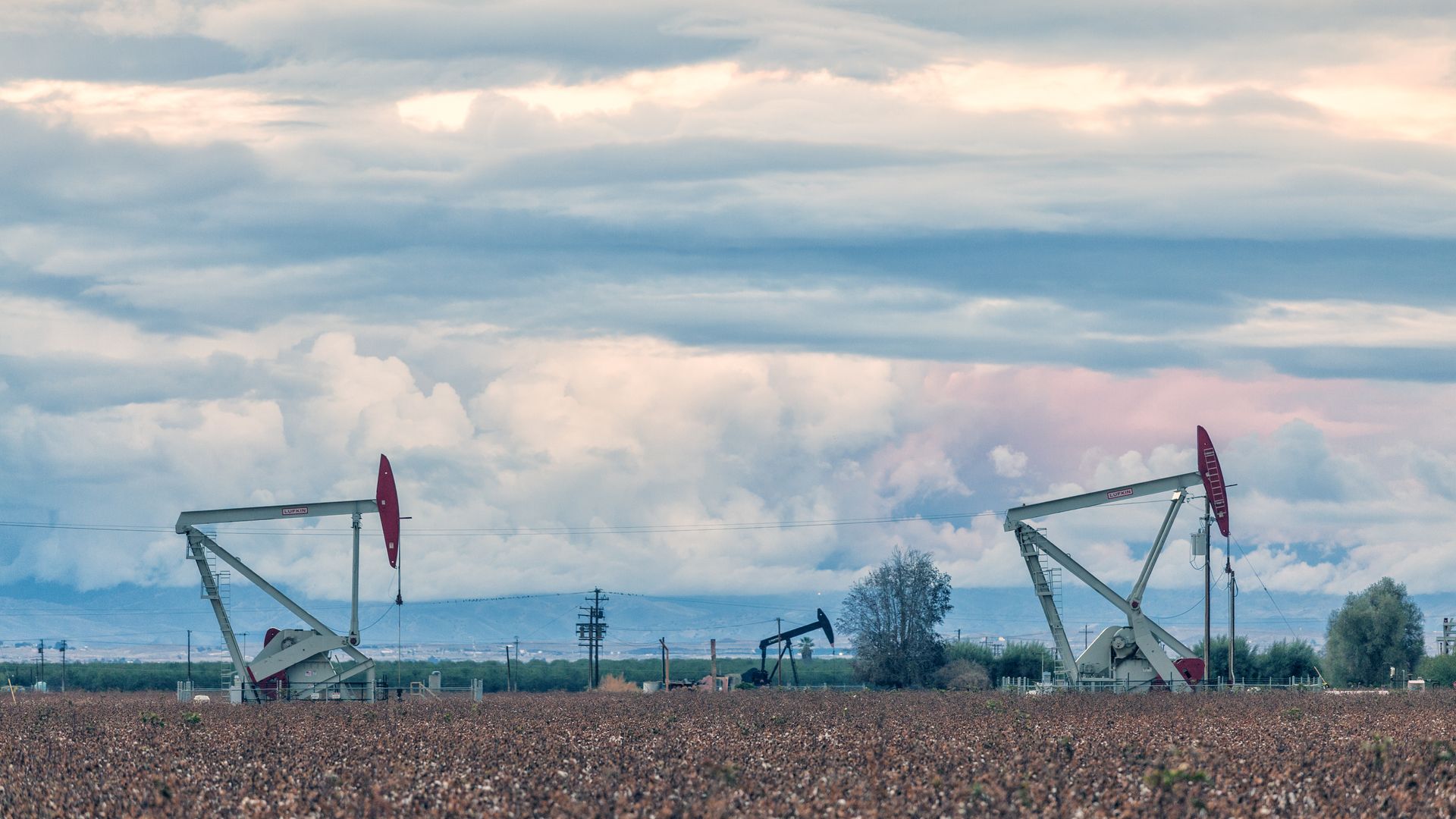
The U.S. is set to surpass Saudi Arabia — and possibly Russia — as an oil producer this year, and has set new records for total fossil fuel production. Yet the U.S. is losing ground in the race to dominate fast-growing advanced energy markets, particularly in light of the White House's decision to impose 30% tariffs on solar panel imports — grabbing a larger slice of a shrinking pie through trade barriers while other countries capture new opportunities.
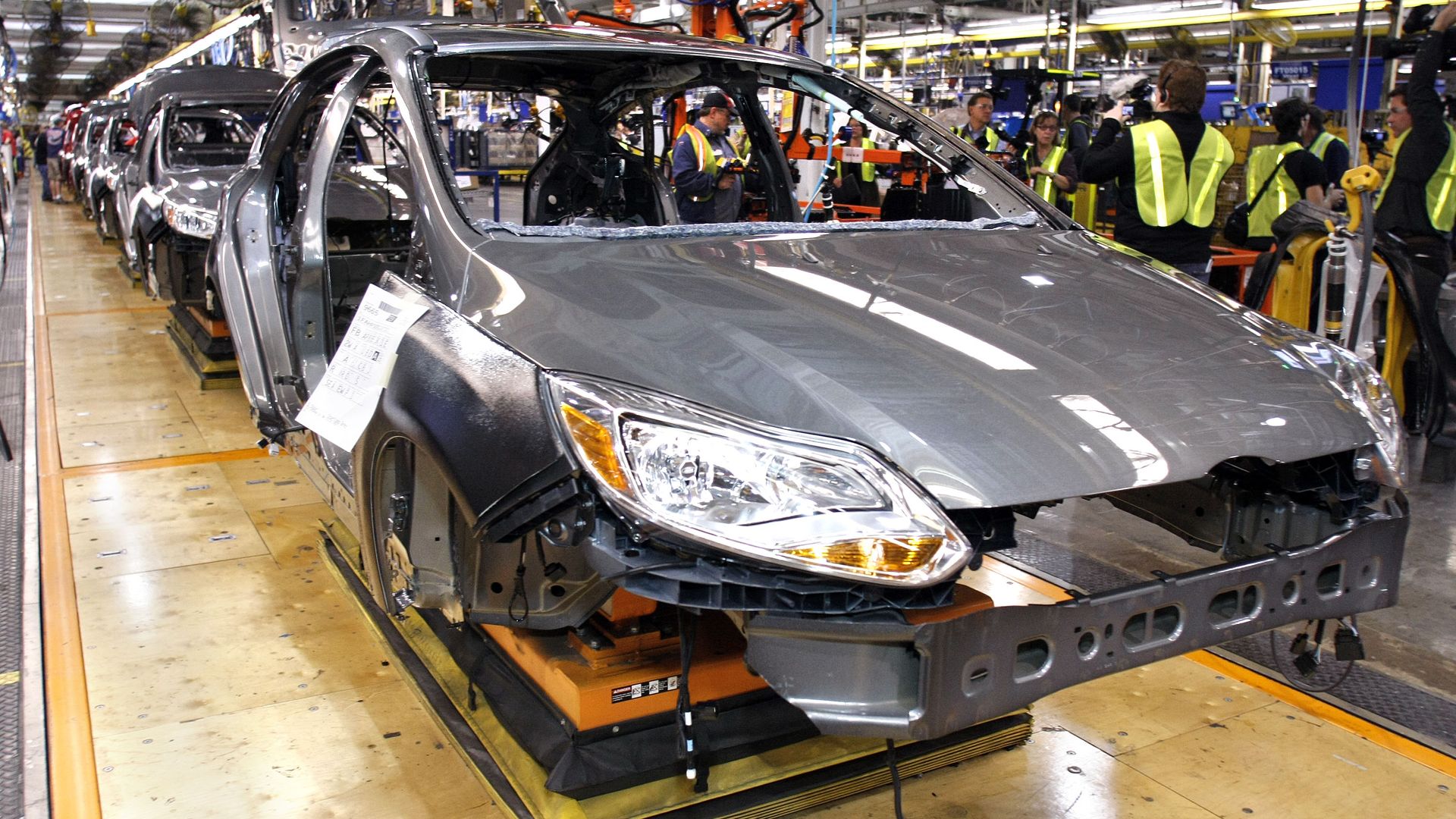
A new report from the credit rating agency Moody's explores the challenges that automakers will face as they increase production of battery electric vehicles to help meet emissions requirements.
"[T]he transition will pressure returns and is a credit negative for the sector because of the significant capital needed to support the initiatives, the low returns BEVs will generate through the early 2020s, and the hurdles to achieving broader consumer acceptance," the analysts say in a new note.
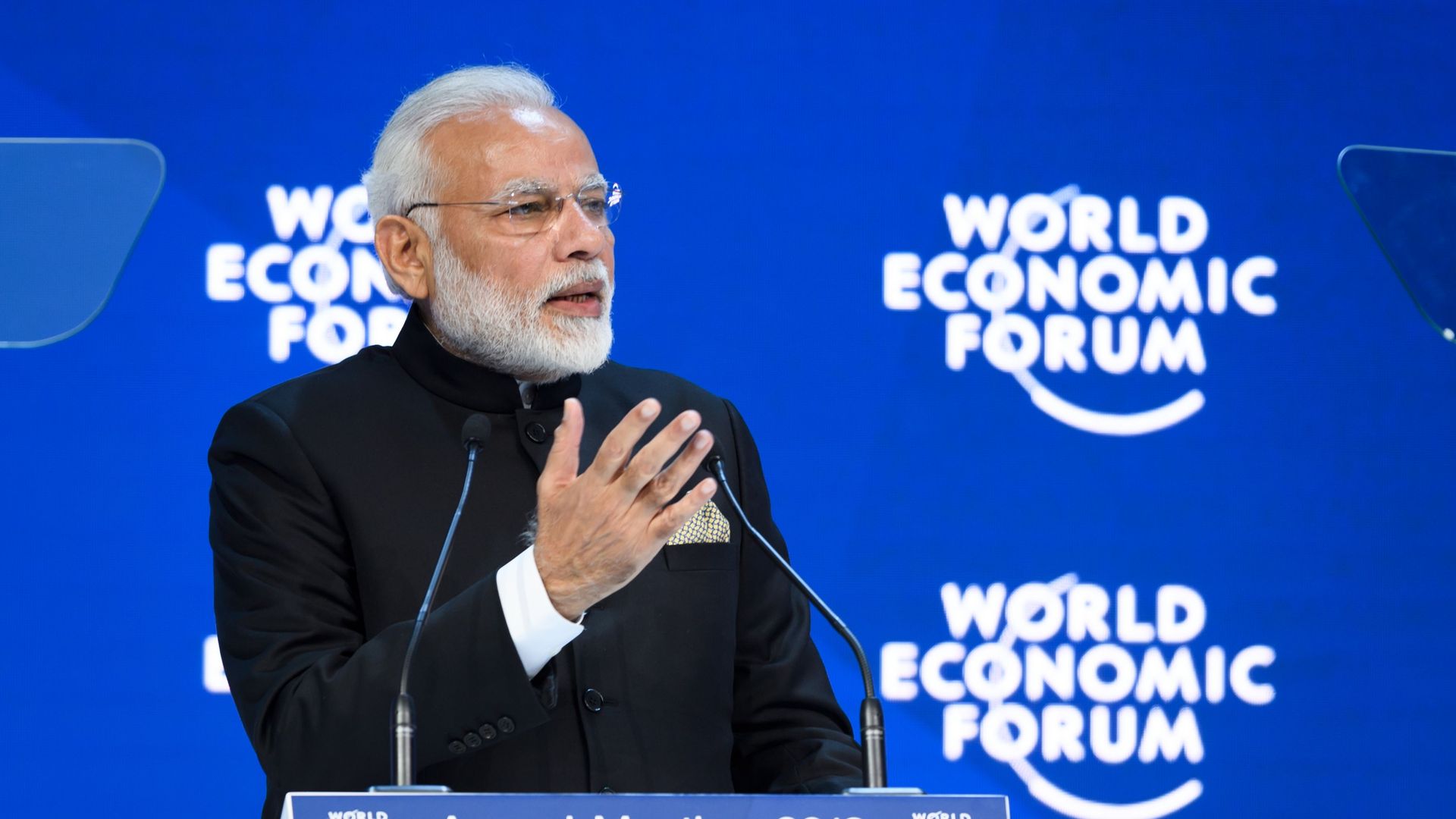
Indian Prime Minister Narendra Modi on Tuesday cited climate change as the top issue the world must collaborate on, and BP CEO Bob Dudley said he was enthusiastic about solar energy.
Why it matters: Each of their comments, made on the opening day of the World Economic Forum in Davos, Switzerland, underscores a prevailing global sentiment: Most other world leaders and the world’s biggest energy companies are moving forward on renewable energy and addressing climate change regardless of President Trump, whose policies are moving America in reverse on these issues.
A new research note from Bank of America (BofA) Merrill Lynch analysts predicts that global crude oil demand will peak by 2030 thanks to very fast electric vehicle adoption beginning in the early 2020s. They see EVs reaching 40% of new car sales by 2030 and 95% of new sales by mid-century.
Why it matters: The timing of the global demand apex — and the rate of decline thereafter — has major ramifications for the finances of oil-producing economies and, more broadly, the earth's climate.
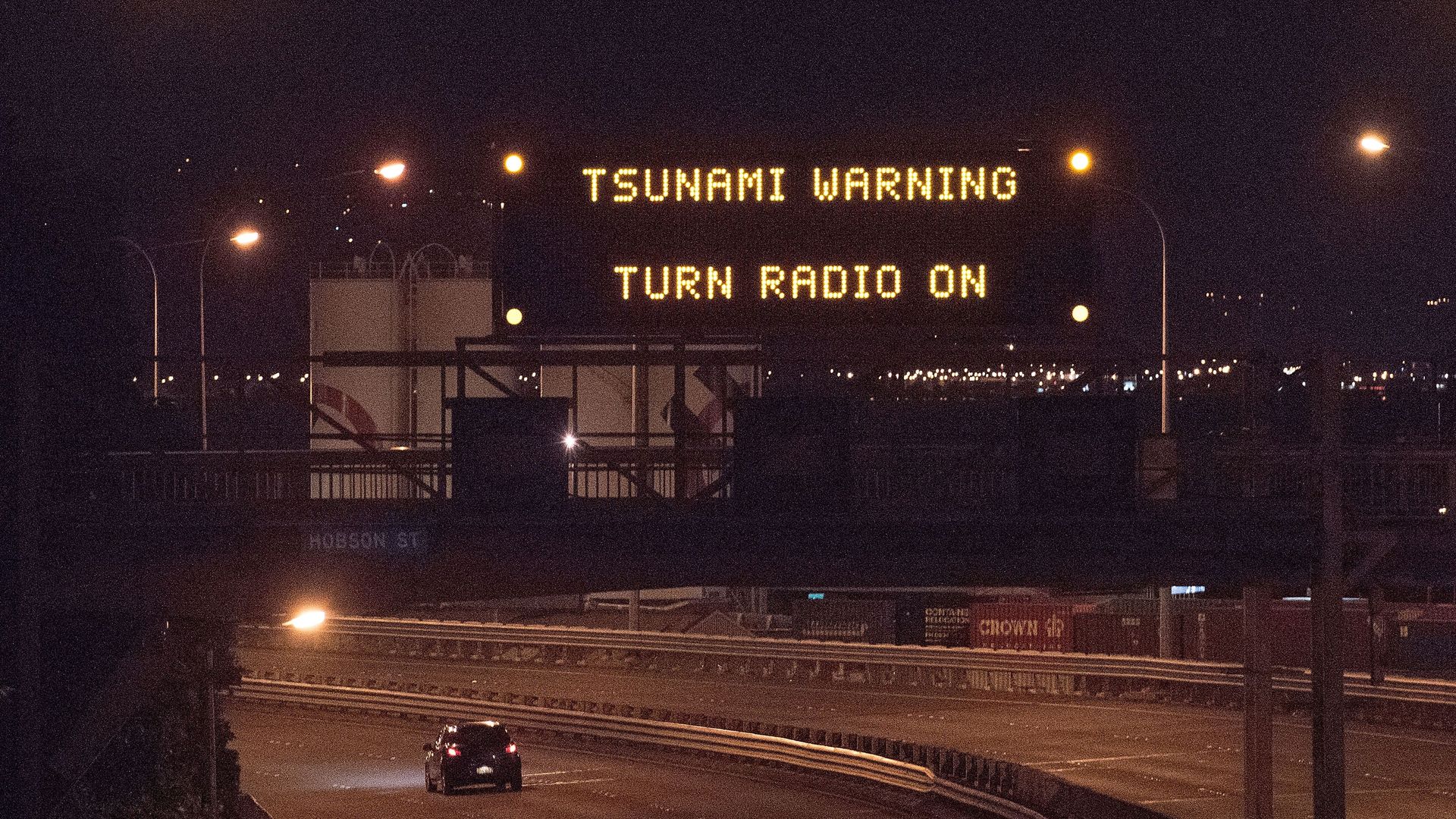
All U.S. tsunami watches on the West Coast have been canceled following a 7.9 magnitude earthquake in the Gulf of Alaska early Tuesday morning, although advisories remain for Alaska, The Weather Network reports. Tsunami warnings for British Columbia in Canada have ended, but all clears are not yet issued for some areas.
Why it matters: “The first wave may not be the largest,” per The Weather Channel. Tsunami warnings and watches are frequently upgraded or downgraded as more observations come in.
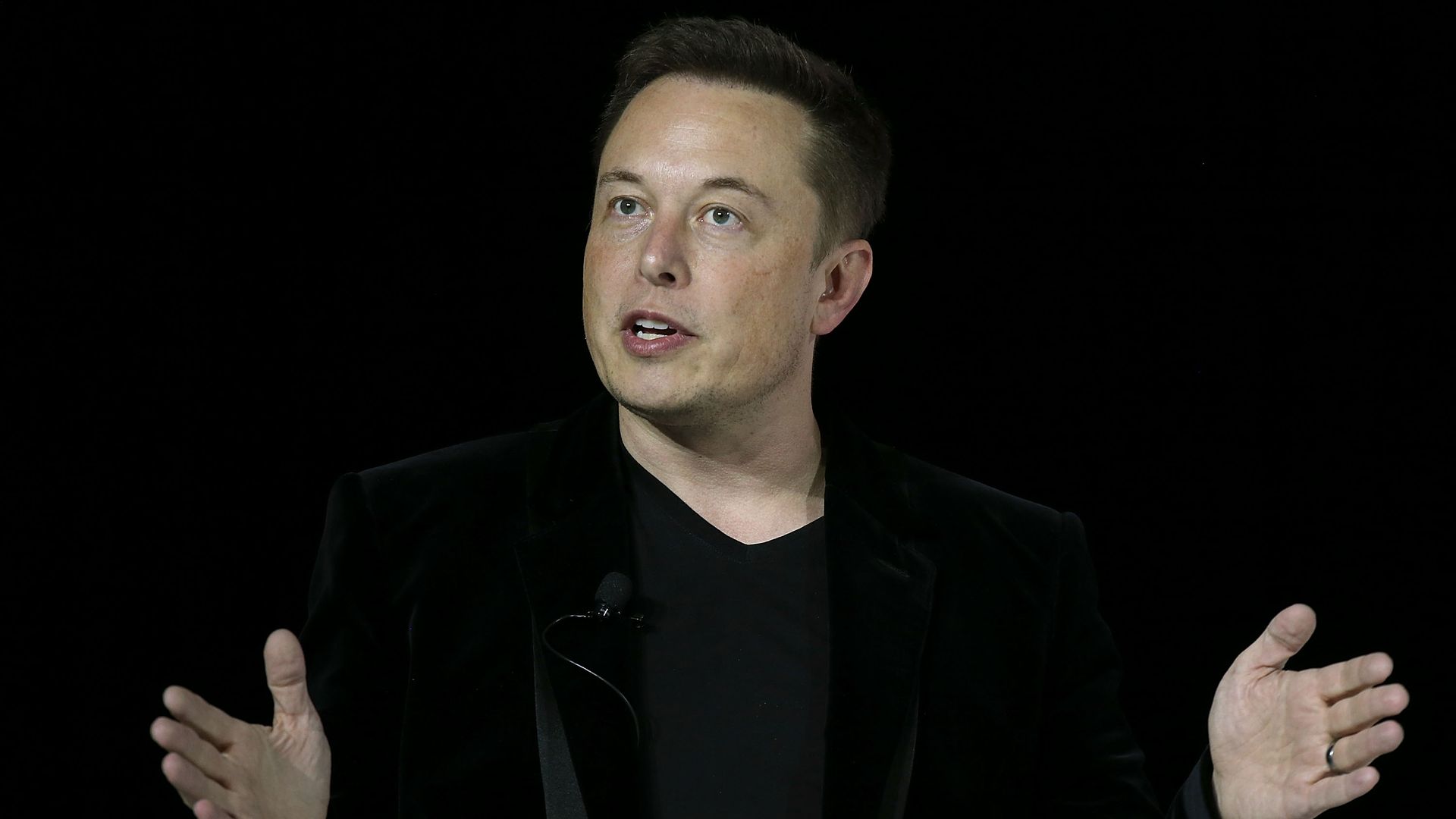
Elon Musk has agreed to be CEO of Tesla for the next decade and could earn as much as $55 billion in stock awards, but “will be paid only if he reaches a series of jaw-dropping milestones based on the company’s market value and operations. Otherwise, he will be paid nothing,” NYT’s Andrew Ross Sorkin writes.
“Tesla has set a dozen targets, each $50 billion more than the next, starting at $100 billion, then $150 billion, then $200 billion and so on, all the way to a market value of $650 billion.”
Air pollution is the biggest environmental threat to public health in the world today — even worse than water pollution, according to the 2018 Environmental Performance Index report. The report, which is released every two years, evaluates 180 countries’ performance on a number of environmental categories, ranging from conservation to pollution to public health. Each country is then assigned an EPI ranking — from best to worst.
Of note: The United States has the lowest EPI ranking of any Western country. On the opposite end of the spectrum, rapidly-industrializing India has sunk dramatically in the ranks, and is fourth from the bottom.