A new research note from Bank of America (BofA) Merrill Lynch analysts predicts that global crude oil demand will peak by 2030 thanks to very fast electric vehicle adoption beginning in the early 2020s. They see EVs reaching 40% of new car sales by 2030 and 95% of new sales by mid-century.
Why it matters: The timing of the global demand apex — and the rate of decline thereafter — has major ramifications for the finances of oil-producing economies and, more broadly, the earth's climate.
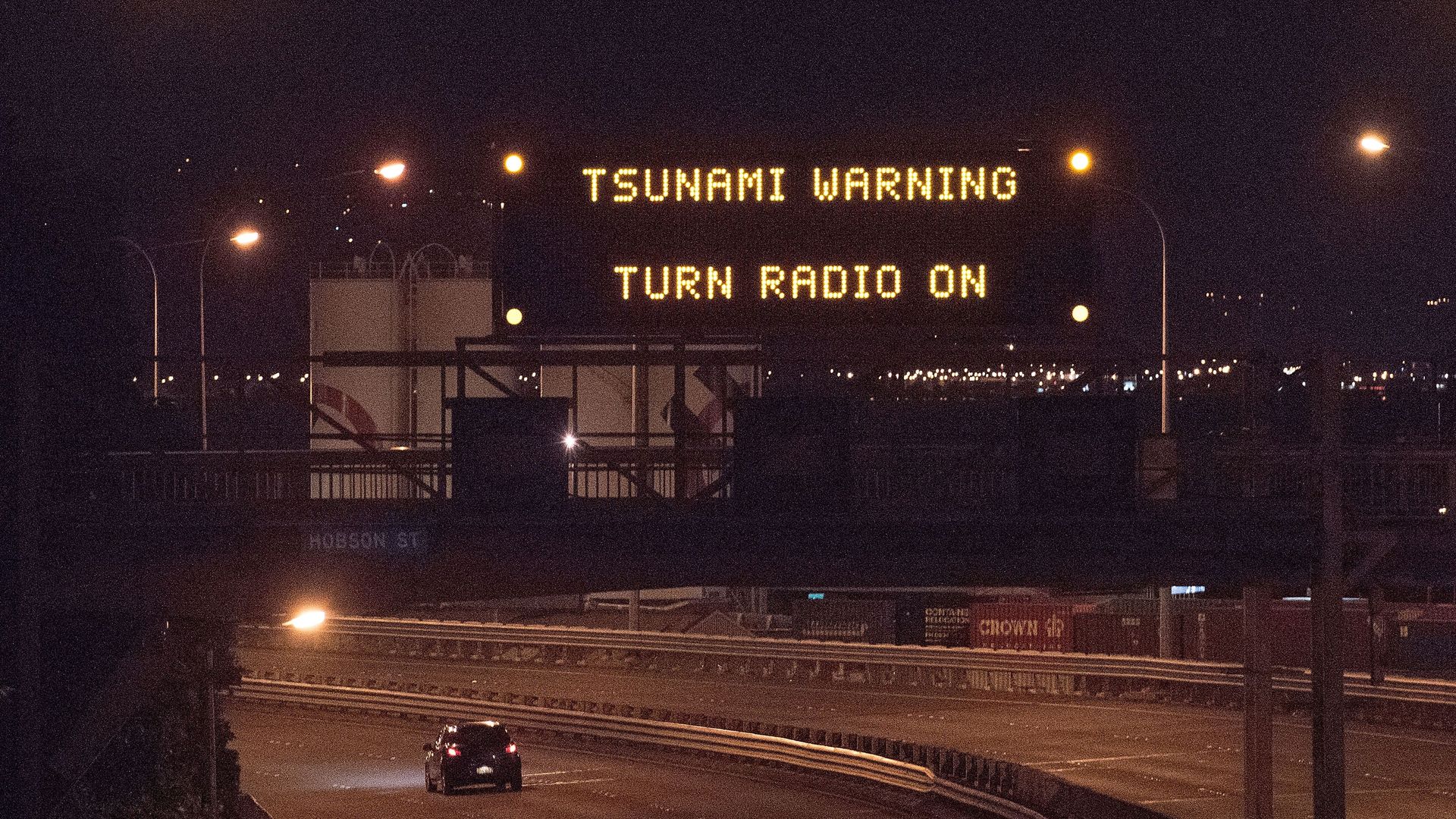
All U.S. tsunami watches on the West Coast have been canceled following a 7.9 magnitude earthquake in the Gulf of Alaska early Tuesday morning, although advisories remain for Alaska, The Weather Network reports. Tsunami warnings for British Columbia in Canada have ended, but all clears are not yet issued for some areas.
Why it matters: “The first wave may not be the largest,” per The Weather Channel. Tsunami warnings and watches are frequently upgraded or downgraded as more observations come in.
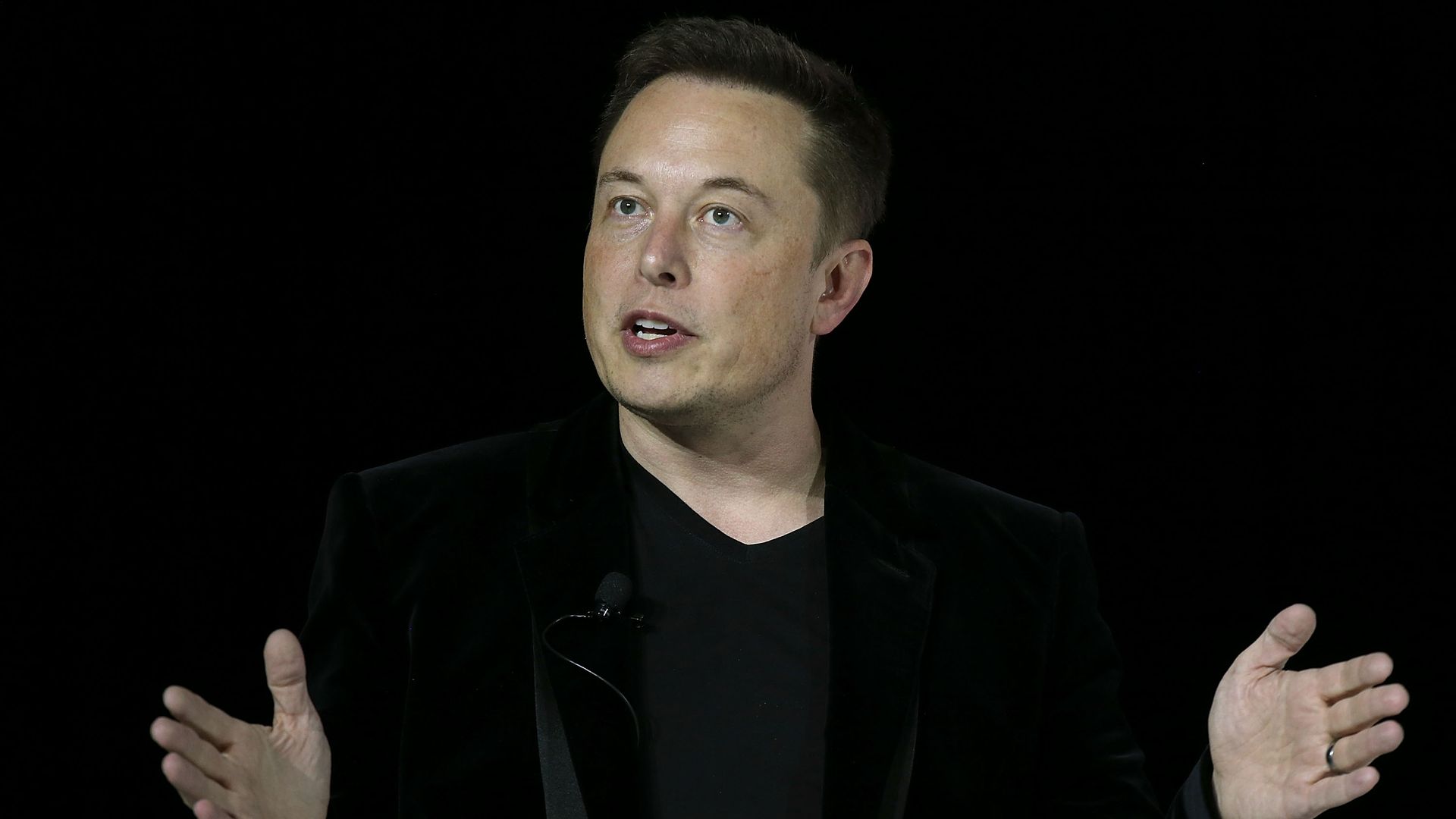
Elon Musk has agreed to be CEO of Tesla for the next decade and could earn as much as $55 billion in stock awards, but “will be paid only if he reaches a series of jaw-dropping milestones based on the company’s market value and operations. Otherwise, he will be paid nothing,” NYT’s Andrew Ross Sorkin writes.
“Tesla has set a dozen targets, each $50 billion more than the next, starting at $100 billion, then $150 billion, then $200 billion and so on, all the way to a market value of $650 billion.”
Air pollution is the biggest environmental threat to public health in the world today — even worse than water pollution, according to the 2018 Environmental Performance Index report. The report, which is released every two years, evaluates 180 countries’ performance on a number of environmental categories, ranging from conservation to pollution to public health. Each country is then assigned an EPI ranking — from best to worst.
Of note: The United States has the lowest EPI ranking of any Western country. On the opposite end of the spectrum, rapidly-industrializing India has sunk dramatically in the ranks, and is fourth from the bottom.
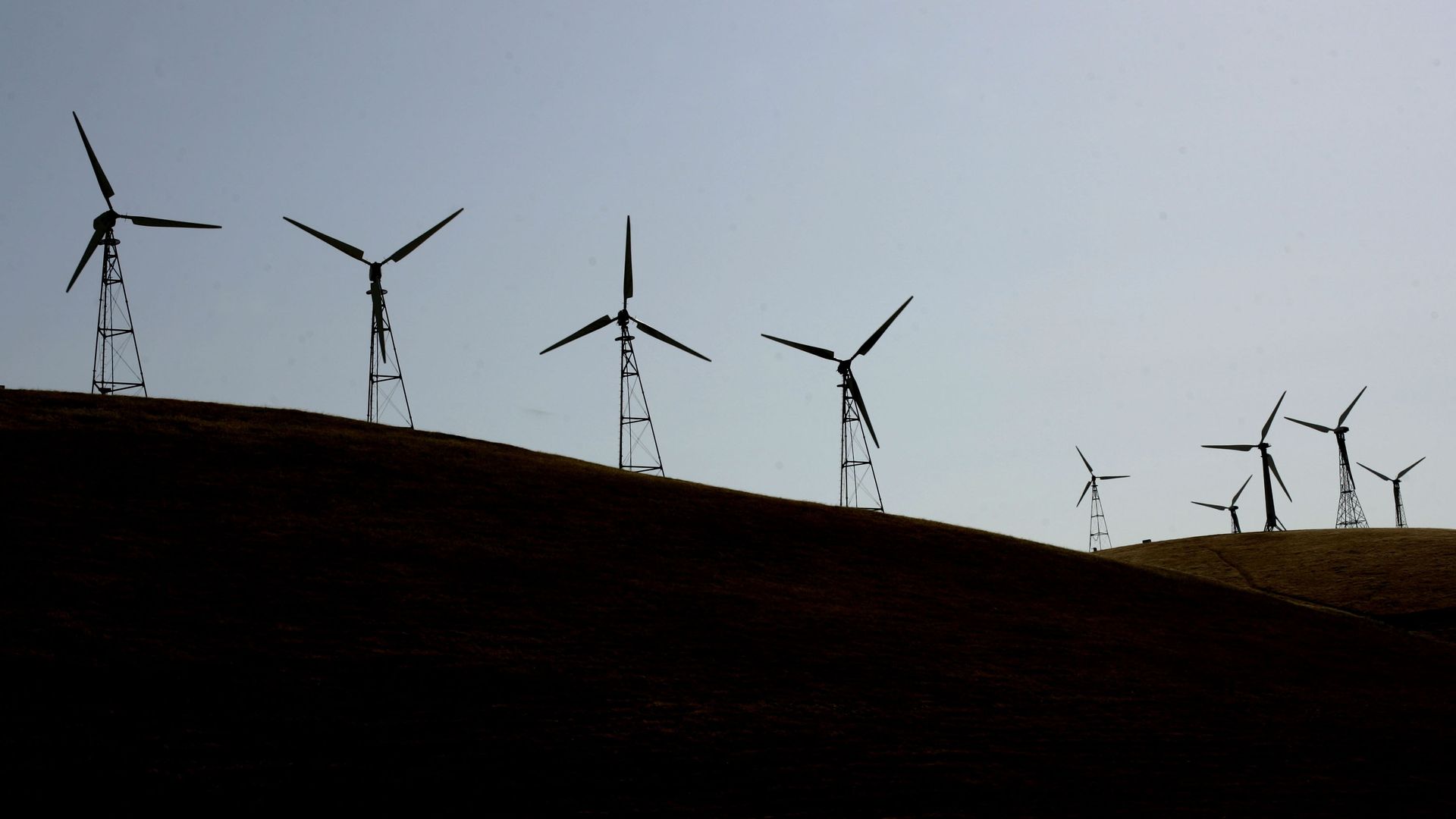
Forty-three businesses, with tech giants such as Apple and Facebook at the helm, are acquiring clean energy at a much higher level than in previous years, per Bloomberg, despite the Trump administration favoring coal and nuclear power over renewable sources.
The details: In response to the administration's lack of interest in green energy, some companies have become formidable advocates for green energy. In this case, 43 businesses have signed a contract for the use of a record 5.4 gigawatts of clean power — up from 4.3 gigawatts in 2016, Bloomberg says. Bloomberg says that this amount could dislodge more than 10 coal-fired power plants.
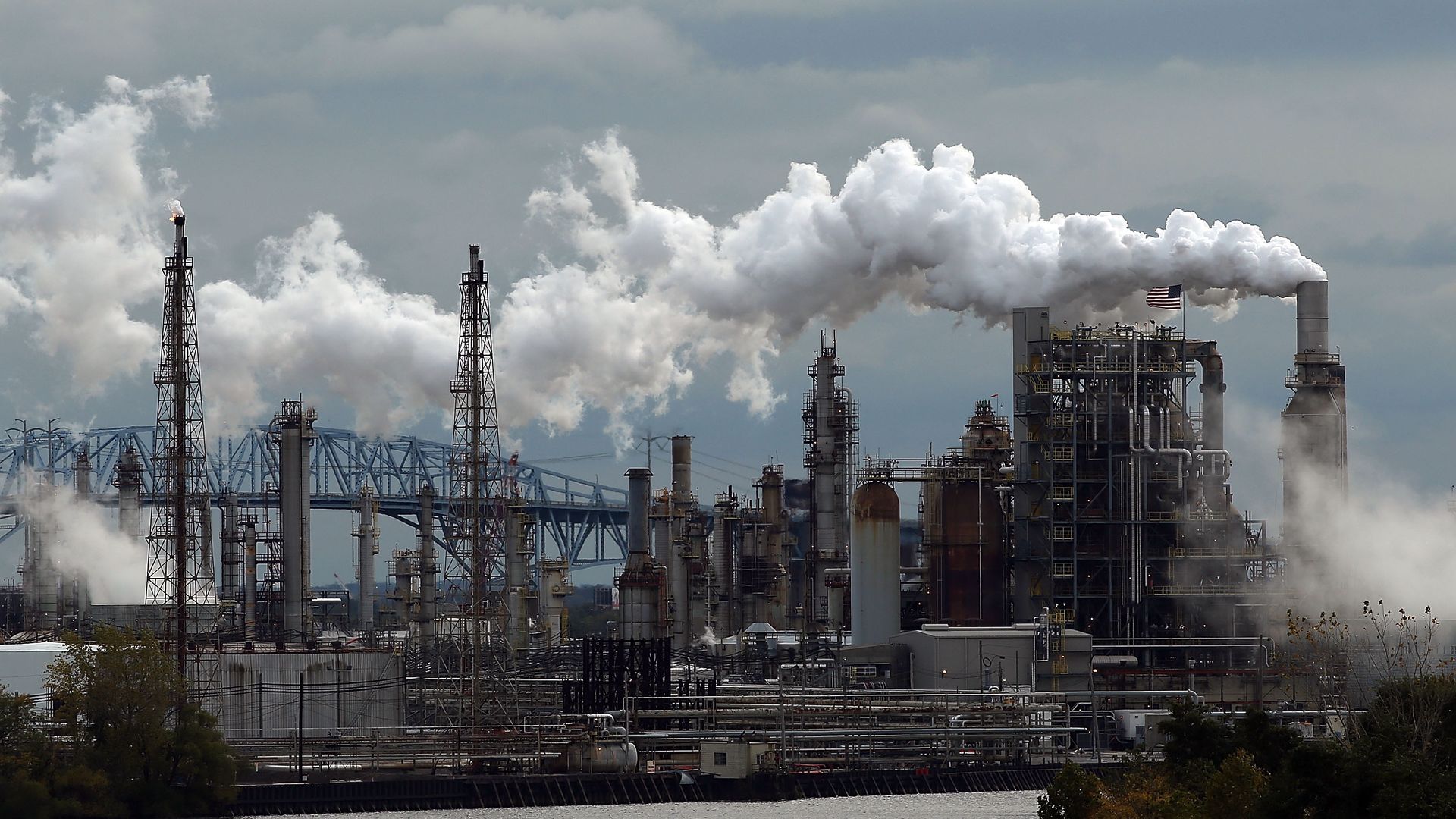
Philadelphia Energy Solutions, the East Coast's oldest and largest oil refinery, said that it will file for Chapter 11 bankruptcy protection, as part of a structuring that includes $260 million in new financing from creditors and existing owners like The Carlyle Group. Current operations are not expected to be affected.
Why it matters: The bankruptcy is certain to fuel a political fight over the Renewable Fuel Standard, the national biofuels mandate that independent refiners say is imposing burdensome costs.
Welcome to Government Shutdown 2018, where the Art of the Deal seems to have been painted by Jackson Pollock. A quick rundown of how this affects financial markets:
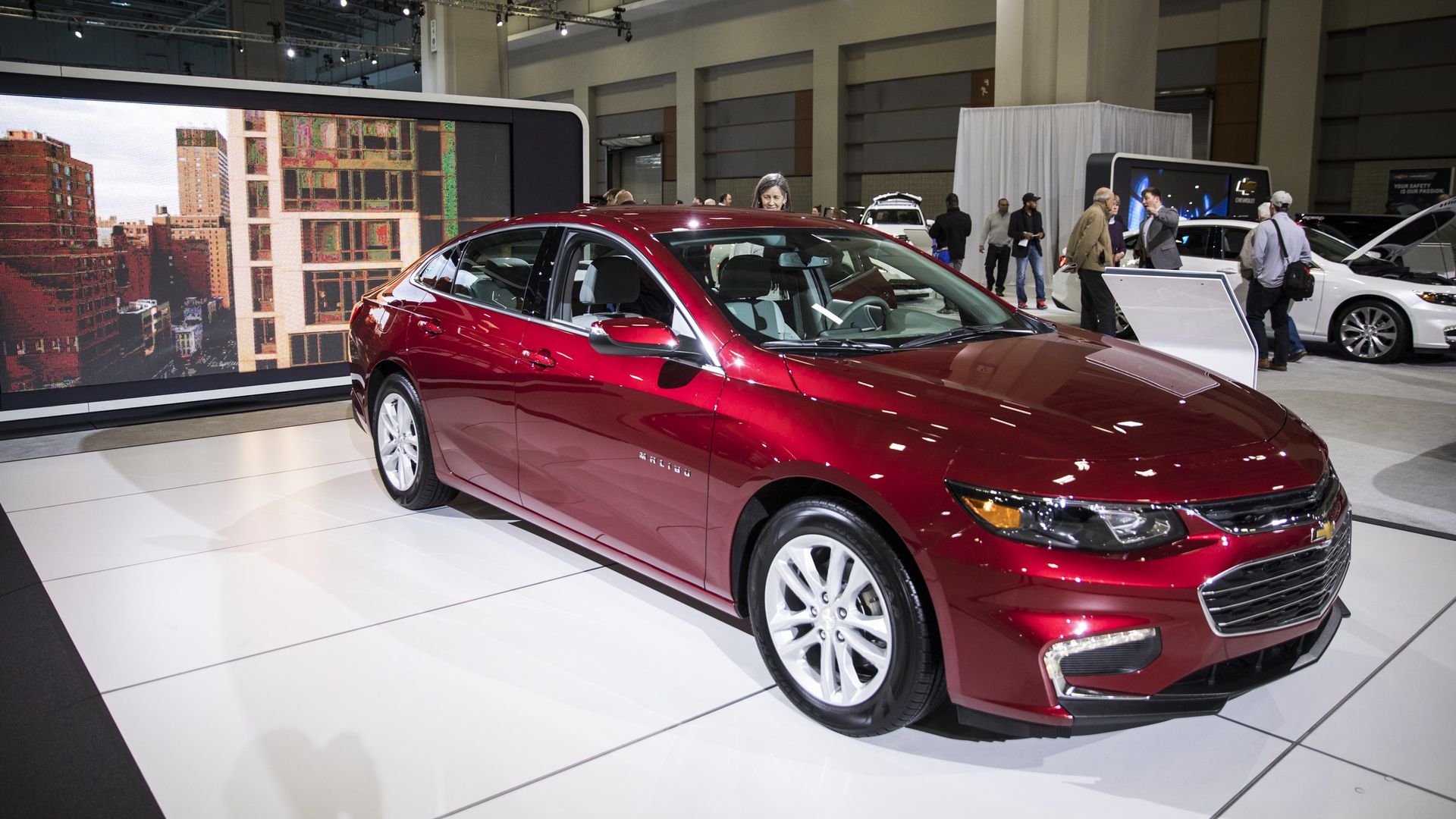
The 2018 Washington Auto Show begins on Tuesday, and will be displaying a variety of electric vehicles, as well as allowing lawmakers and regulators to discuss "unique challenges and opportunities" surrounding new transportation trends in the MobilityTalks International forum.
Why it matters: This year's show will have the most all-electric vehicles to date, according to the Washington Area New Automobile Dealers Association communications manager Mike Bushnell.
New York City and several California municipalities are suing big oil companies, alleging they concealed what they knew about climate change and are liable for billions of dollars of damage caused by rising global temperatures.
Why that’s flawed: The strategy is based on the 1990s lawsuits against tobacco companies, which found they concealed and misrepresented what they knew about the health effects of cigarettes. But climate change is a global problem we’re all collectively causing by burning products owned by fossil-fuel companies. What’s more, the legal roots of these claims today are untested and unlikely to succeed, lawyers supportive of the effort say.