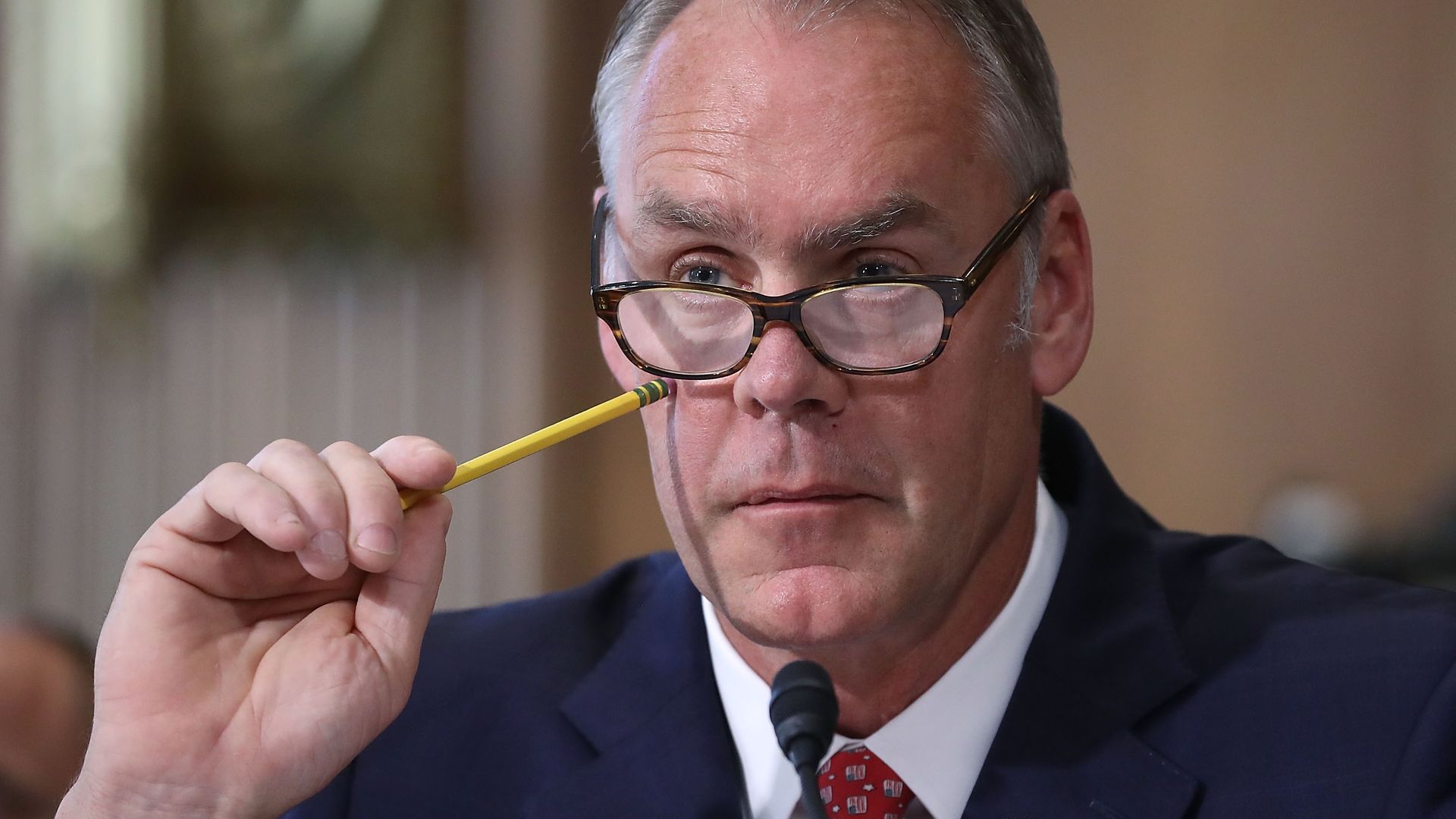
Less than a day after Interior Secretary Ryan Zinke said he would remove Florida from his offshore oil-and-gas leasing plan, at least six coastal governors are pressuring the Trump administration to exempt their states as well.
Why it matters: Zinke's decision on Tuesday came in response to objections from Florida GOP Gov. Rick Scott, a Trump ally. Of the six governors now pushing back, three are Republicans. Their calls for exemptions could test Zinke's new policy, and reveal whether he will give equal consideration to governors from both parties.
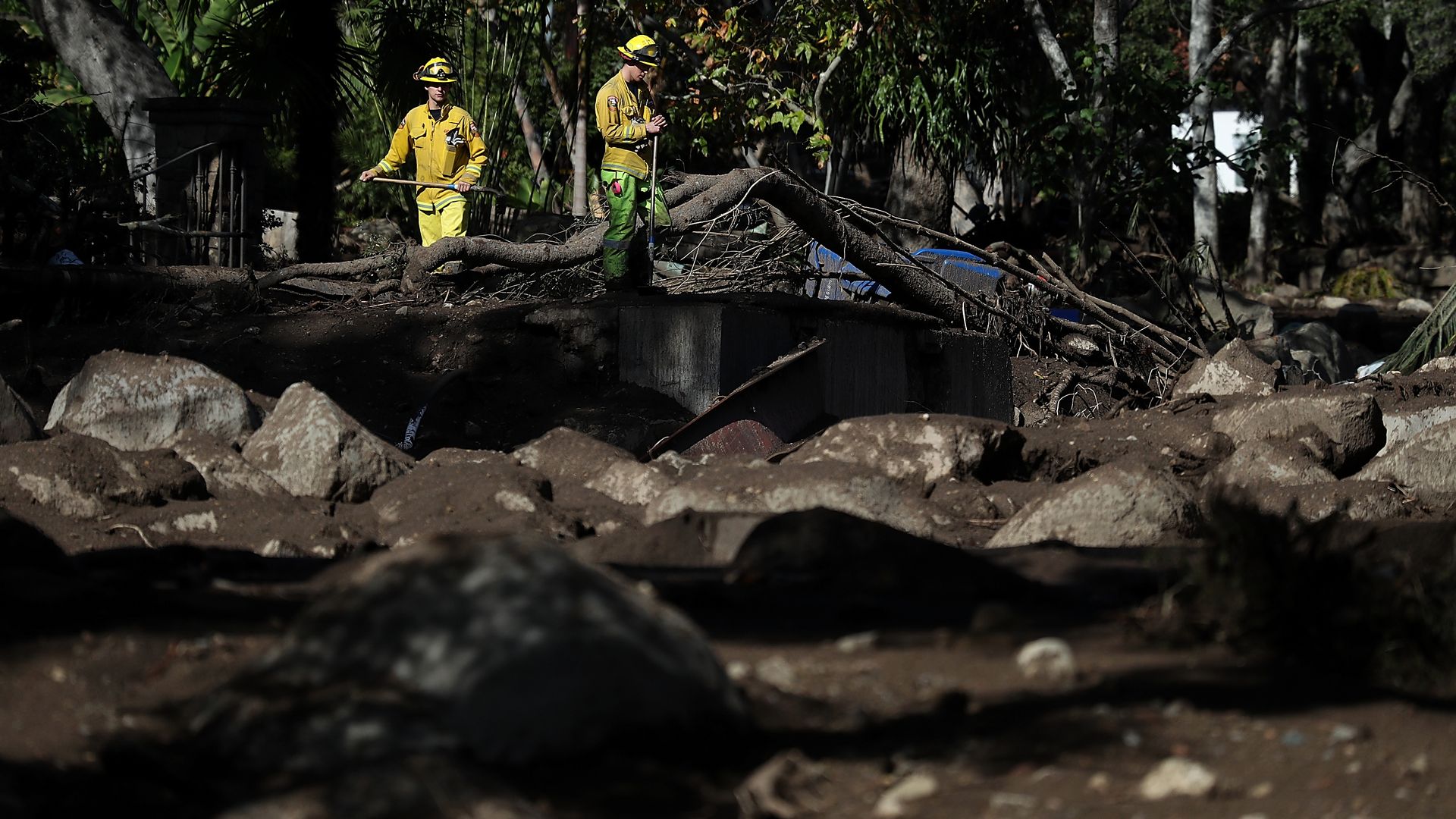
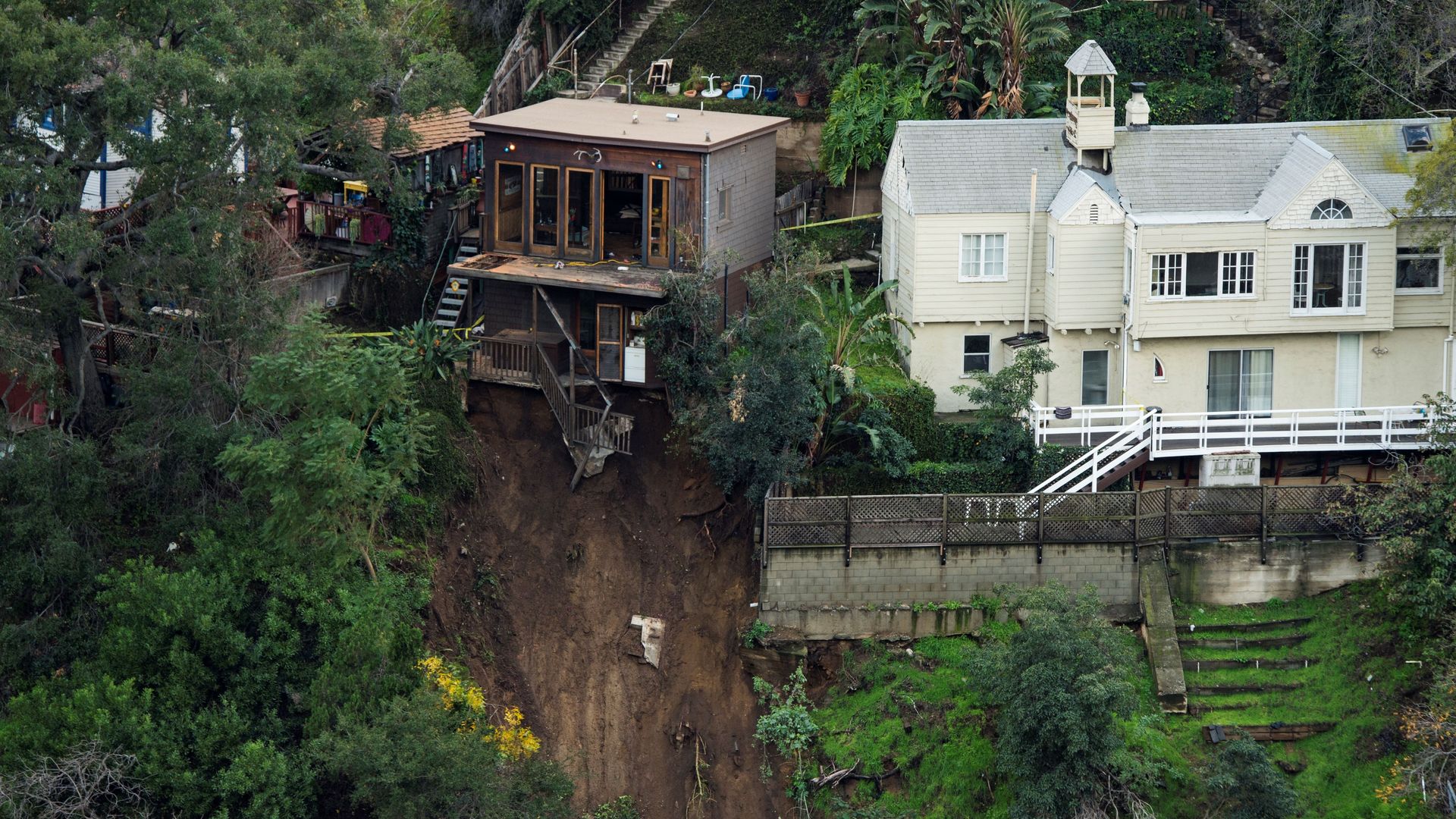
At least 15 people are dead, 24 are missing, and hundreds are stranded after severe flash flooding and mudslides smashed homes and swept away cars in southern California Tuesday — just weeks after thousands of acres in the region were destroyed by wildfires, AP reports.
By the numbers: Authorities said at least 25 people were injured, with four in critical condition, and another 50 had to be rescued by helicopters. 100 single-family homes have been destroyed, and 300 have been damaged. Response teams are working to rescue 300 people who are trapped in their homes.
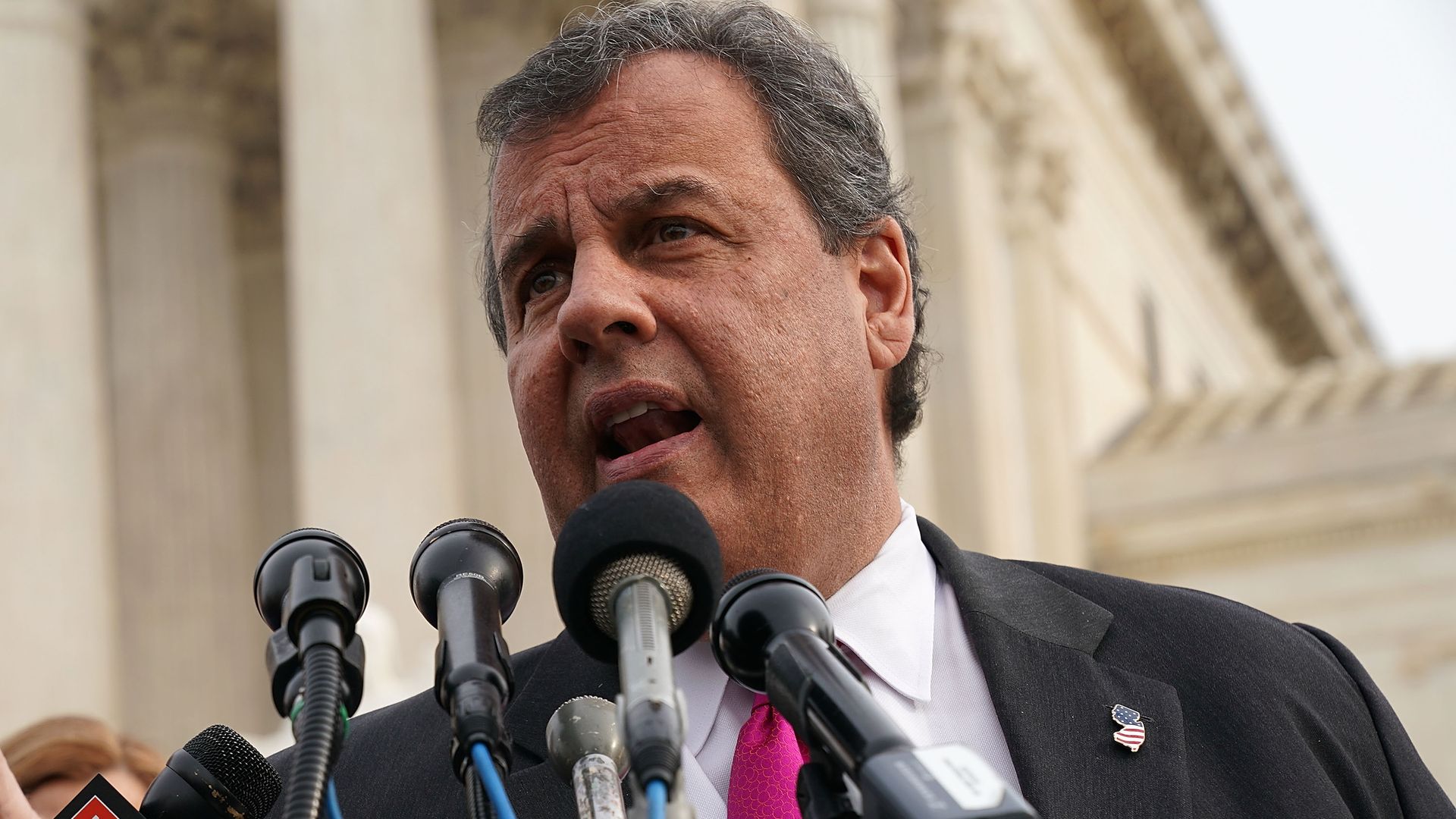
Interior Department should abandon a draft proposal to sell oil-and-gas drilling rights off the New Jersey coast, Governor Chris Christie said, same as Florida was removed from the offshore leasing plan.
Why it matters: The statement from Christie's office is another sign that Interior Secretary Ryan Zinke's agreement with Florida Gov. Rick Scott is having an instant political spillover effect on the new plan to make vastly more offshore areas available for leasing in the coming years.
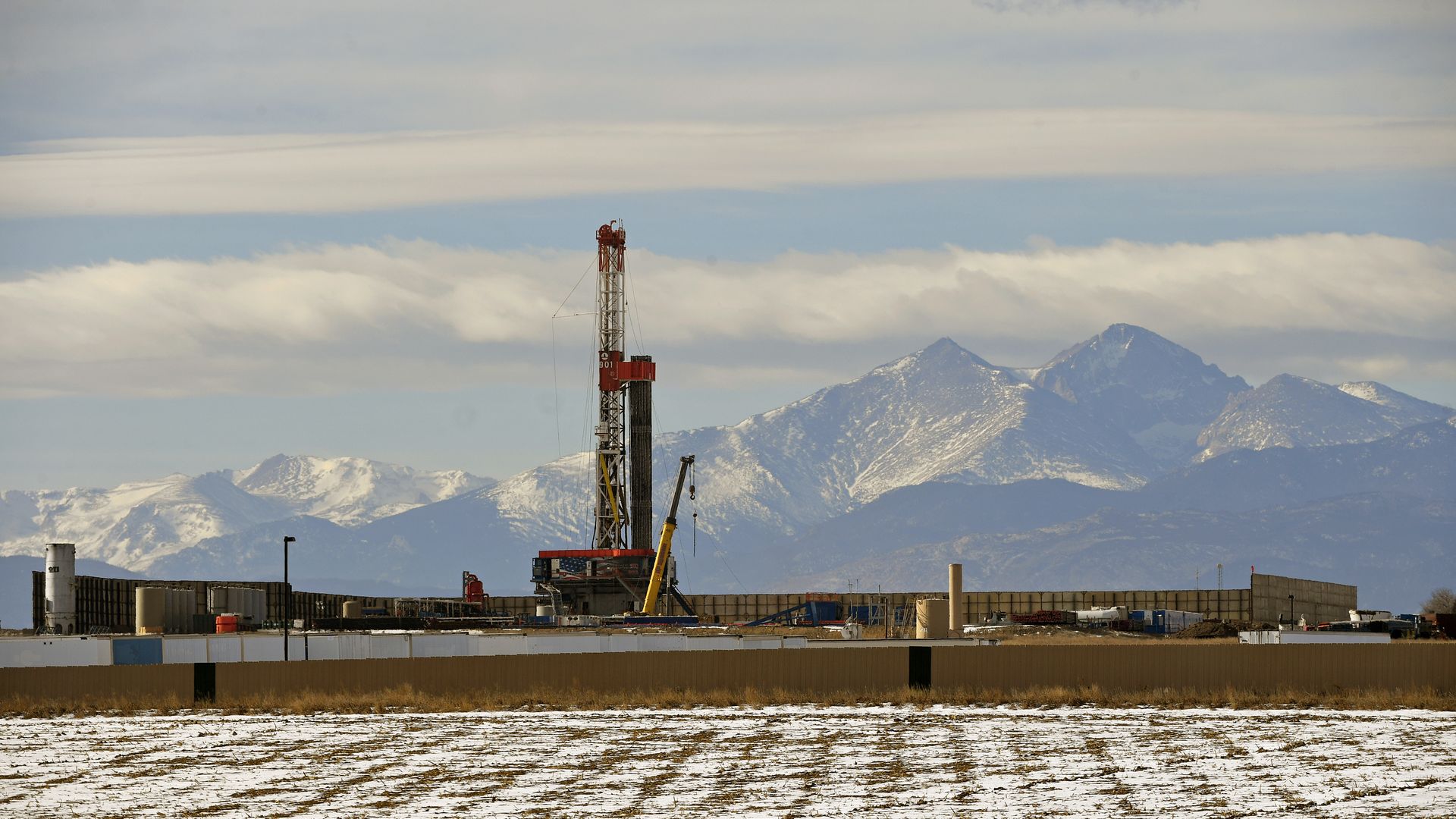
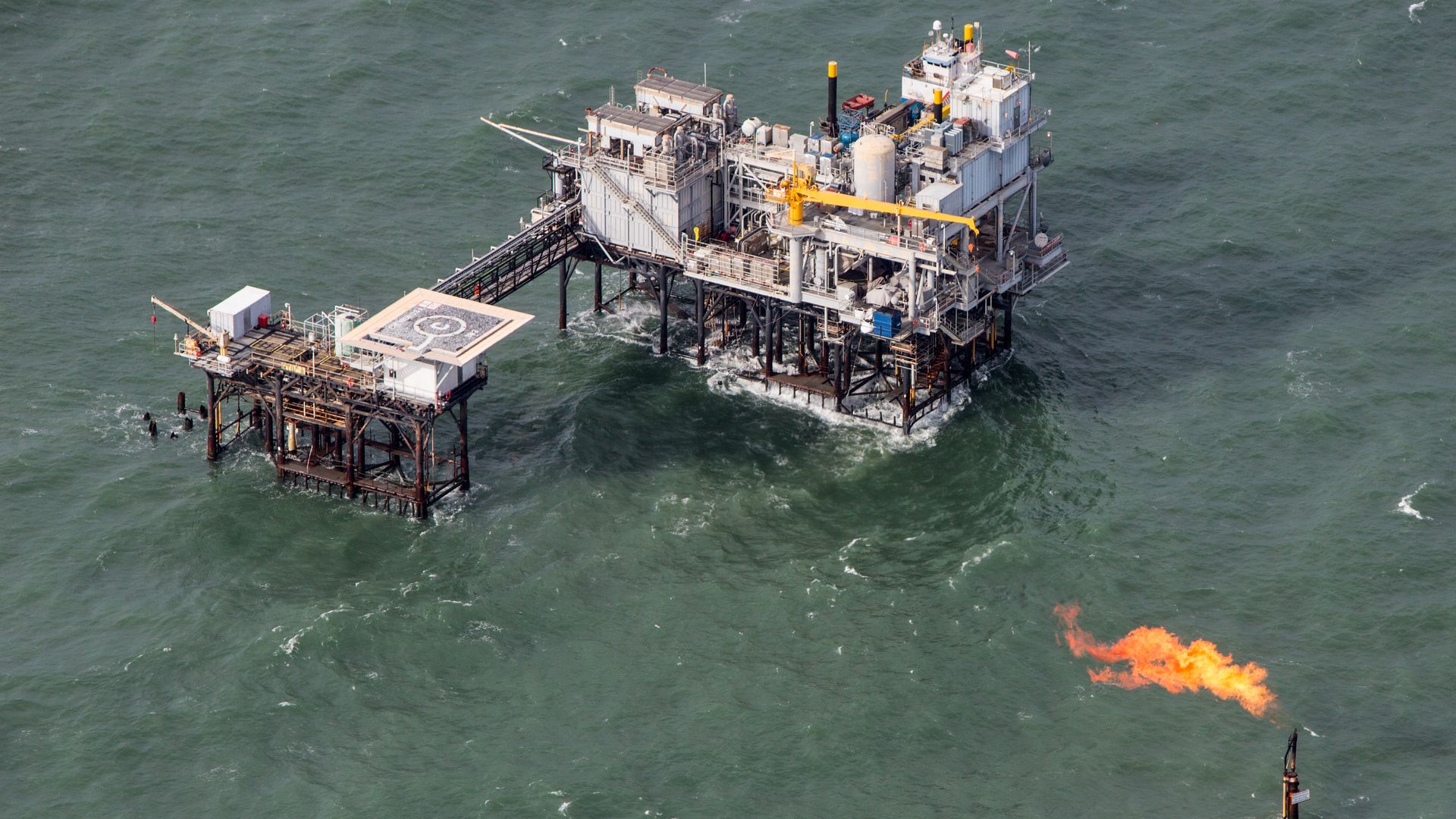
U.S. crude oil production is expected to surpass 11 million barrels per day late next year, the Energy Information Administration says in its short-term energy outlook.
Why it matters: The forecast, while consistent with rising U.S. output thanks to the shale boom, nonetheless highlights how the U.S. has again become a powerful force in global crude oil markets and a major challenge to big petro-states.
As CNBC points out here, the projection that U.S. oil production will average 10.8 million barrels per day next year would put the country's output on par with Russia and Saudi Arabia.
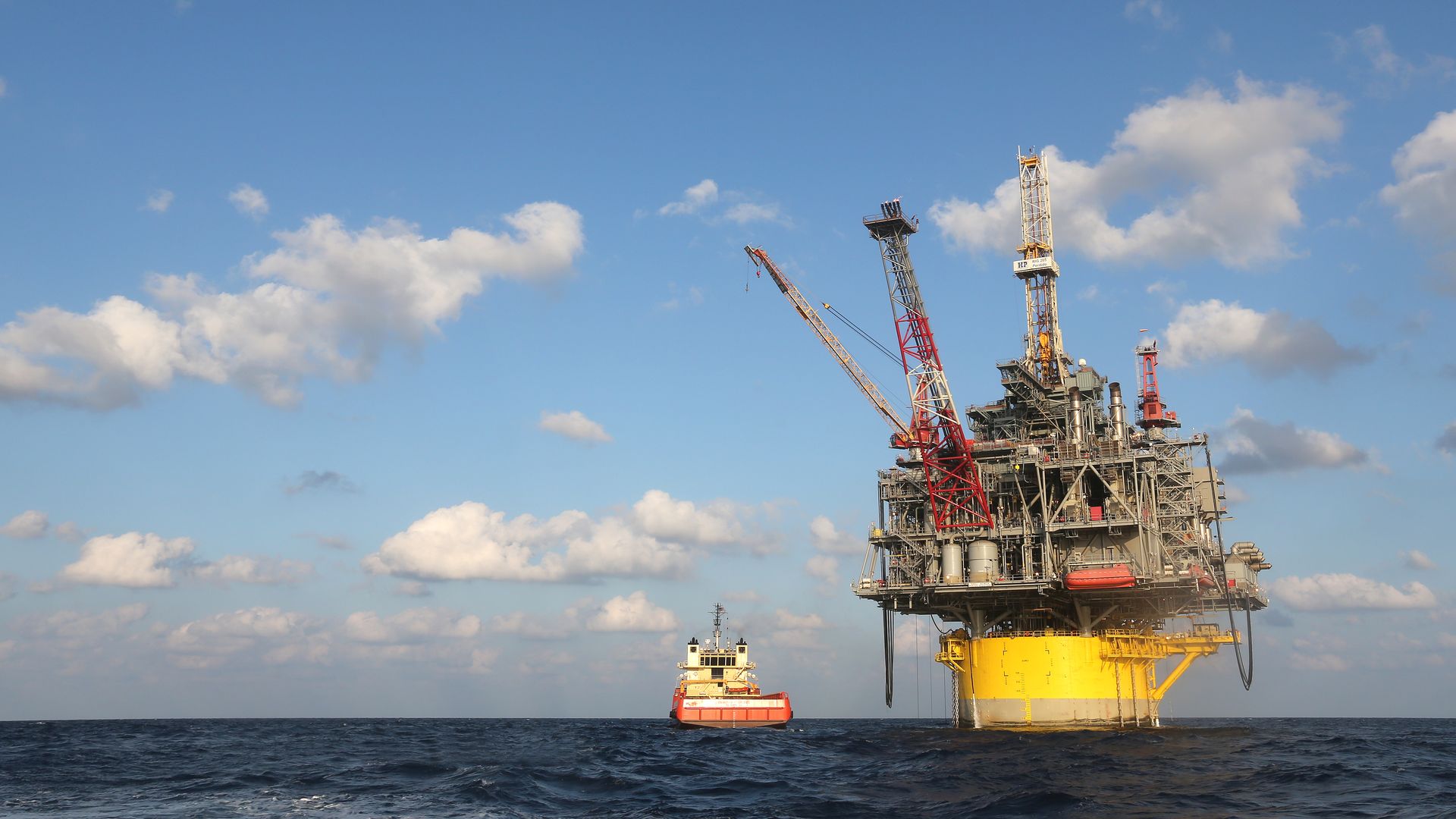
Interior Secretary Ryan Zinke’s decision late yesterday to remove all of Florida from the agency’s new offshore oil-and-gas leasing plan is immediately roiling the politics — and may complicate the legal future — of the sweeping proposal.
Why it matters: This announcement, which followed a meeting with GOP Florida Gov. Rick Scott, happened as the ink was still drying on the Trump administration's draft plan released last week. It takes away all of an area — the eastern Gulf of Mexico off Florida — that the industry has long had interest in exploring. And, some say it was decided rather arbitrarily and could become part of expected legal battles over the plan.
Unrelenting rains have brought flash floods and mudslides to southern California — just weeks after thousands of acres in the region were ravaged by wildfires.
At least 13 people have been killed by the mudslides, AP reports. An additional 25 people have been injured and search missions are continuing as police manage a backlog of requests, per the Washington Post.
The Trump administration is backing away from plans to allow oil drilling off the coast of Florida after the state's Republican Gov. Rick Scott criticized the proposed moves.
Officials from the Department of the Interior said Thursday that they were floating draft plans to open up the Atlantic and Pacific coasts, the eastern Gulf of Mexico, and revive lease sales in Arctic waters off Alaska's coast, per Axios' Ben Geman.
With the Interior Department looking to greatly expand the coastal regions made available for oil and natural gas drilling, Florida GOP Reps. Matt Gaetz and Francis Rooney told Politico that House Speaker Paul Ryan has pledged to push for a ban on drilling in the eastern Gulf of Mexico.
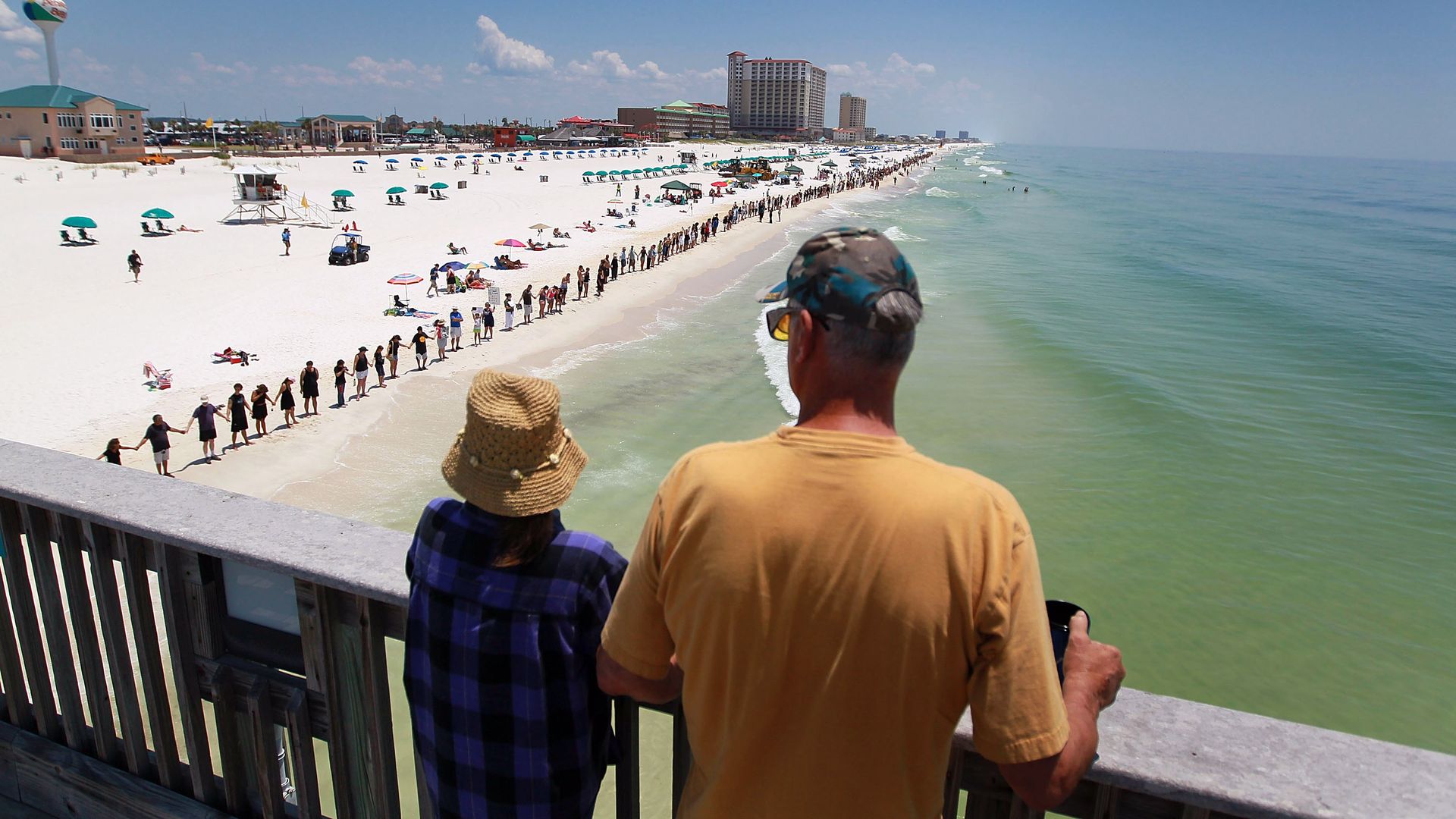
Why it matters: Republican support for President Trump's "energy dominance" agenda has a limit, and one of the areas most likely to fall off the final drilling plan is offshore Florida. NIMBYism — not in my backyard — is a tried and true practice. Florida's politicians from both parties have long opposed drilling off their coastline given the state's dependence on beach tourism and fears of an oil spill.
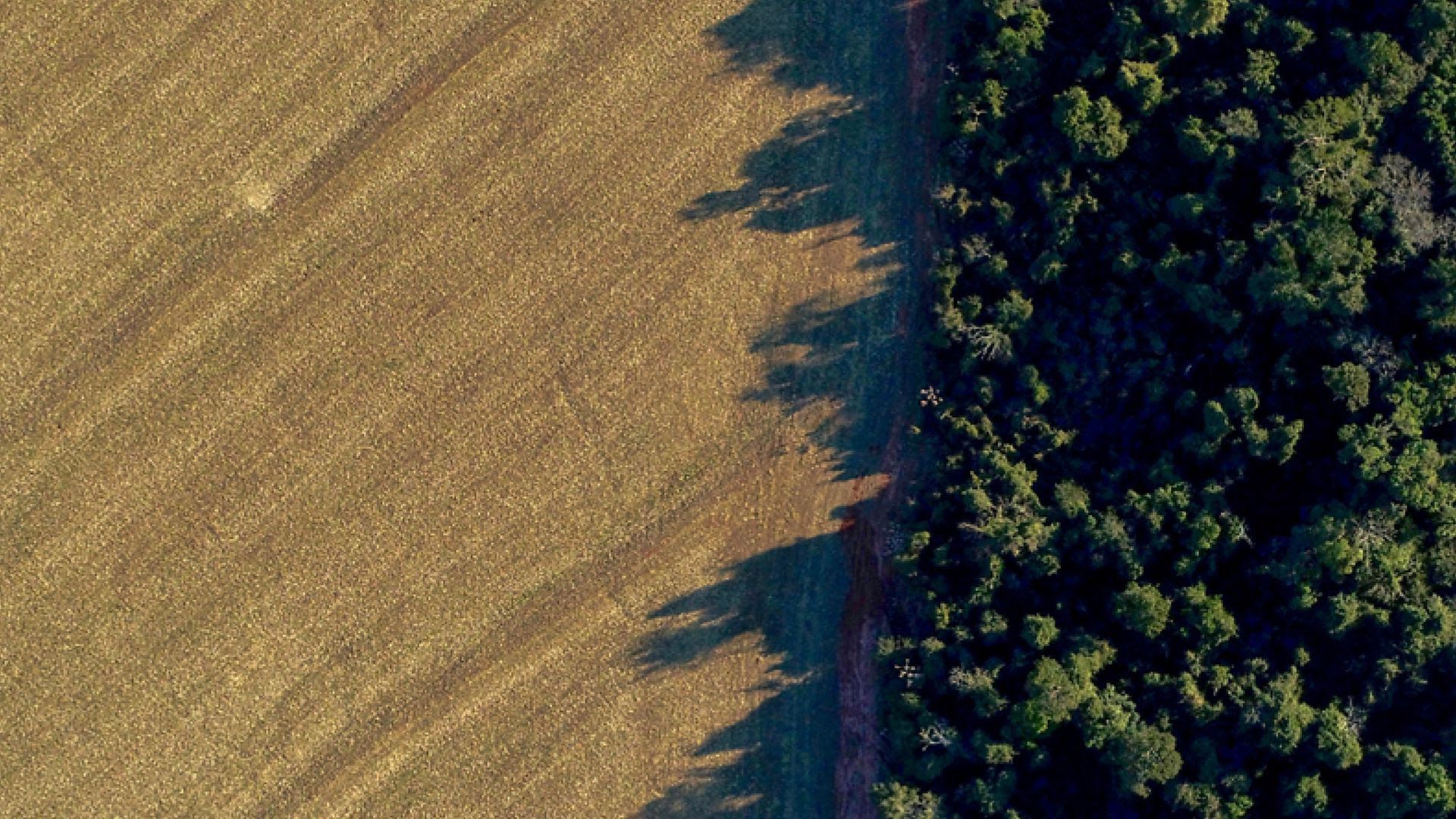
The U.S. biofuels mandate is driving destruction of ecologically vital forests in Argentina to make way for soybean fields, despite U.S. policy aimed at preventing imports of biodiesel linked to deforestation, according to a new report out today.
The report, available here, from the groups Mighty Earth and ActionAid USA (two groups that oppose biodiesel), is broadly critical of biodiesel's environmental footprint. But the research is focused on the Chaco region of Argentina, where a team led by the environmental investigation group Ecostorm conducted an on-the-ground inquiry, the groups said.