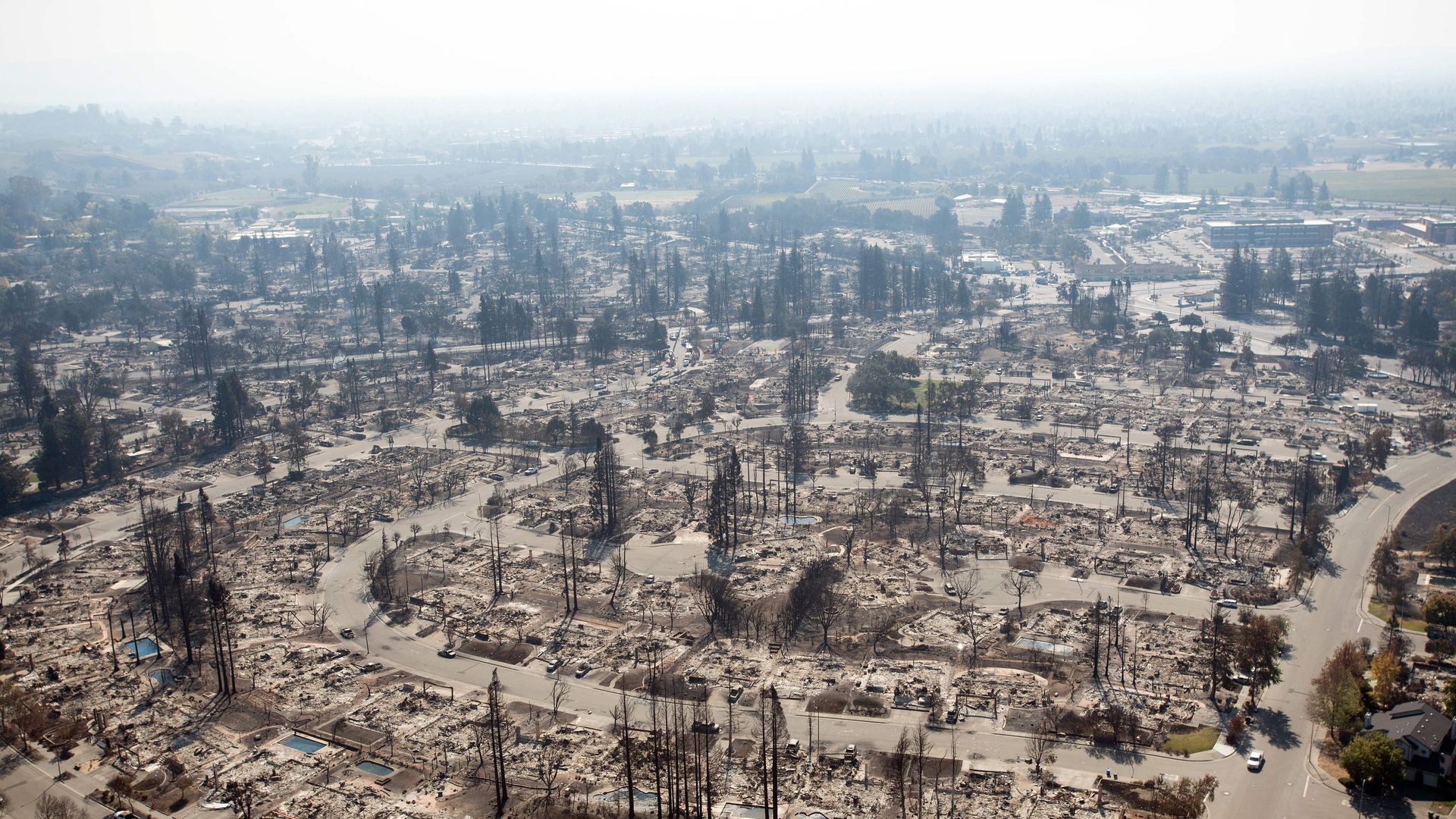
The string of devastating hurricanes and wildfires across the United States in 2017 cost the country $306 billion in damages, a record-breaking number, the National Oceanic and Atmospheric Administration reports.
Key stat: In 2017, there were 16 separate disaster events that topped $1 billion in damages. And these 16 events — which included storms, wildfires, droughts and freezes — killed 362 people.
America's natural gas industry is riding a political and economic wave it hopes can go all over the world. Much like surfing, it's not easy and won't last forever. Just ask Charif Souki.
Why we can learn from him: Souki, founder of Tellurian Inc., a new Houston-based natural-gas company, is considered a pioneer among his peers and embodies much of the sector's ebbs and flows. "We're riding the wave now if we can figure out how to do it," Souki told me in an interview in the firm's new Washington, D.C. office.
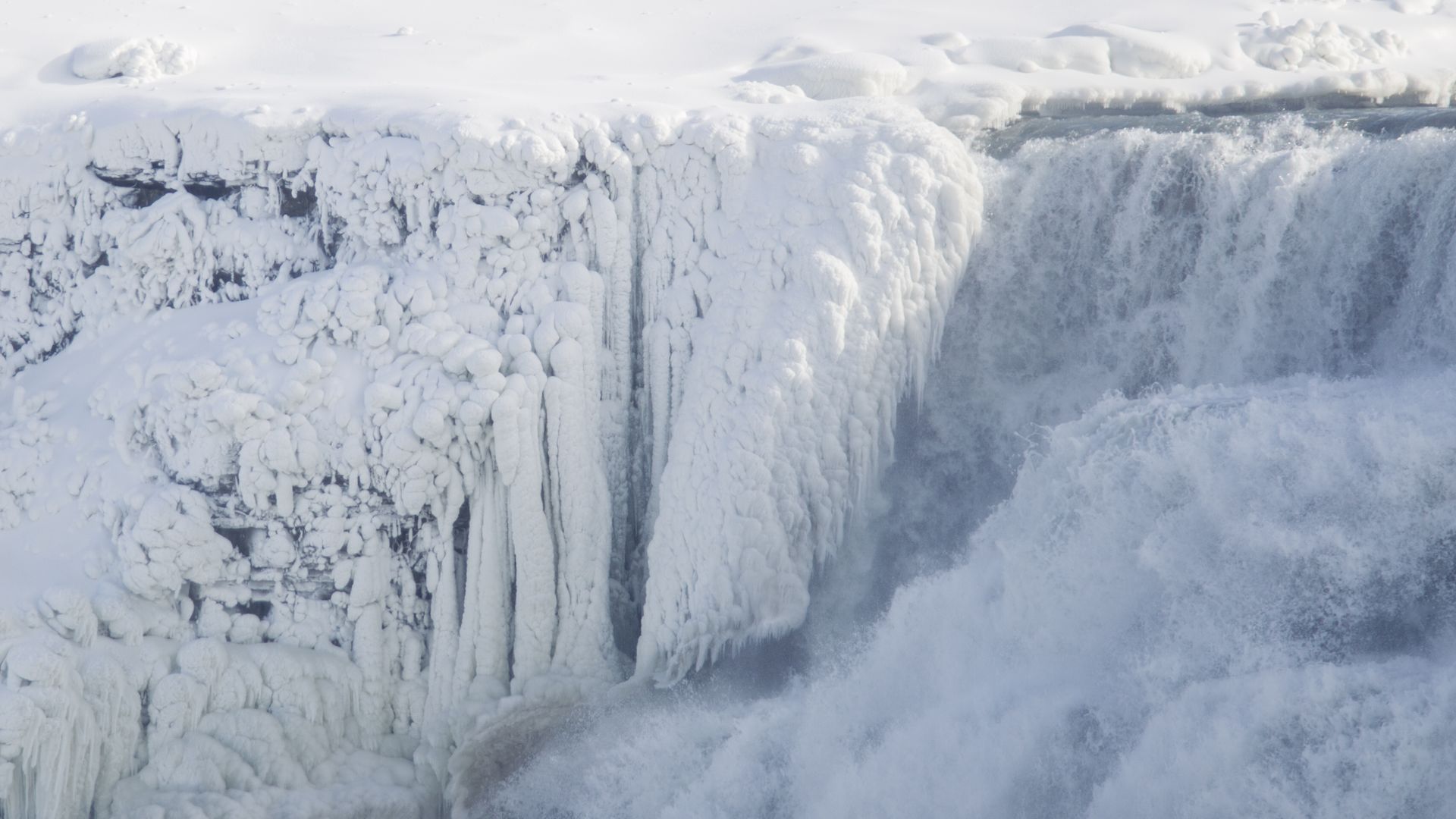
This weekend could be the coldest on record for several areas across the Northeast, brought on by what several scientists say is a weakening polar vortex. Meanwhile, the rest of the world is currently experiencing warmer-than-average temperatures, including both the North and South poles. The connection between these seemingly contradictory weather patterns may be climate change.
The bottom line: The consensus among researchers is that the Arctic is warming faster than any other region in the world. The resulting loss of sea ice in the area could be weakening the polar vortex, allowing cold air from the North Pole to be misplaced over lower latitudes, like North America, and thus creating these cold snaps. But the extent of that link is debated.