Nvidia's acquisition of Hugging Face accelerates the chipmaker's push to dominate the broader AI ecosystem while placing it squarely at the center of the open-source movement.
Why it matters: Nvidia wants to be more than a really good chip designer — and it's using its deep pockets to tighten its grip on the software and development tools that power the AI supply chain.
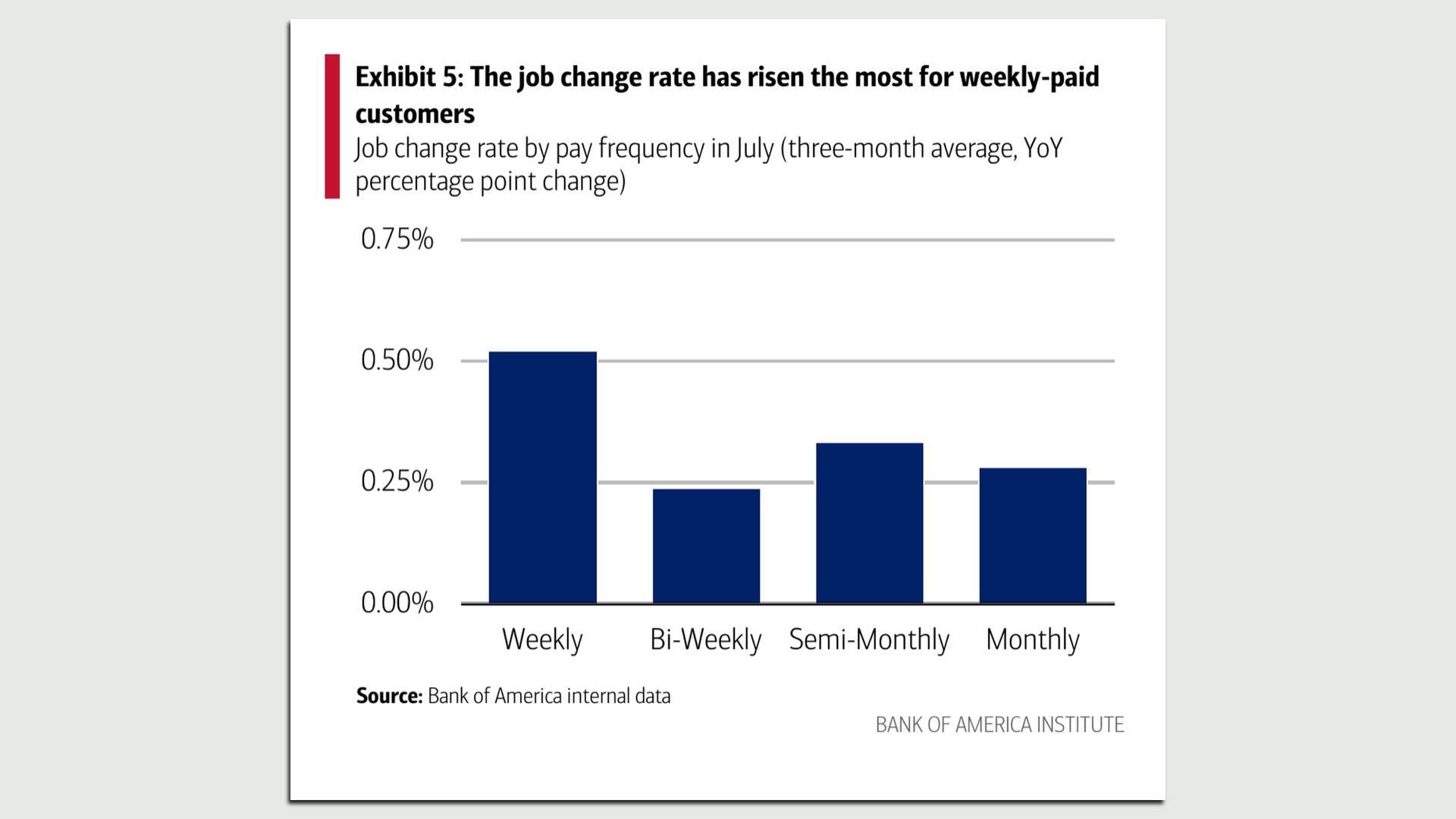
There is a bright spot in a labor market that private-sector reports suggest cooled last month. Lower-paid workers are switching jobs more often and getting bigger raises when they do.
Why it matters: Lower-paid workers are typically among the first to feel a cooling labor market. But now the quirks of the economic cycle — including the AI investment boom — may be helping cushion the blow.
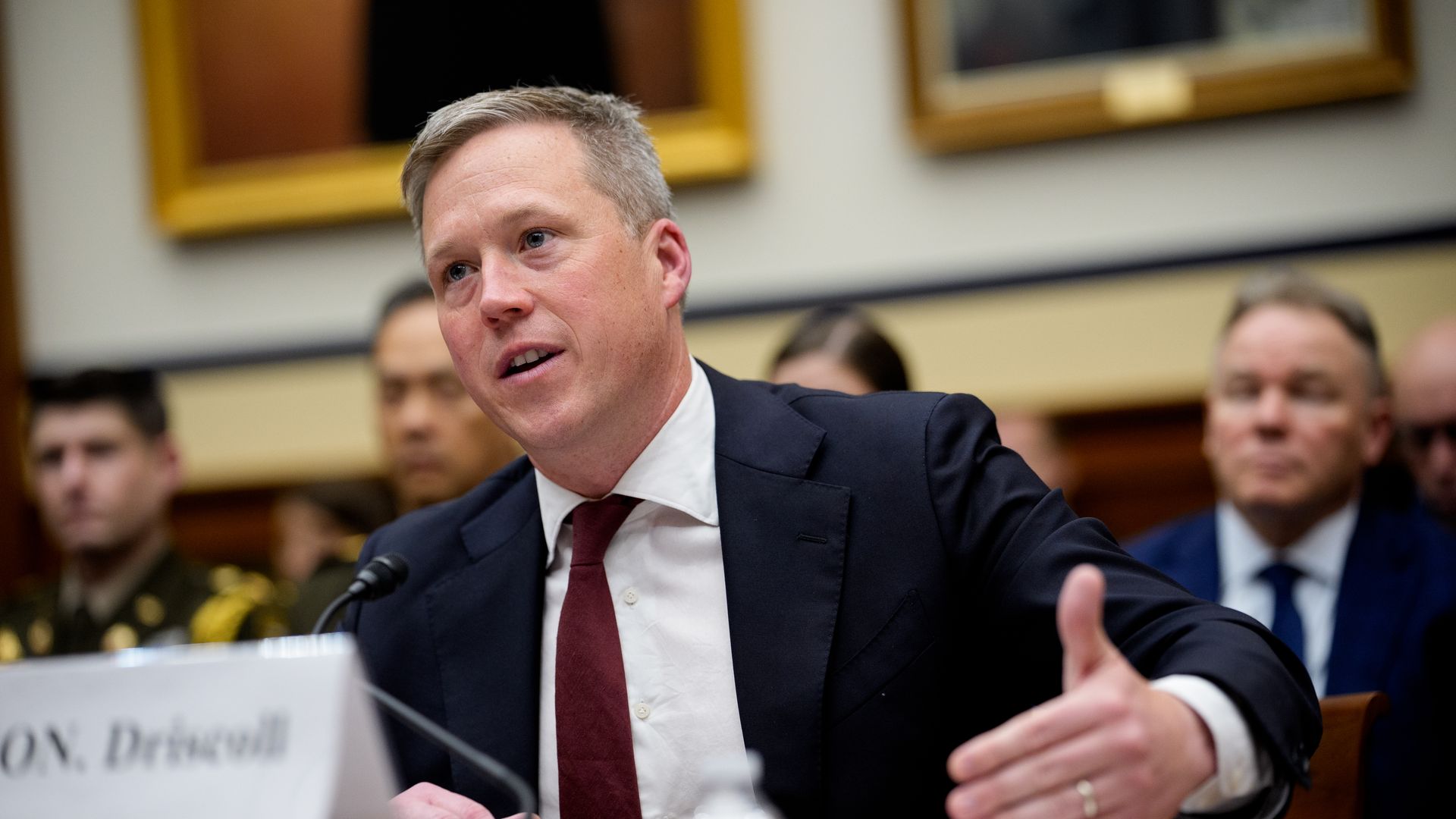
Defense tech has become one of venture capital's hottest sectors, after being ignored for decades, but it just lost a top evangelist within the Pentagon.
Vibes check: Defense-tech investors tell Axios that they're concerned and disappointed, but not slowing down.
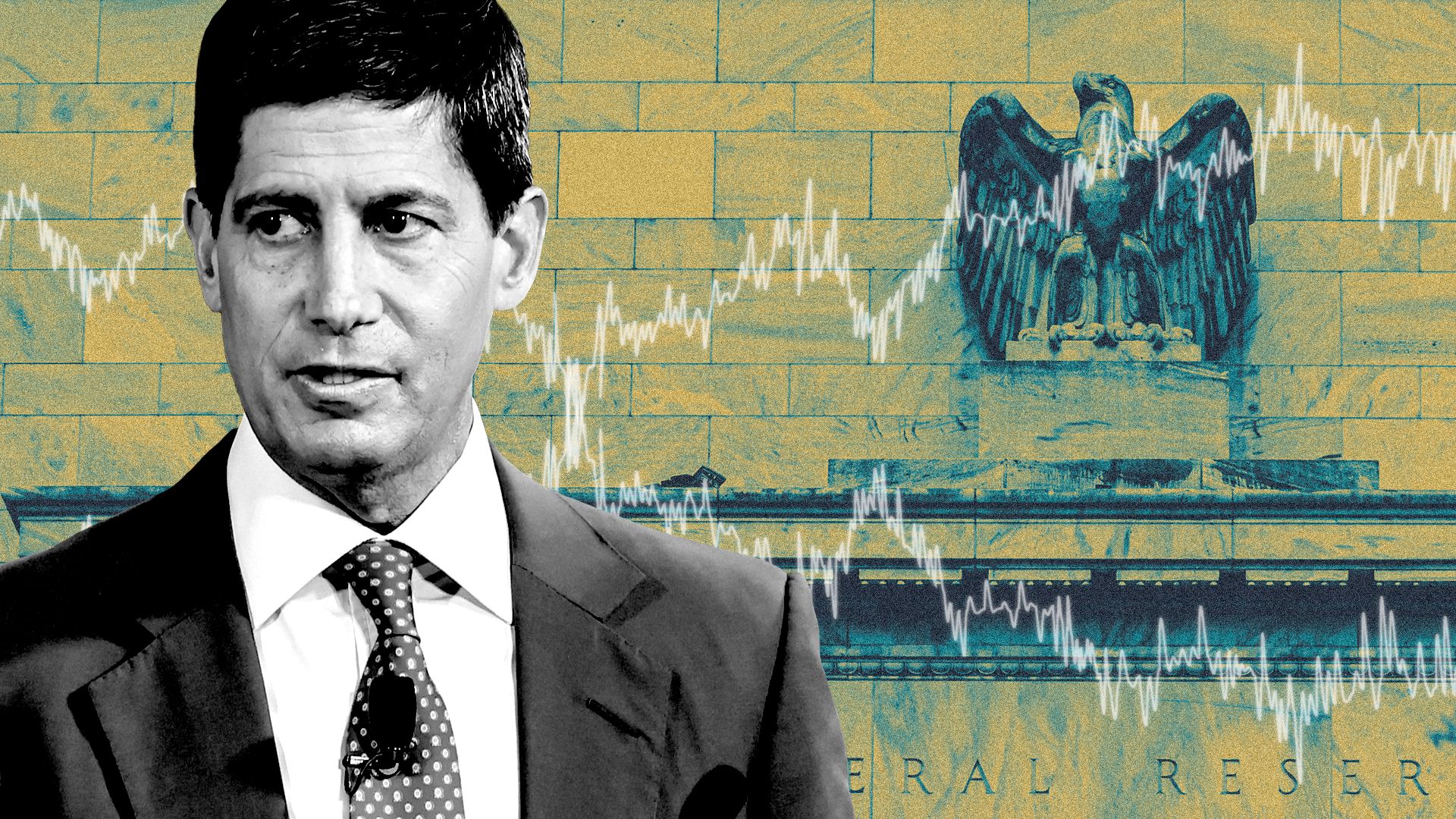
After Federal Reserve chairman Kevin Warsh's speech in Jackson Hole, the markets penciled in an interest rate hike for the central bank's mid-September meeting. Comments from two influential officials now throw those expectations into question.
The big picture: With August jobs and inflation data due out before a policy meeting in two weeks, the decision of whether to tighten policy appears to be on a knife-edge.
Nvidia on Thursday announced that it will acquire open-source AI platform Hugging Face for $12.93 billion.
Why it matters: This is a massive validation of open-source AI, by a chip design giant known for its work with closed-model companies like Anthropic and OpenAI.
The price of wheat is soaring — trading at levels last reached in early 2023, when markets were climbing down from the price shock of Russia's invasion of Ukraine.
Why it matters: Escalating tensions in the war are again pushing up prices for this critical grain.
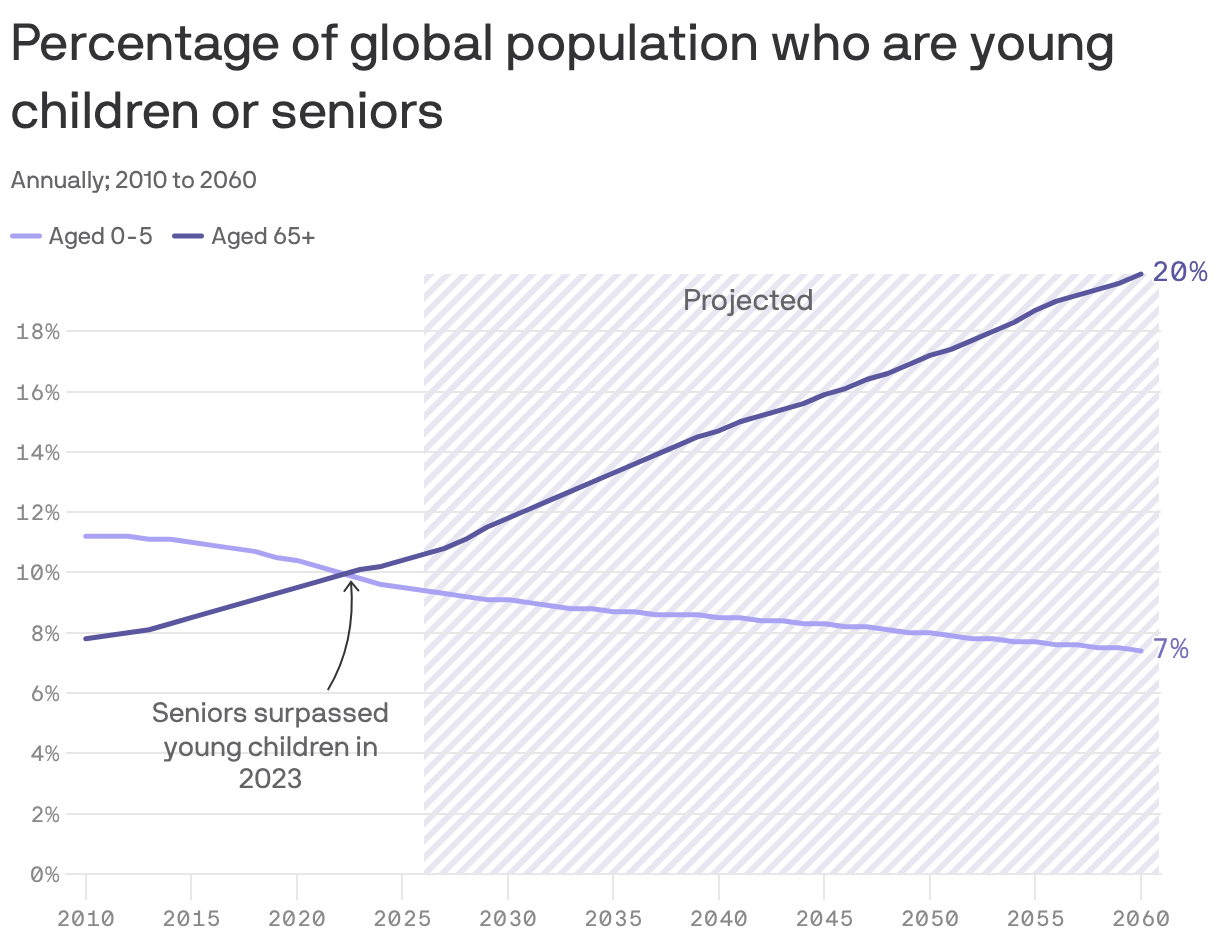
Data: U.S. Census Bureau, International Database; Chart: Noah Bressner/Axios
People 65 and older now outnumber children ages 5 and younger worldwide for the first time in recorded history, according to a new report by the U.S. Census.
Why it matters: A global plunge in fertility — demographers' term for the number of children being born — and increased longevity are creating a demographic inversion that's projected to deepen for decades.
It's a trend that's shifting the historic balance between working-age people and older adults.
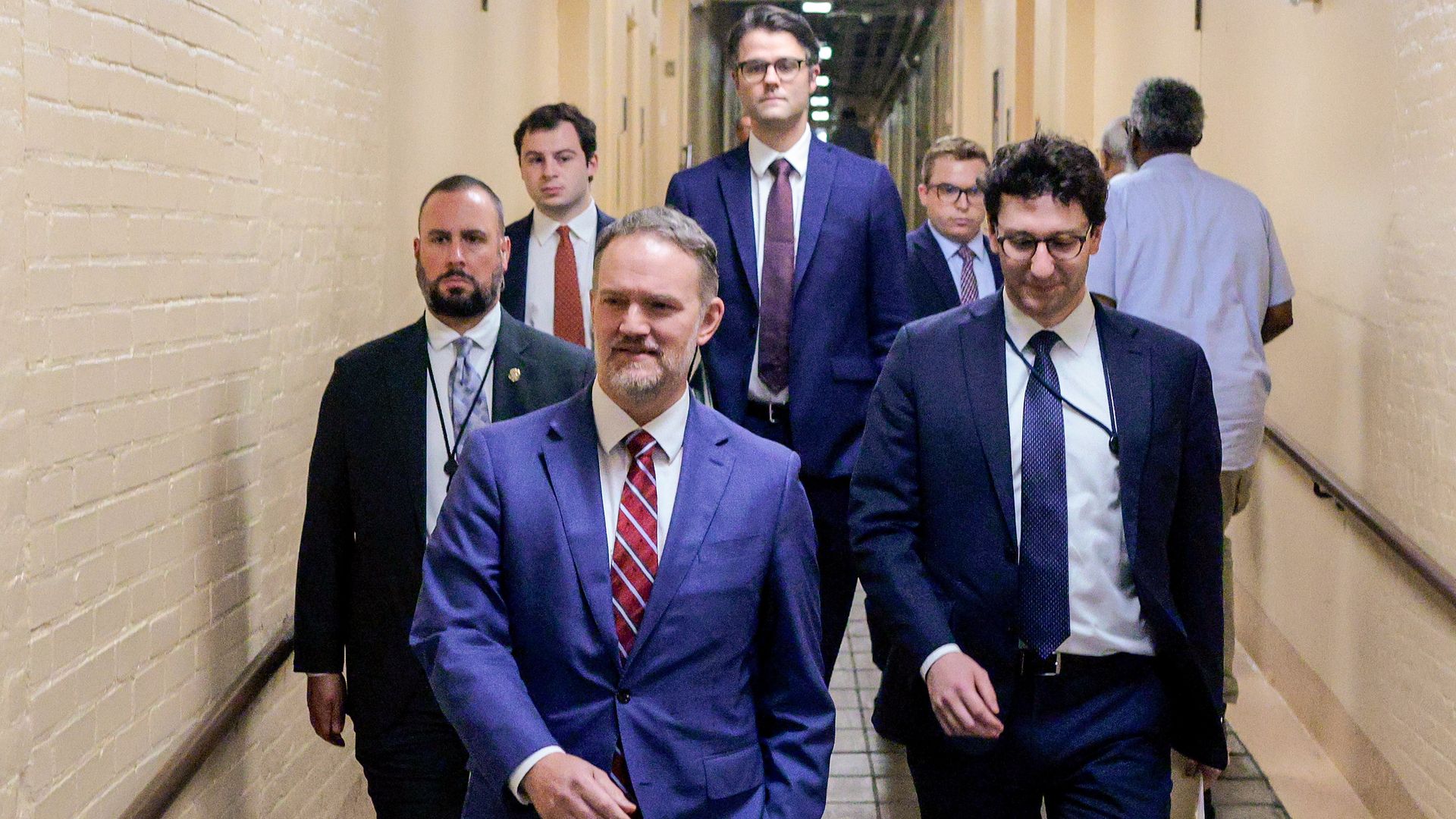
House Republicans are taking their growing frustration with President Trump's trade policies straight to the White House — and they aren't afraid of a food fight.
Why it matters: In public and in private, Republicans are increasingly frustrated with Trump's trade policies, including allowing more tariff-free beef imports and his trade war with Canada.
Private employers added jobs at a tepid rate last month, ADP said, as economists await Friday's release of the official government employment data for August.
Why it matters: The ADP data adds to the evidence that a surge in the job market this spring gave way to more moderate expansion over the summer.
The Trump administration is explaining the surge in long-term borrowing costs as evidence of a stronger economy, even as some leading investors see a warning about America's fiscal trajectory.
Why it matters: If Trump economic officials are right, higher yields might reflect an economy strong enough to make its enormous debt burden more manageable.
But worried investors see stubborn inflation that could keep rates higher for longer and a bond market forcing Washington to reckon with its debt sooner than expected.
Uber plans to cut 10% of its workforce to simplify its operations.
The big picture: The reductions come amid a fervent conversation over the role of AI in replacing jobs, but Uber didn't cite AI as a catalyst for the cuts.
There is a $100 billion question hanging over the Trump administration's deal to effectively gain control of more than a dozen large oilfields in Venezuela.
Why it matters: This could become a big opportunity for private equity and private credit, albeit one fraught with pallets of political risk.
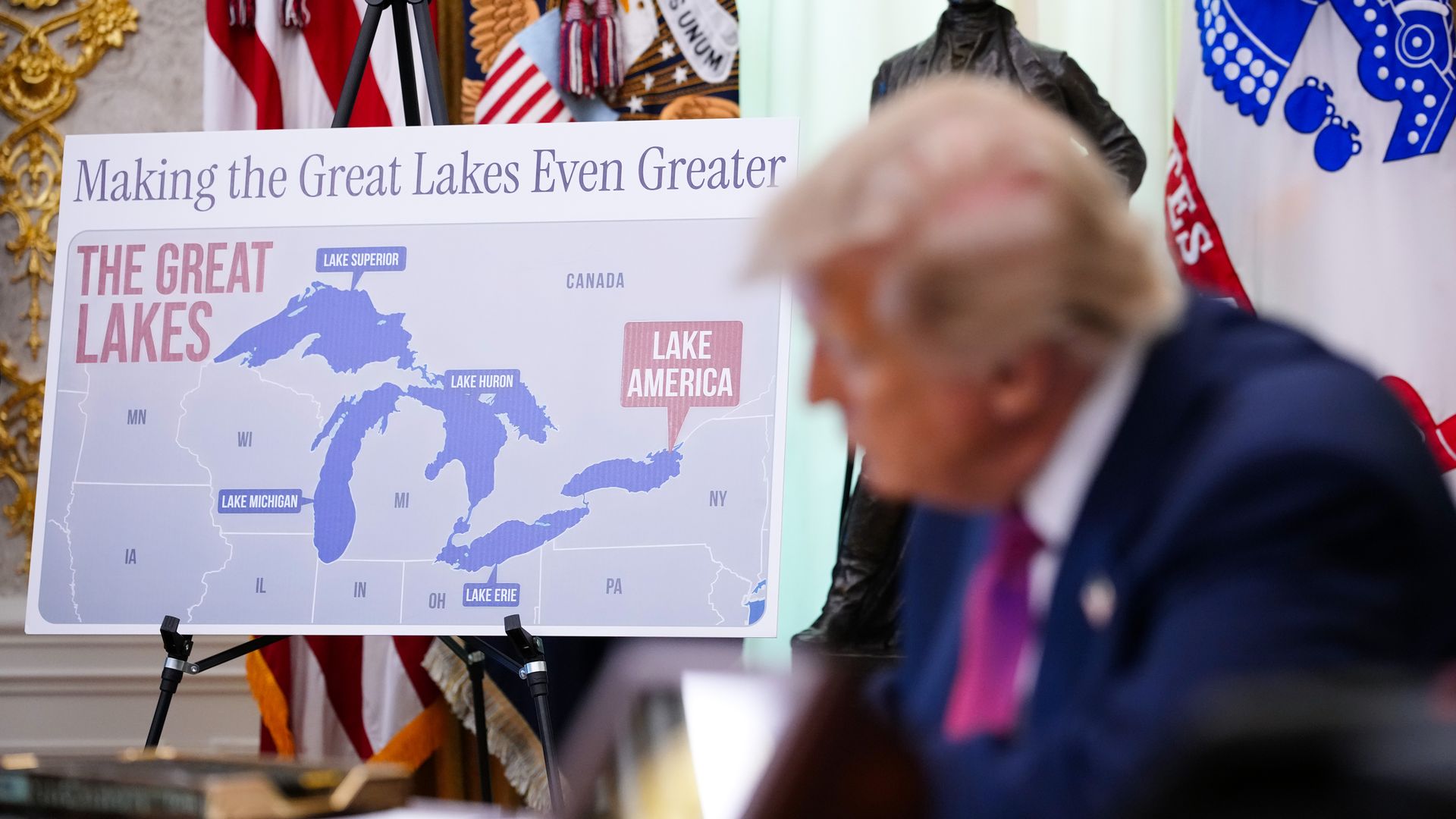
President Trump's order renaming Lake Ontario to "Lake America" isn't floating with Americans, with a majority opposing the name change and his new tariffs on Washington's northern neighbor, per recent polling.
The big picture: After trade talks between the longtime allies collapsed last month and triggered steep new tariffs, the Trump administration has escalated its feud with Canada.
Fanatics is combining its sportsbook, casino and prediction markets into one app, Fanatics Betting and Gaming CEO Matt King exclusively tells Axios.
Why it matters: Sports betting's biggest players are broadening their apps as prediction markets become a bigger part of the competition for customers.
Investor fervor for the AI boom is so strong that companies are able to borrow billions of dollars right now essentially for free.
Why it matters: The record surge in zero-coupon convertible bonds — which don't pay regular interest — is surprising given that we're in a higher rate environment.
Typically, that would mean companies would pay higher borrowing costs.
August came and went, and still no contract for the U.S. Navy's futuristic fighter, F/A-XX, was announced.
Why it matters: The date keeps slipping — inspiring memes, leaving defense industry giants in public limbo, pressuring the service's existing fleet and reminding military watchers of the Trump administration's warplane priority.
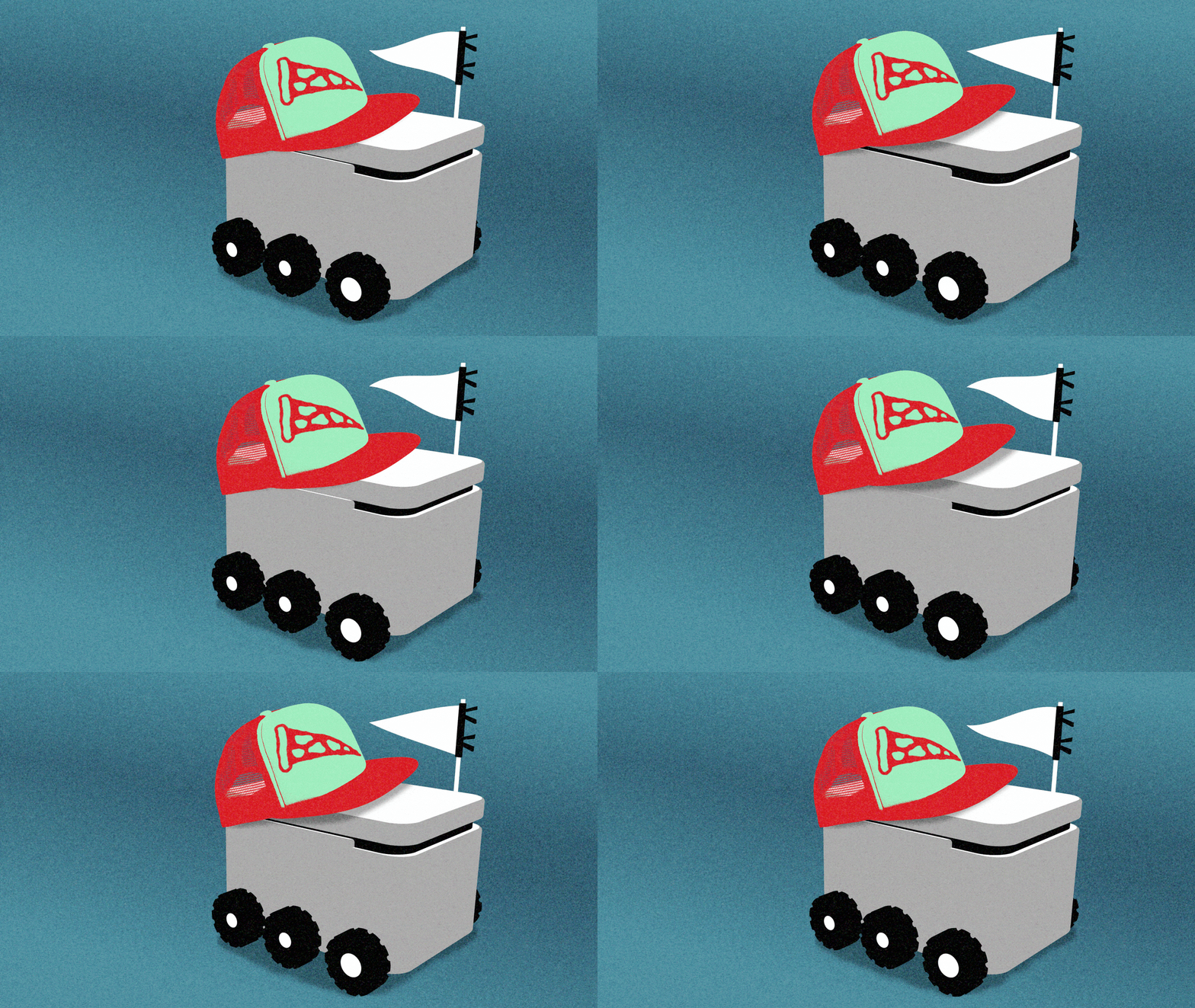
A new cohort of fresh-faced delivery robots is arriving on college campuses this fall after the leading incumbent graduated last spring to chase bigger ambitions in the real world.
Why it matters: Students and universities have come to love the futuristic porters of lattes, pizza and late-night snacks, while robotics companies get something far more valuable: a chaotic, real-world proving ground for physical AI.
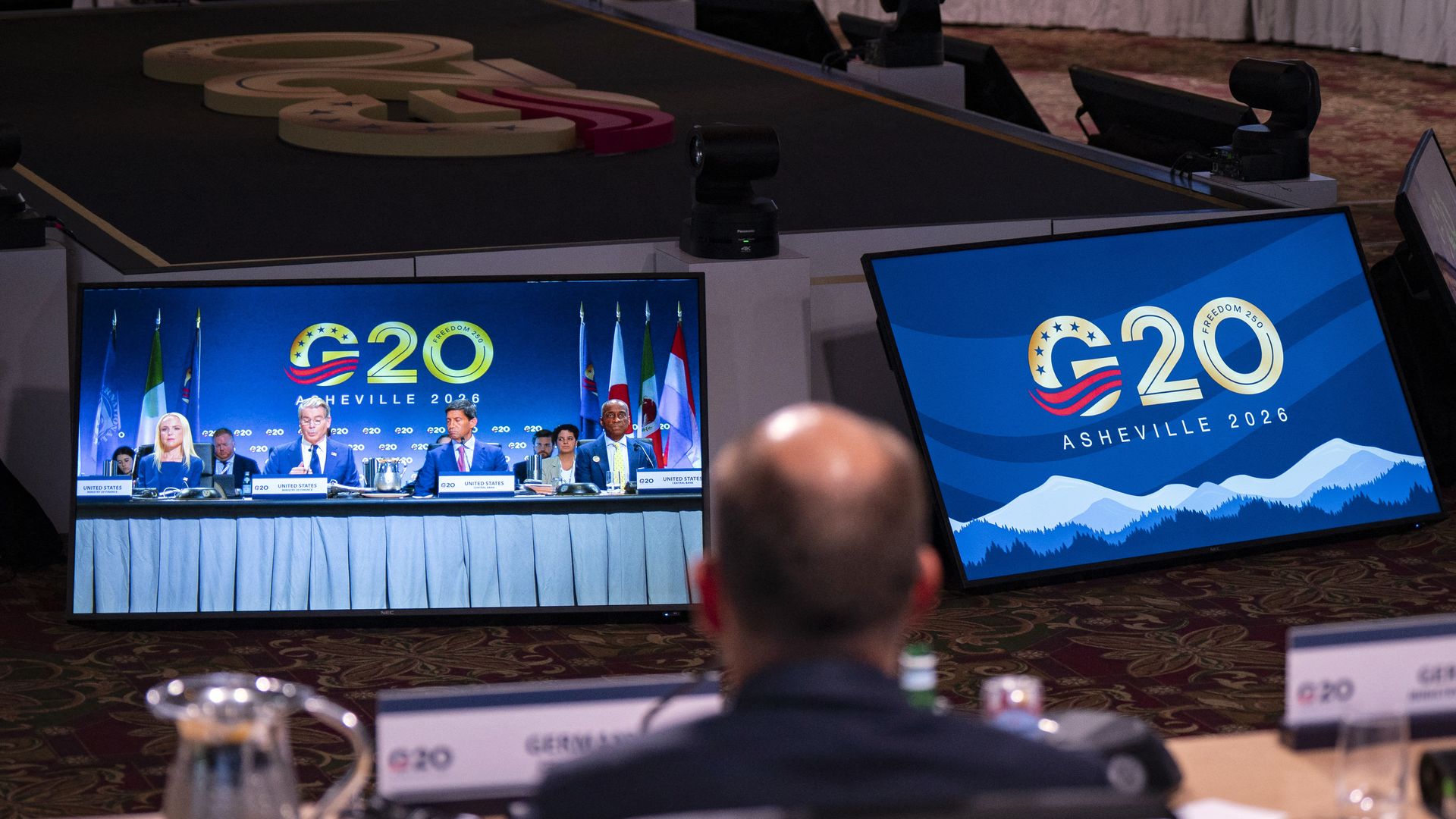
The G20 finance ministers failed to agree on a joint statement after China objected to several provisions, including language addressing huge trade surpluses and countries' reliance on exports for growth.
Why it matters: China was the lone holdout, with the other 19 members backing the language — a sign of widening concern over the pressure that Chinese exports are putting on industries around the world.