Stripe's efforts to buy PayPal might have died the moment PayPal reported Q2 earnings, even if the bid remained active for another month.
The big picture: Stripe and private equity partner Advent International based their $60.50 per share bid on PayPal's value before the first news reports of a possible deal.
Easy Aerial, a New York-based developer of tethered drone systems for aerial surveillance, has raised $20 million in Series B funding from Insight Partners and Entrée Capital.
Why it matters: The startup was at the center of controversy earlier this year, when it was booted from the Brooklyn Navy Yard.
The bond sell-off and the resulting higher interest rates are largely a story of higher growth prospects in the United States, Treasury Secretary Scott Bessent argued Tuesday.
"If we look at the composition of the bond yields — inflation expectations are flat-to-down," he said in a fireside chat at this week's G20 meeting of global finance ministers in Asheville, North Carolina. "This is a growth story. Growth, I believe, is reaccelerating."
The world's biggest economies need stronger growth to outrun mounting debt, aging populations and a new wave of global shocks. That much, the world's financial leaders can agree upon.
But this week's G20 meeting is exposing sharp differences over what's holding global growth back.
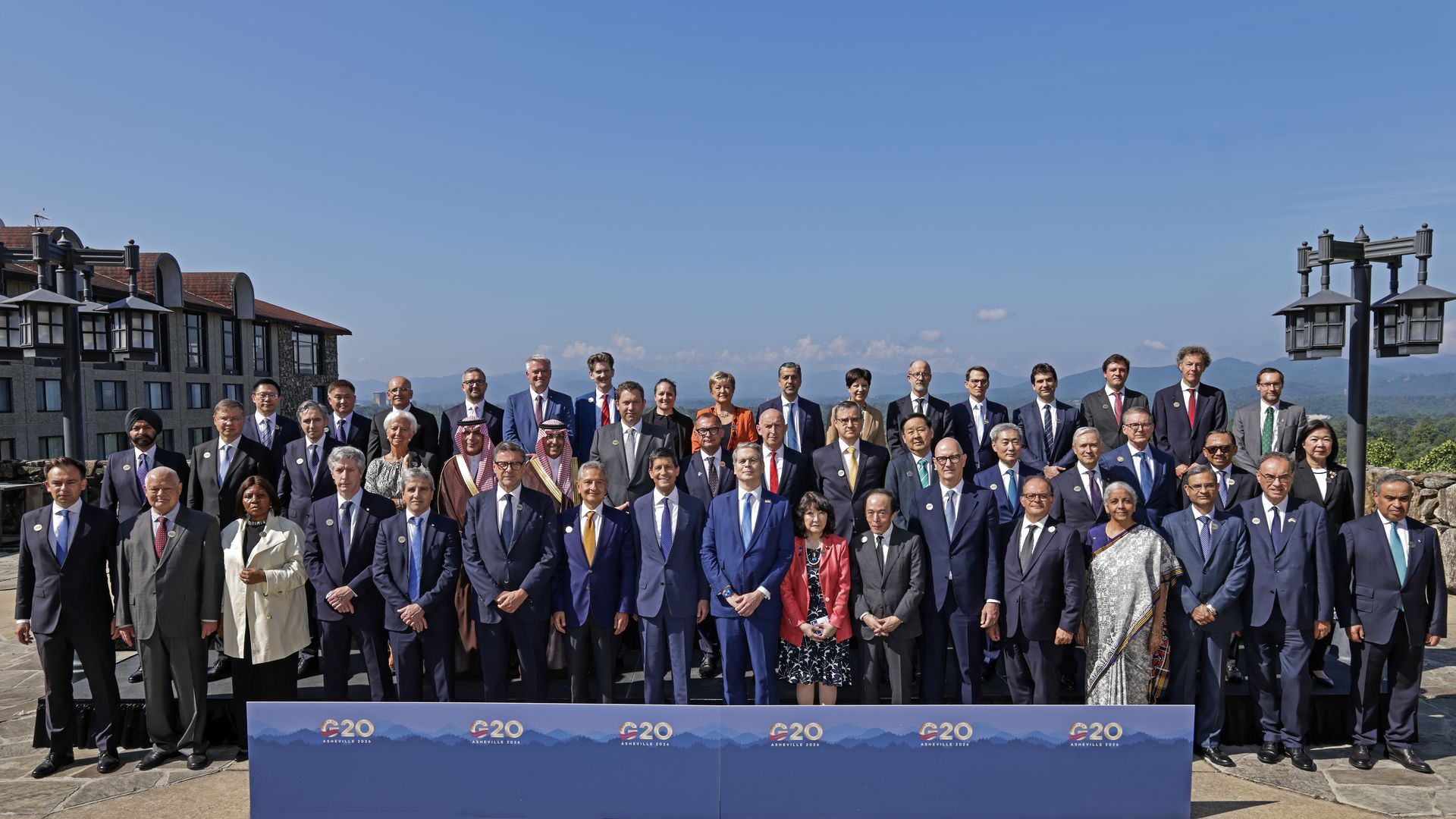
The big picture: That's the reality on the ground as the world's leading finance ministers meet in Asheville, North Carolina, against a backdrop of rising global interest rates and massive debt overhangs.
Light, a Texas startup that enables businesses to offer customers bespoke, branded retail electricity plans, raised $46 million in Series A funding, the company told Axios.
Why it matters: It will support Light's expansion outside Texas into the massive PJM market and beyond as it challenges incumbent power giants.
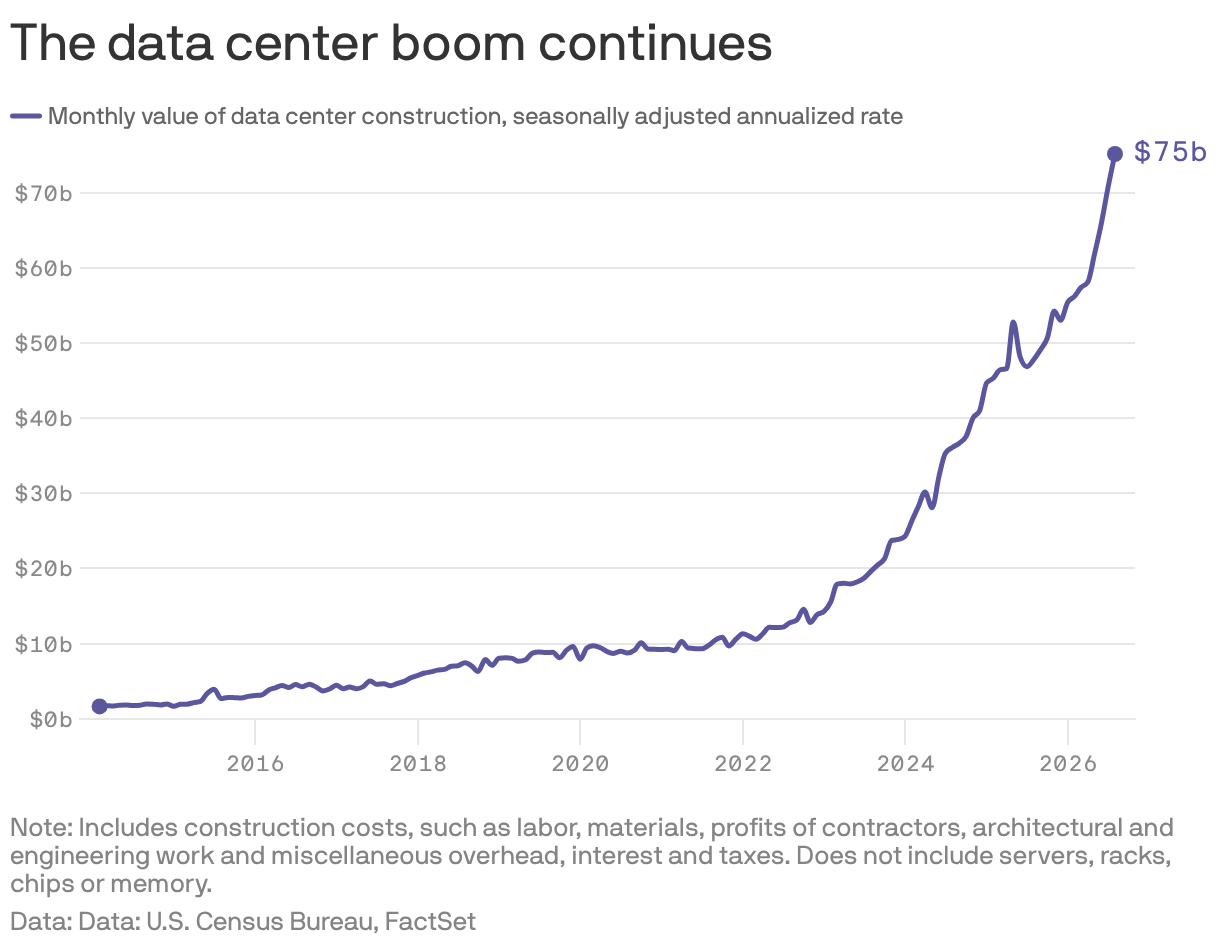
Second quarter profits were huge. But they were still not big enough to put lingering questions about the AI boom to rest.
Why it matters: The giant results provided little proof that companies are capable ofgenerating a reasonable return on the biggest investment boom in recent memory.
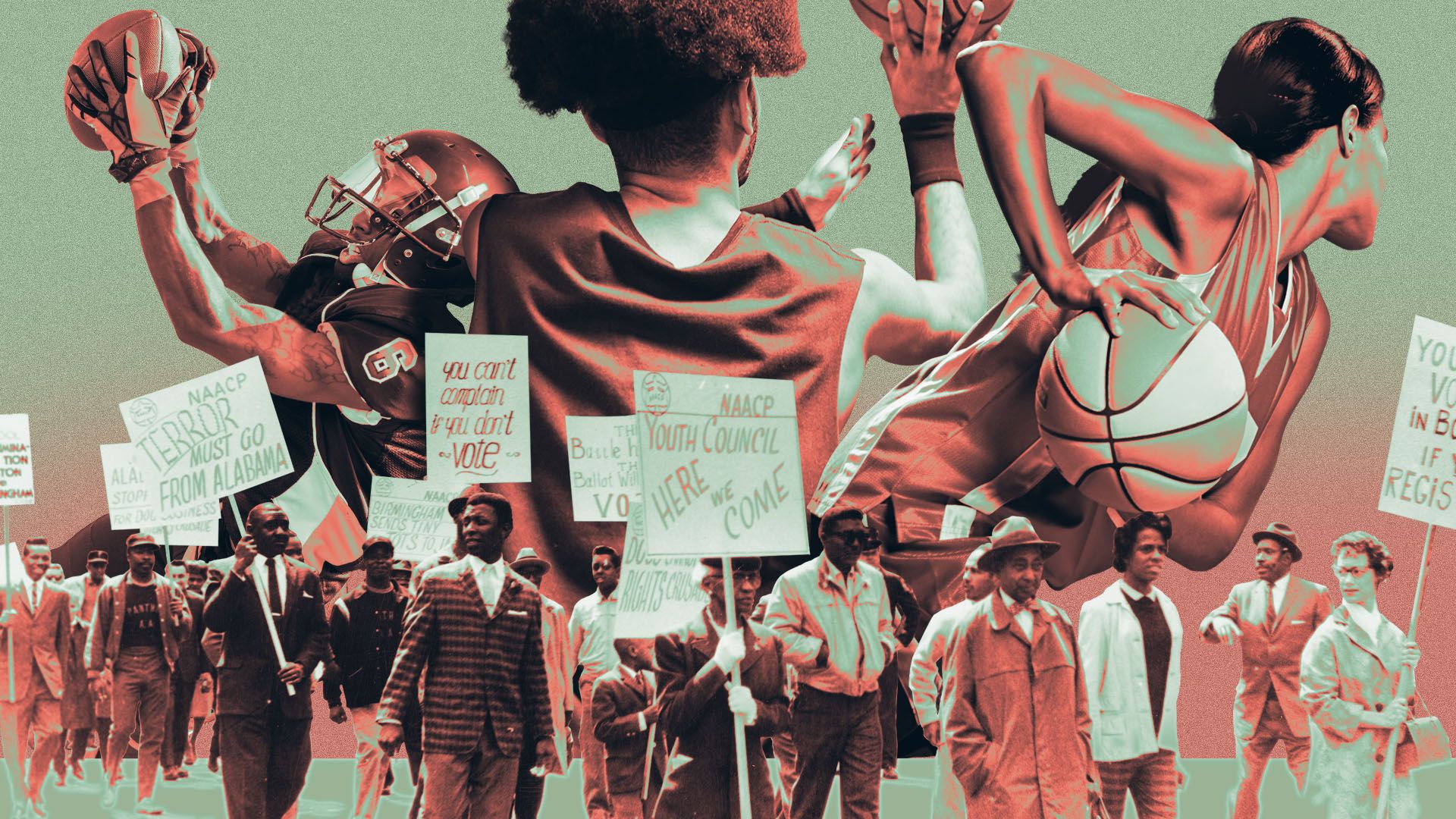
Civil rights groups have called on Black college athletes to boycott schools in states that are rolling back voting rights. But highly paid NIL-era athletes are proving to be unwilling protesters.
Why it matters: It's exposing a disconnect between advocates who rely on 1960s-style protest tactics, and prominent athletes in today's $3 billion NIL economy who have different views of activism — and who are unwilling to sacrifice unprecedented financial opportunities.